





 Portuguese
  English
  Spanish
  3 min of reading


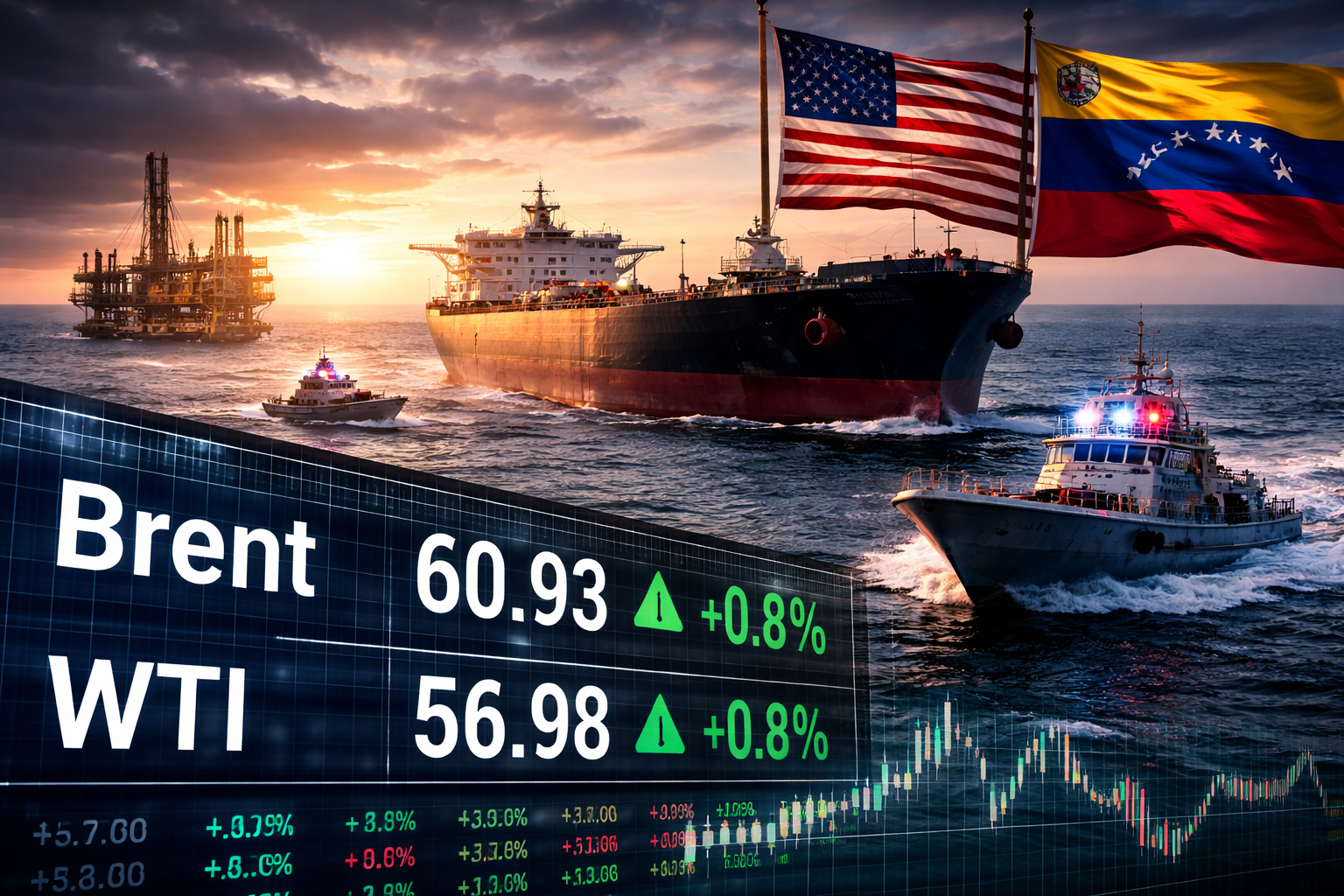
The Global Oil Market Remains Highly Sensitive to Geopolitical Events. Whenever Signs of Supply Restriction or Escalation of International Conflicts Surface, Prices React Almost Instantaneously.
It Was Exactly This Movement That Marked the Recent Price Hike, Following the US Action Involving a Tanker with Venezuelan Oil.
According to Reuters, the Brent crude rose by 46 cents, or 0.8%, reaching US$ 60.93 around 4 AM Greenwich Mean Time. At the same time, the West Texas Intermediate (WTI), a benchmark for the North American market, rose by the same percentage, reaching US$ 56.98 per barrel. Although the values do not represent a significant jump, they reflect a clear change in investor sentiment.
This movement occurs in an environment already pressured by diplomatic impasses. Negotiations involving Russia and Ukraine remain without concrete advances, while economic sanctions continue to shape the global flow of oil.
-
Lula reveals a masterstroke by Petrobras to undo a deal made by Bolsonaro, which involves the return of an important refinery that currently produces less than half of what was expected and makes Brazil dependent on international diesel.
-
A study confirms that the natural gas sector will reduce greenhouse gas emissions in Brazil by 0.5% and accelerate the energy transition by 2026.

-
Petrobras implements a severe adjustment and confirms a 55% increase in the price of aviation kerosene with a proposal for installment payments for the companies.

-
The rise in oil prices could ensure an extra revenue of R$ 100 billion for the Federal Government, indicates a recent economic study.


Oil and the Weight of Geopolitics in Prices
Historically, oil has always reacted intensely to international conflicts. From the oil shocks of the 1970s, through wars in the Middle East, to recent economic sanctions, the perception of geopolitical risk tends to quickly translate into price increases.
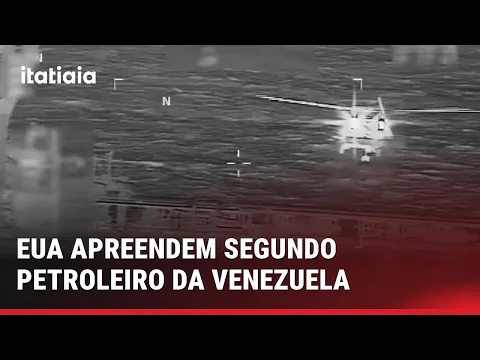
In the current case, the interception of the oil tanker with Venezuelan oil reinforces fears about additional supply restrictions. According to analysts quoted by Reuters, any action that limits the outflow of Venezuelan oil tends to reduce volumes available in the international market, even if only temporarily.
Moreover, Venezuela already faces structural difficulties in exporting oil due to sanctions imposed over the last decade. This history adds weight to any new episode, amplifying the market’s reactions.

Venezuela, Sanctions and Global Oil Supply
The Venezuelan Oil Production was once among the largest in the world. However, according to data from the International Energy Agency, the country has seen its productive capacity sharply decline in recent years due to sanctions, lack of investment, and infrastructure deterioration.
Still, Venezuelan oil continues to play a relevant role in certain markets, especially when there are attempts for partial relaxation of restrictions. Therefore, interception or blocking actions reinforce the perception of instability, influencing supply expectations.
Besides the Venezuelan case, the market is closely following developments in the war between Russia and Ukraine. Russia remains one of the largest global oil producers. According to the Organization of the Petroleum Exporting Countries, OPEC, any change in Russian exports affects the global balance between supply and demand.
Oil, Uncertainty and Investor Behavior
In this scenario, investors tend to adopt a defensive stance. The combination of sanctions, armed conflicts, and fragile diplomatic negotiations increases volatility. Even news that does not immediately alter physical oil flows can influence prices by raising the risk premium.
According to energy sector specialists, movements like the one recently observed reflect more expectations than concrete production changes. Still, these expectations play a central role in price formation in the short term.
Additionally, the oil market is going through a structural adjustment phase. Excess supply in some regions coexists with geopolitical risks in others. This contrast keeps prices fluctuating within relatively narrow ranges, but with sharp movements whenever new international events arise.
A Market of Oil Attentive to Every Signal
Observing the recent behavior of prices, it is evident that oil remains a hostage to geopolitics. The interception of a single tanker, combined with unresolved tensions in Eastern Europe, was enough to change market sentiment.
According to Reuters, analysts highlight that episodes like this reinforce the unpredictability of the global scenario. As long as sanctions and conflicts persist, the market will continue responding to every new sign of escalation or de-escalation.
Thus, the recent high in oil does not merely represent a point variation in prices. It reflects an international environment marked by uncertainties, where political decisions and military actions continue to exert direct influence over one of the most strategic commodities in the global economy.







Seja o primeiro a reagir!