





 Portuguese
  English
  Spanish
  6 min of reading
  0 comments


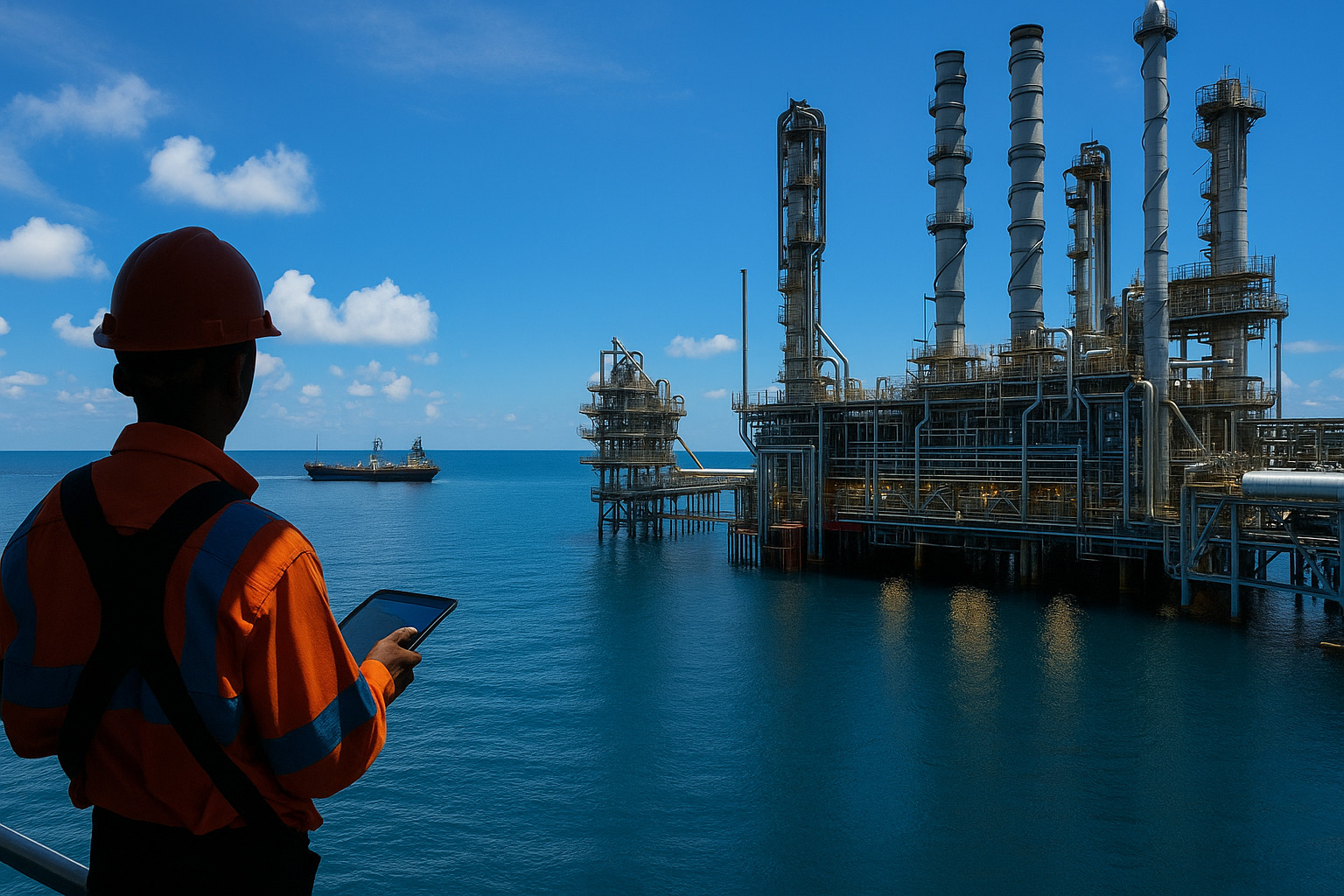
Growth Of Oil Production In South America Is Set To Boost The Region As A Strategic Hub By 2030
The oil production in South America is on a trajectory of significant growth, with a forecasted increase of 30% by 2030.
Thus, Brazil, Guyana, and Argentina are leading this movement, consolidating the region as a strategic hub in the global oil industry.
Additionally, the South American advancement outpaces the pace observed in traditional producing regions, such as the Middle East and the United States. This shows that South America has become a key player in the global energy scene.
-
The rise in oil prices could ensure an extra revenue of R$ 100 billion for the Federal Government, indicates a recent economic study.

-
Naturgy begins an investment of R$ 1.6 million to expand the gas network in Niterói and benefit thousands of new residences and businesses.

-
A major turn in the Justice system suspends tax increases and directly impacts oil and gas companies in Brazil by affecting costs, contracts, and financial planning, leaving uncertain what could happen to the sector if these costs had increased.

-
Brava Energia begins drilling in Papa-Terra and Atlanta and could change the game by reducing costs in oil while increasing production and strengthening competitiveness in the offshore market.
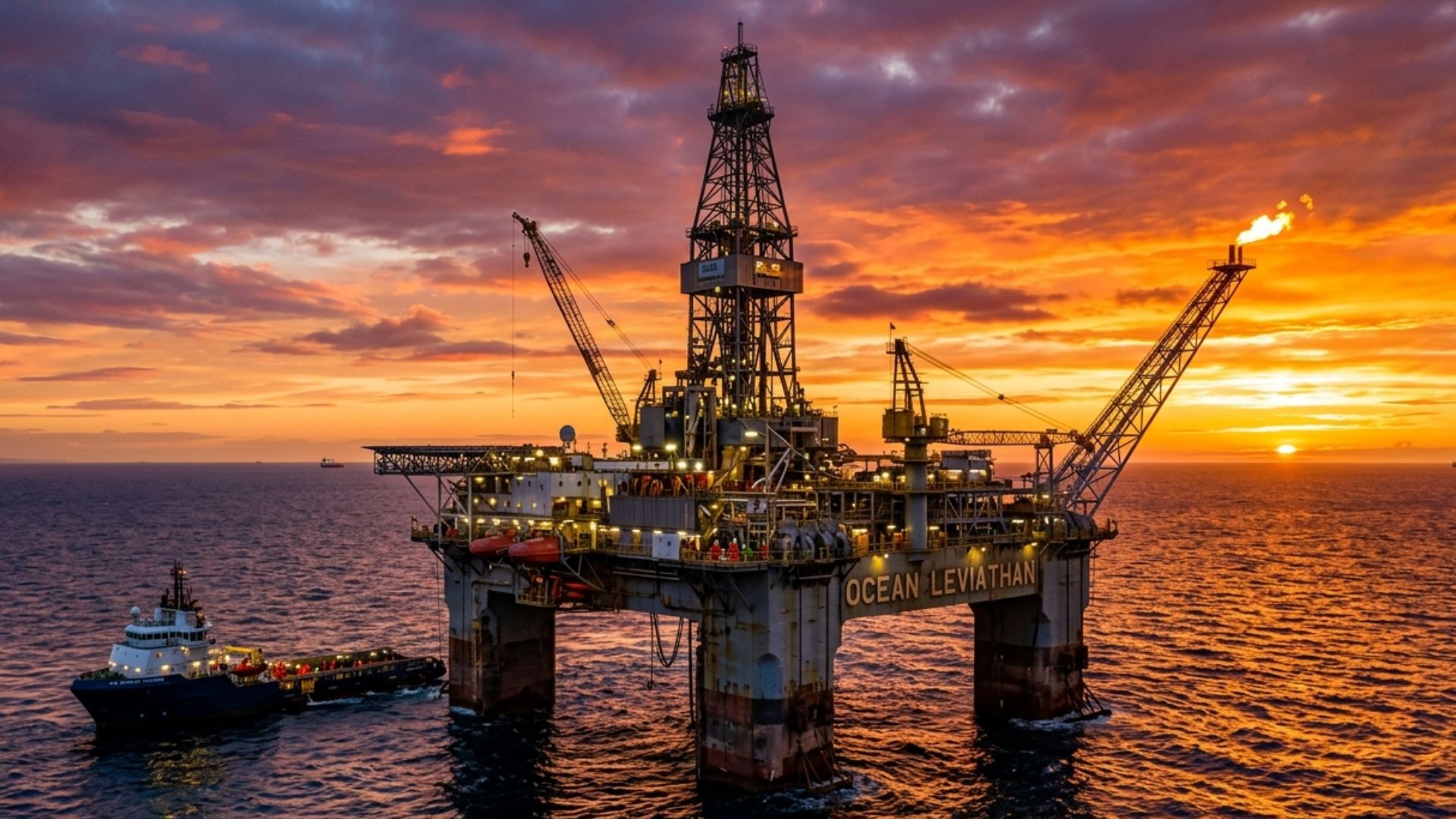

Historically, oil exploration in South America started more modestly compared to other regions of the world.
In Brazil, for example, the discovery of the pre-salt in 2006 marked a turning point, allowing the country to significantly expand its production and consolidate strategic reserves in deep waters.
Furthermore, in Guyana, starting in 2015, the Stabroek block transformed the local economy, attracting international investments and increasing the country’s importance on the global oil map.
On the other hand, in Argentina, the Neuquén Basin, especially the Vaca Muerta formation, has become a promising asset, though it relies on infrastructure investments, such as the pipeline expected for 2026, to reach its maximum potential.
Overall, the expansion of oil production in the region also reflects changes in the global energy landscape.
As the world debates sustainable alternatives and seeks to reduce dependence on fossil fuels, South America stands out by offering high-quality reserves and lower carbon intensity, especially in Brazilian pre-salt.
Consequently, this differential attracts major oil companies, which see in the region an opportunity to combine economic efficiency with environmental responsibility.
Strategic Implications And Infrastructure Challenges
The increase in oil production in South America between 2024 and 2030 brings significant strategic implications.
With production expected to jump from 7.4 million to nearly 9.6 million barrels per day, the region establishes itself as a relevant center for deep-water oil.
Thus, this growth reinforces the geopolitical position of South American countries and highlights the need to balance fossil fuel exploration with the pressure for a sustainable energy transition.
Moreover, experts highlight that the speed and quality of infrastructure investments will determine the continuity of this expansion cycle.
In Brazil, the capacity to extract nearly five million barrels per day in June demonstrates the strength of the pre-salt, while in Guyana, offshore production has generated jobs and attracted investments.
Similarly, in Argentina, the development of Vaca Muerta depends on completing logistics projects and the support of foreign investors, with infrastructure being a critical factor for success.
Furthermore, the logistics of transporting and storing oil takes on a strategic role.
The construction of ports, pipelines, and export terminals ensures that growing production reaches the global market.
Consequently, countries that can efficiently integrate their productive chains will have a competitive advantage.
According to Pietro Ferreira, senior analyst at Wood Mackenzie, oil in South America combines high productivity and low carbon intensity, features that attract global oil companies in search of competitive and more efficient assets.
However, Ferreira warns that the ability to maintain production momentum beyond 2030 remains uncertain, as some operating fields may reach natural depletion.
For this reason, new investments and discoveries are essential to ensure the sustainability of production.
Expansion In Deep Waters And Technological Advancements
Consulting firm Rystad projects that almost half of the production growth by the end of the decade will come from offshore fields, consolidating South America as the largest deep-water oil-producing region in the Western Hemisphere.
Thus, this offshore expansion reflects not only the geological potential but also the technological expertise of Brazilian and international companies in offshore exploration.
Moreover, the know-how gained over the last decades enables the region to overcome technical and environmental challenges, maintaining safety and efficiency standards.
Indeed, the technological advancement in oil exploration and production has facilitated investments in areas previously considered high-risk.
Technologies such as horizontal drilling, advanced seismic monitoring, and subsea production systems allow deep reserves, such as those in the Brazilian pre-salt, to be explored with greater safety and productivity.
Consequently, this knowledge also serves as a reference for other regions of the world seeking to develop their capabilities in deep waters.
The increase in oil production in South America occurs at a delicate moment, marked by debates on the energy transition.
Countries like Brazil face the challenge of balancing fossil fuel exploration with climate goals and renewable energies.
Thus, President Luiz Inácio Lula da Silva argues that the revenues generated from oil should fund investments in clean energy, but critics point out that the expansion of fossil fuels on the eve of global conferences, such as COP30, creates contradictions.
Moreover, the growing oil production in South America influences geopolitics and the global economy.
The Role Of Brazil, Guyana, And Argentina
Brazil plays a leadership role in this growth.
With pre-salt reserves, the country has become a reference in deep-water exploration, developing proprietary technology and attracting strategic partnerships.
Additionally, Guyana, with the Stabroek block, and Argentina, with Vaca Muerta, complement this scenario, forming a production triangle that strengthens the entire region.
Therefore, regional cooperation and the sharing of best practices among countries ensure that the growth of oil production in South America is sustainable and efficient.
Historically, oil exploration in the region has been linked to economic and political cycles.
For decades, countries like Venezuela and Brazil led production but faced economic crises and political instability.
Today, geographical diversification, combined with technological advancement, allows growth to be more robust and predictable.
Thus, institutional stability and regulatory clarity attract investors and ensure continuity of projects.
Moreover, the development of local engineering capabilities and skilled labor strengthens regional autonomy.
National companies and universities invest in research and training, enabling producing countries to reduce dependence on external consultancies and maximize the economic utilization of their reserves.
Economic Impacts And Influence On The International Market
The growth of oil production in South America generates significant positive economic impacts.
The expansion of the industry strengthens related sectors, such as transportation, logistics, engineering, and specialized services.
Moreover, it increases the collection of taxes and royalties, allowing governments to fund social programs and infrastructure investments.
Therefore, the challenge is to utilize these resources efficiently and sustainably, avoiding negative environmental and social impacts.
Oil production in South America directly influences the international market.
With the increase in supply, the region helps to stabilize prices and reduce dependence on other producing regions, such as the Middle East and Africa.
Thus, the production strategy must balance economic and environmental interests, ensuring competitiveness and sustainability in the long term.
The growth of oil in the region also strengthens South American economic integration.
Thus, regional partnerships, trade agreements, and transnational investments promote shared development, allowing neighboring countries to benefit from infrastructure projects, technology transfer, and professional training.
In summary, the oil production in South America is at an unprecedented growth moment, with a forecasted increase of 30% by 2030.
Brazil, Guyana, and Argentina lead this movement, transforming the region into a global hub for deep-water production.
Despite challenges related to the energy transition and the need for infrastructure investments, South America establishes itself as a strategic destination for global companies and investors.
Therefore, the balance between oil exploration, economic development, and environmental sustainability will be the key factor in determining the success of this growth in the coming decades.








Seja o primeiro a reagir!