





 Portuguese
  English
  Spanish
  5 min of reading
  37 comments


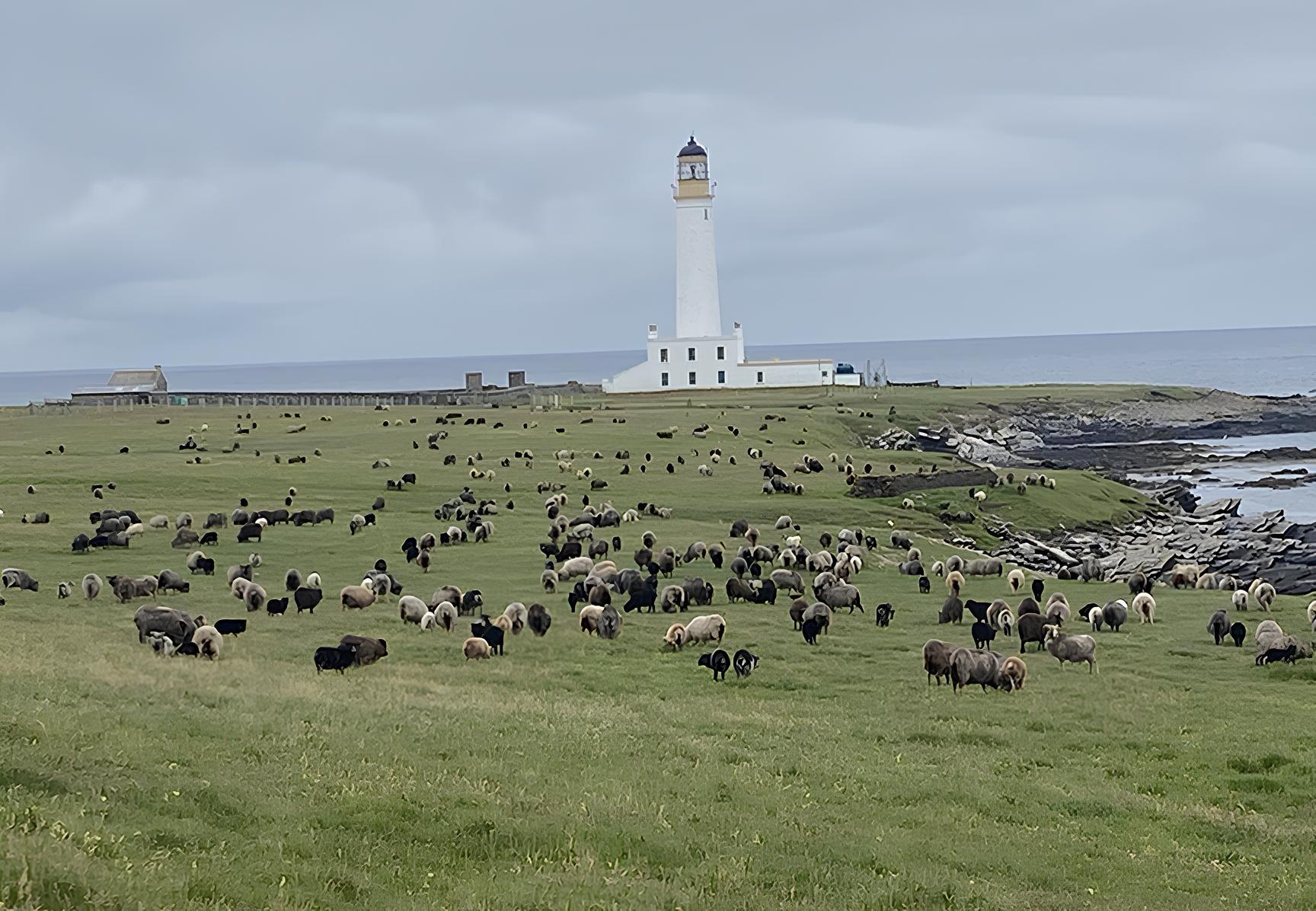


Couple Has Lived for Decades on a Remote Island in Scotland, Raising 300 Rare Sheep and Maintaining the Only Inhabited House in the Archipelago in Complete Self-Sufficiency.
Modern life often reinforces the idea that extreme isolation and total self-sufficiency belong to the past. But since the early 1970s, a Scottish couple has proven otherwise by transforming a small isolated island in the north of the United Kingdom into one of Europe’s most impressive and autonomous retreats. In a landscape dominated by violent seas, steep cliffs, and winds exceeding 120 km/h in winter, they have become the only permanent inhabitants of an entire archipelago.
The place is Auskerry, one of the remote islands of the Orkney Islands, where the couple Iain and Liz MacDonald has lived for nearly half a century, maintaining a routine built on resilience, manual labor, and the management of over 300 North Ronaldsay sheep, one of the rarest breeds on the continent. Meet the couple responsible for transforming isolated territory into a refuge,
The Story of the Couple Who Transformed an Isolated Territory into a Self-Sufficient Refuge
Their story gained international recognition starting in the 1990s and resurfaced after reports from outlets like The Chicago Tribune, BBC Scotland, and ExplorersWeb, which highlighted the complexities of living in a territory without stores, roads, conventional energy, and neighbors.
-
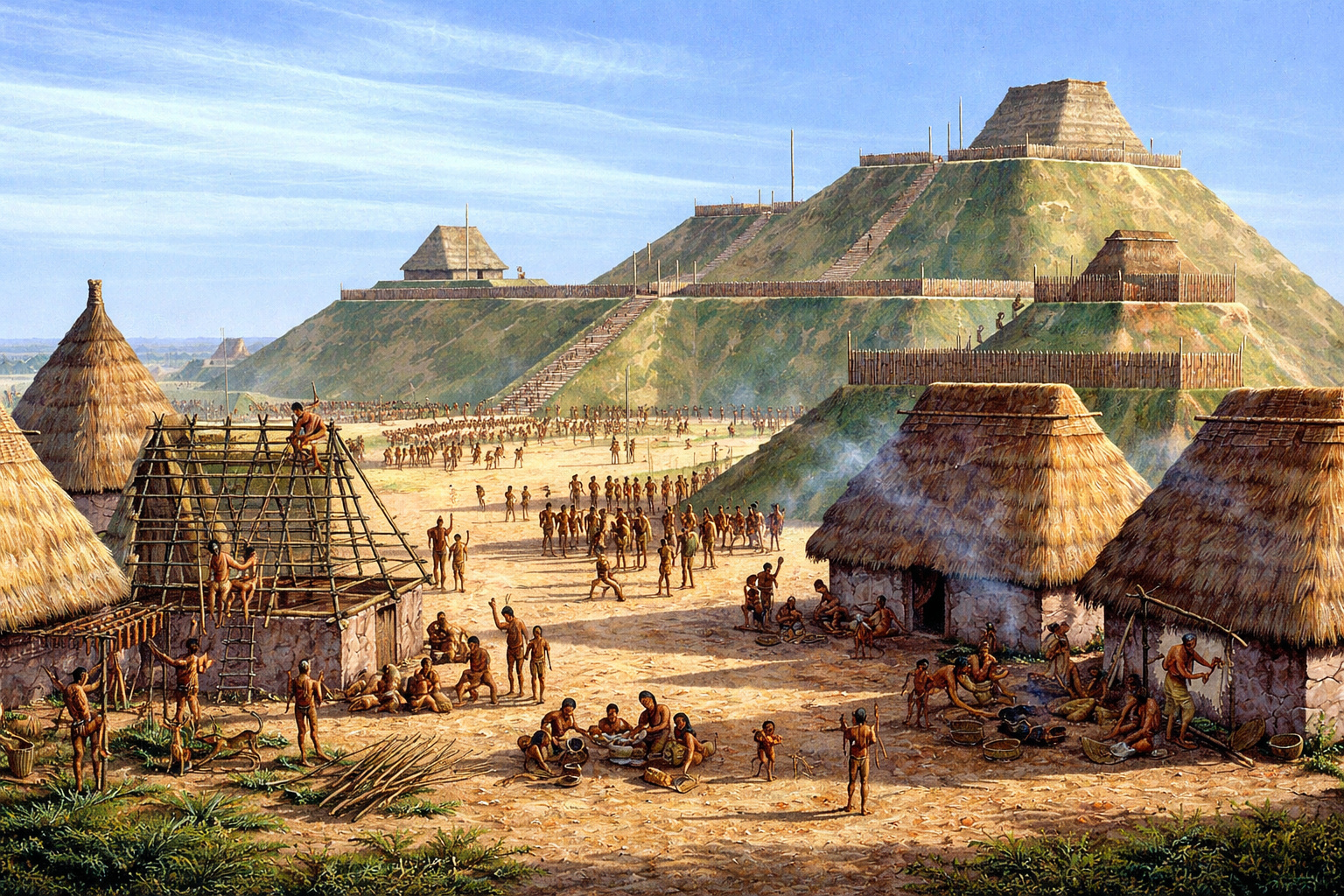
With over 14 million baskets of earth moved, an ancient North American metropolis built a monumental pyramid of 30 meters and established a city with 20,000 inhabitants nearly a thousand years ago.
-
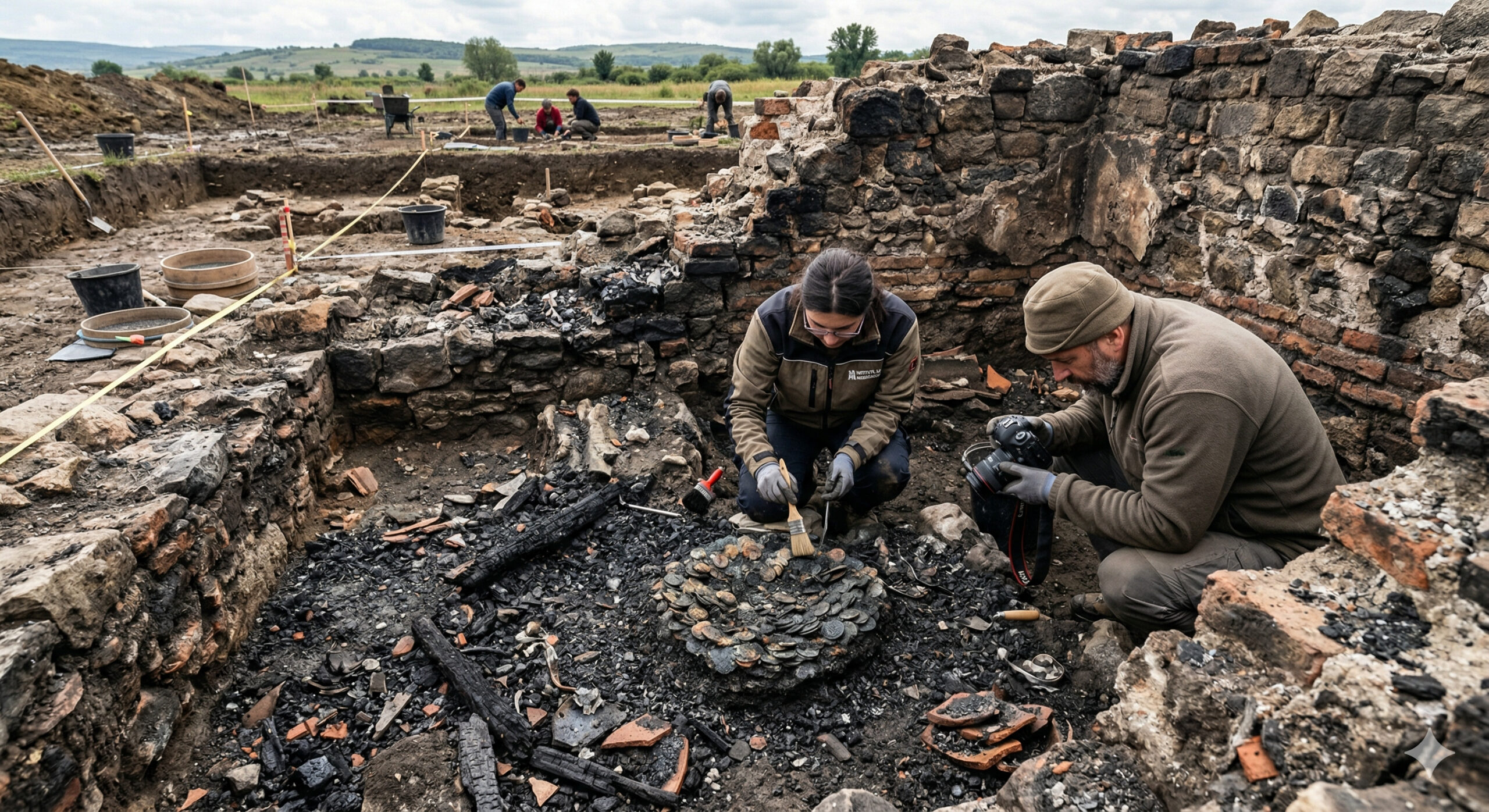
A 1,900-year-old treasure emerges from a Roman house destroyed by fire and sealed since antiquity in Romania, with coins and metals fused among the ashes.
-
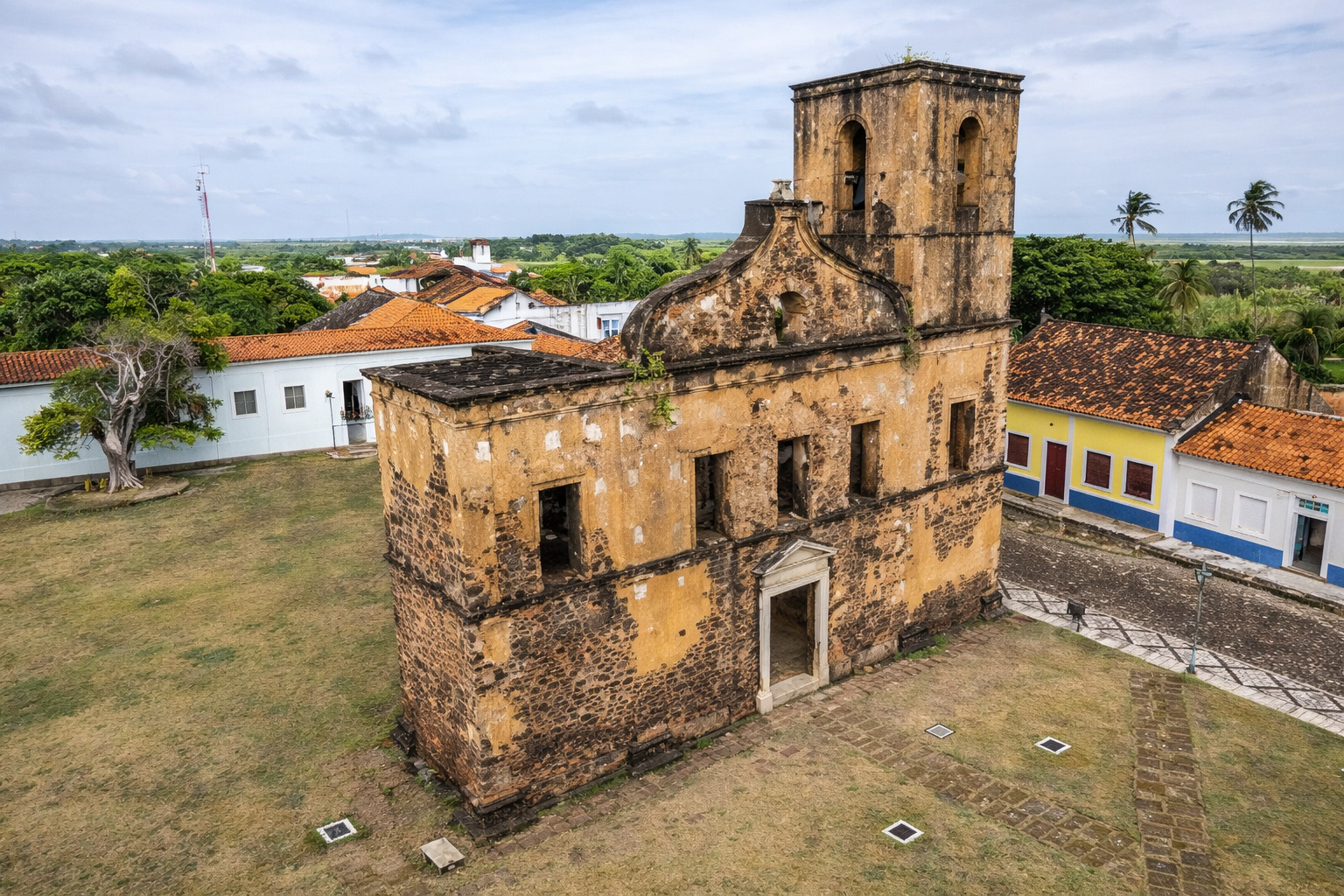
The Brazilian colonial city that stopped in time and shares territory with a rocket launch base.
-
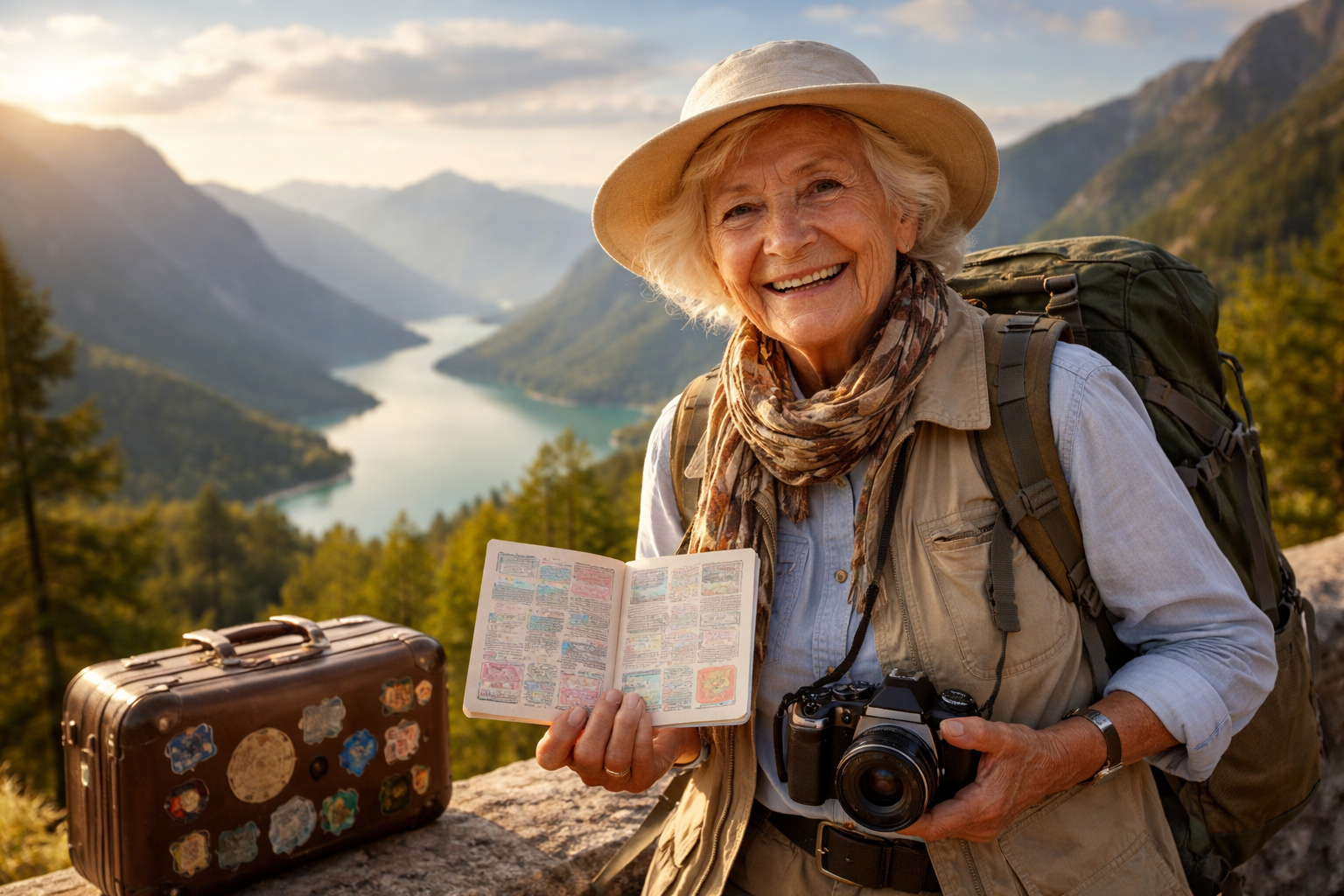
79-year-old woman challenges limits, visits 193 countries in the world after 56 years of planning and reveals the behind-the-scenes of a global journey that few have managed to accomplish.

To reach the location, crossing requires a private boat and deep knowledge of the currents, as the area is known for frequent shipwrecks and extremely unstable seas for much of the year. Yet, it was there that the couple built not just a house but a complete way of life governed by natural cycles and a rare level of self-sufficiency in today’s world.
The Self-Sufficient Life on an Isolated Island
The decision to live in the location was not motivated by a desire to escape civilization, but by a wish to rebuild an abandoned property and create a sustainable system for producing wool and meat in one of the most traditional areas of deep Scotland.
The island, just over one square kilometer, offers fertile land only in small portions, surrounded by rocky areas and constantly exposed to storms.
Even so, the couple adapted ancient survival techniques and perfected small-scale agricultural methods.

The main activity on the island has always been raising North Ronaldsay sheep, an animal almost unknown outside of Scotland, but considered a genetic heritage of the country for its unusual diet based on seaweed.
This characteristic has evolved over hundreds of years and made the breed one of the most resistant to the severe climate of the North Atlantic.
Sheep as Part of the Family Economy
In Auskerry, sheep have become an essential part of the family economy, providing wool valued in European crafts and ensuring a productive cycle capable of sustaining the couple even during long periods of isolation.
The routine was defined by the weather. In winter, the constant wind and high waves prevented any trips to the main island of Orkney. In many years, they spent up to four consecutive months without physical contact with other people.
Supplies relied on strict planning, as any oversight could mean weeks without replenishment.
The electricity came from wind generators installed by the couple, supplemented by solar panels during the summer months. Water was collected through rainwater harvesting systems and stored in underground tanks.
The Challenge of Living on the Edge of Nature
Reports published by the British press highlight that one of the most critical moments of life in Auskerry was the annual crossing to sell wool and acquire supplies. The narrow sea between the islands is considered one of the most challenging in Britain.
The combination of turbulent currents and submerged rocks has caused historic shipwrecks, many of which are still documented in the files of the Orkney Museum. Nevertheless, for over 40 years, the couple has maintained a routine of navigation in small fibreglass boats, always monitoring forecasts and taking advantage of rare windows of stable weather.
Communication with the mainland has also evolved over the decades. Initially, there was no telephone and messages depended on shortwave radio. Over time, mobile networks have partially reached the region, but in an intermittent manner.
On stormy days, no signal reached the main house. This forced autonomy shaped the couple’s lifestyle, which adapted to solve any problems without external help, including machinery repairs, fence construction, animal care, and even small health treatments.
The Creation of a Unique Refuge in the Archipelago
Besides the sheep and the independent energy system, the couple revitalized the main house, expanding original structures from the 19th century and restoring stone walls built by former inhabitants of the Orkney Islands.
Over time, Auskerry has become a microcosm of historical and cultural preservation, housing traditional architectural elements and agricultural practices that have disappeared elsewhere in the United Kingdom.
The family has also made the island a reference in seabird conservation. Being free from land predators, Auskerry has transformed into one of Scotland’s most important locations for species like the fulmar and the guillemot.
Researchers from British universities regularly visit the island to document nests, monitor populations, and analyze the impact of climate on the local ecosystem.
The Reality of Living in Isolation in the 21st Century
While many view the couple’s lifestyle as idyllic, recent reports reveal that the residents faced profound challenges. Storms have intensified in recent decades, a reflection of climate changes affecting the North Atlantic.
This has further hampered travel to the mainland, especially during emergencies. In 2020, the pandemic and mobility restrictions made Auskerry even more isolated, reinforcing the need for total self-sufficiency.
Even so, the story remains one of the most impressive accounts of resilience, adaptation, and mastery of extreme natural conditions. Life in Auskerry has become a symbol of human capacity to build a stable routine in territories where almost no one would dare to spend more than a day.






A ilha existe de fato e as ovelhas raras estão lá sim, mas na verdade o casal foi formado por Simon Brogan e Tereza Probert.
Eu acho que é tudo mentira…deve ser apenas pesquisadores …não fala nada sobre formação de família e tal…
Como alguém consegue viver sem vizinhos, som alto, rede globo , politicos ,congestionamentos, assaltos, pagar energia ,água,IPTU, IR, ICMS, IPI, etc.
Também acho fake.
Embora pareça um ambiente insalubre e solitário, viver nesta ilha tem suas vantagens, está livre da violência e vários outros infortúnios da chamada “Sociedade Civilizada”.