





 Portuguese
  English
  Spanish
  4 min of reading
  0 comments


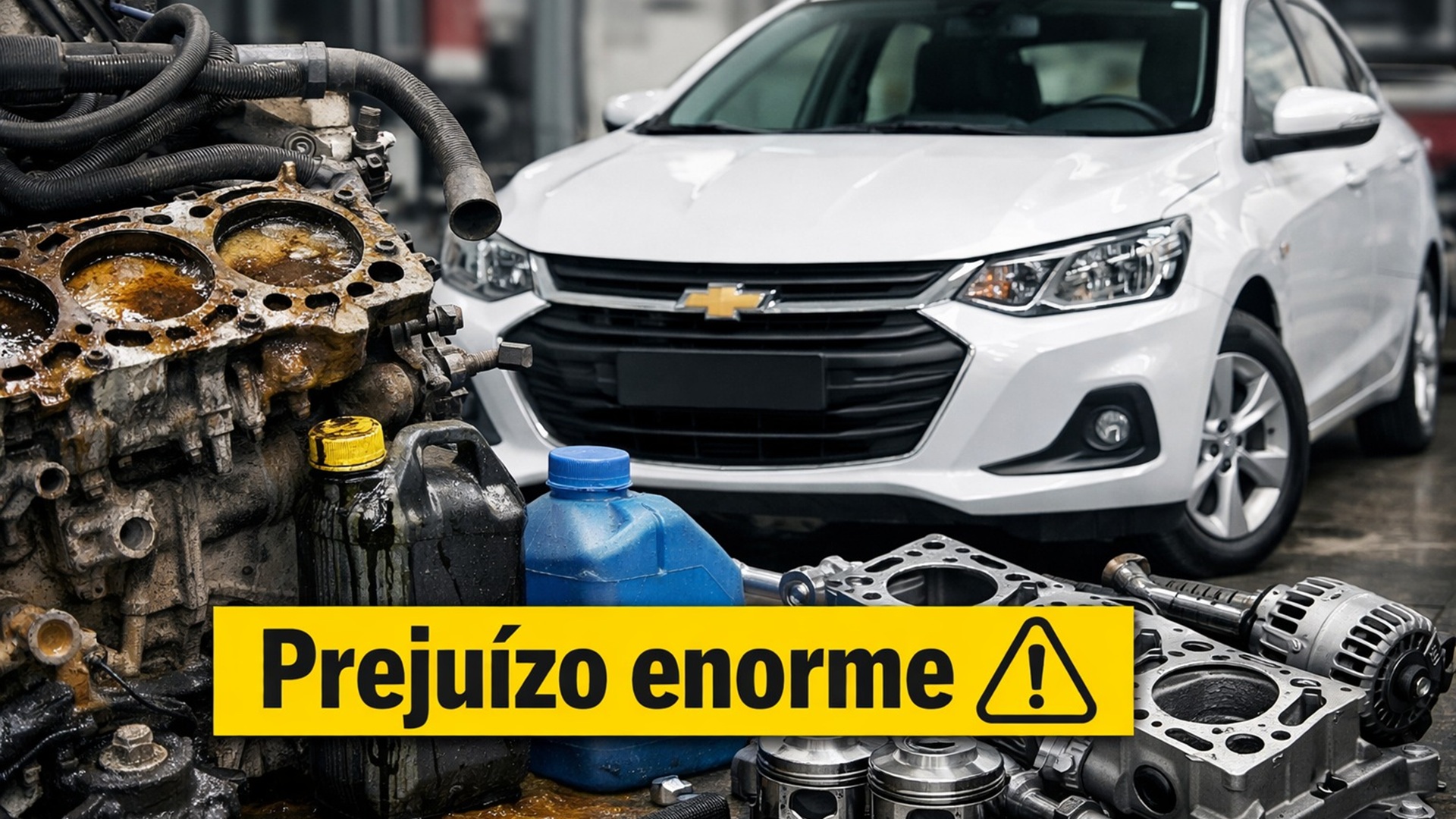
The Case Of A Chevrolet Onix 1.0 Three Cylinder That Overheated At 92 Thousand Kilometers Shows, With Technical Data And Detailed Values, How The Failure In The Cooling System Led To Complete Engine Replacement, Including Block, Cylinder Head, And Turbo, Increasing The Total Cost Of Maintenance To R$ 28,465.
Letting a modern engine overheat can turn a simple oversight into a significant loss. This was detailed in the video from the channel Carros com Tiago documenting the complete recovery of a Chevrolet Onix equipped with a 1.0 three-cylinder engine, following a serious failure in the cooling system.
Overheating And Total Engine Loss
The vehicle analyzed had 92 thousand kilometers when the problem occurred. The most evident symptom was the mixture of water with oil, forming the so-called “doce de leite,” a classic sign of intense overheating.
When this occurs, the oil loses its lubrication capacity, and the internal parts begin to operate under high friction and temperatures outside the design standard.
-
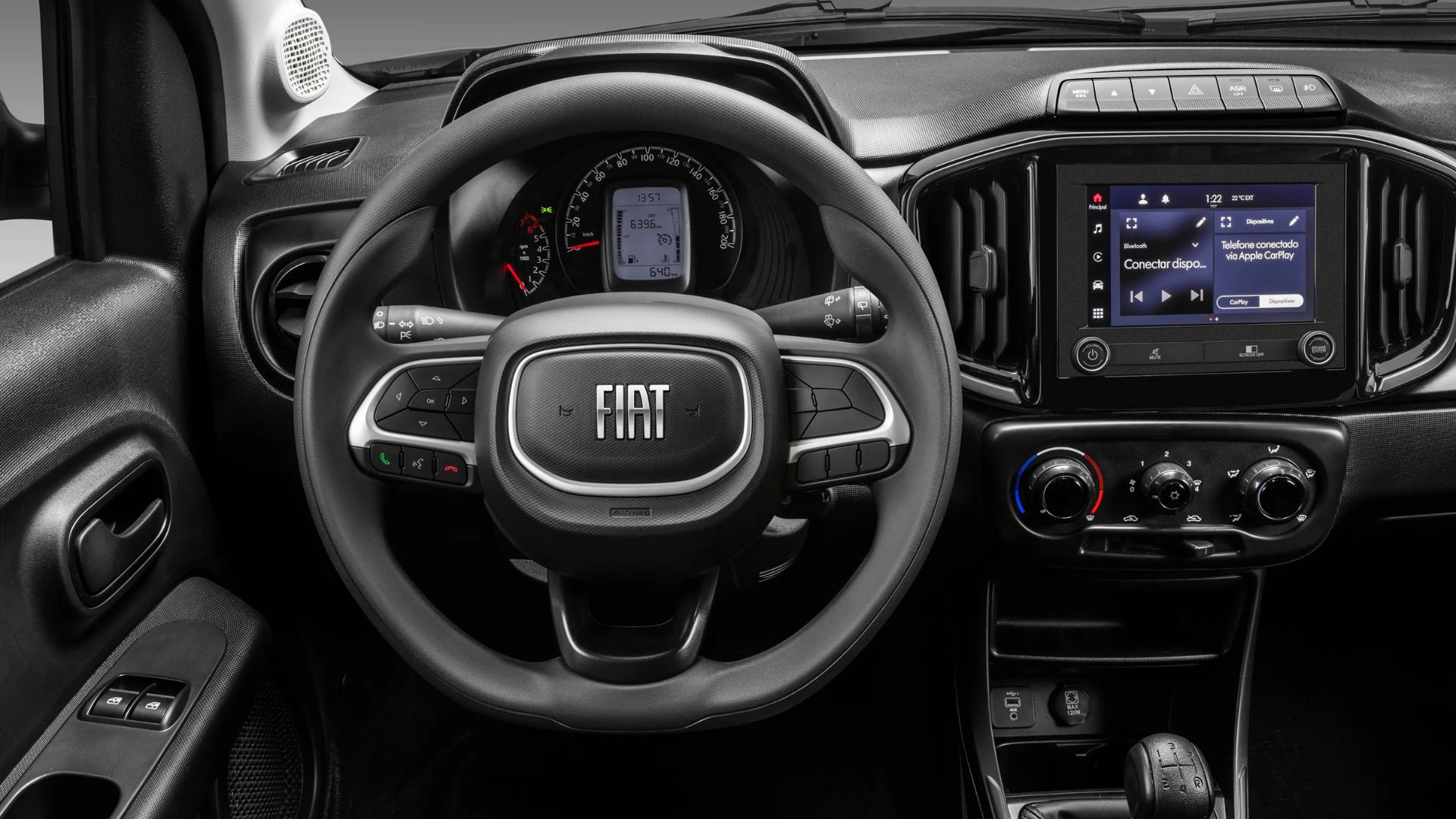
With a 1.0 engine producing 75 hp and costing less than R$ 70,000, Fiat’s car returns to the podium as the cheapest in the country; a temporary promotion for the 2026 Like version reduces the price of the Fiat Mobi.
-
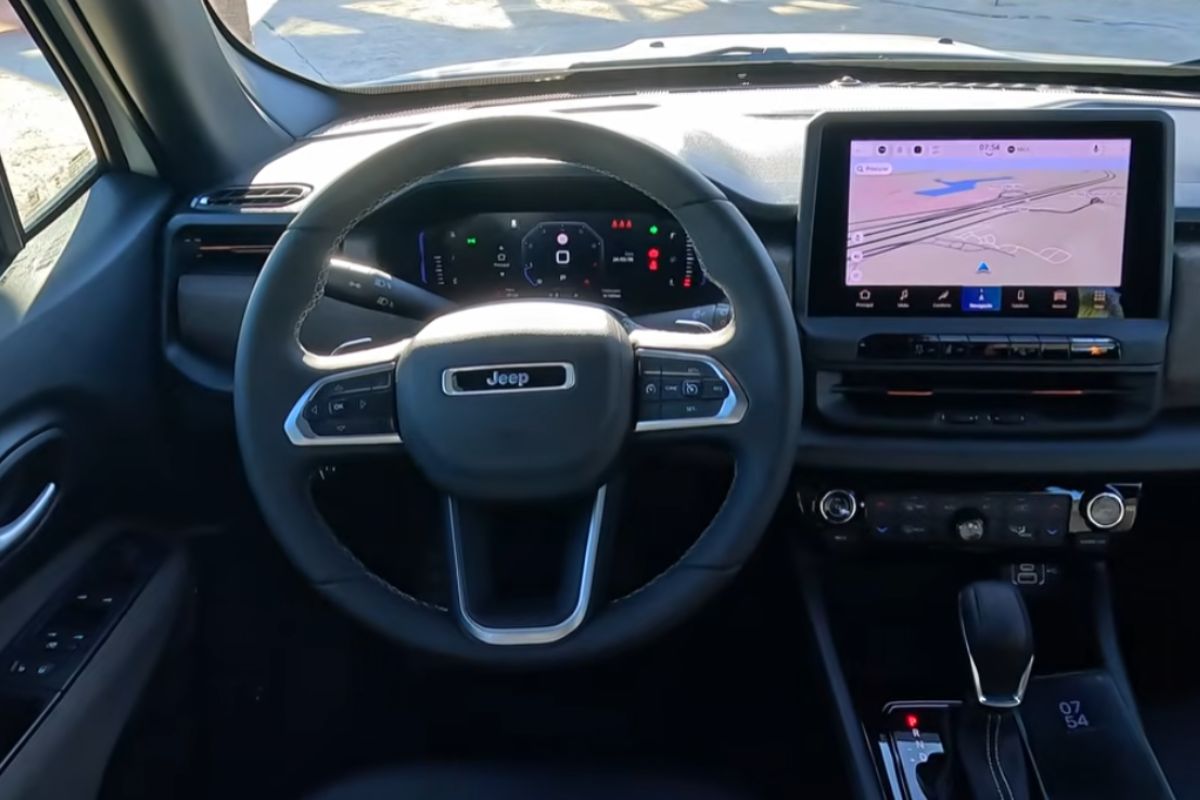
With a mild hybrid system of 48 V, 176 hp and a price of R$ 175,990 in the Sahara version, the new Jeep Renegade changes mostly on the inside, improves slightly in fuel consumption, and remains almost the same car.
-
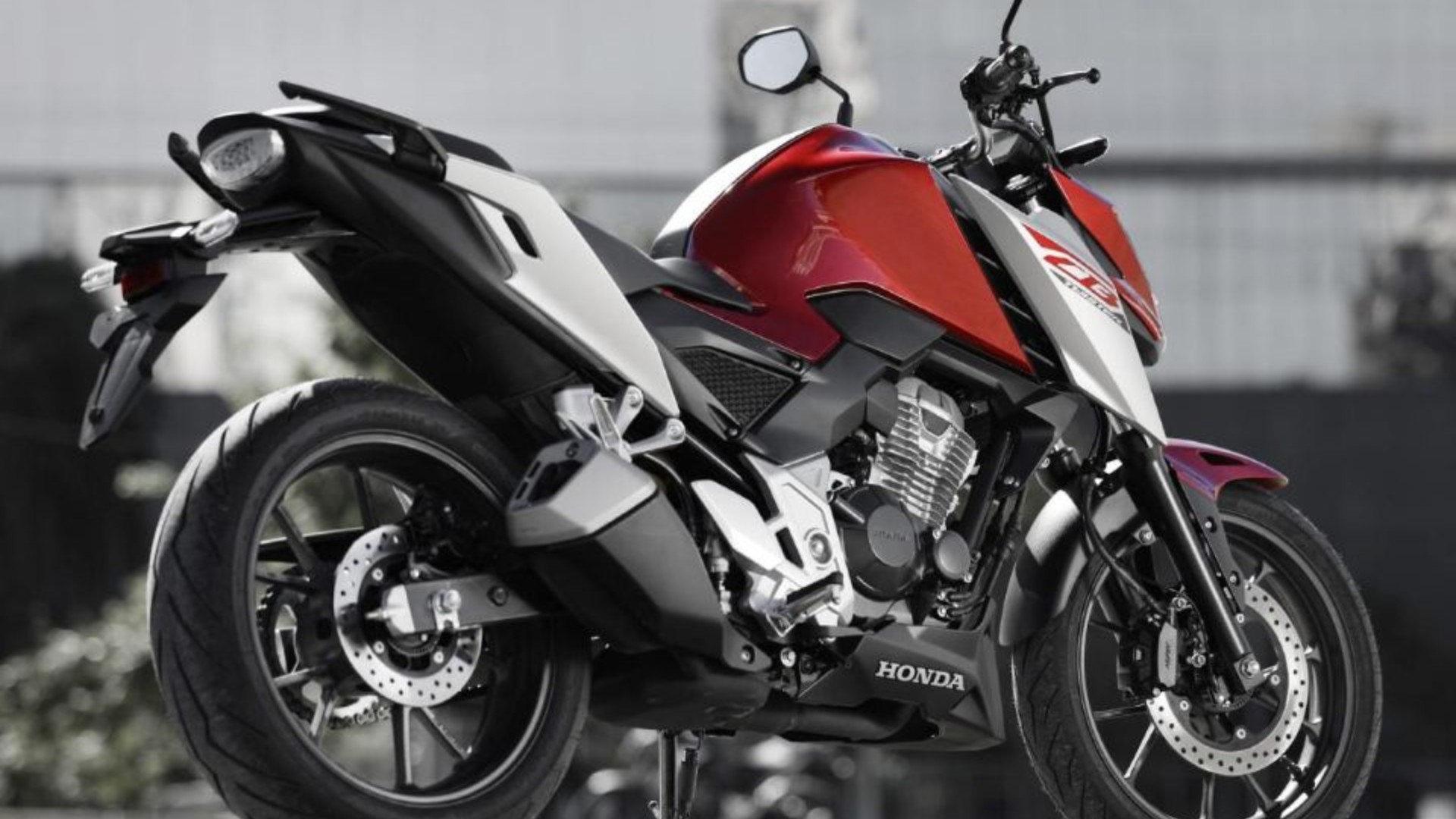
With a 293.5 cm³ engine and a range of up to 400 km with a 14.1-liter tank, the Honda CB 300F Twister 2026 has up to 24.7 hp, an initial price of R$ 25,150, and already exceeds R$ 29,000 in the Fipe Table.
-
With a 1.3 engine, nearly 700 km of range, and Turbo 200, the Fiat model surpasses Polo, Tera HB20, and Onix, becoming the best-selling car in March; see the numbers for the Fiat Strada and others.

In modern, compact, and highly integrated three-cylinder engines, this type of failure usually causes extensive damage.
Even if there is no immediate visible wear, the structural compromise can make partial repairs unfeasible, making whole assembly replacement the safest alternative.
Decision For Original Parts And Factory Standards
The owner chose not to make temporary repairs. The decision was to replace almost the entire engine with new and original components, purchased directly from the dealership.
The objective was clear: to restore the vehicle to factory standards for later resale, ensuring mechanical reliability and preservation of market value.
The new block arrived already with the oil pump installed and the gasket positioned. The cylinder head also came complete, including valves and spark plugs, reducing the risk of incorrect assembly.
From the old engine, only a few peripheral parts could be reused, such as the plastic valve cover, as well as components like the catalyst and small connections.
Technical Assembly And Torque Control
The assembly of the cylinder head was one of the most critical stages. No glue is applied at this point, only the correct gasket, but the tightening of the screws requires absolute precision.
All torque was applied following the manufacturer’s specifications, consulted through a professional technical application.
Each engine has its own sequence and specific tightening values. Any error can lead to warping, sealing failures, or future compression problems.
Before final assembly, the technicians manually lubricated internal galleries and moving components, preventing dry operation in the first seconds after starting.
Evaluation Of The Old Engine And Kilometers
Despite the overheating, disassembly revealed a relevant fact: there was no significant wear on the internal parts of the old engine, even with 92 thousand kilometers driven.
This indicates that the damage was not caused by prolonged use but by a specific thermal event, typically associated with cooling failures or inadequate maintenance.
This detail reinforces the importance of constant attention to the cooling system in three-cylinder engines, which operate with tighter tolerances and less room for error.
Oil-Bathed Belt And Deflectors
Another noteworthy point was the oil-bathed belt, typical of this engine. The internal tensioner is housed within the engine and requires specific tools for correct installation. Any mistake in this process can seriously compromise the operation of the assembly.
The metallic deflectors glued to the block also needed to be replaced. These parts are responsible for containing internal oil and ensuring proper sealing.
Reusing them is a common mistake in poorly executed repairs and can cause severe leaks. In the process shown, both deflectors were replaced with new ones, as per technical recommendation.
Failure In The Turbo And Additional Cost
During assembly, excessive play in the turbo was identified. If it were reused, the engine would face loss of power and failures in the short term.
The solution was to replace it with a new turbo, considerably increasing the maintenance cost.
The approximate cost of the new turbo was R$ 5 thousand, an item that weighed on the final budget but ensured that the assembly was completely revised and without compromised components.
Synchronization, Special Tools And First Start
The engine synchronization required exclusive tools to lock the commands, pulleys, and flywheel. Without this specific equipment, it is virtually impossible to ensure the correct point, especially in engines with electronically controlled variable timing.
After complete assembly and installation in the compartment, all electrical, fuel, and cooling connections were reviewed.
The first start confirmed the success of the work: stable operation, absence of abnormal noises, and a dashboard without warning lights.
How Much Did The Cooling Failure Cost
The final maintenance cost is impressive. Summing the block, cylinder head, belt, deflectors, turbo, sensors, auxiliary parts, and specialized labor, the total cost reached R$ 28,465. An amount close to the value of an older used economy car.
The case followed by Carros com Tiago leaves a clear message: three-cylinder engines are efficient and durable but extremely sensitive to overheating.
A failure in the cooling system can turn a simple problem into a complete rebuild, with high costs, even in popular vehicles from General Motors.








Seja o primeiro a reagir!