





 Portuguese
  English
  Spanish
  5 min of reading
  0 comments


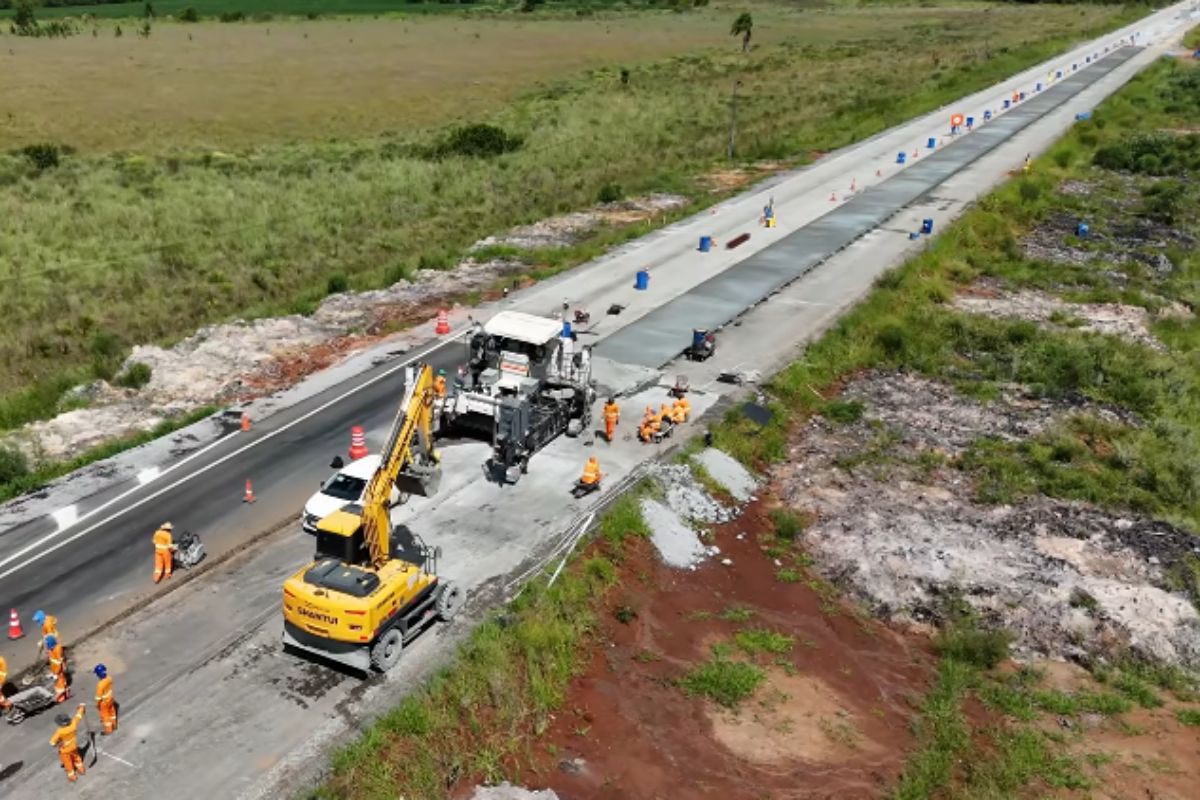
Restoration Of Rigid Pavement, Third Lanes, New Overpass, Bicycle Path And Expanded Bridge Promises To Transform PR-151 Into A Safe And Modern Corridor By July 2027
The PR-151 is undergoing one of the largest road transformations in Campos Gerais, in a corridor of approximately 32.7 kilometers between Ponta Grossa and Palmeira that is being completely restored with concrete. The highway, which already serves as a vital link for freight transportation and for the daily commute of thousands of drivers, is beginning to gain a new standard of road, wider shoulders, third lanes, and expanded special engineering works.
More than just “new asphalt,” the intervention on PR-151 combines rigid pavement technology, drainage improvements, and infrastructure expansion to provide greater safety, fluidity, and durability. The expected completion date is July 2027, with an investment of about R$ 258 million, in a project that includes a bicycle path, a new overpass in Palmeira, and widening of the bridge over the Forquilha River.
Concrete Corridor Between Ponta Grossa And Palmeira
The work on PR-151 covers the stretch from the junction with PR-438 in Ponta Grossa to the junction with BR 27 in the urban area of Palmeira, over an approximate length of 32.7 kilometers.
-
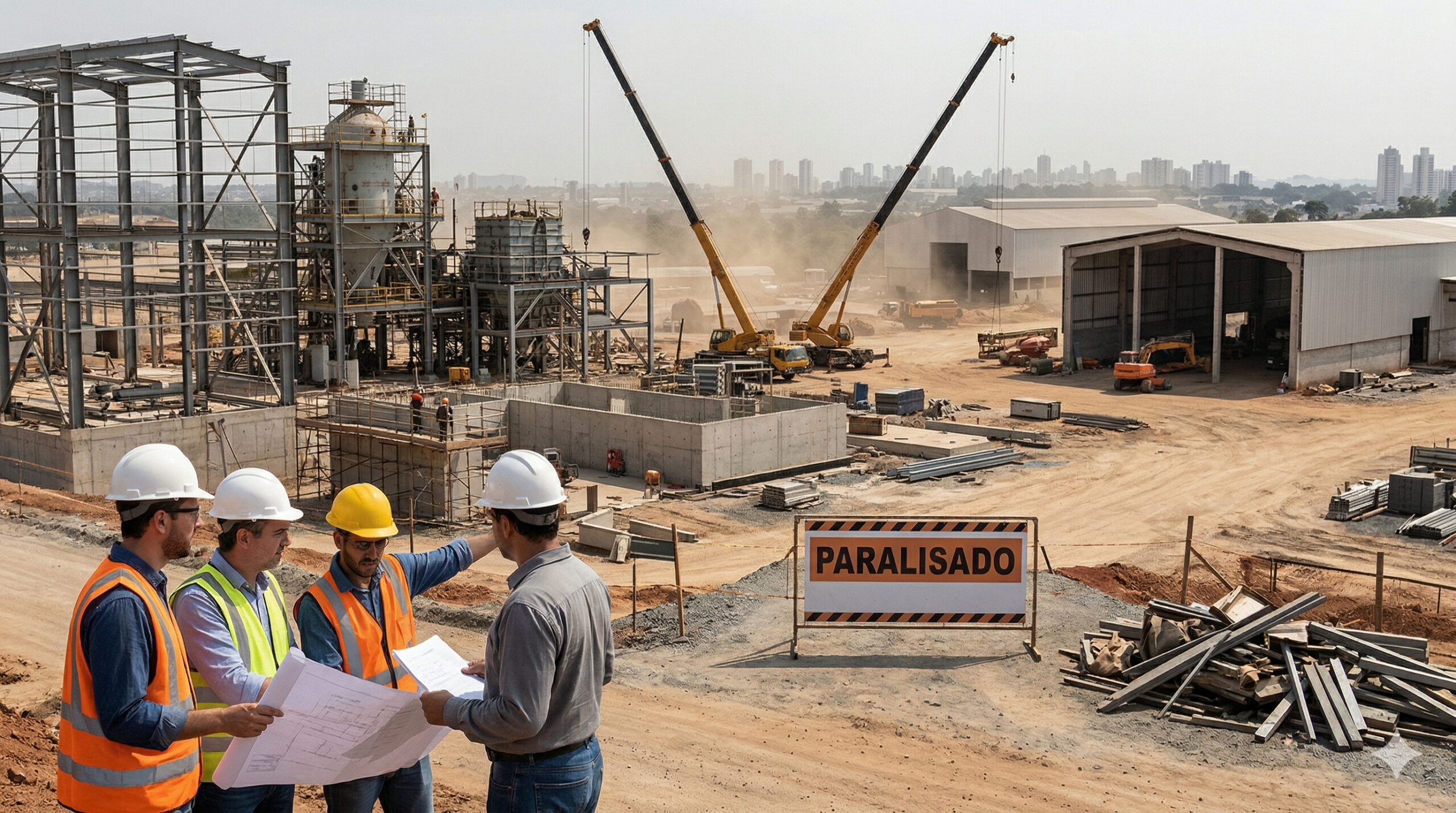
The lack of welders, electricians, and operators becomes a structural threat in 2025, with the construction industry and manufacturing already suffering from delays, cost pressures, and labor shortages in Brazil.
-
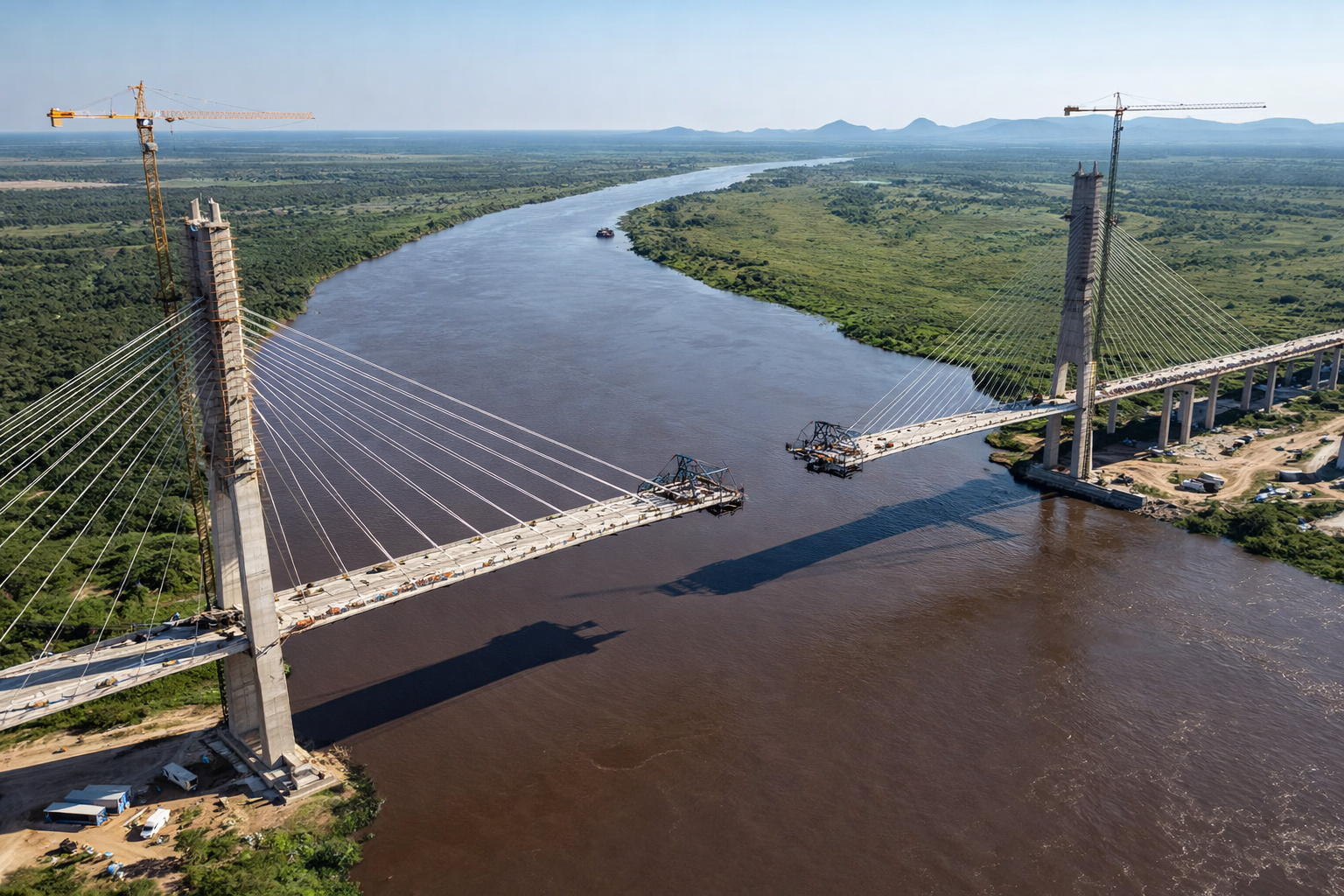
Brazil and Paraguay are just 46 meters away from a historic union on the bioceanic bridge that promises to revolutionize trade between the Atlantic and the Pacific.
-
With 55 km over the sea, a cost of US$ 20 billion, and enough steel to build 60 Eiffel Towers, China’s largest project has connected Hong Kong, Zhuhai, and Macau in a colossal bridge that defies the logic of engineering.

-
A trick with joint compound transforms a Styrofoam ceiling into a plaster-like ceiling: leveled panels, wires and mesh at the joints, sand, paint, and change the environment while spending little today.


This is a strategic axis that connects urban areas, industries, and one of the most productive agricultural regions in Paraná.
The main service is the execution of a new layer of rigid concrete pavement over the existing road, utilizing the current asphalt pavement as a base, following the necessary corrections and improvements.
Thus, PR-151 leaves the traditional standard of flexible asphalt and begins to operate as a true concrete corridor, designed to support the intense traffic of heavy trucks for much longer.
The goal is for PR-151 to establish itself as one of the best highways in the state in terms of surface quality and safety, making the investment in tolls and taxes return in the form of visible and lasting infrastructure for the user.
White Topping: The Tech Behind The New Pavement Of PR-151

The method adopted on PR-151 is known as white topping. In practice, engineers use the old asphalt as a structural base and lay a robust layer of high-performance concrete over it.
From the field images, one can see the significant thickness of this layer, which ensures the gain in strength and service life.
Unlike flexible asphalt, which tends to deform with heat and the concentrated weight of the wheels, the concrete pavement distributes the load of the trucks better, reducing the formation of old wheel tracks and potholes that plagued the stretch. This means less emergency maintenance and a more stable highway over time.
Another common concern is the noise during the ride. Modern engineering, with precise cutting of expansion joints and proper surface finishing, makes the ride smoother than older versions of concrete.
Additionally, the light color of the pavement reflects light from headlights better at night or in low visibility conditions, significantly increasing safety for those traveling on PR-151 during critical times.
Third Lanes, Shoulders And Modernized Drainage
The intervention on PR-151 is not limited to the main pavement. The widening of the highway platform is planned, with an increase in the lane widths to about 3.6 meters, which improves vehicle stability and lateral safety margin.
At the same time, shoulders of approximately 3 meters in width are being implemented in both directions, providing an adequate escape area for emergencies.
Another important point is the paving of about 15.2 kilometers of third lanes, distributed along critical stretches.
With this, slower vehicles, such as fully loaded trucks, can be overtaken more safely, reducing queues and avoiding risky maneuvers on inclines and segments of higher traffic.
In parallel, the new drainage system for PR-151 is being executed with deep and shallow drains, gutters, and downspouts, among other devices.
This invisible layer of the work is essential to preserve the subgrade, prevent infiltration, and stop water from compromising the pavement base, which is one of the main causes of deformations and potholes in old highways.
New Overpass, Expanded Bridge And Bicycle Path At The Access To Palmeira
As it approaches the urban perimeter of Palmeira, PR-151 also receives punctual interventions on special engineering works.
One of the highlights is the widening of the bridge over the Forquilha River by 4.8 meters, making way for the implementation of a pedestrian walkway and a bidirectional bicycle path.
This solution enhances the safety of those who need to cross the stretch on foot or by bicycle, integrating urban area and highway in a more friendly way.
In addition, the implementation of a new overpass at the junction of PR-151 with Rua 15 de Novembro, Rua Manoel Ribas, Rua Daniel Mansani, and Avenida Nassimba in Palmeira is planned.
The reconfiguration of this intersection aims to better organize local and highway flows, reducing conflicts and risk points in a stretch that concentrates urban and regional traffic.
With a bicycle path, walkway, expanded bridge, and new overpass, PR-151 is set to become a more complete axis, catering not only to freight vehicles and cars but also to those commuting within the municipality, whether by bicycle, on foot, or for short-distance travels.
Logistics, Agriculture And Safety In Everyday Life

PR-151 is often described as the logistical lifeblood of Campos Gerais, which helps to gauge the responsibility of keeping traffic flowing during the works.
Heavy machinery, field teams, and work fronts need to coexist with a heavy flow of trucks and light vehicles, which makes operational planning a constant challenge.
As the work progresses, the user of PR-151 needs to exercise patience to face temporary detours, speed reductions, and occasional delays, typical of a large construction site in full operation. In compensation, the improvements promise benefits for decades, with a more secure, stable highway prepared for the gradual increase in traffic.
This stretch between the Guaraji intersection and Palmeira cuts through one of the most productive agricultural regions in Paraná, which means a direct impact for the rural producer.
With the modernized PR-151, the maintenance costs of trucks tend to decrease, travel time shortens, and delivery reliability increases.
It is the infrastructure keeping up with the strength of agriculture and regional industry, reducing bottlenecks that have been a source of complaints from drivers and transport companies for years.
By the end of this construction package, the expectation is that PR-151 will establish itself as a true concrete corridor between Ponta Grossa and Palmeira, integrating highway, city, pedestrians, and cyclists into a more robust solution for mobility and logistics.
Aerial images and visual monitoring of the work on PR-151 were produced by the channel Paraná Drone, specialized in documenting works, cities, and landscapes in Paraná.
And you, do you believe that this transformation of PR-151 will solve the main issues of safety and fluidity on the stretch between Ponta Grossa and Palmeira, or will new interventions still be necessary in the coming years?








-

Uma pessoa reagiu a isso.