





 Portuguese
  English
  Spanish
  7 min of reading
  0 comments


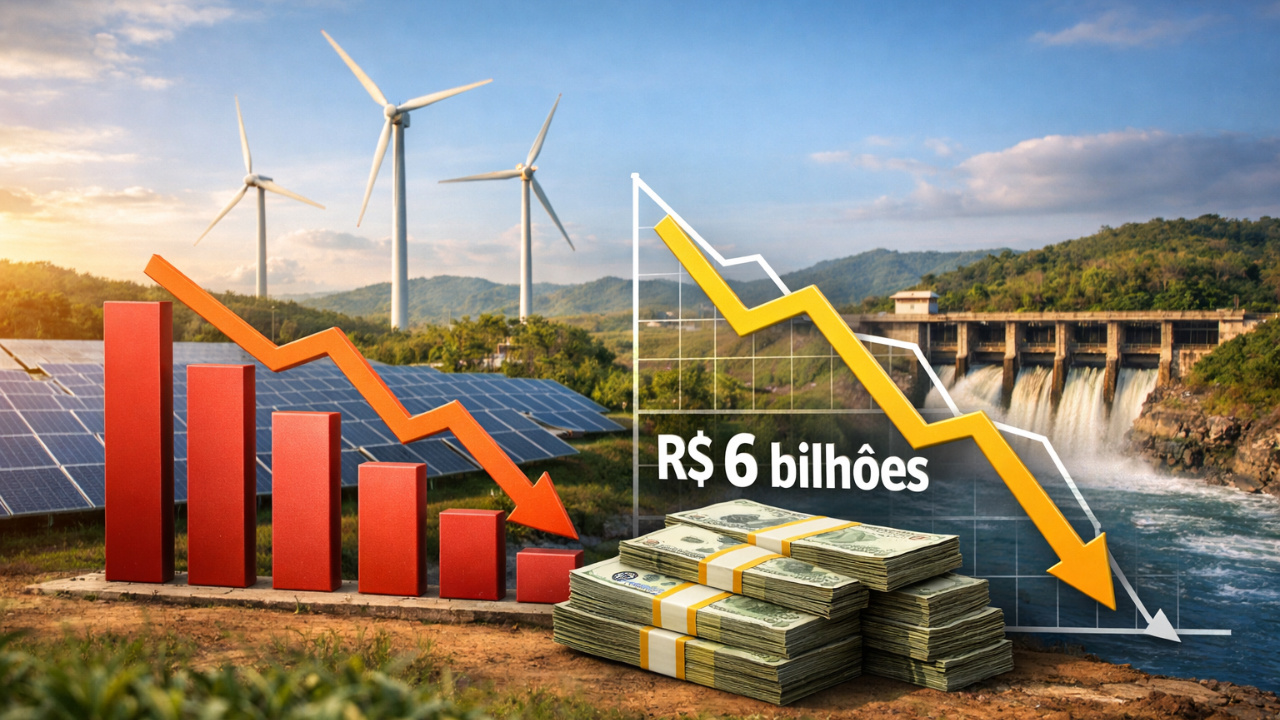
Brazil Wasted More Than 20% Of Renewable Energy In 2025, Leading To Billion-Dollar Losses And Revealing Structural Challenges In The Operation Of The Electric System.
The year 2025 established Brazil as one of the largest global powers in renewable energy. At the same time, it revealed a growing contradiction in the national electric sector. Even with strong expansion of solar and wind generation, a significant portion of this clean energy was not utilized.
Data from the report Curtailment 2025: Retrospective and Projection, prepared by Volt Robotics, shows that 20.6% of all solar and wind energy available in the country went unutilized throughout the year. The waste, concentrated between January and December, resulted in estimated economic losses of over R$ 6 billion.
The phenomenon, known as curtailment, occurs when the system operator needs to reduce available generation due to technical or operational limitations.
-
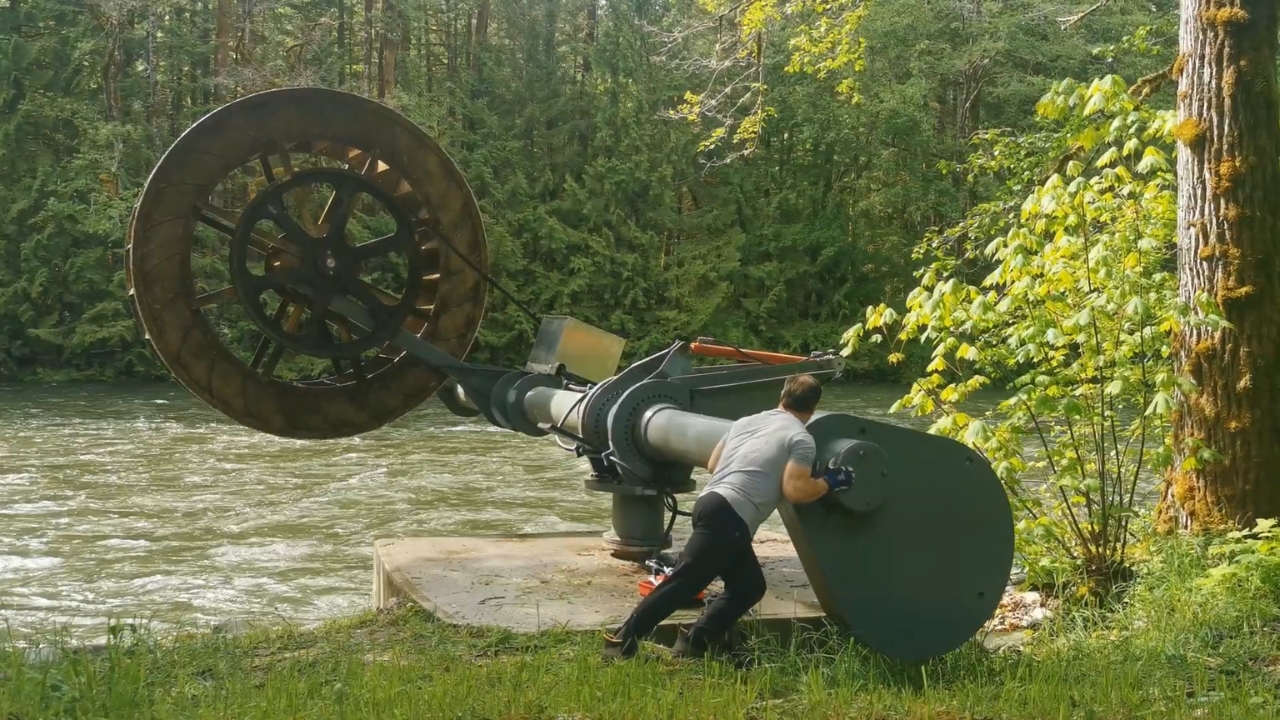
A Canadian retiree creates a hydroelectric system on a real river, generating energy continuously throughout the day and demonstrating how the power of water can supply a house with stability even in a simple structure.
-
Petrobras reaffirms its commitment to the market and ensures that it will carry out the energy transition safely to maintain national sovereignty.

-
Researchers discover a possible hydrogen deposit of up to 46 million tons beneath an ancient coal basin, and the volume could exceed half of the entire global production.

-
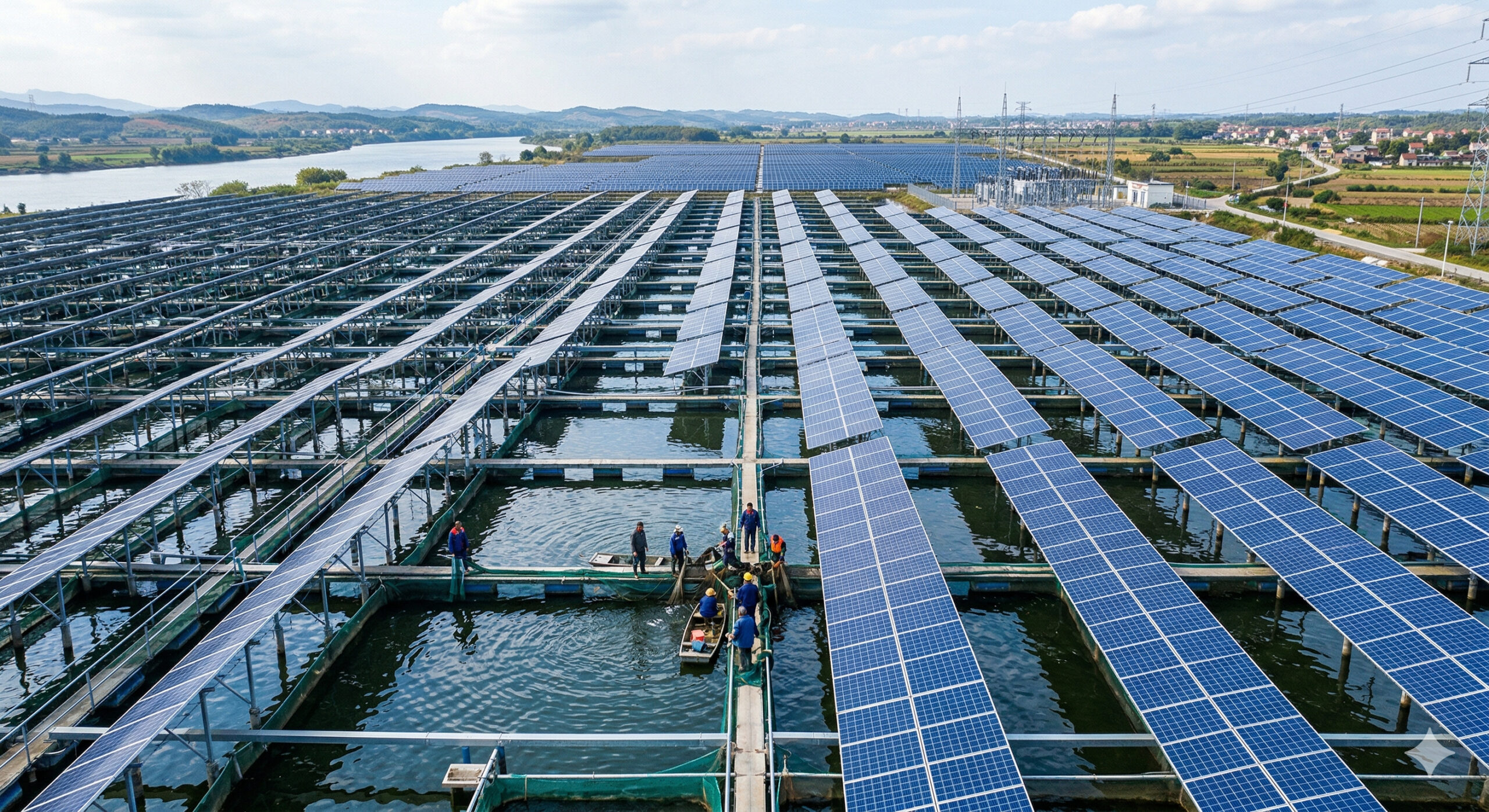
China bets on the Fishery-PV model and transforms fish farms into giant solar plants, covering ponds with panels that generate energy while utilizing the same space for large-scale aquaculture production.

In 2025, this mechanism reached unprecedented levels, raising alarms about the sustainability of the current model of renewable energy expansion in Brazil.
Overload Of The Electric System Reveals Discrepancy Between Generation And Consumption
The accelerated advancement of renewable sources occurred at a pace faster than the adaptation of the electric system. Solar generation, in particular, experienced intense growth in recent years, driven by both large plants and micro and mini distributed generation connected to the distribution networks.
However, investments in transmission and planning did not keep pace with this expansion. As a result, the system began to face difficulties in absorbing all the generated energy, especially during peak solar production hours.
For Donato da Silva Filho, general director of Volt Robotics, the wasted volume cannot be treated as secondary. “We are talking about clean energy that could supply homes, industries, and hospitals, but was simply thrown away”, he says.
Mornings Concentrate The Highest Volume Of Generation Cuts
According to the study, the cuts were largely concentrated in the early hours of the day. Between 10 am and 11 am, when solar generation peaks, the system often cannot find enough load to absorb all the available energy.
“The cuts occur mainly in the morning because there is an excess of generation, especially from solar, between 10 am and 11 am. At that moment, either there is not enough load to absorb all this energy or the transmission system cannot evacuate it”, Donato explains.
The survey indicates that curtailment in 2025 was practically divided into two main causes. Half occurred due to oversupply of energy, when consumption does not keep up with generation. The other half resulted from limitations in transmission infrastructure.
Distributed Generation Accelerates Structural Problem
The expansion of distributed generation played a central role in this scenario. Solar panels installed in homes, businesses, and small industries grew rapidly, driven by attractive compensation rules and regulatory incentives.
However, this mode practically does not respond to price or location signals. Energy is injected into the grid regardless of the system’s capacity to absorb it at that moment.
For Professor Ivan Camargo from the University of Brasília (UnB), the increase in curtailment reflects a structural problem associated with the energy transition. “This is happening worldwide. It is a structural problem”, he emphasizes.
Installed Capacity Exceeds The Systems Load At Noon
Data from the National Electric System Operator (ONS) indicates that Brazil currently has about 60 gigawatts of installed solar capacity and 33 gigawatts of wind energy. This volume exceeds the load of the system during peak daytime hours.
According to Camargo, simply expanding transmission lines does not solve the problem. “There is no transmission line that can solve this problem. Transmitting energy requires that there is load on the other side, and that load simply does not exist at noon, which is precisely when solar generation peaks”, he states.
In the short term, the trend is for cuts to continue. In the long term, the solution involves creating new loads and technologies capable of absorbing excess energy, such as storage systems.
The Second Half Concentrated The Worst Moments Of 2025
The report from Volt Robotics indicates that curtailment intensified throughout the second half of the year. August, September, and October recorded consecutive records of renewable generation cuts.
In October, the average volume of cut energy reached approximately 8,000 MW, an amount equivalent to the average generation of the Itaipu Plant. According to Donato, this was the peak of a cycle of imbalance that had been forming.
“It was the maximum point of a cycle that had been forming, resulting from the combination of the accelerated growth of renewables, network limitations, and lack of adequate planning to deal with the surplus of energy”, he evaluates.
Relief At The End Of The Year Was Just Conjunctural
In November, there was a partial retreat of cuts. The average volume fell to 4,600 MW, and the financial impact decreased to around R$ 700 million, compared to R$ 1.1 billion recorded in October.
Until mid-December, the cuts remained around 1,700 MW on average. Despite the improvement, the movement did not represent a structural solution.
“The reduction at the end of the year occurred largely because wind generation decreases with the end of the wind season. It is not a structural correction of the problem”, Donato points out.
Sundays Become The Stress Test Of The Electric System
The study identified a recurring pattern in the most critical moments. Sunday mornings concentrated a large part of the system’s stress situations, when consumption is lower and the availability of renewable generation remains high.
“Sunday has become a true stress test for the electric system”, Donato says. “It is when the weaknesses of the network and operation become more evident.”
Based on a security metric that requires at least 20% of potential generation to be uncapped, Volt Robotics identified 16 critical days in 2025. On some of these days, more than 80% of the available generation was cut during late morning.
Risk Of Blackout Due To Excess Energy Enters The Radar
Although it may seem contradictory, excess energy can also lead to blackouts. According to the general director of Volt Robotics, the risk exists when distributed generation continues to inject energy even after centralized generation cuts.
“There is indeed a risk of blackout due to excess energy. If all centralized renewable generation is cut and there is still a surplus, especially from distributed generation, the system may collapse”, he warns.
The end of the year exacerbates this risk. The drop in consumption can reach 8,600 MW on average, increasing the likelihood of significant operational imbalances.
Debate Over Who Pays For The Waste Gains Strength
The cost of curtailment has become a central theme in the reform of the electric sector, enacted in November. The discussion involves who should bear the financial losses caused by cuts in renewable energy.
The Minister of Mines and Energy, Alexandre Silveira, stated that the government vetoes prevented consumers from absorbing an additional estimated cost of R$ 6 billion.
“It would be an impact of R$ 6 billion for the consumer, which is why we vetoed the energy part. But we will continue discussing a solution that gives security to investors, based on global standards”, he stated on November 25, during the Roda Viva program on TV Cultura.
Reimbursement To Generators Divides Opinions
The government maintained compensation only in cases where energy could not be transmitted due to network infrastructure failures. For Silveira, in these cases, reimbursement is legitimate.
“It’s like someone trying to reach their destination via a road full of potholes. When the State fails to build, it must reimburse that investor”, he added.
The discussion involves balancing tariff moderation, legal security, and predictability for new investments in renewable energy.
Lack Of Economic Signal Aggravates Problem, Evaluates FGV
For Diogo Lisbona, researcher at the Center for Studies in Regulation and Infrastructure at FGV (FGV-CERI), addressing curtailment requires deeper regulatory and policy decisions.
According to him, distributed generation operates practically without price or location signals. “Today, distributed generation hardly sees price or location signals. It is possible to install panels at any point in the grid, with guaranteed remuneration, and the operator has to absorb that energy”, he says.
Lisbona advocates for prices with greater locational granularity, a review of compensation rules, and integration with storage systems.
Emergency Measures Begin To Be Adopted
In light of the worsening problem, Aneel and ONS formally recognized the risk and approved an Emergency Plan. Among the measures under discussion is the automatic application of the white tariff for large low-voltage consumers.
Historically, voluntary adherence to the white tariff has been less than 0.1% of the eligible public. For Donato, institutional recognition represents a step forward. “This institutional recognition is a milestone. It shows that the problem exists, is relevant, and requires concrete measures”, he evaluates.
Among the structural solutions are transmission works that should connect the Northeast to the South and Southeast between 2029 and 2030, in addition to encouraging consumption during times of high renewable energy supply.





Seja o primeiro a reagir!