





 Portuguese
  English
  Spanish
 4 min of reading
  0 comments


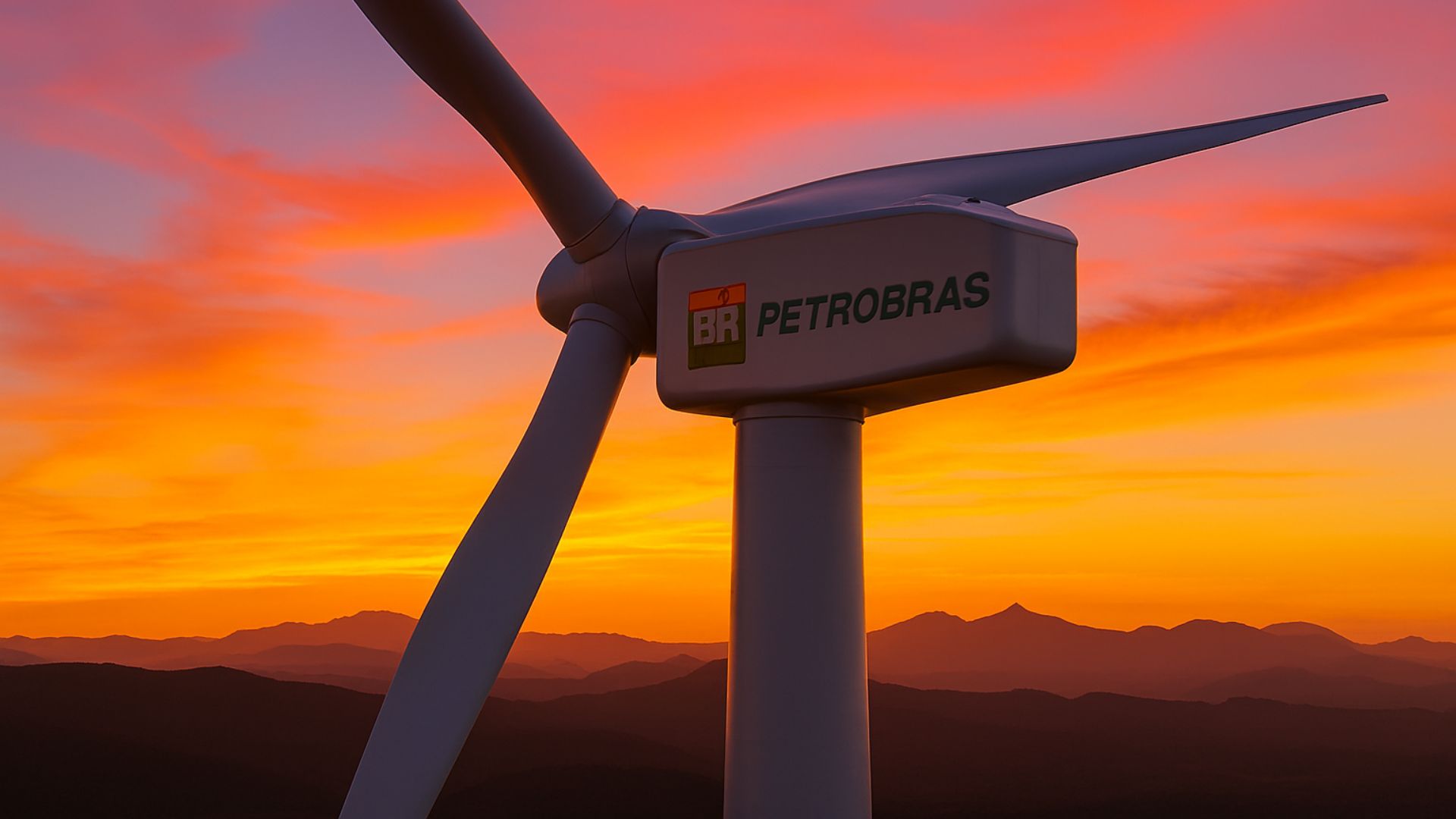
Brazil Advances In Wind Energy With The Operation Of The Largest Onshore Wind Turbine In The Americas. In A Unique Partnership, Petrobras, WEG, And Statkraft Boost Innovation And Sustainability In The National Electric Sector
On this emblematic date, the largest onshore wind turbine in the Americas was officially put into operation, the result of a strategic collaboration between Petrobras, WEG, and Statkraft.
Installed at the Seabra Wind Farm, in the Brotas de Macaúbas Complex, in Bahia, the 7 MW installed capacity equipment represents a technological and sustainable advance for the wind energy sector in Brazil.
Angélica Laureano, Director of Energy Transition and Sustainability at Petrobras, stated that this advance represents a significant milestone, consolidating the technical and practical knowledge acquired throughout the project as a basis for future initiatives in renewable generation.
-
Giant of the winds in Rio Grande do Norte: Serra do Tigre Wind Complex receives new investments and accelerates the expansion of clean energy generation to supply millions of Brazilian homes.
-
Urgent energy transition: Greenpeace advocates for massive investments and points to Brazil as a global leader in wind energy production in the coming years.
-
Conflict in the Sertão: Rural communities in Rio Grande do Norte report issues with wind farms and the new challenges of clean energy in the semi-arid region.
-
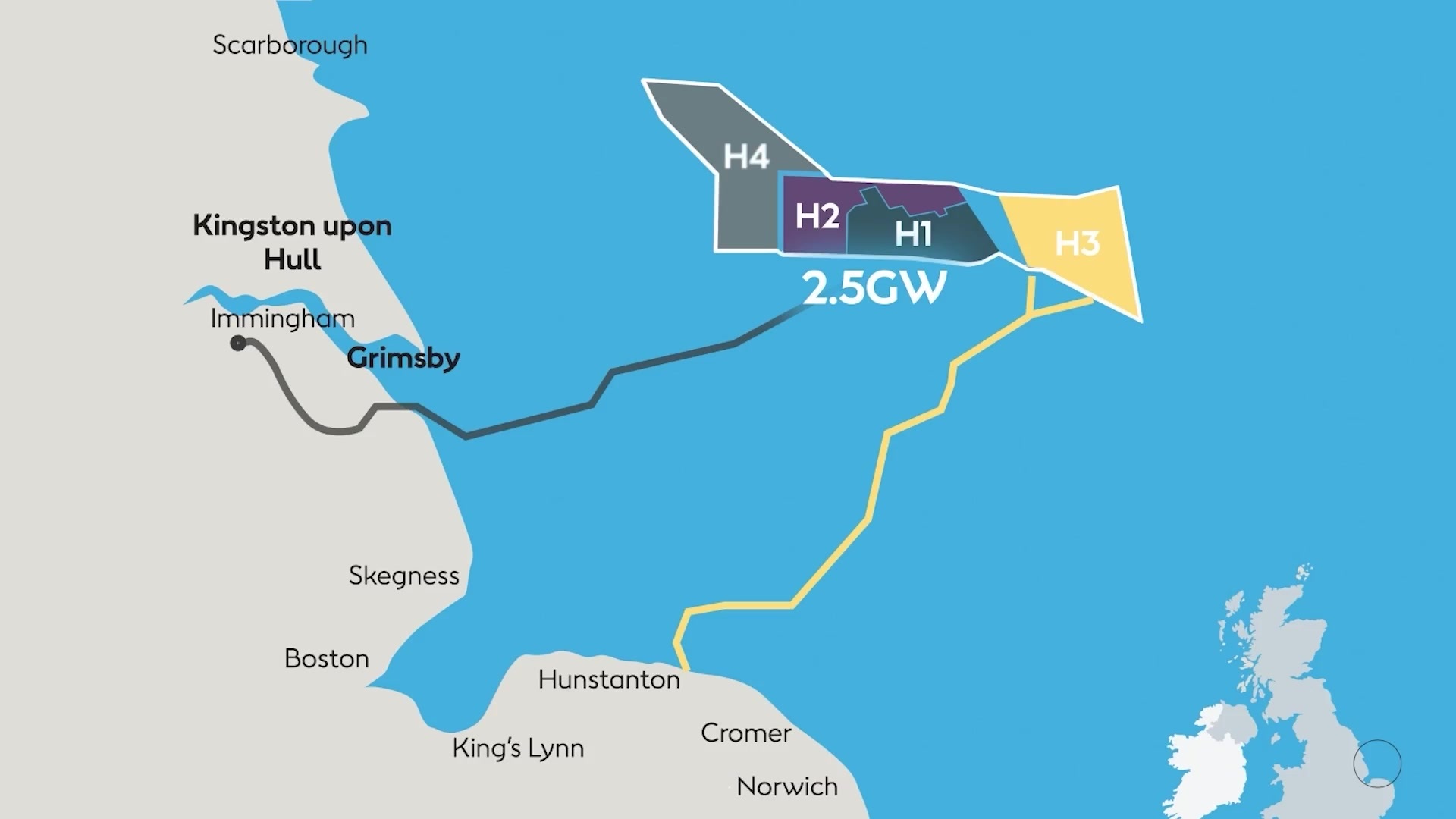
231 turbines of 260 meters at 160 km from the coast, monopiles weighing as much as nine blue whales embedded in the North Sea, and a crane ship taller than the Eiffel Tower: Hornsea 3 will be the largest offshore wind farm on the planet by 2027, and its first components have already arrived in England.

Innovation In Wind Energy: What Makes This Wind Turbine A Milestone
The wind turbine developed by WEG and acquired by Statkraft, with financial and technical support from Petrobras, is capable of generating about 2,500 MWh per month, equivalent to the annual consumption of approximately 15 thousand Brazilian households.
With a height of 220 meters and weighing 1830 tons, the equipment surpasses previous models in scale and efficiency, consolidating Brazil as a reference in energy innovation and sustainability.
In addition to its power, the project stands out for the national engineering involved, the integration between leading companies in their segments, and the capability for large-scale replication.
Strategic Partnership Between Petrobras, WEG, And Statkraft
The initiative originated from an agreement signed in 2023 between Petrobras and WEG, focusing on Research, Development, and Innovation (R&D), as outlined in the ANP concession contracts. The project benefited from R$ 130 million from Petrobras, along with support from BNDES and the Ministry of the Environment.
Statkraft, the largest renewable energy generator in Europe, entered as a customer of WEG and was responsible for installing the wind turbine at the Bahian wind farm. According to Thiago Tomazzoli, CEO of Statkraft, this collaboration strengthens the transition to a more sustainable energy matrix and inaugurates a new level of excellence in the national electric sector.
This collaboration among three giants in the energy sector reinforces Brazil’s potential role as a leading player in the transition to renewable sources.
Efficiency And Impact Of The Largest Onshore Wind Turbine In The Americas
In addition to its impressive generation capacity, the 7 MW wind turbine brings operational and economic benefits:
- Reduction In Energy Costs: higher production per unit of occupied area.
- Optimization Of Land Use: less need for multiple wind turbines.
- Lower Installation And Maintenance Costs: savings in scale and logistics.
- Utilization Of The Region’s Wind Conditions: high productivity in the interior of Bahia.
These factors make the equipment a strategic solution for future wind energy projects, especially in regions with high wind potential.
WEG And National Engineering In Wind Energy
Founded in 1961, WEG is a Brazilian company with global operations in electro-electronic equipment. With commercial presence in over 135 countries and industrial operations in 18, the company employs over 47 thousand employees and achieved a net revenue of R$ 38 billion in 2024, with 57% coming from international sales.
The company plans to mass-produce the equipment, according to market demand for new wind projects, which could further boost the national industry.
Petrobras And The Energy Transition Focusing On Wind Energy
Petrobras has been increasing its investments in low-carbon projects, focusing on energy diversification. The partnership with WEG and Statkraft reinforces this commitment, allowing the state-owned company to acquire technical and strategic knowledge for future projects in wine energy.
Renata Baruzzi, Director of Engineering, Technology, and Innovation at Petrobras, stated that by participating in the development of a new generation of technologies, Petrobras strengthens its efforts in expanding and diversifying the country’s energy matrix.
This movement aligns with the company’s strategic plan, which foresees robust investments in renewable sources by 2030, with an emphasis on offshore wind and solar.
Statkraft And Its Leadership In Renewable Energy
With over 7 thousand employees in 20 countries, Statkraft is a global reference in hydro and renewable energy. In Brazil, it has 2.2 GW of installed capacity and is involved in energy trading with a diverse portfolio of industrial and commercial clients.
The company is a pioneer in offering traceable energy through the International Renewable Energy Certificate (I-REC), reinforcing its role in the national energy transition. The acquisition of the 7 MW wind turbine from WEG strengthens its strategy for expansion and innovation in the Brazilian market.

The Future Of Wind Energy In Brazil With Petrobras, WEG, And Statkraft
The operation of the largest onshore wind turbine in the Americas marks a significant advance in national engineering and the Brazilian energy transition. The partnership between Petrobras, WEG, and Statkraft demonstrates how strategic partnerships can generate innovative, sustainable, and economically viable solutions.
This project not only raises the technological standard of wind energy in the country but also strengthens the commitment to a cleaner and more efficient future.
With the potential for large-scale replication, the 7 MW wind turbine inaugurates a new era for the Brazilian electric sector, consolidating Brazil as a leading player in renewable energy production. The initiative also serves as a model for future collaborations between public and private companies, accelerating the development of green technologies and the decarbonization of the national energy matrix.








Seja o primeiro a reagir!