





 Portuguese
  English
  Spanish
  5 min of reading
  1 comment


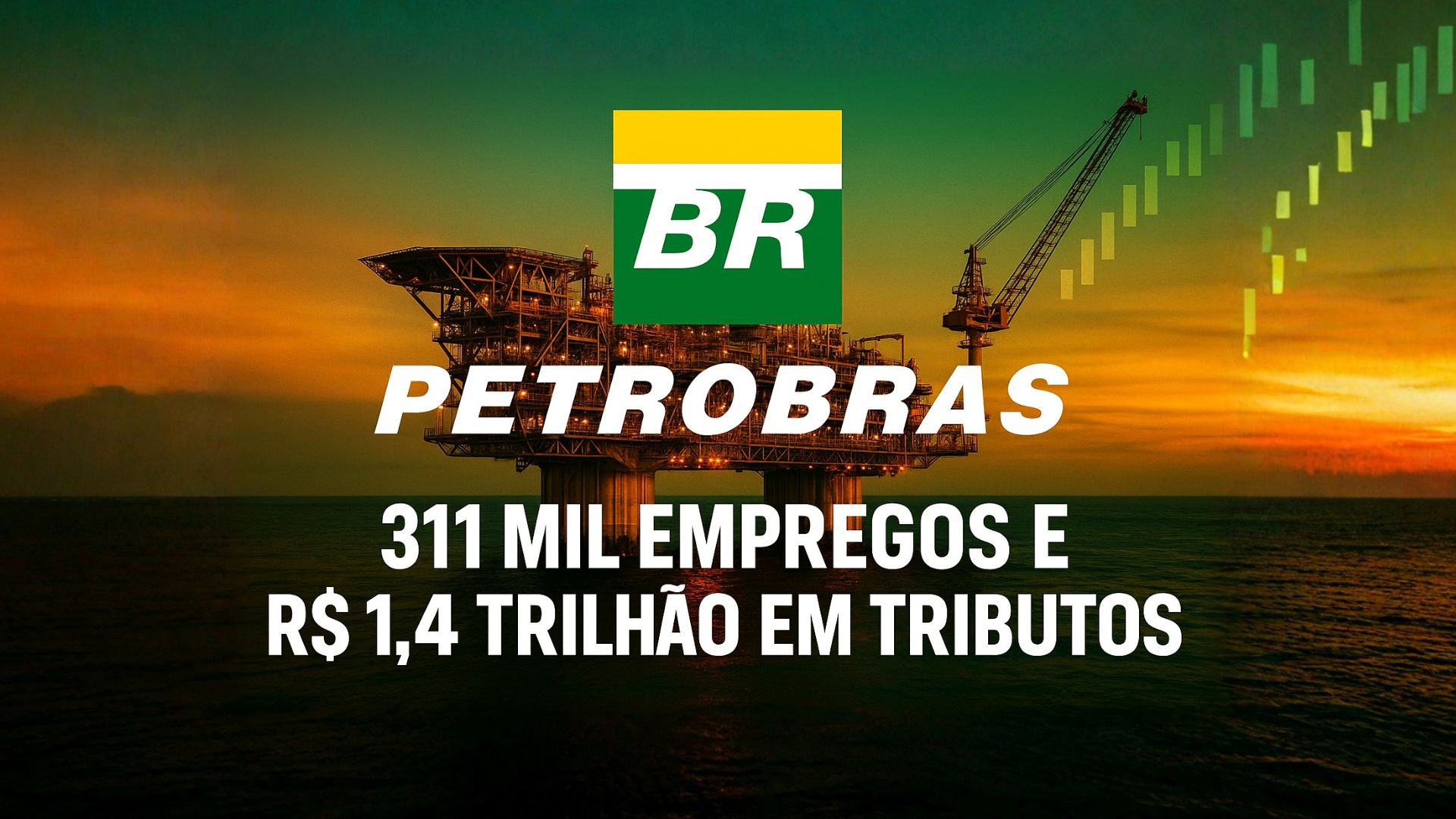


Petrobras Billion-Dollar Plan Projects Strong Impact on the Economy, Stimulus to Productive Chains and Fiscal Reinforcement While Expanding Investments in Oil, Gas and Low-Carbon Projects.
Petrobras has approved the Business Plan 2026–2030 with an investment forecast of US$ 109 billion, an estimated generation and support of 311 thousand direct and indirect jobs in the country and an expectation of transferring R$ 1.4 trillion in taxes to municipalities, states, and the Union over the next five years, a period that coincides with the new plan’s horizon.
The company’s Board of Directors approved the document in a meeting held on Thursday (27/11), according to the company.
The plan replaces the previous cycle (2025–2029), which forecasted US$ 111 billion in investments, and represents a reduction of about 1.8% in the total value, while maintaining a strategy focused on oil and gas combined with the expansion of low-carbon business and energy transition.
-
End of the 6×1 schedule: how the reduction of hours can affect service companies, industry, and agribusiness.

-
Brazil Ignores Trump’s threats to BRICS, Buys 42 tons of gold and reduces the Dollar’s share by 6.45% in international reserves.

-
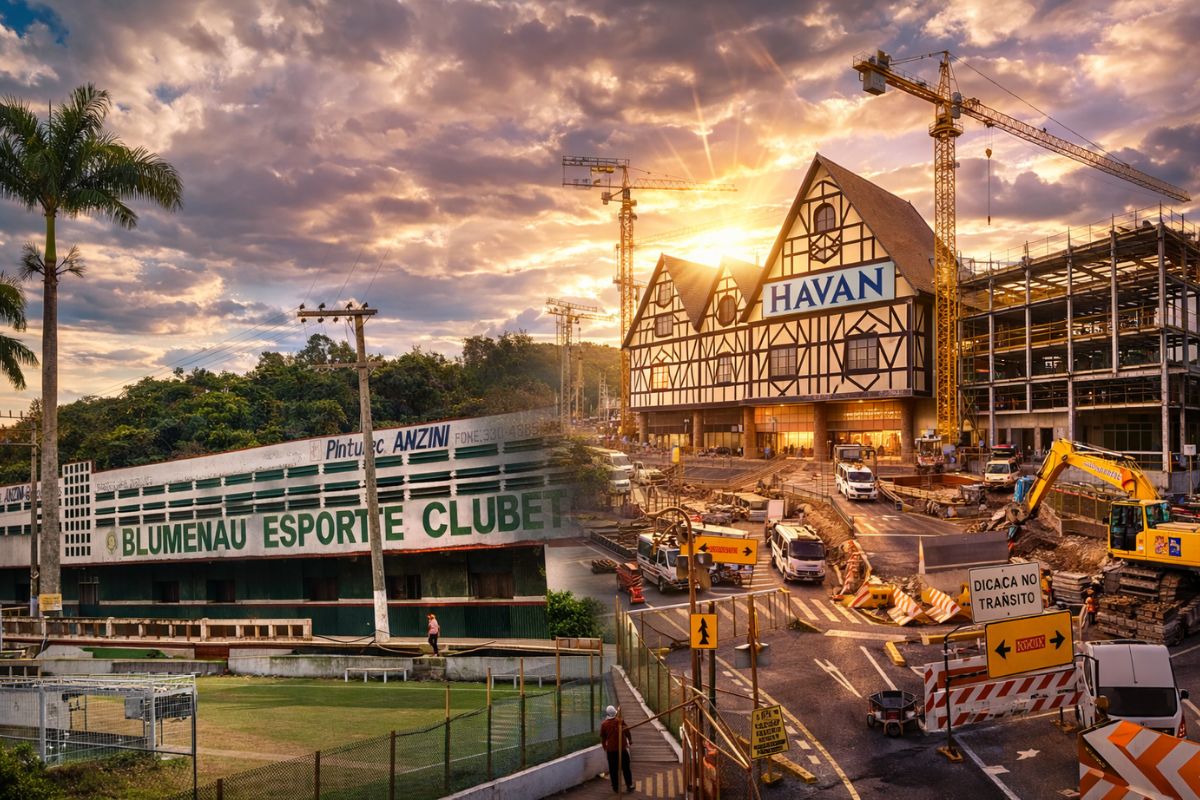
Havan buys historic football land in Blumenau for a million-dollar amount protected by a confidentiality clause and is already planning to change even the layout of streets to build a megastore in half-timbered style costing 80 million reais.
-
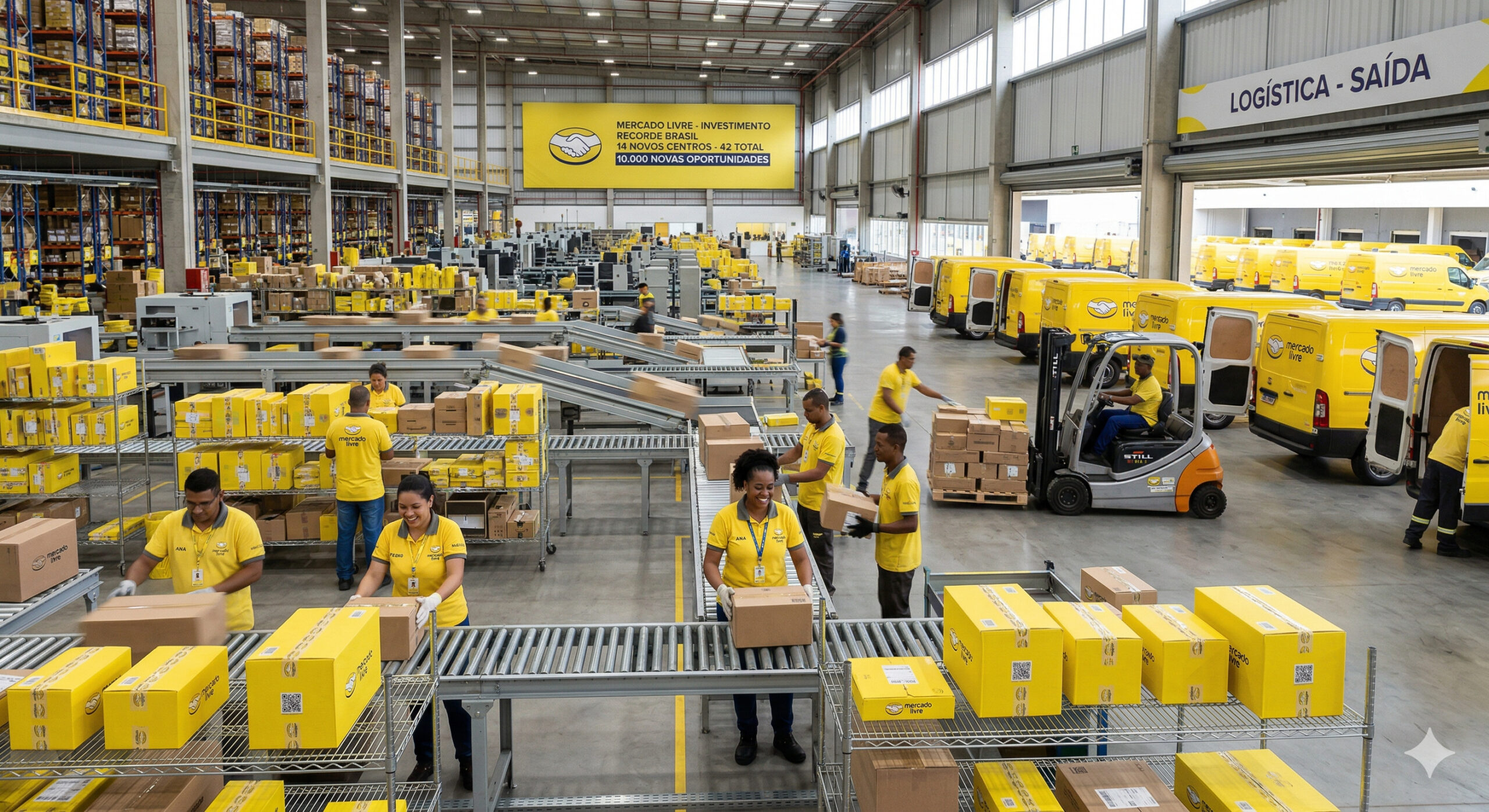
Mercado Livre “opens the vault” and announces a record investment of R$ 57 billion in Brazil in 2026, a value 50% higher than the previous year, with an expansion plan that includes 14 new logistics centers, totaling 42 units in the country and hiring an additional 10,000 employees.

Of the approved amount, US$ 91 billion is linked to projects already underway, while US$ 18 billion makes up the so-called Portfolio Under Evaluation, which consists of initiatives still in the early stages of studies and that may advance as they gain technical and economic maturity.
Investments and Jobs in the New Petrobras Plan
According to Petrobras President Magda Chambriard, the volume of planned investments carries significant weight in the domestic scenario.
The company estimates that the plan represents approximately 5% of all investments made in Brazil, considering projections for the duration of the document.
“Our investments represent about 5% of all investments made in the country. Our projects have the potential to generate and sustain 311 thousand direct and indirect jobs in the coming years,” the executive stated while commenting on the plan.
The majority of these jobs are expected to arise in chains directly linked to the state-owned company’s activities, such as oil and gas exploration and production, refining, logistics, and construction and maintenance of productive units.
In parallel, there is an expectation of stimulation to sectors such as shipbuilding, metallurgy, specialized services, shipping and land transport, in addition to engineering and technology.
Fiscal Contribution and Impact on States and Municipalities

In addition to the impact on the labor market, Petrobras projects a strong fiscal contribution.
The company estimates to transfer about R$ 1.4 trillion in taxes to federal entities over the next five years, a figure that includes taxes, royalties, and government participations related to the production and commercialization of oil, gas, and derivatives.
These resources strengthen the cash flow of municipalities, states, and the Union and help finance public policies in areas such as health, education, social assistance, and infrastructure.
The state-owned company associates this estimate with the profile of the projects planned in the plan, concentrated in assets with higher cash generation and productivity, especially in the pre-salt.
Structure and Priorities of the Business Plan 2026–2030
To ensure financial flexibility, the new Business Plan adopts a two-step model within the so-called Portfolio Under Implementation.
The “Base Implementation Portfolio” includes US$ 81 billion allocated to projects already approved in the plan’s budget, even if not all are sanctioned for execution.
The “Target Implementation Portfolio” incorporates, in addition to these projects, another US$ 10 billion that will depend on budget confirmation and financing analyses throughout the period.
The release of these additional resources will be periodically reviewed, based on cash flow projections, oil prices, currency exchange, and the company’s level of debt.
Overall, the plan points to investments concentrated in oil and gas exploration and production, expansion and modernization of the refining park, logistics, natural gas, and initiatives in low-carbon energies and products, as well as industrial projects, such as the completion of the Nitrogen Fertilizers Unit in Três Lagoas (MS).
Productive Chains Stimulated by New Projects
The execution of the plan tends to mobilize different productive chains linked to heavy industry.
Petrobras foresees the hiring of platforms, rigs, support vessels, cabotage ships, pipelines, subsea equipment, and engineering services, creating demand for companies in shipbuilding, metalworking, welding, electrical systems, automation, logistics, and port services.
These orders typically generate jobs both in large urban centers and in regional industrial hubs, in producing states and in regions with a strong company presence, such as the Southeast coast, Northeast, and South of the country.
The state-owned company believes that the combination of new projects with operational efficiency gains can maintain a high level of activity in shipyards, logistics bases, and companies providing specialized goods and services.
Energy Transition and Supply Security

While maintaining the focus on oil and gas as the main source of revenue in the short and medium term, Petrobras states it will continue to expand initiatives related to energy transition and the decarbonization of its operations.
The plan allocates part of the resources to projects on biofuels, ethanol, biodiesel, biogas, sustainable aviation fuels (SAF), and renewable diesel, in addition to actions to reduce emissions in production and refining units.
The company also projects investments in improving the efficiency of its refineries, with modernization of units to produce lower sulfur and higher value-added fuels, and in projects aimed at producing derivatives with renewable content.
In parallel, the plan indicates the continuation of studies on technologies such as carbon capture and storage (CCUS), low-emission hydrogen, and renewable energies, such as solar and wind, in partnership with other sector agents.
According to the company, the goal is to reconcile leadership in oil and gas with internal supply security and gradual advancement in low-carbon businesses, respecting financing limits and capital discipline.
Workforce Training and Young Apprentice Program
Alongside the investment plan, Petrobras recently launched a new cycle of the Petrobras Young Apprentice Program 2025, with 715 vacancies distributed across 13 states and the Federal District.
The opportunities include locations such as São José dos Campos, in the interior of São Paulo, and other cities near the company’s operational and administrative units.
The program lasts for 21 months, with theoretical and practical training in partnership with the National Service for Industrial Learning (Senai).
The selected youth receive full minimum wage, transportation allowance, 13th salary, vacation, and FGTS deposits, in addition to the possibility of participating in complementary pension programs and health and wellness activities.
The initiative also provides for a quota for black people, indigenous people, quilombolas, people with disabilities, and youth in situations of social vulnerability, reinforcing the social dimension of the company’s actions.
Petrobras relates this type of program to the need to train a qualified workforce to sustain, in the medium and long term, the set of projects planned in the Business Plan 2026–2030.







Na torcida para dar certo!! Alavancar a economia e gerar oportunidades!