





 Portuguese
  English
  Spanish
 5 min of reading
  0 comments


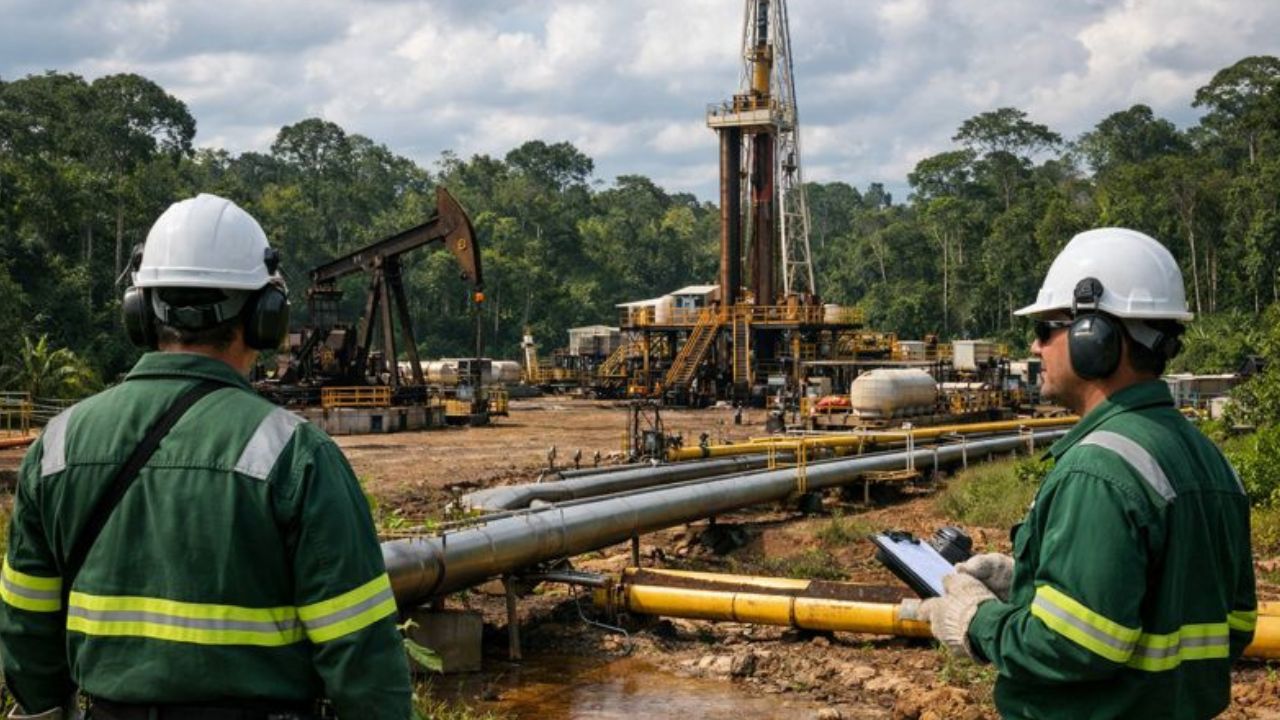
Petrobras Plans 22 Wells in the Amazon Starting in 2026 to Sustain Oil and Gas in AM and Ensure Supply to Manaus.
Petrobras announced plans to drill 22 new oil and natural gas wells in the Amazon starting in 2026, focusing on the Solimões Basin in Amazonas (AM).
The initiative aims to maintain production levels, compensate for the natural decline of older wells, and ensure energy supply for the North region, especially Manaus.
The strategy involves already known areas as well as locations with potential for new exploratory frontiers, combining productive expansion, complex logistics, and environmental commitments in one of the planet’s most sensitive biomes.
-
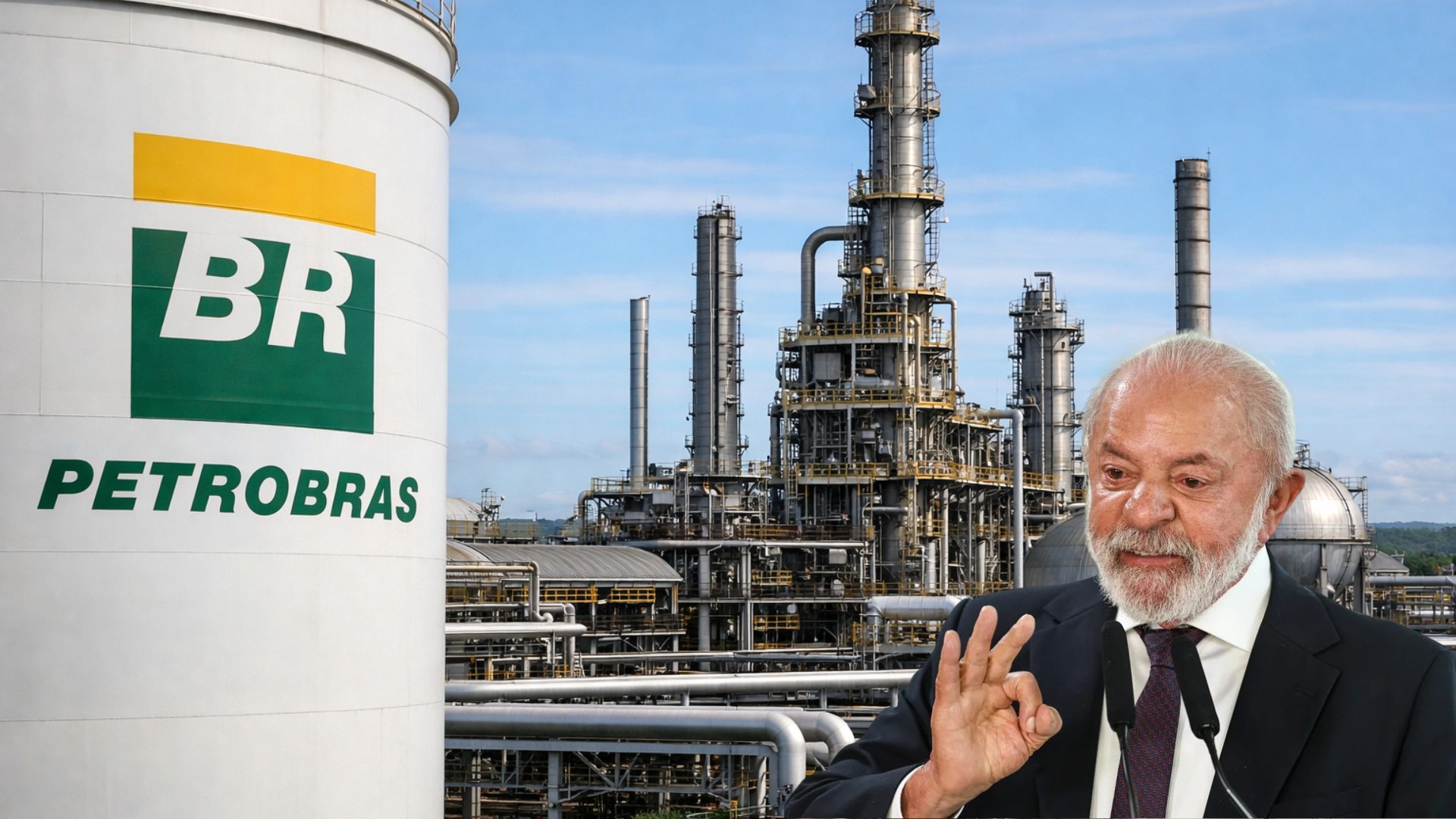
Lula reveals a masterstroke by Petrobras to undo a deal made by Bolsonaro, which involves the return of an important refinery that currently produces less than half of what was expected and makes Brazil dependent on international diesel.
-
A study confirms that the natural gas sector will reduce greenhouse gas emissions in Brazil by 0.5% and accelerate the energy transition by 2026.

-
Petrobras implements a severe adjustment and confirms a 55% increase in the price of aviation kerosene with a proposal for installment payments for the companies.

-
The rise in oil prices could ensure an extra revenue of R$ 100 billion for the Federal Government, indicates a recent economic study.



See More: Gasoline Reduction: Petrobras Lowers Price and Market Reacts
See More: Oil Price Fluctuates Between Winter Storms and US-Iran Crisis; Petrobras Reacts in Brazil
Petrobras Bets on New Wells in the Amazon to Sustain Oil Production
The decision to expand drilling in the Amazon comes at a key moment for the state-owned company. According to the general manager of the production and exploration base in Urucu (AM), Hilter Bandeira, 20 wells are expected to be drilled between January 2026 and 2030 in already mapped areas, while another two may open new exploratory fronts.
We approved these 22 wells. From them, we will have an idea of new projects and bring new investments to the region, Bandeira told CNN Brasil.
Thus, the company aims to sustain oil and natural gas production in light of the gradual decline observed in mature fields.
See More: Energy Transition in Brazil Exposes Challenge Between Renewable Energy and Consumption
See More: India Transforms Agricultural Waste into Fuel with LanzaTech Plant
Natural Decline of Wells Drives New Investments in AM
The exploration of hydrocarbons faces a known technical challenge: the decline curve. In simple terms, every well reaches a production peak and, over time, starts producing less. Therefore, Petrobras considers it essential to maintain a steady pace of new drilling.
All wells have a decline curve. You reach the peak and start to decrease gradually, explained Bandeira.
We have some assistance mechanisms that help maintain production, but we always need to be drilling to ensure our market and the delivery of gas to Manaus.
Still, the state-owned company acknowledges that there is no guarantee of success in all wells. Until the drilling is completed, the results remain uncertain, both from a geological and commercial perspective.
See More: How Venezuelan Oil Led from Wealth to Economic Crisis in Venezuela
Urucu: Strategic Oil and Gas Base in the Heart of the Amazon
Located in Urucu, about 650 kilometers from Manaus, the operational base is considered the largest onshore oil and gas reserve in Brazil. Currently, the region hosts about 100 wells, of which 75 are in production.
Access is one of the major challenges. There are no roads connecting Urucu to other cities, a deliberate choice to reduce environmental impacts and prevent unregulated occupation of the surroundings.
All logistics depend on pipelines, aircraft, and river transport, which increases costs but reinforces the preservation strategy.
Current Oil Production in the Amazon Has National Impact
Production in Urucu is around 105,000 barrels of oil equivalent per day, which accounts for approximately 3.5% of national daily consumption.
In addition, 13.5 million cubic meters of natural gas are extracted daily, a volume responsible for about 65% of the electricity consumed in Manaus.
Another highlight is the supply of cooking gas. Daily, around 80,000 gas cylinders leave the region to supply the North and part of the Northeast, reinforcing the strategic role of the Amazon hub in the country’s energy security.
Pipelines and Gas Pipelines Cross the Forest to Transport Oil
The transportation of production requires complex engineering. Oil and LPG travel 285 kilometers via pipelines to the municipality of Coari, from where they continue by ships and barges.
Natural gas, on the other hand, reaches Manaus directly through a 663-kilometer gas pipeline that crosses the forest.
This system allows reducing the need for road transport, which is nonexistent in the region, and limits the opening of new areas in the Amazon, aligning logistics and environmental preservation.
High-Quality Oil Increases Strategic Value of the Field
The oil extracted in Urucu is considered high quality, with low sulfur and metal content. Therefore, it is primarily directed to the production of refined products, such as diesel, gasoline, petrochemical naphtha, and aviation kerosene.
This profile increases the added value of Amazonian production and reinforces Petrobras’ interest in maintaining and expanding its operations in AM, even in light of logistical and environmental challenges.
Oil Exploration in the Amazon Started Last Century
The first searches for oil in the Amazon date back to the first half of the 20th century, when technology limited research to the riverbanks.
Persistence, however, brought results. In 1986, economically viable reserves were identified in Urucu, marking the beginning of production on a larger scale.
Since then, the state-owned company claims to adopt a model of exploration with minimal land occupation. According to the company, only 2% of the total concession area is used, keeping 98% of the native forest preserved.
Royalties and Economic Impact in the Municipality of Coari
The Urucu base is located in the municipality of Coari, which has just over 70,000 residents. The economic impact is significant.
In 2020, the city received R$ 58 million in royalties. In 2022, with oil prices at record levels, this amount more than doubled.
Since then, accumulated payments have exceeded R$ 274 million, resources that help finance public services and local investments, despite the structural challenges typical of isolated municipalities in the Amazon.
Life and Work on a Shift Basis in the Middle of the Forest
About a thousand employees work in Urucu on a shift basis, spending 14 days at the base and 21 days at home. To face isolation, the unit has accommodations, a gym, a medical clinic, a pharmacy, and leisure areas.
Nurse Francianne Giovanella, with 18 years of service at the base, highlights the strength of human relationships.
The people I work with are more than colleagues. We share routines, fears, and joys, she stated.
Reforestation and Energy Transition Are Part of the Strategy
After the end of activities at a well, the area undergoes reforestation with seedlings of native species produced in local nurseries. So far, more than 1.5 million seedlings have been planted.
The reuse of waste is also part of the operation. Organic waste becomes fertilizer, while other materials are sent for treatment in Manaus.
Looking ahead, Petrobras has set the goal of zeroing operational greenhouse gas emissions by 2050.
For Emanuela Santos, manager of the Carbon Neutral Program, “the preservation of the Amazon is the heart of Brazil’s climate management strategy,” emphasizing that the energy transition needs to ensure universal access to energy.







-

-

-

3 pessoas reagiram a isso.