





 Portuguese
  English
  Spanish
  3 min of reading
  0 comments



Petrobras Prepares To Announce A New Investment Plan Focused On Clean Energy, Including Green Hydrogen And Biofuels.
Are We On The Brink Of An Energy Revolution In Brazil?
Petrobras, globally known for its operations in oil and gas, is about to take a bold step towards renewable energy sources.
A strategy that could change the country’s energy landscape is on the horizon, but will the plan be able to generate the impact it promises?
-
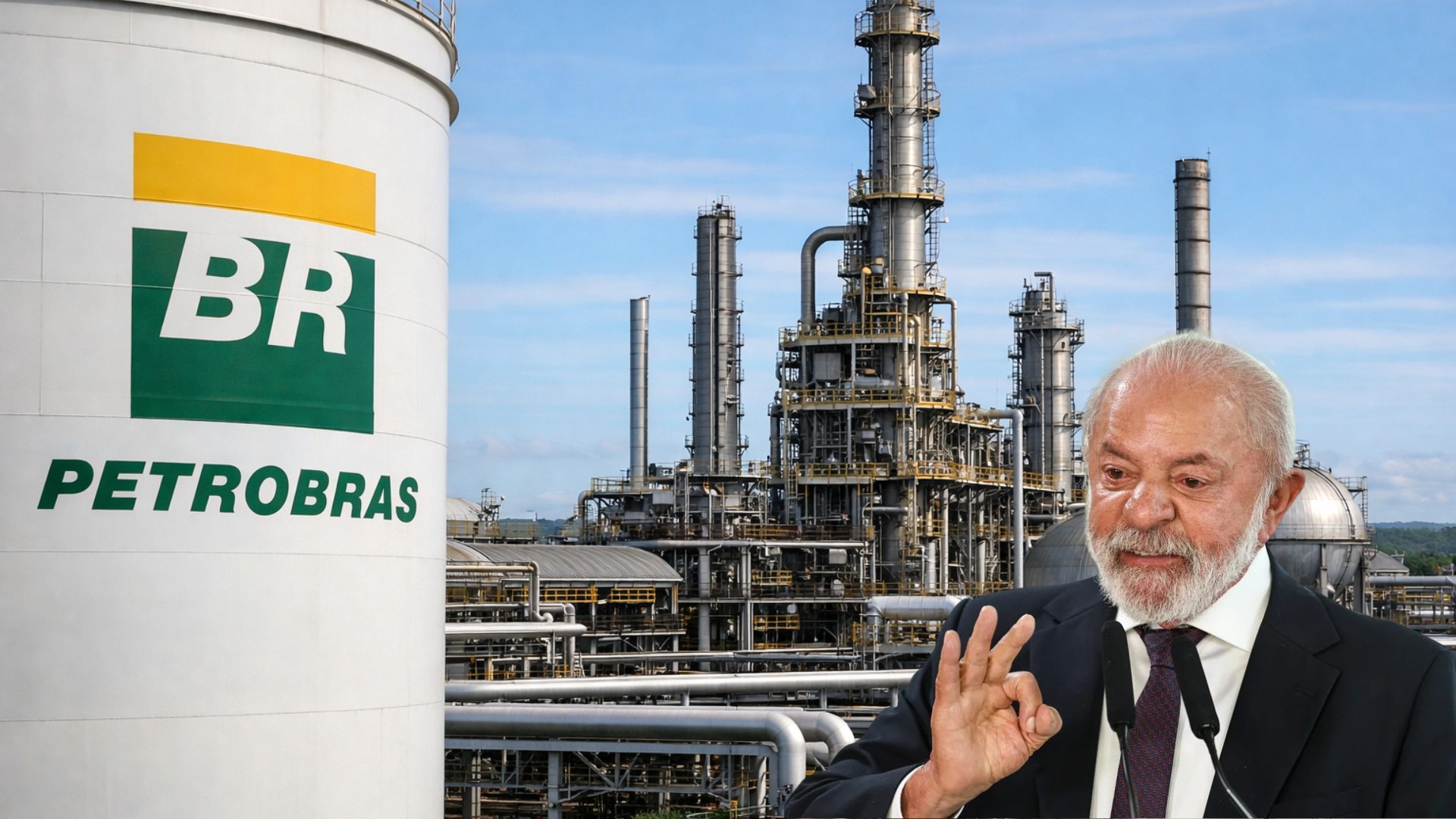
Lula reveals a masterstroke by Petrobras to undo a deal made by Bolsonaro, which involves the return of an important refinery that currently produces less than half of what was expected and makes Brazil dependent on international diesel.
-
A study confirms that the natural gas sector will reduce greenhouse gas emissions in Brazil by 0.5% and accelerate the energy transition by 2026.

-
Petrobras implements a severe adjustment and confirms a 55% increase in the price of aviation kerosene with a proposal for installment payments for the companies.

-
The rise in oil prices could ensure an extra revenue of R$ 100 billion for the Federal Government, indicates a recent economic study.


The director of Petrobras’ Energy Transition, Mauricio Tolmasquim, confirmed that the state-owned company will increase its investments in clean energy.
During a wind industry event in São Paulo this Tuesday (22), Tolmasquim announced that, by the end of November, Petrobras will unveil a new investment plan for the next five years.
This plan has the potential to cause a profound transformation, both in the financial market and in public policies in Brazil.
After all, the state-owned company remains one of the largest drivers of resources in the energy sector.
Petrobras’ Big Plan
According to Tolmasquim, although Petrobras is still predominantly an oil and gas company, the company’s future lies in increasingly incorporating renewable energies into its portfolio.
The strategy includes electricity generated from clean sources, such as solar and wind energy, as well as alternative fuels, like green hydrogen, biofuels, and even synthetic fuels, such as e-methanol.
The executive did not provide details on which of these fuels will receive the greatest immediate investments but suggested that negotiations are ongoing with renewable energy sector companies.
Strategic partnerships could accelerate the energy transition process, consolidating Petrobras’ role as a leader in the field of green energies.
Carbon Market: A Key Piece That’s Missing
Another crucial topic addressed by Tolmasquim was the regulation of the carbon market in Brazil, a topic that remains under discussion in the National Congress.
According to him, this mechanism is essential for the country to encourage its industry to adopt cleaner technologies and trigger a robust decarbonization process.
The lack of regulation has delayed progress in this market, but Petrobras seems ready to act as soon as the bill comes to fruition.
Tolmasquim emphasized that, with the carbon market properly implemented, the price difference between green hydrogen and that produced from fossil sources could be reduced, which would increase the competitiveness of clean energies.
Additionally, Petrobras is preparing to invest in carbon capture and storage technologies, essential for the global energy transition.
Promising Projects Underway
Petrobras has already begun to take its first steps in this new direction. According to Tolmasquim, the state-owned company has closed strategic partnerships to develop its first green hydrogen plant in Rio Grande do Norte, as well as collaborate with mining company Vale on projects aimed at decarbonizing steel production.
These initiatives are an indication that Petrobras does not intend to merely be a participant in the energy transition landscape, but to lead this movement in Brazil and maybe even in the world.
These investments in technology and partnerships show that Petrobras is focused on diversifying its activities, reducing its dependence on fossil sources.
The impact of these projects will be felt not only in the energy sector but also across various production chains that rely on clean energy to meet their sustainability goals.
What To Expect From This New Phase?
As Petrobras continues to expand in the field of renewable energies, the big question is: Is Brazil prepared for an efficient and profitable energy transition?
The success of the state-owned company’s new investment plan depends, in part, on the government’s ability to create a favorable regulatory environment, as well as strengthen international partnerships to ensure that the necessary technology is available and accessible.








-

Uma pessoa reagiu a isso.