





 Portuguese
  English
  Spanish
 4 min of reading
  45 comments


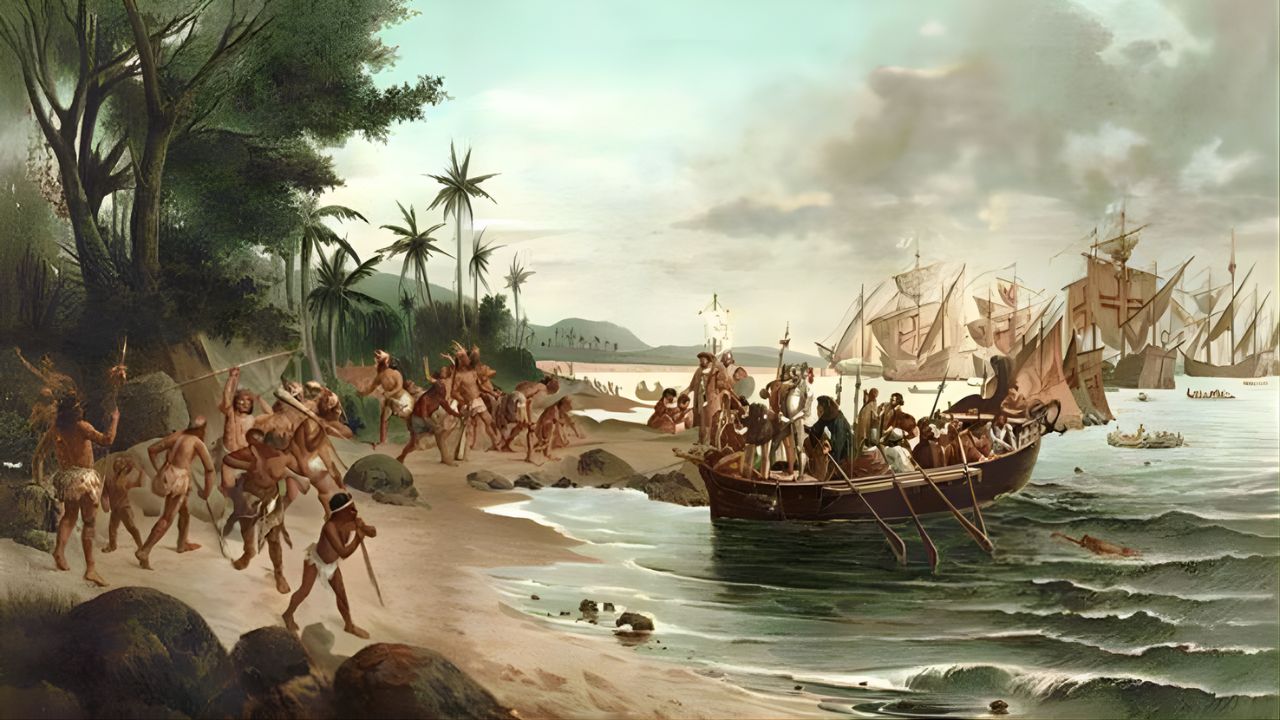


A Study by UFRN and UFPB Physicists Suggests That Cabral Landed on the Potiguar Coast in 1500, Based on the Carta de Caminha, Winds and Ocean Currents.
A recent study led by two physicists argues that Pedro Álvares Cabral would have arrived in Brazil in 1500 on the coast of Rio Grande do Norte, and not in Porto Seguro, in Bahia, as is traditionally taught.
The research, conducted by Carlos Chesman from UFRN, and Carlos Furtado from UFPB, was published in the journal Journal of Navigation, from the University of Cambridge.
Using data from ocean currents, winds, and the famous letter by Pero Vaz de Caminha, the scientists challenge the official historical version, calling for a revision of the actual location of the first Portuguese landing.
-
China creates hypersonic engine that can make planes and missiles fly more than 6 times the speed of sound with less weight, more range, and without system change.

-
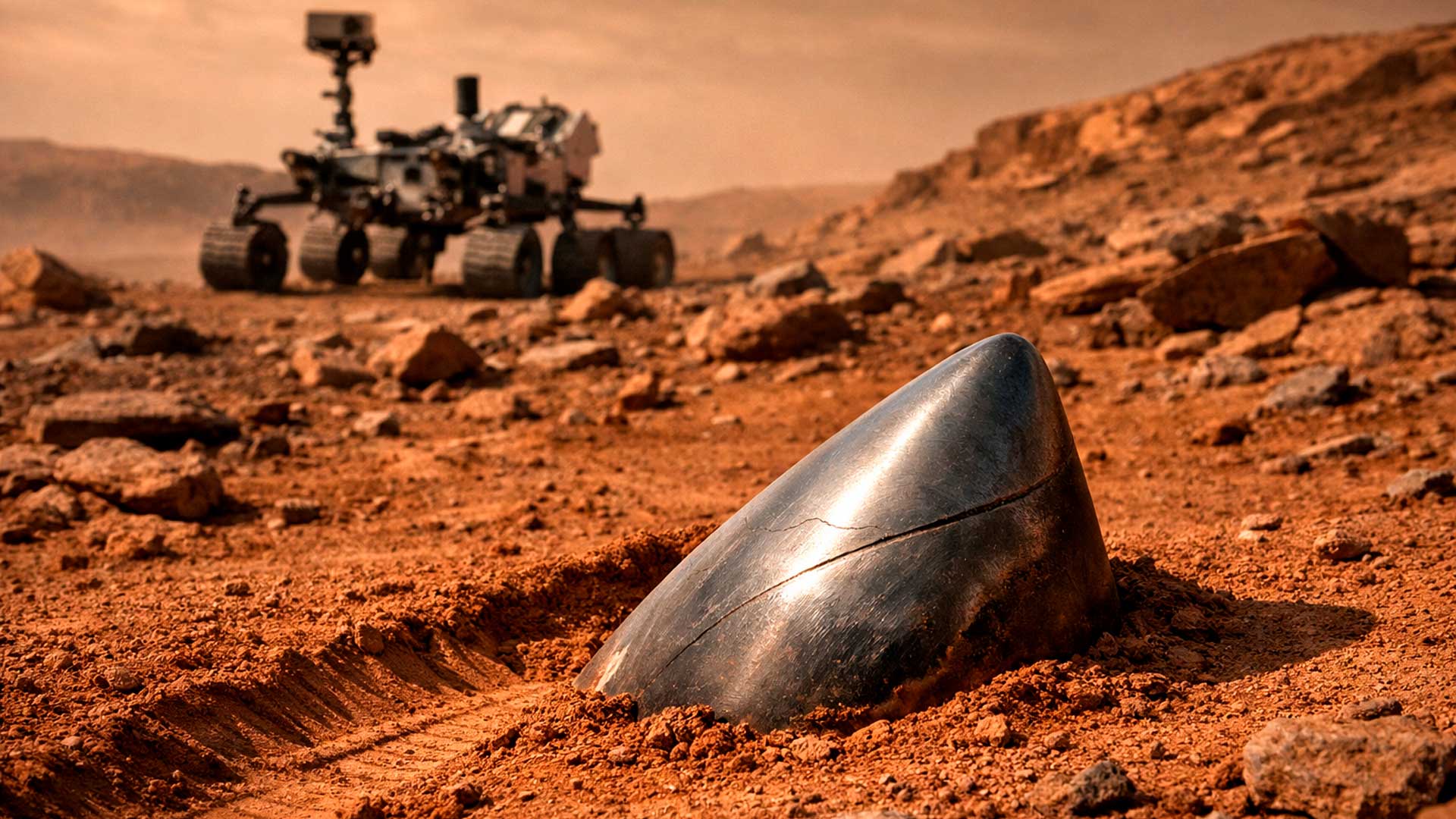
Mysterious object on Mars divides NASA and Harvard after Curiosity image reignites suspicions about what was really found on the planet.
-
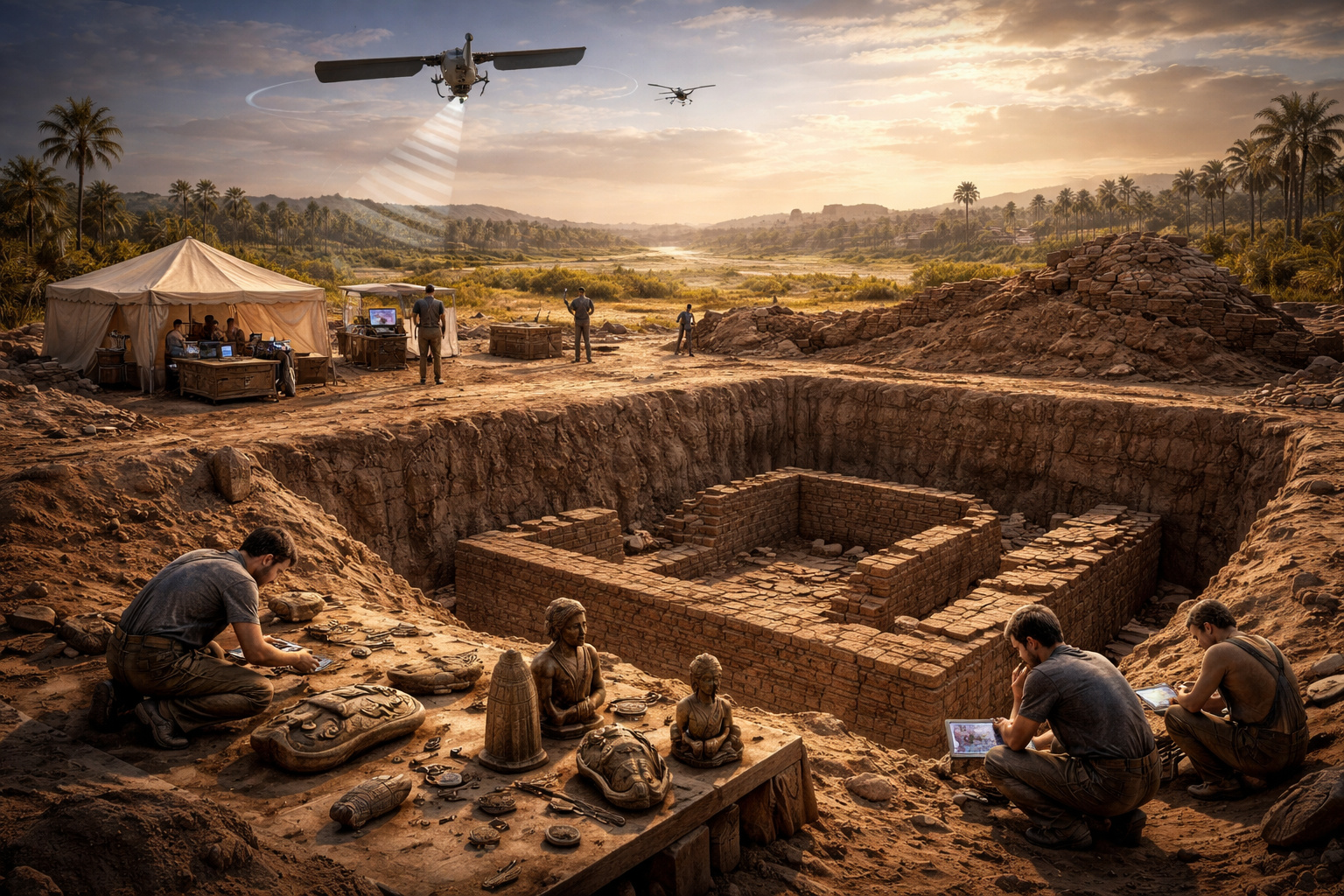
Giant structures 14 meters beneath Egypt are revealed by satellites and expose a millennia-old secret buried in Buto.
-
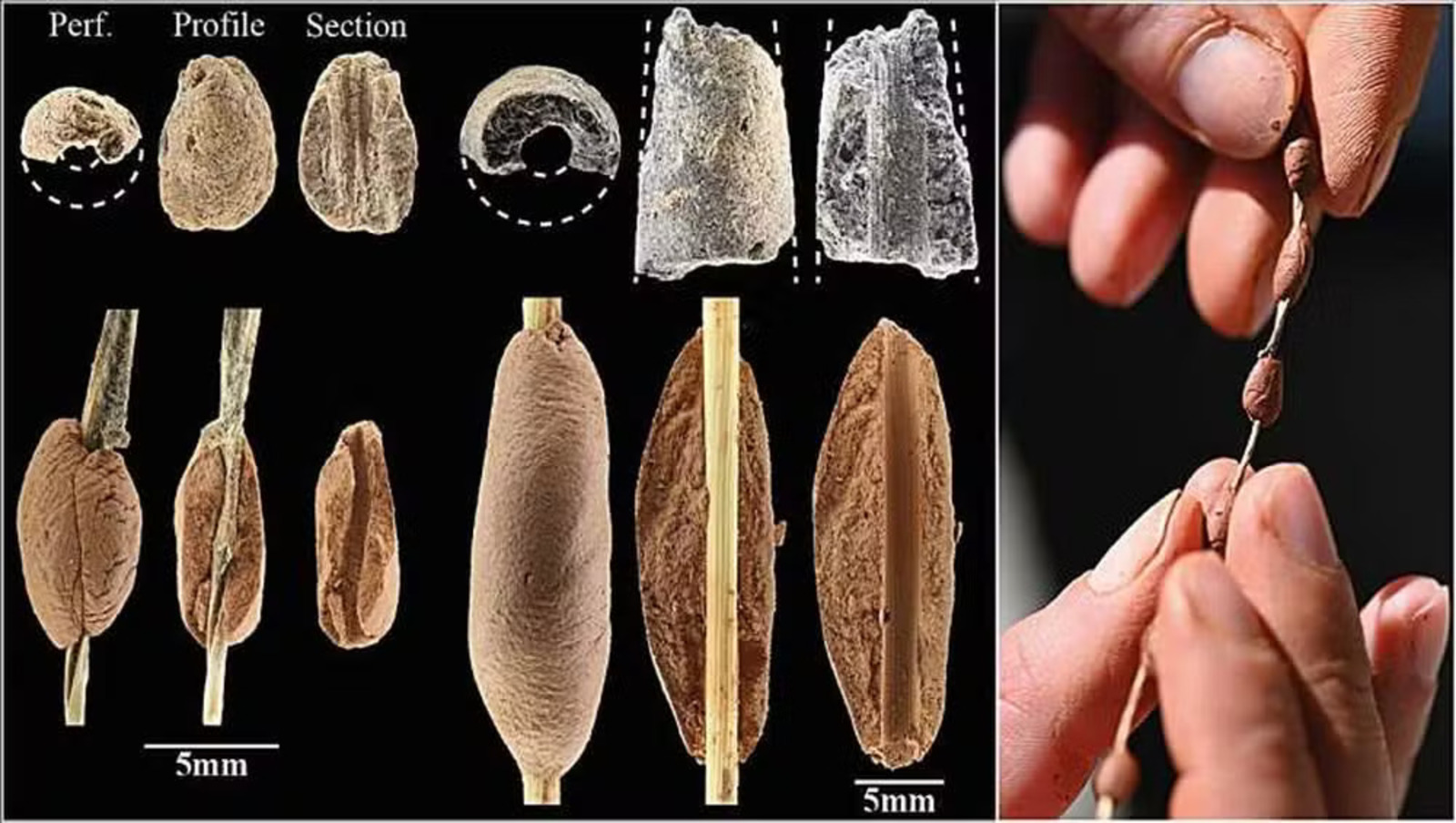
Children have been making clay pieces for 15,000 years in Southwest Asia, and fingerprints preserved on 142 ornaments helped archaeologists prove this.

Review of the Historical Route: Physics in the Service of History
The researchers used an interdisciplinary approach to recount the moment of discovery.
They analyzed dates, distances, locations, and depths reported by Caminha and compared them with modern models of winds and ocean currents.
With simulations via software and practical expeditions, Chesman and Furtado traced a route that, according to them, is physically and historically more coherent: departing from Cape Verde on March 23, 1500, to a point on the Potiguar coast.
Central Arguments: Monte Serra Verde and River Punaú
According to Caminha’s letter, the fleet sighted a “large mountain, very high and round” before dropping anchor “at the mouth of a river.”
- For the physicists, this described mountain would be the Monte Serra Verde, located in João Câmara (RN).
- The river mentioned by Caminha, according to the duo, would correspond to the river Punaú, which empties into Praia de Zumbi, in Rio do Fogo, about 72 km from Natal.
Multiple Landings: Not Just One Arrival Point
According to the new arguments, the first contact of the Portuguese with the land would have been followed by a second landing.
This second point, according to the physicists, would be at Praia do Marco, between the municipalities of São Miguel do Gostoso and Pedra Grande, in Potiguar territory.
They also mention that a Portuguese landmark dated 1501, existing in this stretch of the Potiguar coast, had already been cited by intellectuals from Rio Grande do Norte for decades, such as Luís da Câmara Cascudo.
Scientific Methodology: Beyond Conventional History
To reach these conclusions, the scientists gathered numerical data from Caminha’s letter and cross-referenced it with scientific models: current speeds, winds, sea depth.
Additionally, they conducted expeditions along the Potiguar coast to compare real observations with what the letter describes — using GPS, images, bathymetric measurements (study of depth) and photos to validate the hypothesis.
In one of the sections of the study, they point out that, from this simulated route, it’s possible to see with the naked eye — as Cabral and his navigators did — mountain formations similar to those described by Caminha, even without the use of a telescope (a later invention).
Contribution to History: Physics Meeting Humanistic Studies
Chesman emphasizes the relevance of interdisciplinarity: “Science is interdisciplinary. What we did was use physics to analyze historical facts and there is a contribution in that. If a journal like the Journal of Navigation agrees to publish, it’s because it’s relevant.”
On the other hand, historians point out limitations to the thesis.
The historian Ana Hutz (PUC-SP) notes that Caminha’s letter is just one of the sources, and that there are cartographic studies and other reports that support the version of Porto Seguro.
Juliana Gesueli (PUC Campinas) warns that for a change in narrative in school books to occur, more robust evidence is needed. “It is necessary to have more research and robust evidence to start discussions that sometimes take decades to change history books,” she states.
If the hypothesis is consolidated, the so-called “discovery” of Brazil could gain a new geographic and symbolic scope, shifting the historical emphasis to Rio Grande do Norte.
This could influence the didactic essay, changing parts of history books and school curricula to reflect the new interpretation of Cabral’s landing.
Moreover, the research reignites the discussion on how different disciplines — such as physics — can contribute to revisiting historical episodes, opening “new windows,” according to Gesueli.
Criticism and Limitations of the New Thesis
Despite the enthusiasm, there are important caveats:
- Lack of Participation by Historians: The study was conducted by physicists, without the direct involvement of history specialists, which may limit acceptance among historians.
- Established Historical Counterpoints: Older studies, such as those by Admiral Max Justo Guedes (1975), redo the routes of Cabral’s fleet based on other sources and defend the arrival in Bahia.
- Slow Change in School Books: Changing the official narrative requires consensus and a strong documentary basis, which may take years to reflect in classrooms.
Next Steps and Future Debates
To follow up on the hypothesis, Chesman plans to organize a scientific colloquium in Rio Grande do Norte, bringing together historians to discuss the findings and propose new investigations.
Meanwhile, the academic community watches closely: many see the study as an opportunity to rethink the “discovery” of Brazil from a different scientific perspective.
The new research on the route of Pedro Álvares Cabral, conducted by physicists, challenges the traditional narrative of the discovery of Brazil, pointing to a landing in Rio Grande do Norte instead of Bahia.
Based on scientific simulations and revisiting Caminha’s letter, the study opens space for a significant historical reinterpretation and raises questions about how we understand the beginning of the Portuguese presence in Brazilian lands.
Source: Folha de São Paulo





Tudo isso está sendo feito com dinheiro público?????????
Um bando de **** que não tem conhecimento nenhum de física e geofísica ficam contestando os fatos simplesmente por inveja ou por não ter o que fazer e esse que se diz professor de história deve ser de história da carochinha ou de banco de praça . Vão se catar bando de analfabetos.
Monte alto e redondo, como já foi dito ao longo da história, se trata do Monte Pascoal, que inclusive fica há uns 35 km da minha cidade, e minha cidade é a guardiã do monte pescoço também visto por Caminha. E a resposta mais lógica atualmente, é que a chegada não foi em Porto seguro em si, mas na Barra do Cahy, que seguindo pela praia fica a uns 42 km de distância, e está localizado nas praias de Cumuruxatiba – Bahia.