





 Portuguese
  English
  Spanish
 5 min of reading
  0 comments


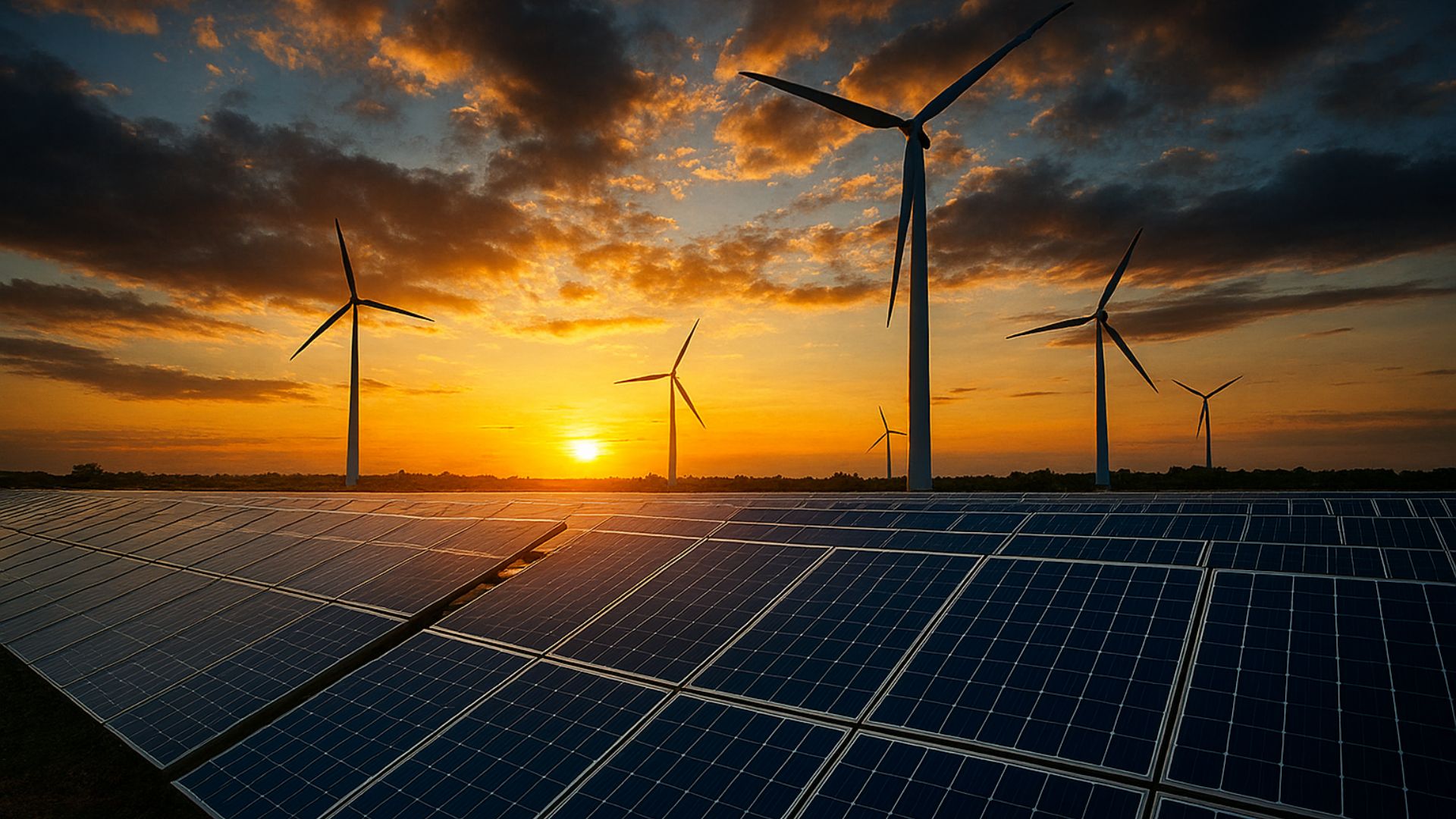
The State of Piauí Presented a Strategic Plan to Become a Reference in Renewable Energy in the Northeast, Boosting the Energy Transition and Attracting New Sustainable Investments by 2050
On November 3, 2025, the state government of Piauí published in the Official Gazette the State Climate Action Plan of Piauí (PLAC-PI), establishing ambitious goals to achieve 100% renewable energy by 2050.
According to a report published on the MegaWhat website, the initiative positions the state as a leader in the energy transition in the Brazilian Northeast, focusing on sustainability, innovation, and socioeconomic development.
Guidelines of PLAC-PI: Renewable Energy as a Development Strategy
Transforming vulnerability into climate leadership is the central objective of the plan, which seeks to leverage the immense solar and wind potential of the region to create a replicable model in other parts of the country.
-
The Brazilian state accelerates industrial competitiveness with a focus on the extraction of strategic minerals to boost the energy transition in Goiás.
-
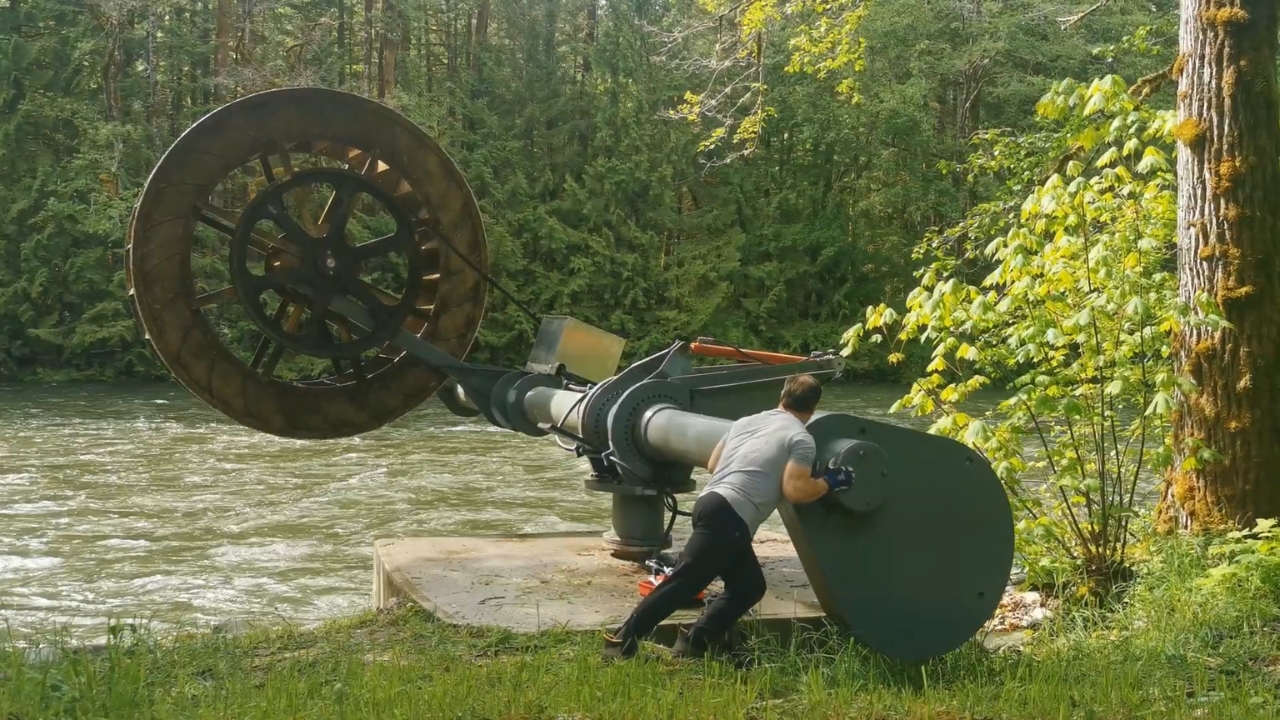
A Canadian retiree creates a hydroelectric system on a real river, generating energy continuously throughout the day and demonstrating how the power of water can supply a house with stability even in a simple structure.
-
Petrobras reaffirms its commitment to the market and ensures that it will carry out the energy transition safely to maintain national sovereignty.

-
Researchers discover a possible hydrogen deposit of up to 46 million tons beneath an ancient coal basin, and the volume could exceed half of the entire global production.


PLAC-PI sets out clear guidelines for decarbonizing the energy matrix, focusing on solar and wind sources, which already represent a large part of the current generation in the state. Among the main objectives are:
- Achieving 100% renewable energy by 2050
- Reducing greenhouse gas emissions
- Promoting climate justice and social inclusion
- Encouraging technological innovation and professional training
Additionally, the plan includes investments in infrastructure, research, and public-private partnerships, creating a favorable environment for the expansion of the sustainable energy sector.
The plan also invests in training professionals for green jobs—such as photovoltaic system installers—and prioritizes families in vulnerable situations in clean energy access programs.
The progressive goals establish 25% energy transition by 2030, 50% by 2040, and a total of 100% by 2050, in line with the vision of a resilient, inclusive Piauí with net zero emissions.
Energy Potential of Piauí: Sun and Wind as Allies in the Energy Transition
Piauí has one of the largest solar potentials in Brazil, with irradiation rates above the national average. Piauí has 99.75% of its electric matrix composed of renewable sources, being the third largest producer of centralized solar energy (2025) and wind energy (2023).
These abundant natural resources position the state strategically to lead the energy transition in the Northeast, especially in the face of climate challenges such as prolonged droughts and desertification risk.
The combination of sun and wind allows the state to diversify its energy matrix and reduce dependence on fossil sources, contributing to regional energy security.
Innovative and Replicable Model: Integration Between Climate, Energy, and Inclusion
PLAC-PI proposes an integrated model of sustainable development, which articulates climate policies with energy and social strategies. Highlights include:
- Creation of energy development zones
- Tax incentives for renewable projects
- Technical training programs in vulnerable communities
- Continuous monitoring of climate goals
This model aims not only for clean generation but also for social inclusion and strengthening of the local economy, making the plan a national reference. The proposal is for the model to be replicable in other states in the Northeast, promoting a coordinated and efficient energy transition.
Regional and National Impact: Northeast Leadership in the Energy Transition
With the launch of PLAC-PI, the Northeast reinforces its role as the epicenter of the Brazilian energy transition. The Northeast accounts for 93% of the installed wind energy capacity in the country and has a strong presence in centralized solar projects.
The Piauí plan can serve as a catalyst for similar policies in other northeastern states, promoting a structural transformation in the national electric sector.
Moreover, the initiative is aligned with Brazil’s commitments under the Paris Agreement and the UN Sustainable Development Goals (SDGs), especially those related to clean energy, climate action, and reducing inequalities.
Technical Challenges and Innovation Opportunities in Piauí
Despite the potential, the path to 2050 requires overcoming technical, regulatory, and financial challenges. Among the main obstacles are:
- Expanding the transmission network
- Storing intermittent energy
- Long-term financing for renewable projects
- Training specialized labor
On the other hand, the plan opens opportunities for startups, universities, and investors, who can operate in areas such as clean technology, energy efficiency, and smart resource management.
Social Participation and Transparency in Piauí’s Plan
PLAC-PI foresees mechanisms for social participation, such as public consultations, regional forums, and digital monitoring platforms. This approach seeks to ensure transparency, legitimacy, and engagement of the population, especially those communities most affected by climate change.
The inclusion of civil society is essential to consolidate a fair and democratic energy transition that respects human rights and promotes equity. Participatory governance strengthens the link between public policies and real demands, increasing the effectiveness of climate and energy actions.
One of the pillars of the plan is the training of qualified professionals to work in the renewable energy sector. The government of Piauí aims to expand partnerships with technical and higher education institutions, offering courses focused on:
- Installation and maintenance of solar and wind systems
- Management of sustainable projects
- Environmental and climate monitoring
- Innovation in clean technologies
Investing in education ensures that the energy transition is inclusive and lasting. The training of the local population also contributes to the generation of green jobs and the strengthening of the regional economy.
Funding and Strategic Partnerships in Piauí
To enable the goals of PLAC-PI, the state seeks to attract national and international investment, as well as foster partnerships with development banks, multilateral agencies, and companies in the energy sector.
Strategies include:
- Creation of state climate funds
- Issuance of green bonds
- Encouraging innovation through tenders and incubators
Sustainable financing will be the foundation for turning goals into concrete actions. Coordination between the government, private sector, and civil society will be crucial to secure resources and accelerate the plan’s implementation.
The Role of Piauí in Building a More Sustainable Brazil
The launch of the Climate Action Plan of Piauí represents a decisive step towards energy sustainability in Brazil. With ambitious goals, an innovative model, and strong natural potential, the state positions itself as a leader in the energy transition in the Northeast, inspiring other regions to follow suit.
Renewable energy is more than a technical solution — it is a strategy for social, economic, and environmental development. The success of PLAC-PI will depend on the collaboration between government, private sector, academia, and civil society, in a joint effort to build a fairer and more resilient future.
Piauí shows that it is possible to transform climate challenges into opportunities for innovation and leadership, establishing itself as an example of how Brazil can advance towards a clean energy matrix, inclusive and sustainable.







Seja o primeiro a reagir!