





 Portuguese
  English
  Spanish
  4 min of reading
  3 comments


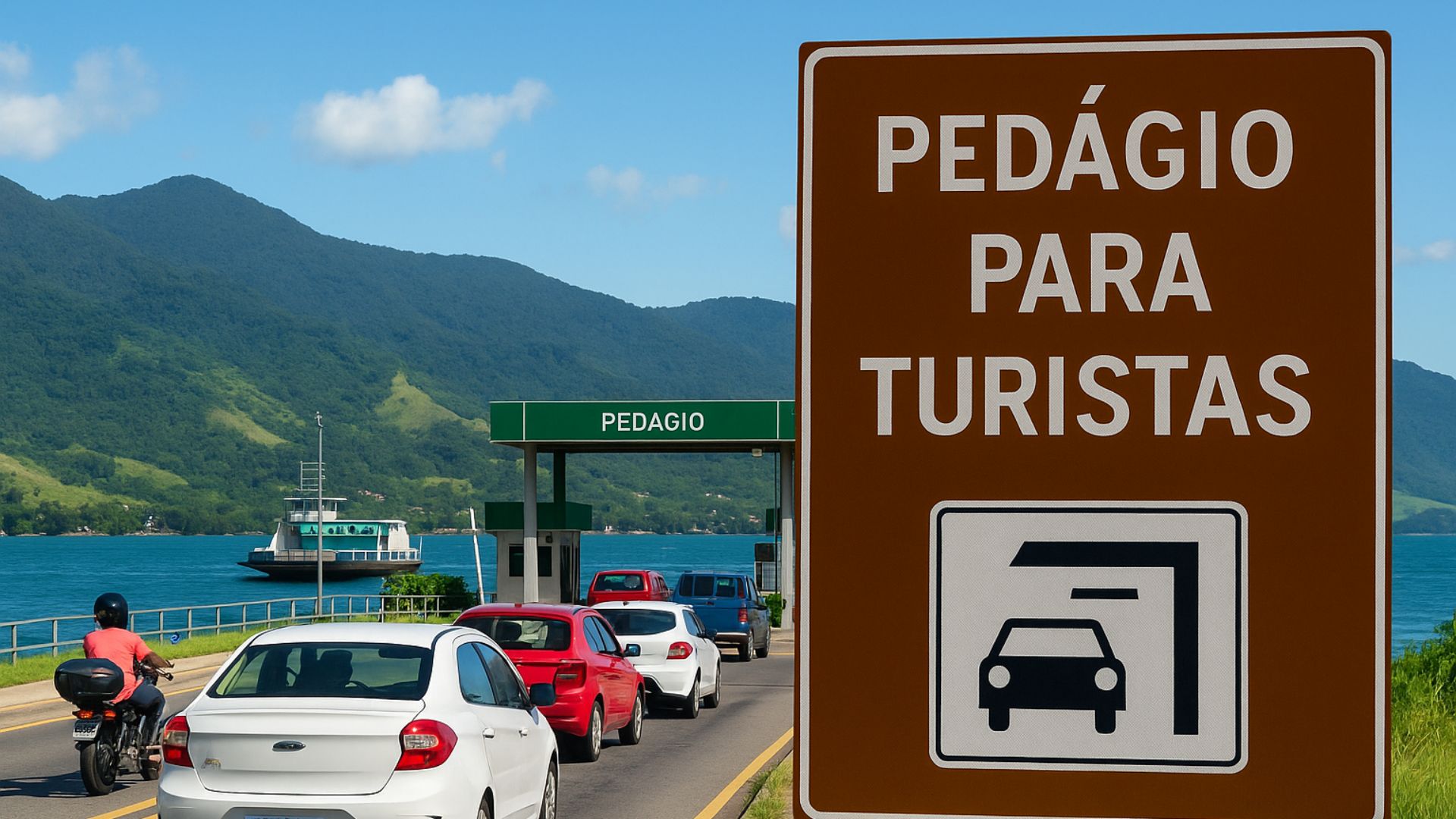


Ilhabela Starts Environmental Charge for Vehicles Still in December, with Fees Varying by Type. São Sebastião and Ubatuba Also Adopt Similar Measures to Fund Environmental Conservation Actions.
The City Hall of Ilhabela, on the north coast of São Paulo, will start charging the Environmental Preservation Fee (TPA) for vehicles entering the city starting in the second half of December.
Fees will be defined according to the category: R$ 10 for motorcycles, R$ 48 for cars, utility vehicles, and vans, R$ 70 for minibuses and trucks, R$ 100 for microbuses, and R$ 140 for buses.
Payment can be made via Pix, credit and debit cards, cash, and electronic toll tags or automatic identification systems.
-
After nearly 30 bids and competition among industry giants, a Spanish company purchases one of the largest airports in Brazil for almost R$ 3 billion and takes over the management of Galeão in a concession that will last until 2039.

-
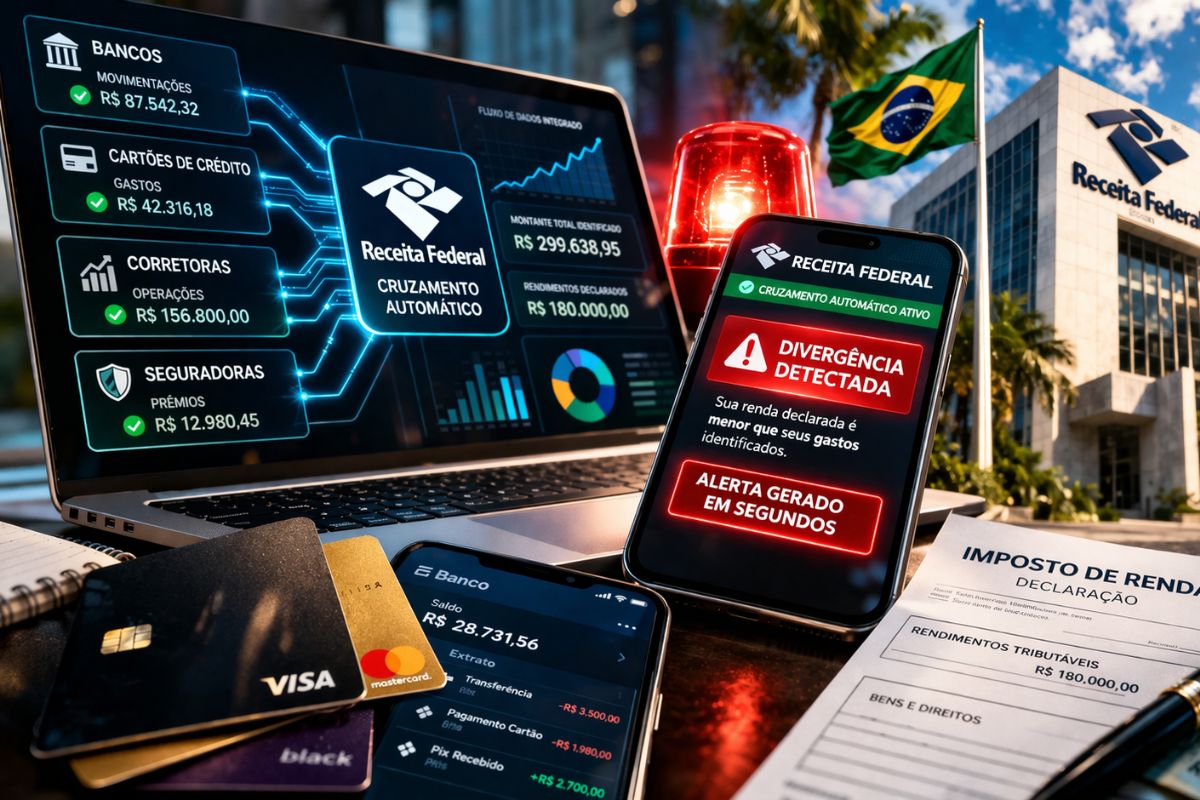
The Federal Revenue Service now automatically cross-references everything you declare with data from banks, credit cards, brokerage firms, and insurance companies, and any discrepancy between your income and your expenses triggers an alert in seconds.
-
Amid global tensions, Brazil blocks the United States’ proposal at the WTO and paves the way for a trade crisis and possible retaliations.

-
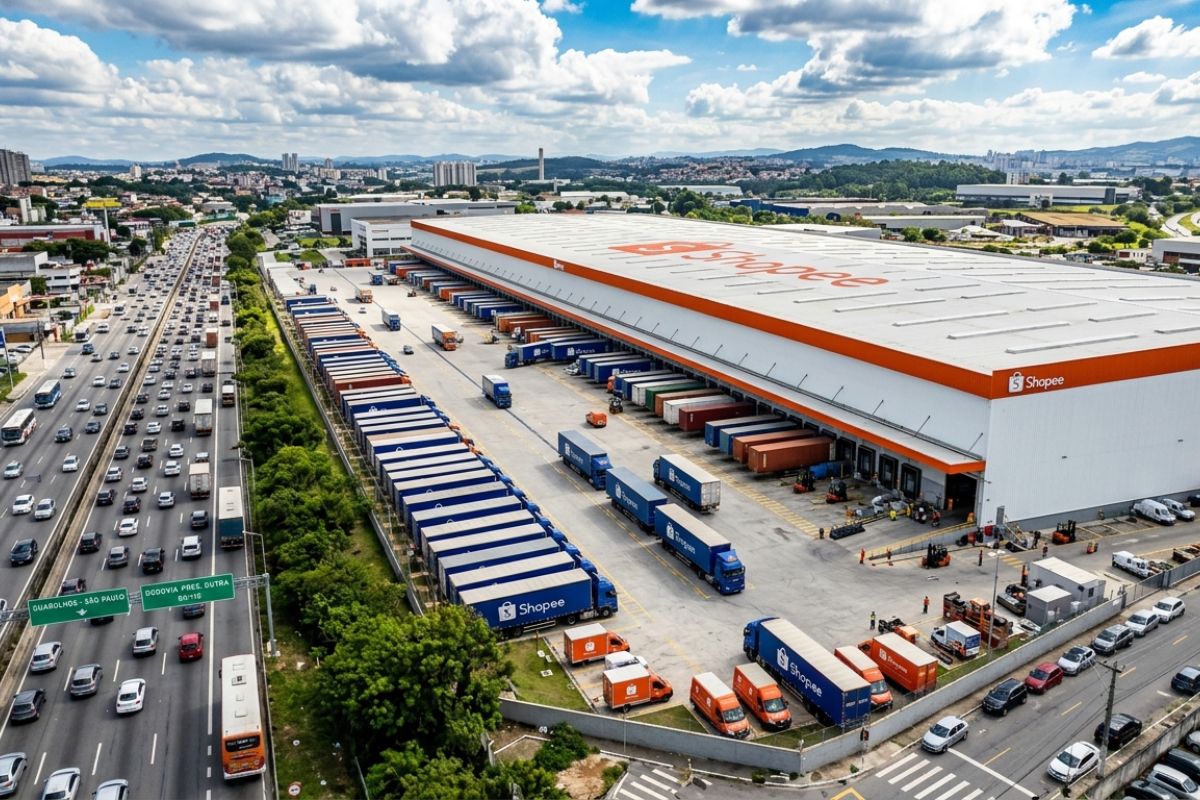
Shopee opens the largest logistics warehouse in Brazil in Guarulhos: 220,000 m² on Dutra, contract signed before construction, pays R$ 45/m² and accelerates deliveries at scale, putting pressure on Mercado Livre and Amazon.

According to the city administration, the fee aims to fund conservation, maintenance, and environmental preservation actions in the municipality.
Charge Per Entry, Not Per Day
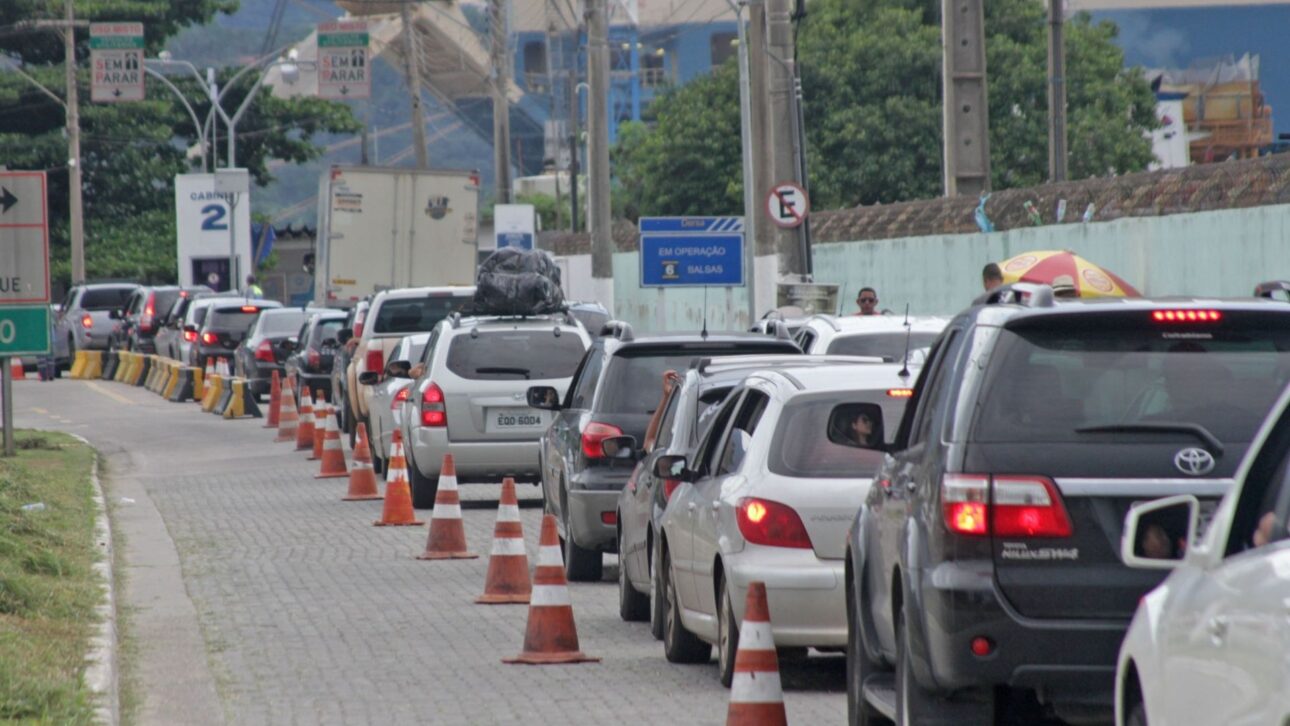
The fee will be applied for each entry of the vehicle onto the island, not per day of stay.
This means that the fee is charged whenever the driver crosses from the mainland to Ilhabela.
In a statement, the city explained that the model follows municipal legislation and aims to maintain access control and tourist flow in the region.
The management informed that vehicles registered in Ilhabela will have exclusive lanes to expedite crossing and that there will be in-person assistance at support booths to clarify questions and assist with payments.
It was also announced that the municipality will present quarterly reports to the City Council detailing the allocation of collected funds.
Who Must Pay and Who Will Be Exempt
The charge will apply to vehicles not registered in Ilhabela, with exemption for São Sebastião plates, the neighboring municipality.
The administration advises local residents with cars registered in other cities to update their registration to avoid the fee.
So far, the city has not published the complete list of additional exemptions — such as for essential service providers or residents of other regions with proven ties — but stated that detailed rules will be announced before the fee begins.
Payment Methods and Expected Operation
Payment can be made by Pix, credit and debit card, cash, and automatic toll systems.
The city hall reported that the system is being structured to reduce wait times and facilitate operations, especially during the summer, when tourist traffic increases.
According to the administration, the revenue will be directed to urban cleaning, solid waste management, and preservation of natural areas.
Accountability will be sent to the Legislative body every quarter, detailing the amounts and funded projects.
Environmental management experts consulted by the city during the project development say that the fee can help balance tourist activity and environmental care, as long as resources are applied transparently.
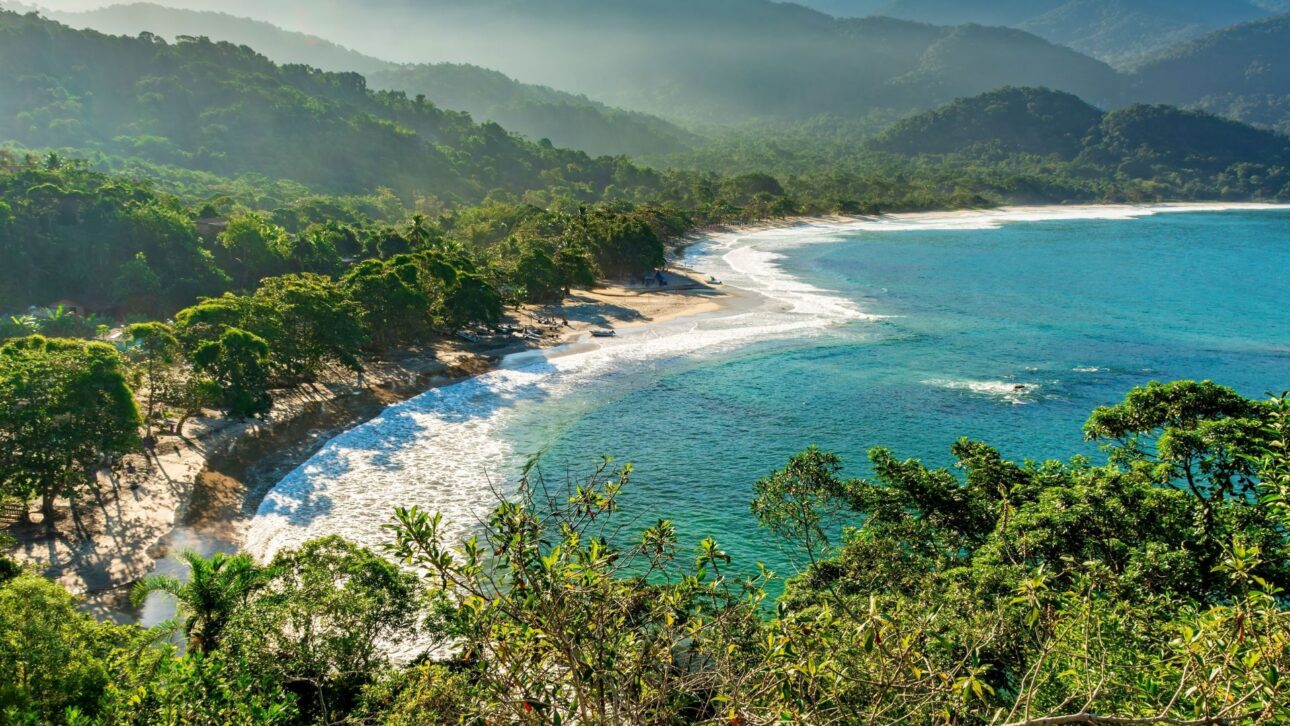
São Sebastião Still Discusses Implementation
As Ilhabela prepares to implement the TPA this summer, São Sebastião is in the public consultation phase to define the format of its own fee.
The city hall has opened a channel to receive suggestions from the public and tourism sector entities.
The process, which began in October 2025, does not yet have a defined date for implementation.
According to the administration in São Sebastião, the goal is to build a “participatory and balanced” model that considers the economic impact on visitors and the expected environmental return.
Ubatuba Has Been Charging the Fee Since 2023
In the same region, Ubatuba has been charging the TPA since February 8, 2023.
The model utilizes automatic license plate reading and offers digital payment in advance or upon exiting the city.
The fee is calculated per day of stay, not per entry, as will be the case in Ilhabela.
The city of Ubatuba reported that the collected revenue is applied to conservation actions, waste management, and maintenance of public areas.
According to the administration, the fee was instituted to compensate for the impacts of tourism during peak season.
Impact on Those Visiting the North Coast
For visitors, the main change will be the fee per entry into Ilhabela.
Those staying and making multiple crossings between the mainland and the island will pay again with each new access.
However, those who remain on the island without returning to the mainland will not be charged more than once.
The city hall recommends that tourists plan their movements to avoid additional costs with repeated crossings.
It also emphasizes that this measure is environmentally focused and follows models adopted in other tourist cities, such as Fernando de Noronha (PE) and Morro de São Paulo (BA), where similar fees are charged.
According to sustainable tourism experts, such measures are commonly adopted in locations with high visitor traffic and sensitive ecosystems, to help fund services and protect natural areas.






Direito de ir vir,, já não vale mais nesse país
Taxa será para roubar mais o seu bolso, ops quero dizer limpeza urbana
Querem te estorquir de qualquer forma!! Nunca fui em ilha bela e agora mesmo que não vou!!