





 Portuguese
  English
  Spanish
  4 min of reading
  0 comments


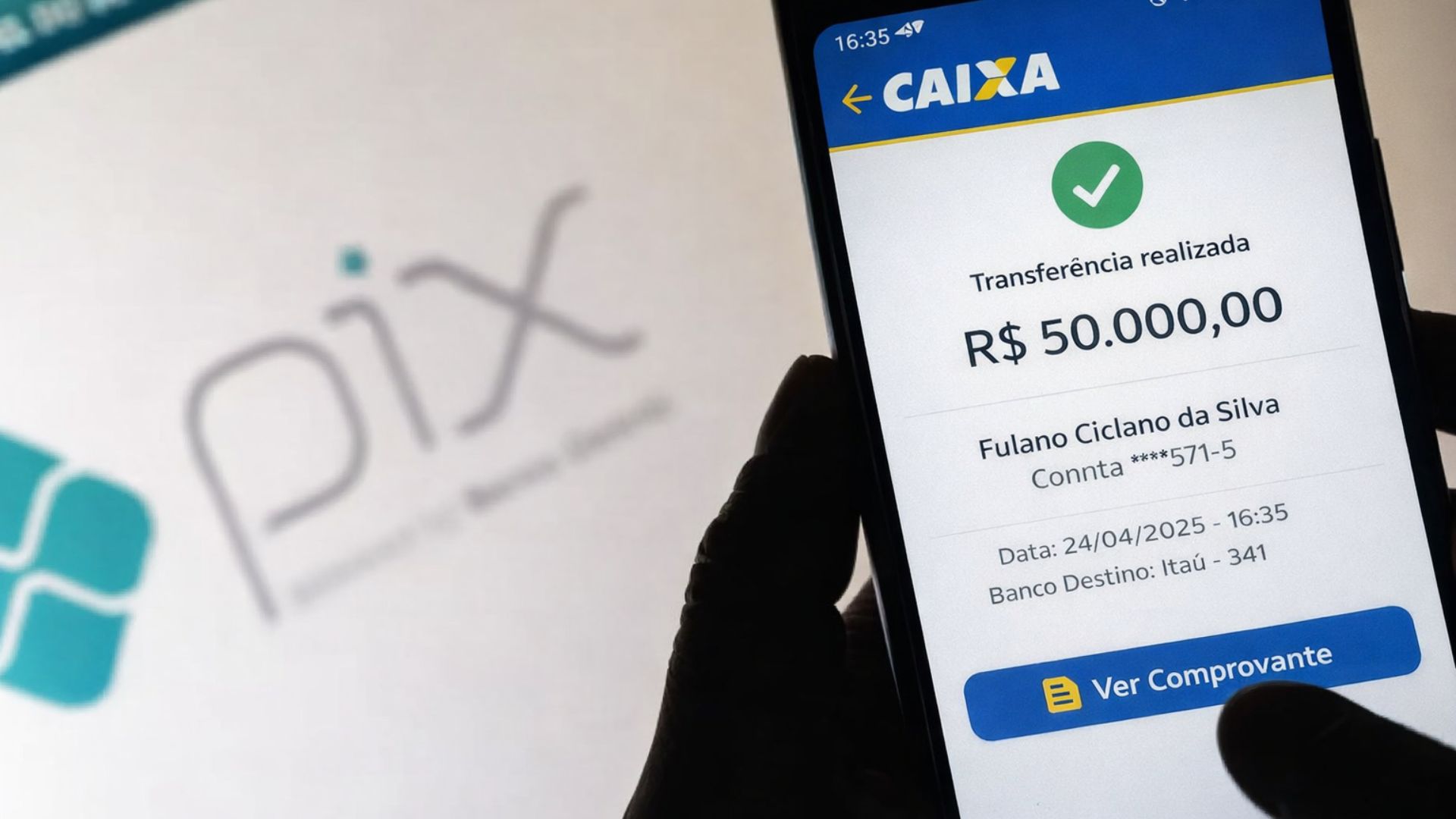
Judicial decision exposes risks in digital transfers and reinforces duty of refund in cases of error, with direct impact on Pix users and banking operations in Brazil.
The Justice of Mato Grosso upheld the conviction of a man who received R$ 50 thousand in a bank transfer twice and refused to return the amount, forcing him to refund the value with monetary adjustment and also pay R$ 10 thousand for moral damages to the plaintiff.
According to information published on this Monday (30) by the R6 portal, the ruling was unanimous in the Second Chamber of Private Law of the Court of Justice of Mato Grosso, under the reporting of Judge Maria Helena Gargaglione Póvoas.
Although the case has resonated as a warning for Pix users and other digital means, the records concern a bank transfer made on March 7, 2019, before the official launch of Pix in Brazil.
-
Senate approves explosive measures that could cost R$ 263.7 billion and include rural refinancing, a minimum wage of R$ 13,662 for doctors and dentists, and special retirement for health agents.

-
Residents are forced every day to pay R$ 24 in tolls and descend 16 km down a mountain to get home because all the turnarounds near the neighborhood have been blocked, and the nearest one is only down in Morretes.

-
São Paulo government announces R$ 76.9 million for urban infrastructure, and 28 cities in the Central region are included in the list of projects that may change streets, lighting, drainage, schools, leisure, health, and municipal services.

-
As the world closes in on conflicts, China has opened the vault in Latin America, with a record trade of 549 billion dollars in 2025, imports up by 27.6%, and nearly one million jobs, and stated at the Macau forum that it is here to stay in the region.




Still, the decision reinforces a legal understanding that also applies to current electronic operations: receiving an undue amount and retaining the money, even after the error has been proven, can characterize unjust enrichment and violation of good faith.
Origin of the error and judicial dispute
The controversy began during the execution of a loan contract signed between the parties, which provided for the payment of a installment by bank transfer.
Due to an operational failure and communication error, the debtor ended up sending the same amount twice, from different accounts, and the duplicated credit ended up in the creditor’s account without contractual backing for retention.
According to the TJMT, the documents attached to the case clearly demonstrated the duplicity of the payment and the recipient’s awareness of the mistake.


Bank statements and a notarized record of a conversation via messaging app showed that the recipient acknowledged the error but chose not to return the amount, arguing that the sum would serve to offset another supposedly existing debt between the parties.
This justification, however, was not accepted by the panel.
For the judges, there was no contractual provision authorizing automatic compensation nor a valid justification that allowed the recipient to keep a duplicated deposited amount, especially after being formally informed that it was an undue payment.
Understanding of the TJMT and conviction
In analyzing the case, the reporting judge pointed out that the retention of the funds contradicted the duty of good faith that guides contractual and civil relations.
In the court’s understanding, it was not only about the existence of a material error in the payment, but also the subsequent conduct of the beneficiary, who, even aware of the undue origin of the funds, chose to keep possession of the money without legal authorization.
The ruling also highlighted that the situation went beyond the realm of mere everyday annoyance because it forced the plaintiff to resort to the Judiciary to recover an amount that, according to the court, should have been returned spontaneously.
By recognizing the moral damage, the reporting judge noted that there was anguish and frustration due to the undue refusal to return an amount belonging to the payer.
Thus, the conviction was established on two axes: the return of the R$ 50 thousand received in duplicate and the payment of R$ 10 thousand for moral damages.
The court also defined the criteria for updates, establishing interest at the Selic rate and monetary correction by the IPCA from the date of the error for the principal, while the moral compensation should be corrected by the same indices from the citation.

Impact on Pix users and transfers
Although the episode originated before Pix, the repercussions of the ruling expanded the debate on the duty to return amounts received by mistake in any electronic operation.
In practice, the decision serves as a reference for situations where the recipient attempts to turn an erroneous deposit into their own advantage, without a court order, without a contractual clause, and without the consent of the payer.
In this scenario, the Central Bank maintains the Special Refund Mechanism (MED) as an instrument of the Pix system to facilitate the return of resources in cases of fraud.
In August 2025, the monetary authority announced the improvement of the procedure, with the creation of a self-service channel in the apps of financial institutions, aimed at making the contestation of fraudulent transactions by users more agile.
The Central Bank itself clarifies, however, that the MED was designed primarily for situations of fraud, scams, or operational failures in the Pix ecosystem, and not as an automatic substitute for judicial means in all conflicts between individuals.
Therefore, when there is an express refusal to return money received unduly and the controversy involves contractual obligations or compensations without proof, the discussion may end up in the Judiciary, as occurred in this case in Mato Grosso.
The decision also draws attention to a simple yet decisive point in digital transactions: the undue receipt of amounts does not authorize private appropriation of the money, even if there is a parallel claim of debt between the parties.
Without formal backing, retention can generate an obligation to refund, incidence of correction and interest, as well as compensation when the resistance imposes embarrassment, delay, and the need for judicial action to rectify a proven error.


Be the first to react!