





 Portuguese
  English
  Spanish
  3 min of reading
  1 comment


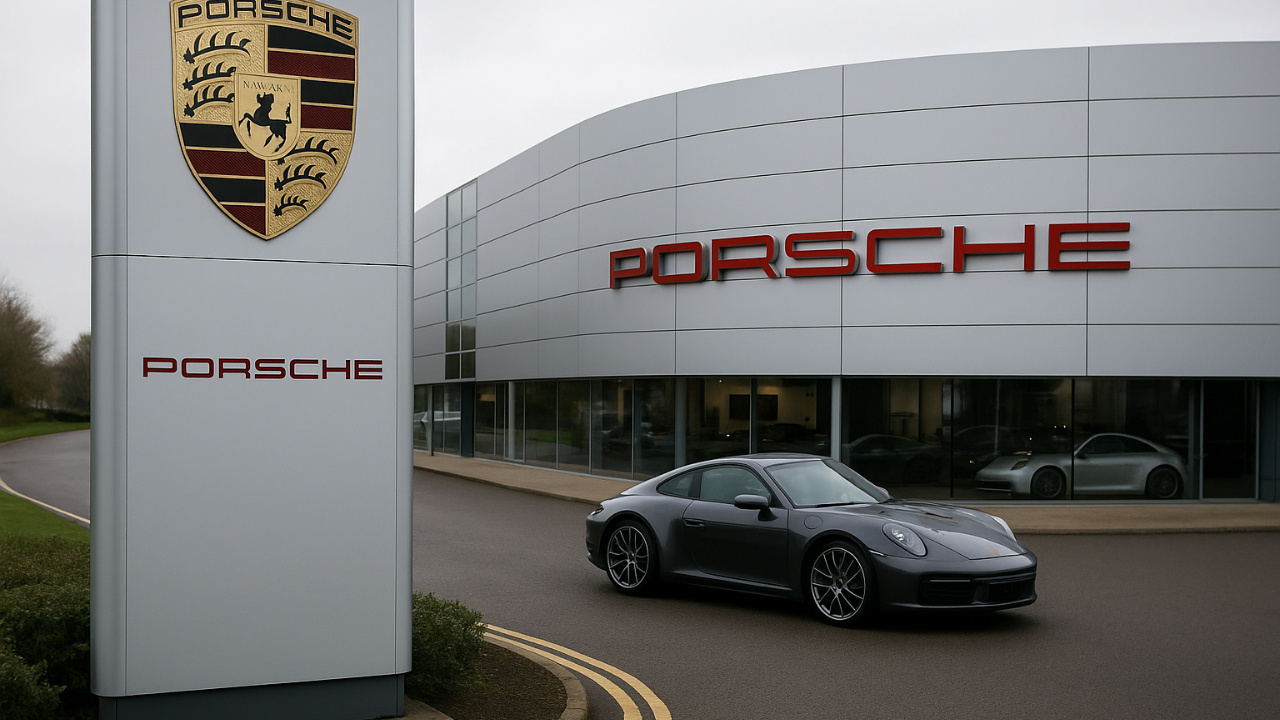


Porsche Sees Drop In Sales And Pulls Back From Electric Cars; Macan And Sports Models May Return With Combustion Engines.
Porsche announced in early 2025 that it needed to revise its global planning after reporting a sharp decline in sales, directly affecting its portfolio of electric cars and job security at the brand.
The decision, which takes place in Germany where the company is headquartered, was confirmed by the management of the Volkswagen Group, responsible for monitoring financial results.
The automaker states that the change was motivated by the underperformance of electric models and the need to respond quickly to a market that has rejected part of this transition — which is why the company is now resuming projects with combustion engines.
-
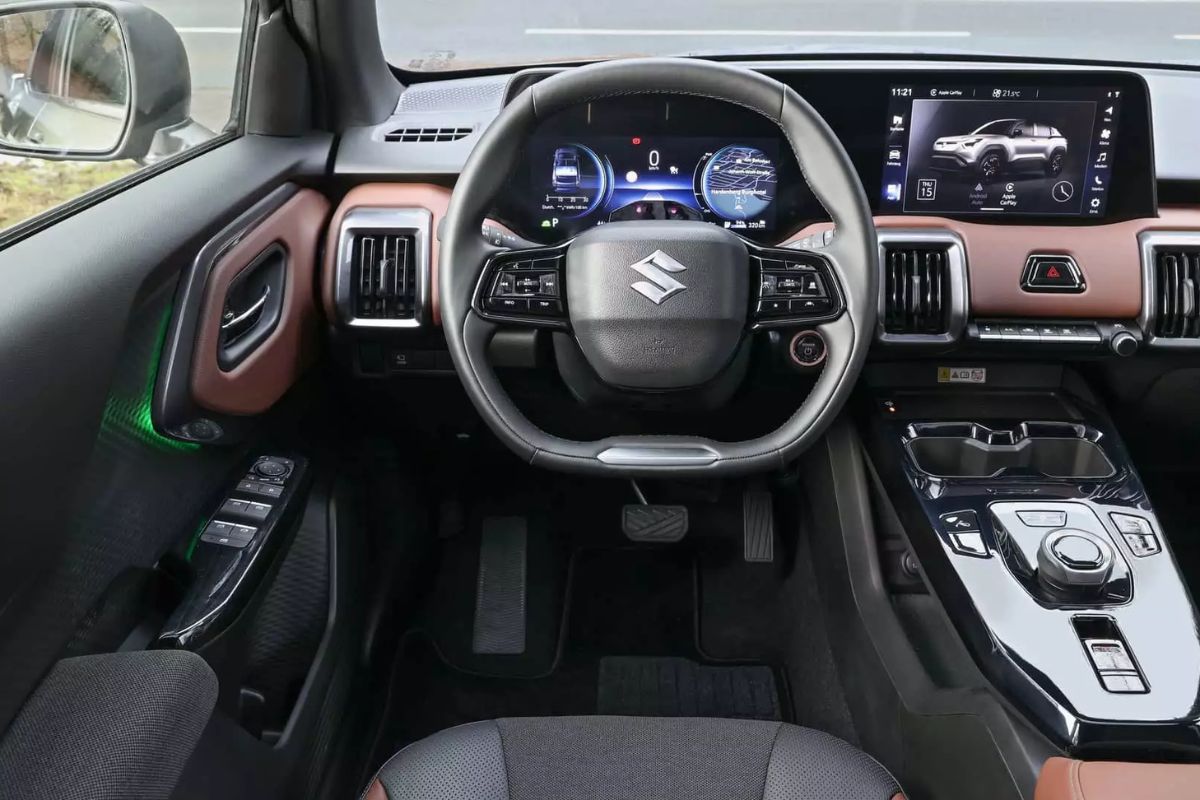
The 2026 electric Vitara arrives in Brazil and proves that Suzuki is not leaving: 4×4 traction, 184 hp, 61 kWh LFP battery, 293 km range, R$ 259,000, and a trunk capacity of 224 L.
-
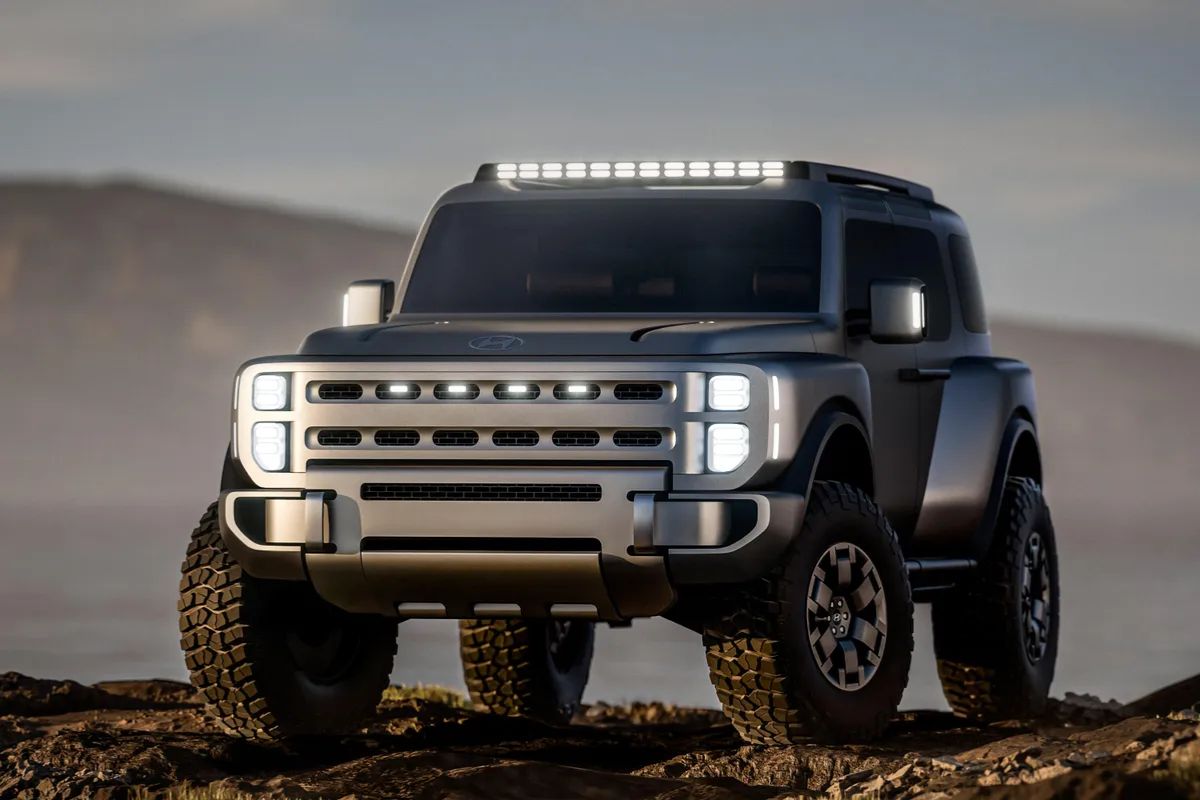
Hyundai has unveiled the Boulder, a square SUV with a body-on-frame design, 37-inch mud tires, and carriage-style doors that seems to be made to take on the Ford Bronco and the Scout Traveller in the United States.
-
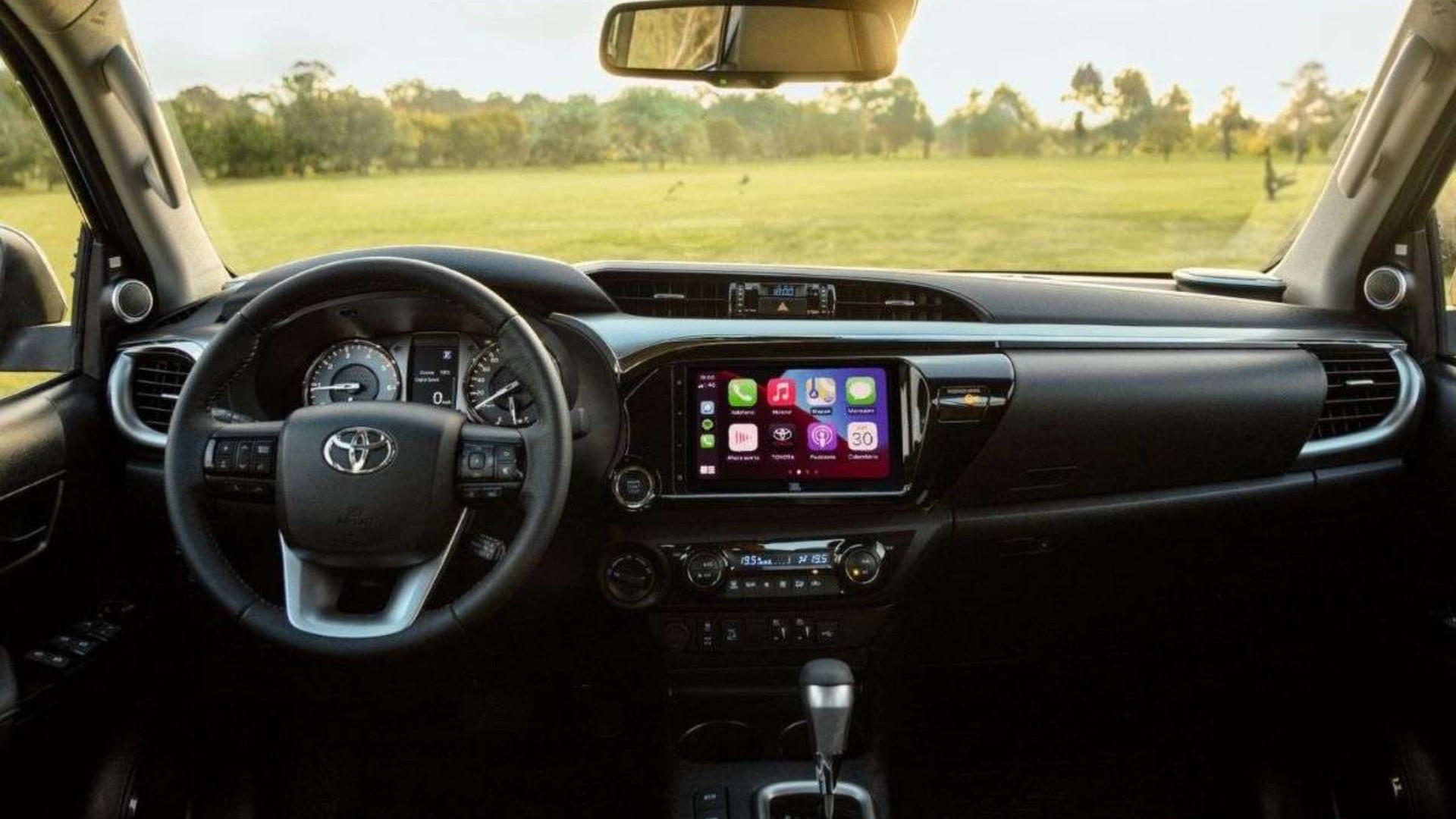
The Toyota Hilux is R$ 75.5 thousand cheaper and bets on the 2.8 turbodiesel engine with up to 204 hp and 50.9 kgfm to catch up with the VW Saveiro, which leads with 4,472 sales.
-
The new Renault Koleos has a screen exclusively for the passenger that is invisible to the driver, heated rear seats, and 29 assistance systems, but its Chinese competitors cost R$ 40,000 less and deliver more power.

Thus, the central question driving the new strategy is simple: why are consumers not accepting electric Porsches? The straightforward answer involves a drop in demand, high production costs, and a transition that did not deliver the expected results.
Sales Drop Raises Concerns And Threatens Thousands Of Jobs
The warning about the drop in Porsche sales is not new. At the end of last year, several internal reports indicated consecutive months of contraction in the global market, putting around 8,000 jobs at risk.
The automaker acknowledged that the accelerated shift to electric cars was one of the main triggers of the problem.
This movement, while strategic for the automotive sector, has become a challenge for various brands — and Porsche is no exception.
Throughout 2025, according to data released by the company itself, the scenario not only failed to improve but worsened.
Meanwhile, shareholder pressure was increasing, demanding results in line with the company’s historical performance.
Macan Leaves A Gap In The Portfolio And Accelerates The Brand’s Crisis
The suspension of sales of the Porsche Macan with a combustion engine has further intensified the loss of competitiveness.
The SUV was, ten years ago, the main source of profitability for the automaker, far outpacing the performance of the new electric Macan, which has not garnered the same acceptance.
Additionally, the removal of the Porsche 718 Boxster and Cayman from global markets eliminated two other important models for maintaining sales balance.
The company acknowledged that these vehicles were pillars of its portfolio and have left a void that the electric models have failed to fill.
Consumers Reject Porsche Electric Cars
The automaker itself admitted that “people do not want electric Porsches”, a phrase that encapsulates the frustration with public reception.
The resistance has led the company to adopt an unexpected move: pulling back from the total electrification strategy.
Although the original plan was to launch the next generations of Boxster and Cayman exclusively as electric vehicles, the market imposed another reality.
Now, Porsche is reconsidering the return of versions equipped with combustion engines, something that seemed out of the question a few years ago.
Change Is Part Of The Reaction To The Global Slowdown Of Electrics
The company recognizes that this decision is part of a direct response to the slowdown in electric car sales, a phenomenon that has been affecting various automakers around the world.
Meanwhile, Porsche is trying to regain its industrial balance without losing its image as a high-performance manufacturer — a characteristic that keeps the brand in the minds of fans, despite internal turmoil.










O problema maior é o preço do Posche elétrico, se fosse o mesmo preço venderia muito mais.