





 Portuguese
  English
  Spanish
 5 min of reading
  0 comments


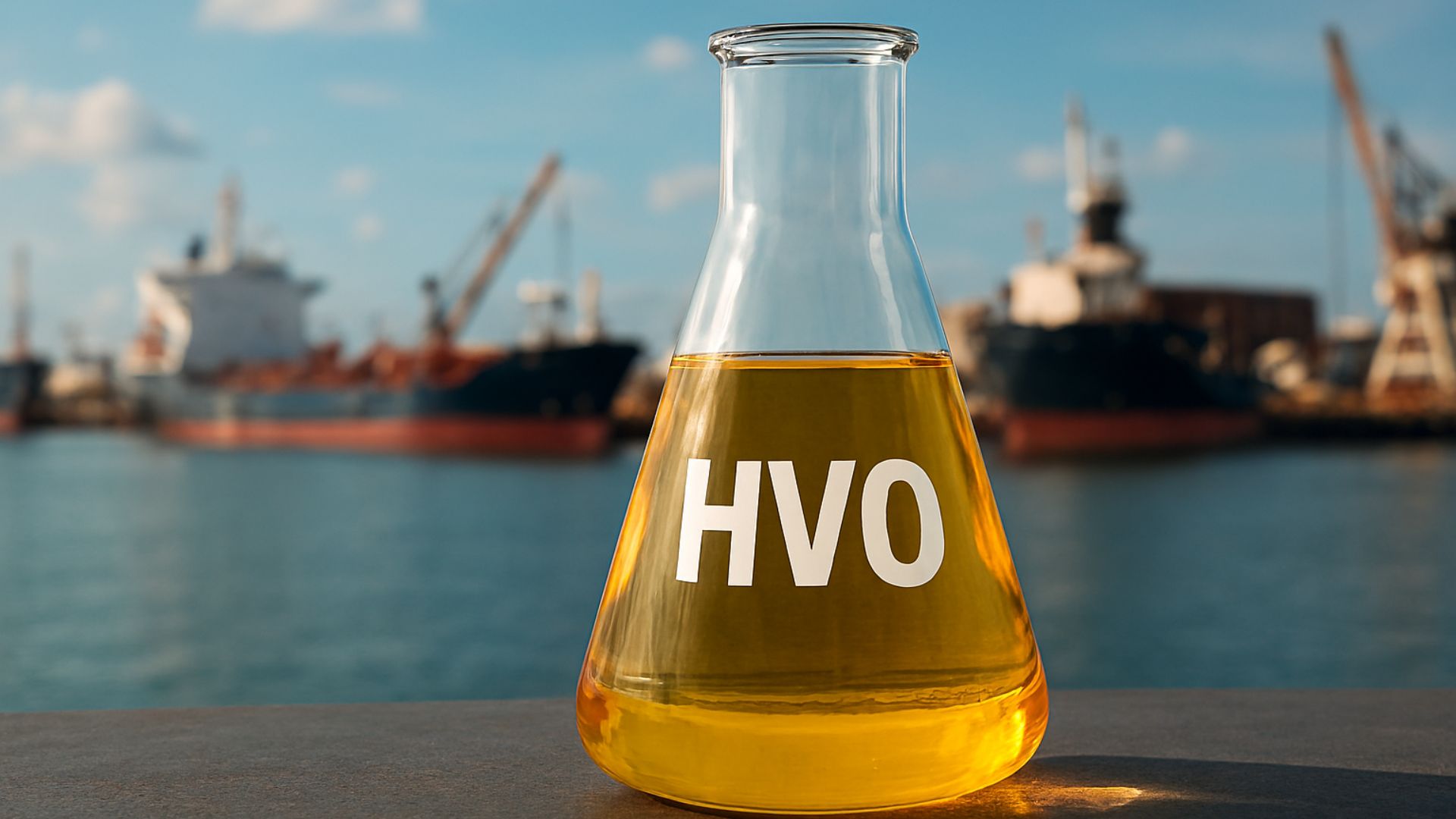
The Port of Açu Begins in 2026 the First Dredging Operation with Biofuel Using HVO, in Partnership with Van Oord, Reinforcing the Brazilian Agenda for Port Decarbonization
On December 2, 2025, the Port of Açu and Van Oord announced an unprecedented initiative in the Brazilian maritime sector: the first dredging operation with biofuel using HVO (Hydrotreated Vegetable Oil), a renewable diesel that promises to significantly reduce emissions associated with port activities. According to a report published by Guiamarítimo and other outlets, the adoption of the fuel will take place starting in 2026, during the maintenance dredging of the channels of the port complex located in the northern State of Rio de Janeiro.
Decarbonization as a Strategic Priority at the Port of Açu
The announcement marks a milestone for energy transition in Brazilian ports and positions the Port of Açu at the forefront of decarbonization in the maritime sector. According to information released by Guiamarítimo, the partnership reflects the port’s alignment with global sustainability goals and strengthens Van Oord’s commitment to environmentally friendly maritime operations.
The decision to use HVO in dredging stems from a consistent decarbonization agenda that the Port of Açu has been implementing over the past few years. As one of the largest port and industrial complexes in the country, Açu has advocated for the adoption of renewable fuels for tugboats, support vessels, and now dredging operations.
-
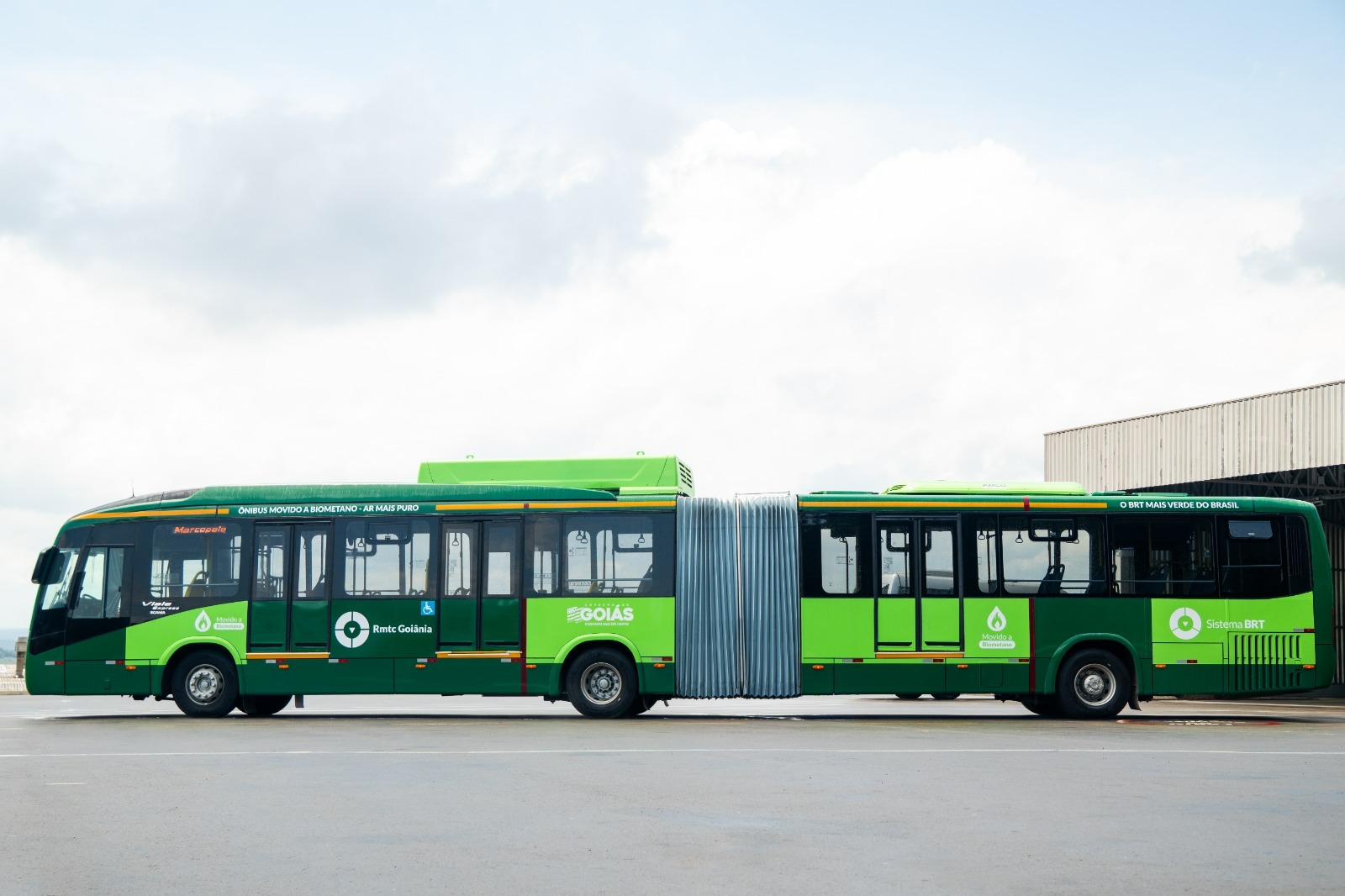
Revolution in public transport: Goiânia puts into circulation the first articulated buses powered by biomethane in Brazil and promises to drastically reduce pollution on the Anhanguera Corridor.
-
From the field to the pipelines: Mato Grosso do Sul accelerates the energy transition and consolidates a new axis in renewable energy with the arrival of a giant biogas plant.
-
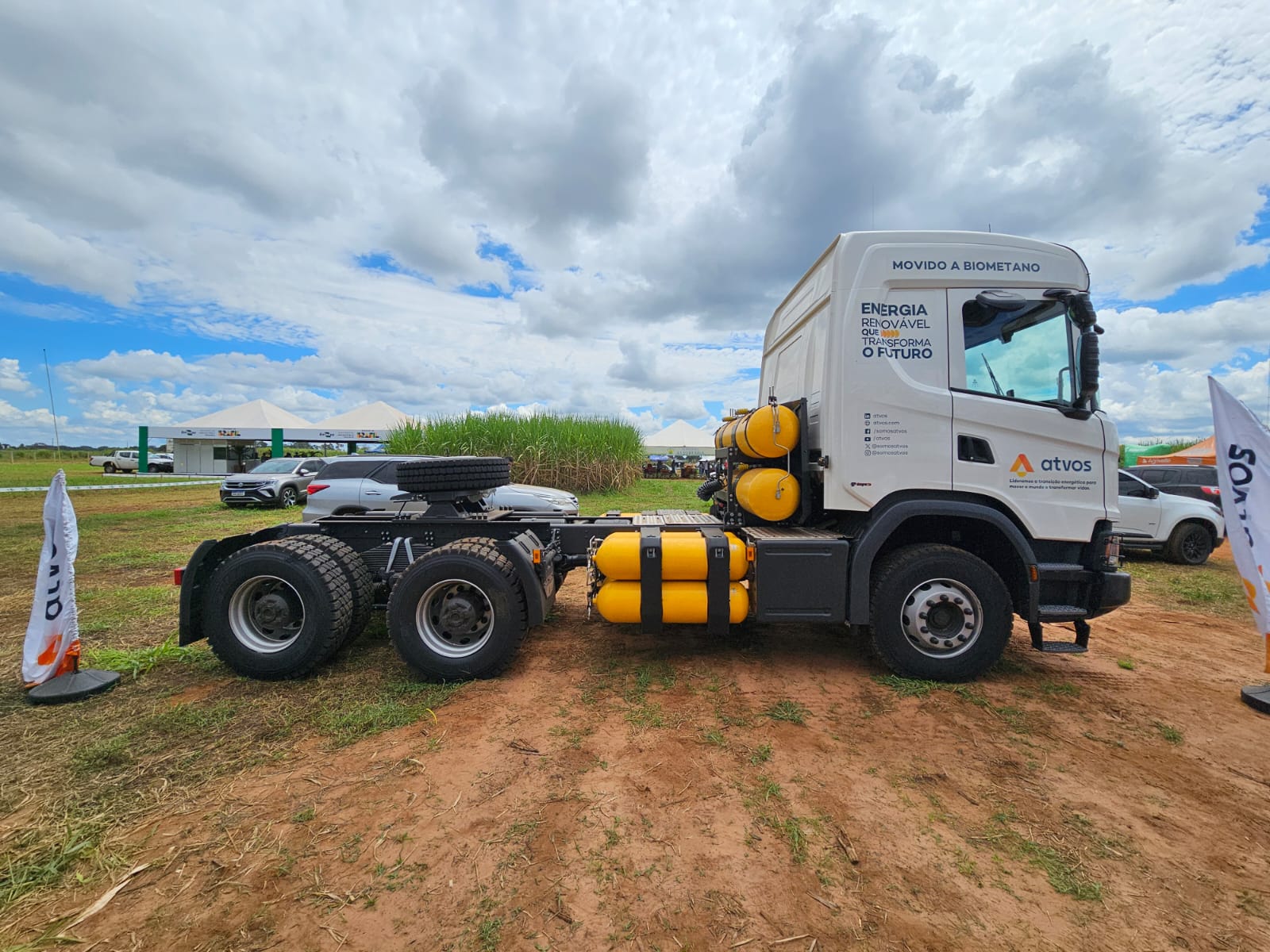
The Economist states that Brazil has a “secret weapon” against expensive oil and highlights how the country can reduce economic impacts even in international scenarios of high volatility.

-
Brazil accelerates decarbonization in the South: International forum in Foz do Iguaçu gathers leaders to discuss the advancement of biomethane in the energy matrix and the potential of “caipira pre-salt.”


The port had already carried out significant pilot operations with HVO in 2025. In March of that year, the Liquid Terminal (TLA) received the first supply of green biofuel for a tugboat in Brazil. In October, five tugboats participated in a maritime maneuver fueled exclusively by HVO, marking another national debut.
Van Oord and the Advancement in Dredging with Biofuel
Van Oord, one of the largest maritime engineering companies in the world, will be responsible for conducting the dredging with HVO at the Port of Açu. The company has extensive experience in coastal, port, and offshore infrastructure projects in various continents and has expanded sustainability initiatives in its global operations.
The adoption of renewable fuel in dredging reinforces the company’s strategy to reduce direct emissions and meet increasingly stringent environmental standards in ports and maritime routes.
The partnership between the Port of Açu and Van Oord symbolizes the union of technological innovation and environmental commitment in a sector historically dependent on fossil fuels.
The partnership highlights the commitment of the Port of Açu to drive energy transition in the Brazilian port sector by adopting solutions aligned with new environmental standards. The initiative strengthens the complex’s contribution to global emission reduction efforts and advancements in sustainable energy, emphasizes Vinicius Patel, Director of Port Administration and Services.
How Will Dredging with HVO Be Applied at the Port of Açu?
Dredging with Biofuel and Environmental Goals
The operation planned for 2026 consists of maintenance dredging of the access channels of the Port of Açu, essential to ensure adequate depth and safety for large vessels. The use of HVO in high-powered dredges can significantly reduce CO₂ equivalent emissions compared to conventional marine diesel.
International studies indicate that HVO can substantially reduce greenhouse gas emissions over the fuel’s lifecycle, depending on the raw materials used. This reduction is crucial for port operations, which traditionally concentrate a significant portion of their emissions from fuel consumption.
The new operational model could set a new standard for sustainable dredging in Brazil.
The Presence of HVO in the Brazilian Maritime Sector
HVO is among the most promising biofuels in the international market due to its high energy efficiency, stability, and compatibility with existing engines. Unlike traditional biodiesel, HVO can replace fossil diesel without the need for structural modifications, which facilitates its large-scale adoption.
In Brazil, the Port of Açu has stood out as one of the main hubs for testing and operations with renewable diesel, functioning as a supply point and operational laboratory. The consistency of operations carried out throughout 2025 allowed the port and Van Oord to expand the use of the fuel for maintenance dredging.
The Role of the Port of Açu in the Energy Transition
The Port of Açu has been consolidating itself as one of the most relevant poles of sustainable energy in the country. In addition to initiatives with biofuels, the complex also participates in projects related to green hydrogen, ammonia, renewable energies, and industrial decarbonization.
The port has been integrating, since 2024, a set of studies conducted by ANTAQ on low-carbon infrastructure and incentives for reducing environmental footprint. These initiatives reinforce the port’s institutional commitment to sustainable practices and its role as a reference in ecological maritime operations.
Infrastructure Necessary for the Continuous Use of HVO
To carry out the dredging with HVO, it will be necessary to maintain a consistent supply logistics adapted to the consumption of Van Oord’s large dredges.
One of the essential elements in this process is the Liquid Terminal (TLA), which has already demonstrated capacity to receive, store, and distribute renewable fuel during the tests conducted in 2025.
This type of infrastructure will be vital to support the increasing demand for sustainable fuels in maritime operations, especially if other companies and terminals in the country begin processes to replicate the practices adopted by the Port of Açu.
Challenges and Opportunities in the Use of Renewable Fuels
Despite advances, some challenges remain, such as the still high cost of HVO compared to conventional diesel and the limited supply in the Brazilian market. The expansion of domestic production and increased competitiveness are expected to be decisive factors in broadening the use of this type of fuel.
On the other hand, growing regulatory pressure and the advancement of environmental policies in Brazil and abroad are likely to accelerate investments in renewable sources for the maritime sector.
Ports that adopt low-carbon solutions tend to position themselves more competitively in international trade. The adoption of HVO in dredging may be a game changer in the environmental agenda of the Brazilian port sector.
Relevance of the Advancement for the Future of the Port Sector
The initiative announced by the Port of Açu and Van Oord represents not just a technological step, but a cultural shift in how port operations are planned and executed. The combination of emission reduction, operational innovation, and public commitment to environmental goals places the Brazilian port sector in tune with global sustainability agendas.
Moreover, the experience may become a replicable model for other ports, paving the way for a greener, more efficient maritime chain aligned with international decarbonization guidelines. The advancement symbolizes a structural transformation capable of redefining standards and expectations within port logistics and infrastructure.





Seja o primeiro a reagir!