





 Portuguese
  English
  Spanish
  5 min of reading
  2 comments


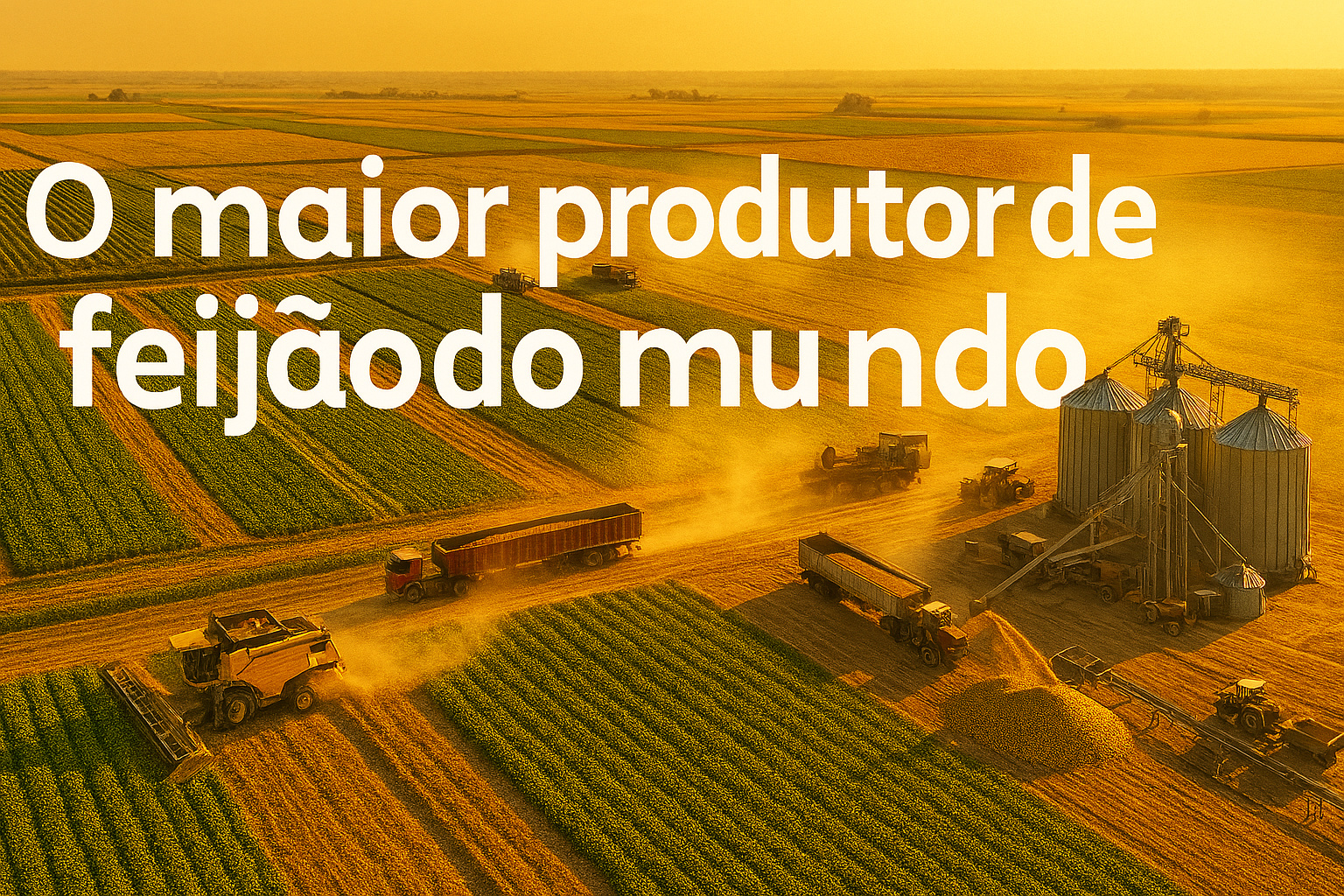


India Produces More Than 27 Million Tons of Beans Per Year and Leads the World with Mega Agricultural Projects, Advanced Irrigation, and Giant-Scale Production.
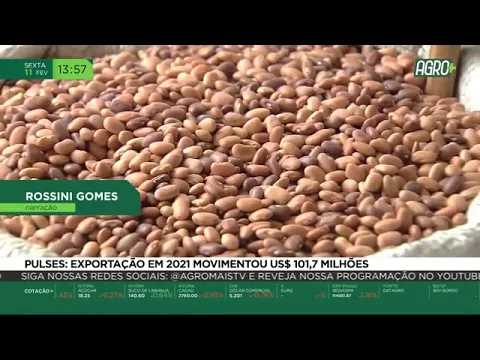
The strength of beans on the global table inevitably flows through the plains and rivers of India. Few Brazilians imagine that the country leading the world ranking is not a soybean giant or an ultra-mechanized barn like the United States—but rather a nation of family farmers, smallholders, agricultural research centers, and mega irrigation projects that, together, have created the world’s largest bean-producing powerhouse. There are more than 27 million tons per year, according to the latest data from the FAO (UN), a volume capable of sustaining a significant part of global food security.
Within this universe, beans are not just a staple food. They represent public policy, are ancient agricultural culture, involve technology, are part of the economy, and are crucial for survival. Understanding how India reached this position reveals an impressively integrated production model, ranging from the small farmer cultivating a single hectare to agricultural corridors with over 500 thousand continuous hectares, powered by deep irrigation, seeds developed in agronomic laboratories, and sequential harvesting systems operating like industry.
The World’s Largest Bean Producer: The Agricultural Engineering Supporting 1.4 Billion People
To support its own population while supplying emerging markets, India has made beans one of its pillars of food strategy. The scale is impressive: nearly 30% of all the beans harvested on the planet come from Indian lands, especially from the regions of Madhya Pradesh, Maharashtra, Rajasthan, and Uttar Pradesh.
-
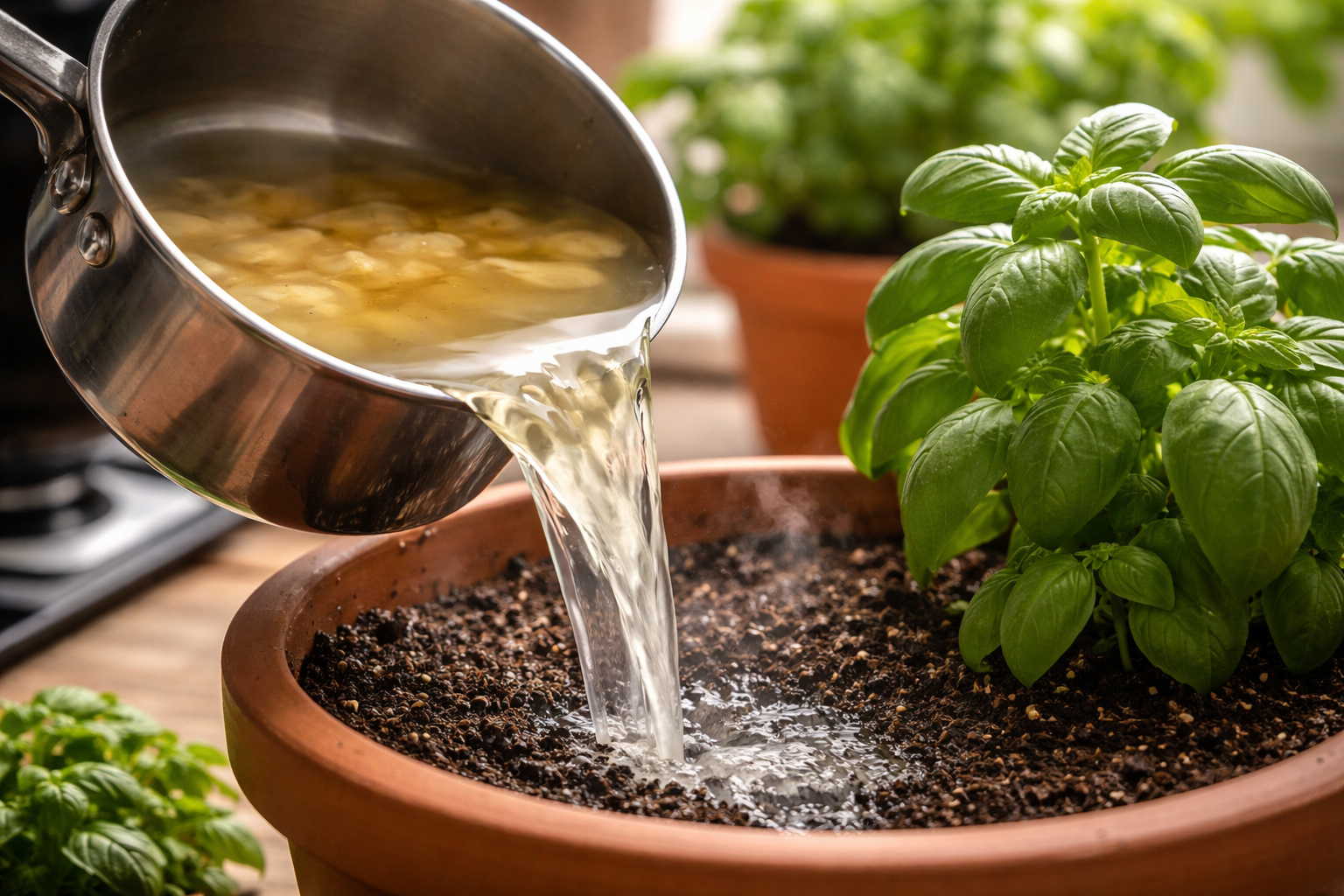
The water that almost everyone throws away after cooking potatoes carries nutrients released during the preparation and can be reused to help in the development of plants when used correctly at the base of gardens and pots, at no additional cost and without changing the routine.
-
The sea water temperature rose from 28 to 34 degrees in Santa Catarina and killed up to 90% of the oysters: producers who planted over 1 million seeds lost practically everything and say that if it happens again, production is doomed to end.

-
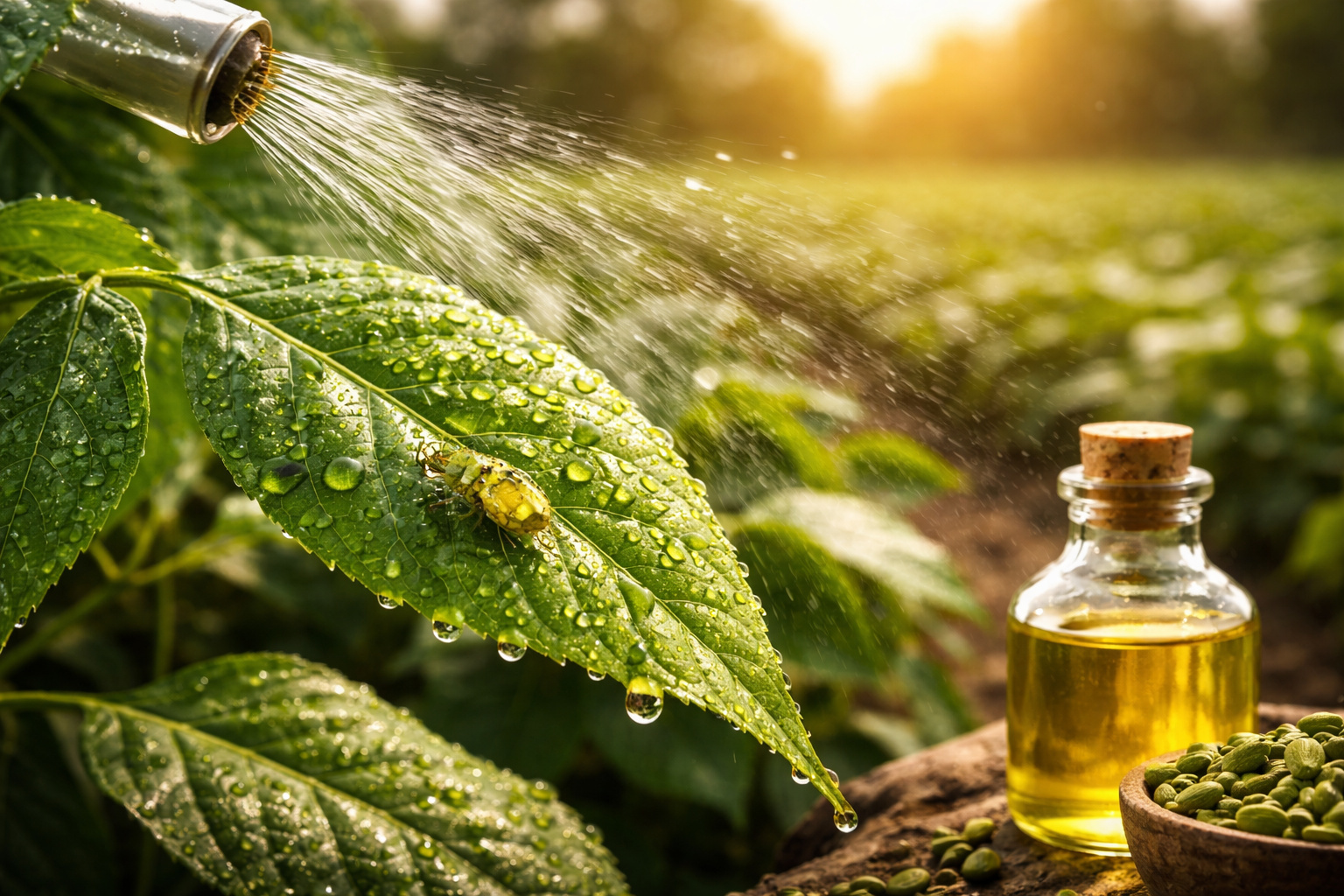
An Indian tree that grows in the Brazilian Northeast produces an oil capable of acting against more than 200 species of pests and interrupting the insect cycle, gaining ground as a natural alternative in soybean, cotton, and vegetable crops.
-
The rise in oil prices in the Middle East is already affecting Brazilian sugar: mills in the Central-South are seeing their margins shrink just as ethanol gains strength.

The engine of this growth has not just been the amount of land but something much more sophisticated: the ability to plant two and even three crops per year, thanks to a rotation system that integrates beans, lentils, and other legumes in short cycles. Thus, areas that in Brazil would have only one annual harvest can produce more than 2.5 tons per hectare in multiple cycles.


Moreover, India has heavily invested in seeds adapted to extreme climates. Researchers from the Indian Council of Agricultural Research (ICAR) have developed drought-resistant, heat-tolerant cultivars that previously devastated crops. Each new variety launched reduces losses, accelerates the cycle, and increases productivity.
Mega Irrigation Projects and Smart Water Use: The Backbone of Bean Production
In many agricultural districts, water is not abundant. To overcome this, the country has developed the largest micro-sprinkler and drip irrigation systems in the world. Projects such as Sardar Sarovar and canal networks from the Ganges and Narmada transport billions of liters per day to productive regions that would otherwise be barren.
The result is an environment where water is applied with millimeter precision, reducing waste and allowing plants to receive exactly what they need at the ideal moment. This has enabled the country to achieve increasing productivity even in poor soils, something few agricultural models can replicate.
In addition to irrigation, the adoption of moisture sensors and satellite-based weather forecasting allows for swift decisions: harvesting before severe rains, initiating emergency irrigation during heat waves, and even organizing transport to avoid post-harvest losses.
Family Farming + Mega Industrial Systems: The Fusion No One Expected
Contrary to the mindset of those who think that only agricultural giants produce on a large scale, the heart of bean production in India rests in the hands of millions of small farmers. Most cultivate areas between 1 and 4 hectares, but all are connected to cooperatives that function as agricultural intelligence centers.
These cooperatives:
• buy inputs directly from manufacturers
• organize sales logistics
• finance irrigation systems
• provide technical assistance
• guarantee minimum prices
• connect entire villages to major trading companies
The small farmer plants, harvests, and delivers—while the cooperative structure takes care of the rest. The cycle operates like a large, decentralized industry, but extremely organized.
The complement comes from high-scale agricultural zones, known as “agri belts,” areas with hundreds of thousands of continuous hectares dedicated to beans and legumes. In these regions, harvesters operate 24 hours a day during peak harvest, and transportation is done via railways that carry tons directly to processing centers.
From Harvest to Global Market: How India Supplies the World
After being harvested, beans head to industrial centers where peeling, density selection, and optical color sorting occur. The smallest and largest defects are removed by machines that can process 20 tons per hour. The country operates industrial plants at the same levels of efficiency and technology seen in soybean giants.
This process allows Indian beans to reach significant volumes in markets such as:
• Middle East
• Southeast Asia
• Africa
• Latin America
And it doesn’t stop there: with the growing demand for plant-based proteins worldwide, beans have become a key ingredient for processed foods, protein blends, and vegan products—areas where the country is also rapidly growing.
Why Does India Dominate the Planet? An Economic and Food Model Based on Legumes
If it were merely by volume, it would be remarkable. But India dominates the bean market because beans are culture, a staple food, and a national strategy.
The factors sustaining this supremacy are clear:
• Available land in fertile regions
• Capacity for multiple annual harvests
• Seeds developed for extreme climates
• Massive irrigation systems
• Strength of organized family farming
• Gigantic internal market
• State support and constant scientific research
For the country, beans are not just an agricultural product. They are a gear of the economy, public health, and the very identity of food. And it is precisely this integration that makes it impossible for any other country to compete on equal footing.
The Future: More Technology, More Precision, and Even More Production
With the government’s goal of reducing post-harvest losses that are still high and increasing smart irrigation, the country plans to reach 30 million tons in a few years. Recent research is developing cultivars capable of growing with 30% less water and even blooming under 45 °C heat.
FAO experts state that if India achieves just half of the projected advancements, it will consolidate an practically unattainable leadership, not for being the largest exporter (it’s not), but for being the largest producer and the largest consumer of beans on the planet.









Na Índia o governo apoia o Agro diferente do Brasil
Ótima matéria