





 Portuguese
  English
  Spanish
  4 min of reading


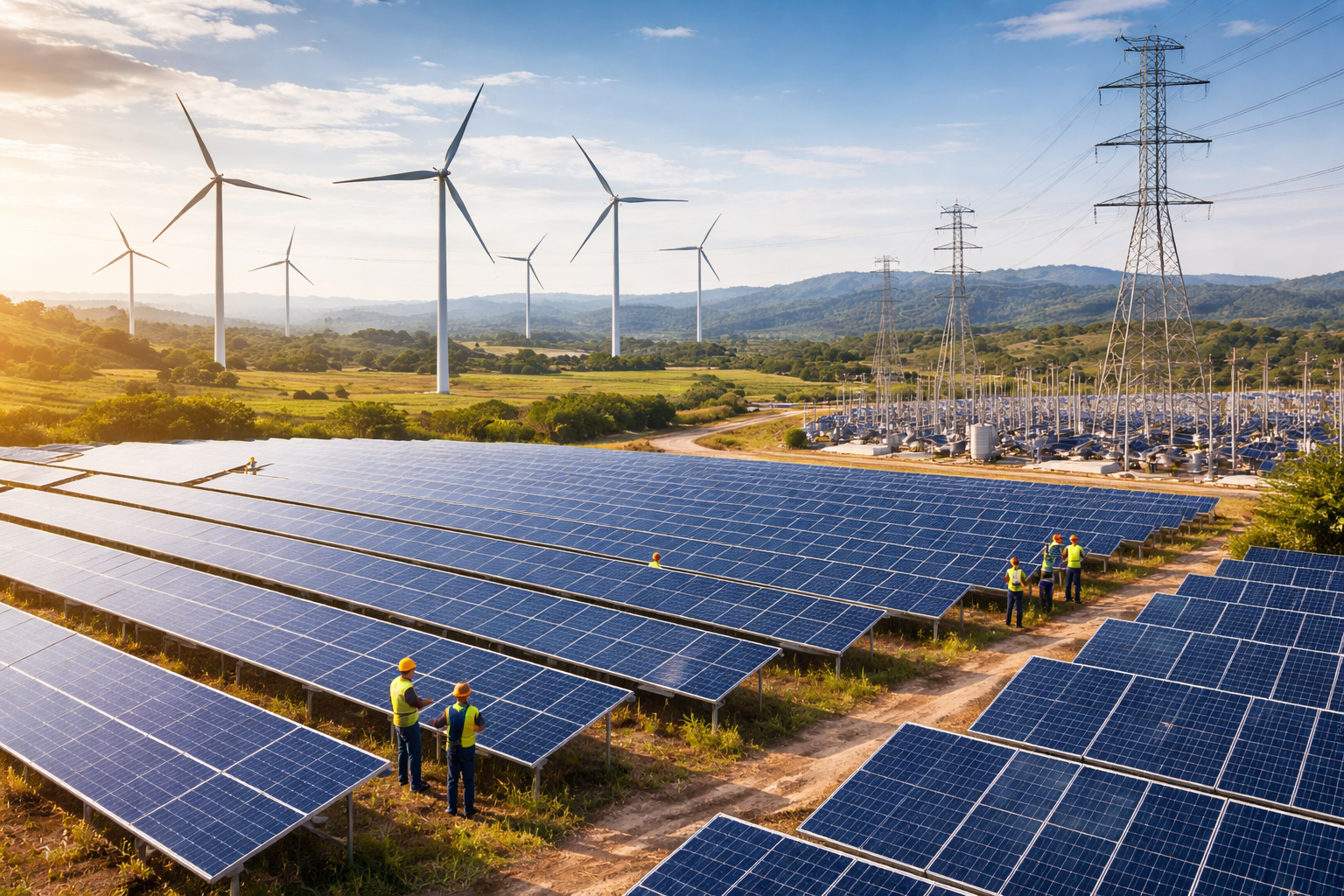
The Ministry of Mines and Energy Ministry of Mines and Energy (MME) has opened a public consultation to discuss the rules for reimbursement for energy generation cuts, known in the sector as curtailment. The proposal focuses on wind and solar energy generators that had their production limited by operational restrictions in the National Interconnected System (SIN).
The initiative comes at a time when the Brazilian electrical matrix is undergoing structural changes. As the installed capacity of renewable sources grows rapidly, especially in the Northeast and Southeast, generation cuts have become more frequent. Thus, defining clear criteria for financial compensation has become essential to provide predictability for the sector.
From the outset, the MME indicates that the consultation seeks to balance economic interests, the security of the electrical system, and the continuity of investments in clean energy.
-
Brazilians paid R$ 18 billion more for energy from the Itaipu plant, reflecting a direct impact on tariffs and generating discussions about costs, transparency, and balance in the national electricity sector.

-
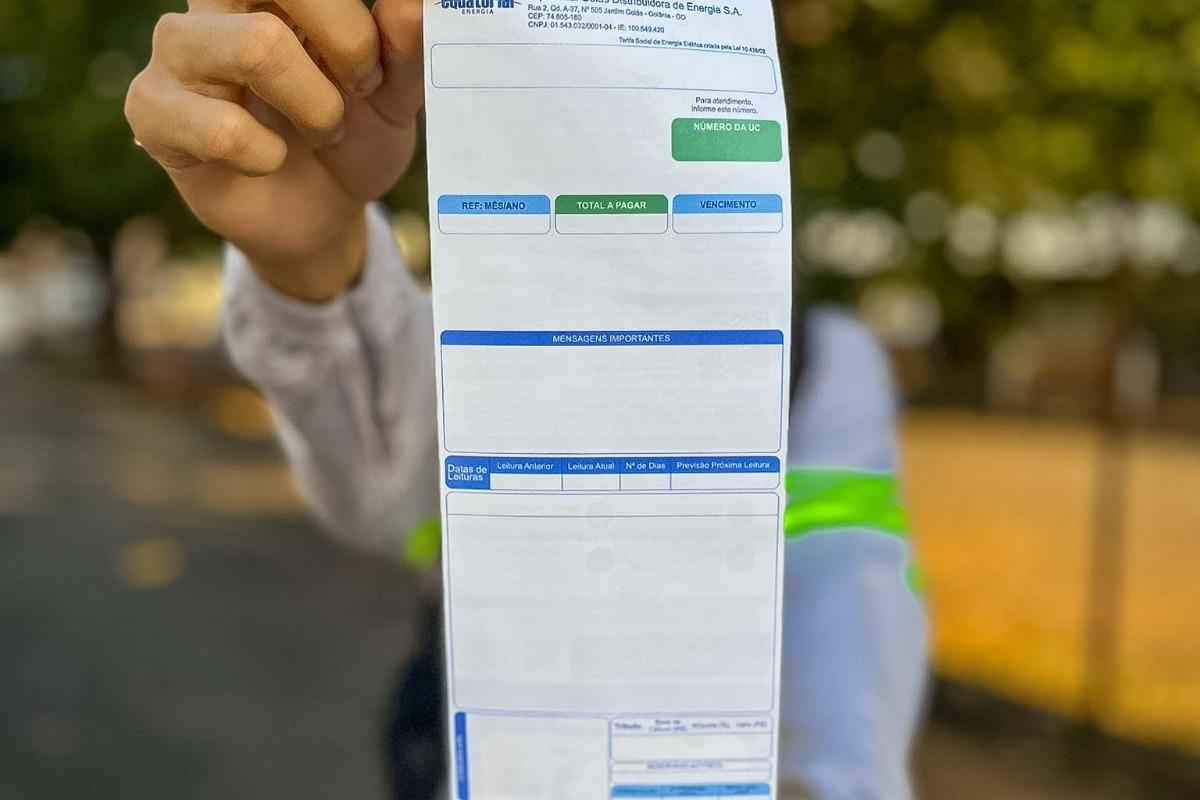
Equatorial adopts new national number for consumer units on electricity bills starting in April, following ANEEL standards and modernizing energy bills in several states.
-
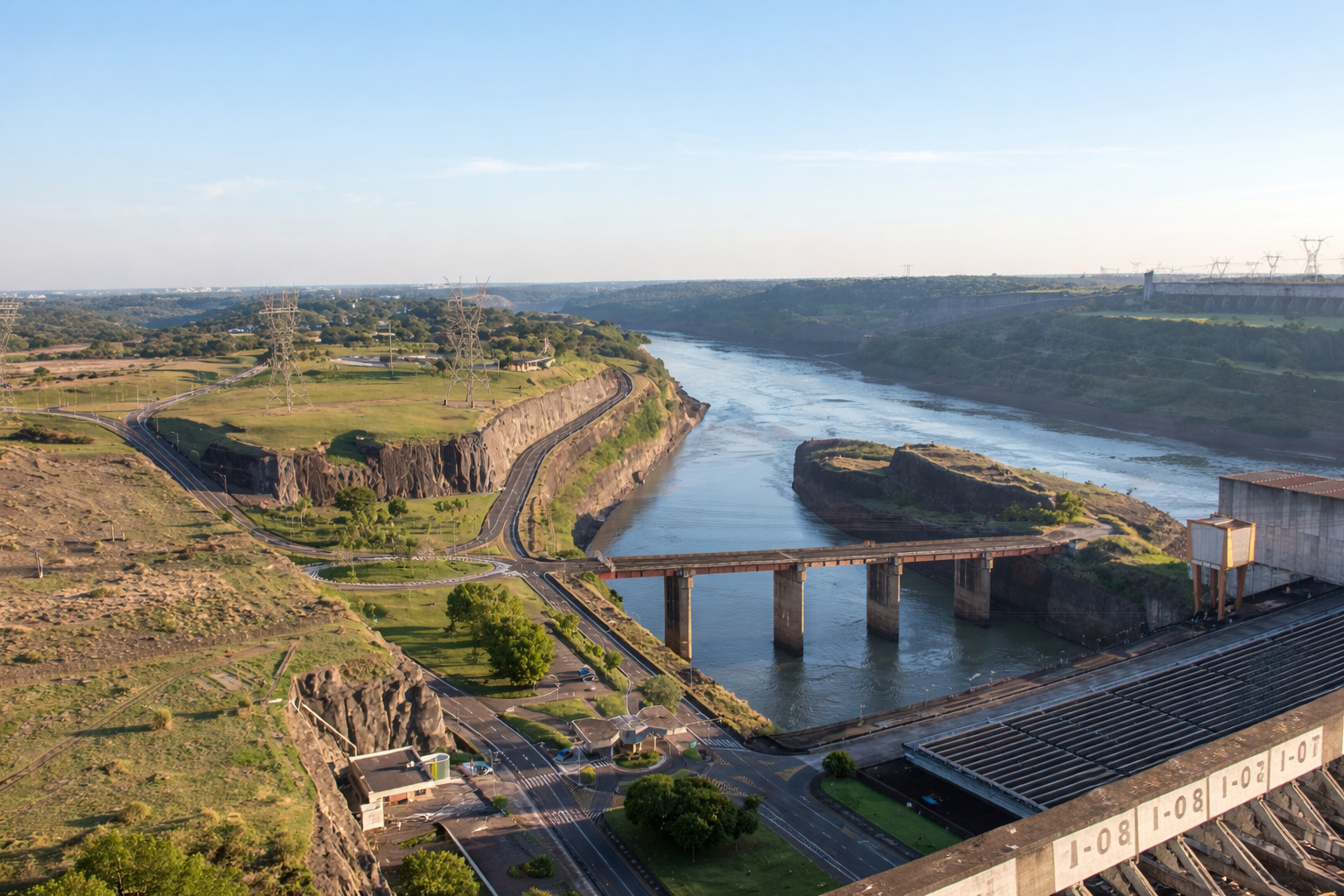
Itaipu Impresses the World: Hydroelectric Plant with 20 Turbines and 14,000 MW Generates Over 2.9 Billion MWh and Leads Global Clean Energy Production
-
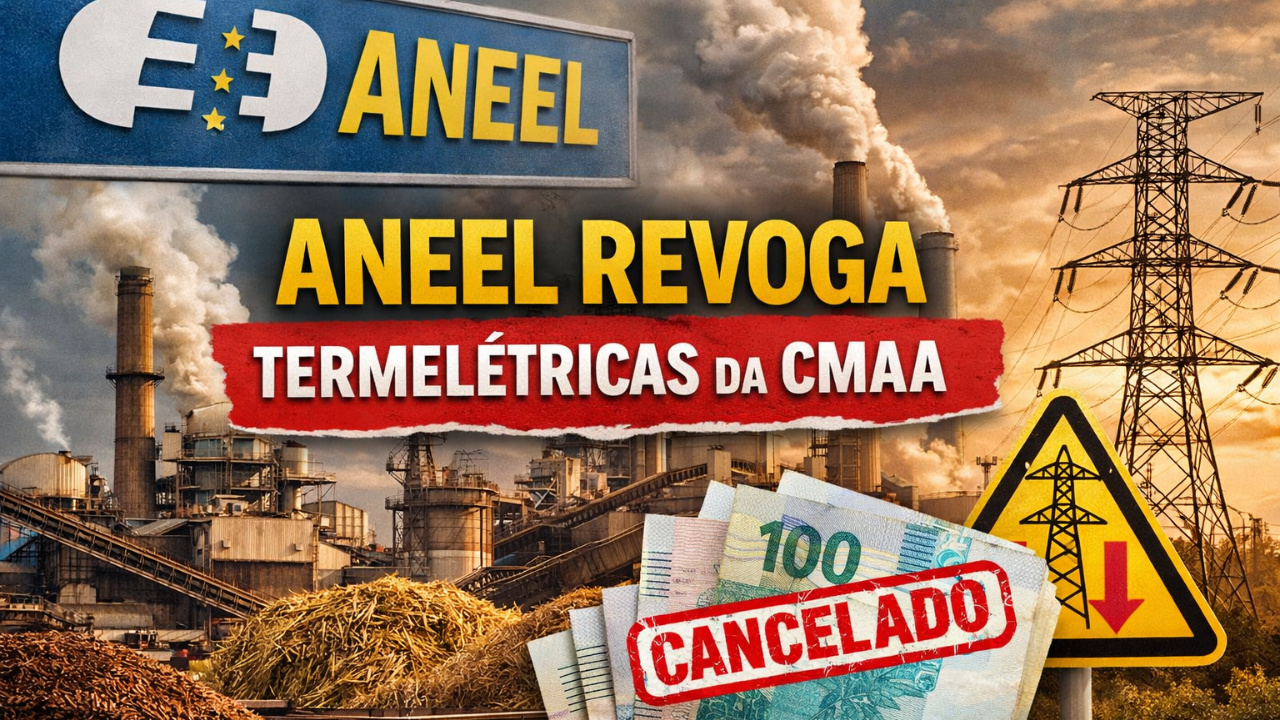
Aneel Revokes CMAA Thermal Power Plants After Network Restrictions and Excess Energy in the System

What Are Generation Cuts in the SIN
Generation cuts occur when power plants, even capable of producing energy, receive orders to reduce or interrupt production. This mainly happens due to transmission limitations, excess supply at certain hours, or the need to maintain the stability of the electrical system.
According to the government, this phenomenon has become more common with the expansion of solar and wind generation, intermittent sources that concentrate production at specific times of the day or year. When the generated energy cannot be dispatched or absorbed by the system, the National System Operator determines the cut.
In this context, generators end up being financially impacted, even without operational or technical failure. Therefore, the discussion about reimbursement has gained traction in recent years.
The Reimbursement Proposal Under Discussion
According to the MME, the compensation under analysis is exclusively aimed at wind and solar energy generators affected by generation cuts in the SIN. The purpose of the public consultation is to gather technical and economic contributions to help define fair and transparent criteria.
Among the points under debate are the situations where reimbursement would be applicable, the calculation methodology, and the limits of compensation. Additionally, the government is assessing how to avoid distortions that could transfer excessive costs to the electrical system as a whole.
Thus, the public consultation represents a relevant step in building a more mature regulatory framework for renewables.
Expansion of Renewables and New Challenges
Historically, the Brazilian electricity sector has been structured around large hydroelectric plants. However, in recent years, wind and solar energy have taken the lead, driven by lower costs and incentive policies.
As a consequence, regions with a high concentration of projects have begun to face transmission bottlenecks. Even with available energy and growing demand, infrastructure does not always keep pace with expansion.
Thus, generation cuts have ceased to be occasional events and have begun to integrate the operational reality of the system. This new scenario requires regulatory instruments capable of protecting investments without compromising the sector’s efficiency.
Legal Security and Attracting Investments
For investors and generators, defining reimbursement rules is seen as a key factor for legal security. Without clear criteria, projects become riskier, which can increase financing costs or delay new investments.
According to experts in the electricity sector, the lack of adequate compensation may especially affect more recent projects, which still depend on predictable revenues to achieve financial balance.
On the other hand, the government seeks to prevent reimbursement from becoming an indirect incentive for the disorderly expansion of generation in already saturated regions. Therefore, the public consultation also discusses mechanisms that encourage better locational planning of projects.
The Role of the MME in Coordinating the Debate
By opening the public consultation, the MME reinforces its role as coordinator of national energy policy. According to the ministry, the construction of the rules must consider contributions from generators, consumers, market agents, and technical specialists.
Moreover, the debate interacts with other fronts of the electricity sector, such as the expansion of transmission, the use of storage systems, and the modernization of energy dispatch.
In this way, reimbursement for generation cuts is not treated in isolation but as part of a broader transformation of the Brazilian electrical system.
A Significant Step Towards the Maturity of the Sector
The opening of the public consultation marks an important advancement in adapting the regulatory framework to the new reality of renewable energies. As the participation of wind and solar increases, operational challenges become inevitable.
In this scenario, defining clear reimbursement rules helps reduce uncertainty, strengthen investor confidence, and ensure the continuity of the energy transition. At the same time, the debate allows for calibrating responsibilities and costs in a balanced manner.
Thus, the MME’s initiative signals that Brazil seeks to mature its electrical model, reconciling the expansion of renewables, system stability, and long-term economic sustainability.








Seja o primeiro a reagir!