





 Portuguese
  English
  Spanish
  3 min of reading
  1 comment




The Controversial Granting of BR-163 Is At Risk! TCU May Block a Billion-Dollar Investment in Highways, Causing a Planned Solution to Recede.
A billion-dollar legal battle threatens to paralyze the anticipated reform project of the BR-163, a strategic highway for transportation in Brazil.
The Federal Court of Accounts (TCU), which has been reviewing a proposal between the concessionaire CCR MSVia and the federal government for over a year, brought a twist to the process.
The vote of rapporteur minister Aroldo Cedraz, against the agreement, cast a shadow of uncertainty over the future of the concession.
-
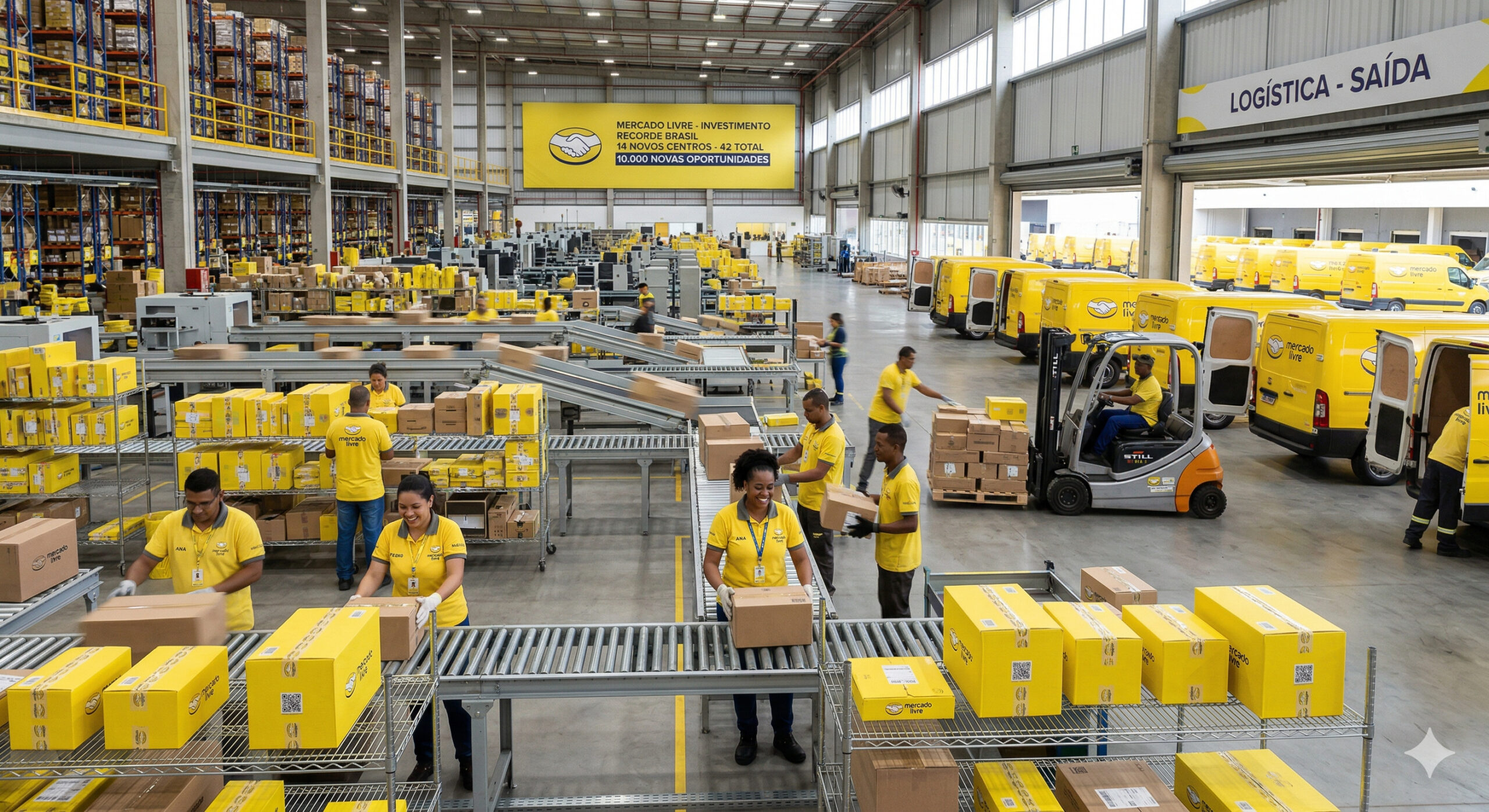
Mercado Livre “opens the vault” and announces a record investment of R$ 57 billion in Brazil in 2026, a value 50% higher than the previous year, with an expansion plan that includes 14 new logistics centers, totaling 42 units in the country and hiring an additional 10,000 employees.
-
How investment in technology can revolutionize the national economy and enhance industrial gains, according to a study that highlights the direct impact on productivity, innovation, and wealth retention within Brazil.

-
The largest food company on the planet, JBS, has just opened a 4,000 square meter laboratory in Florianópolis to develop customized proteins that modulate muscle mass gain, immune response, and metabolic performance.

-
After nearly 30 bids and competition among industry giants, a Spanish company purchases one of the largest airports in Brazil for almost R$ 3 billion and takes over the management of Galeão in a concession that will last until 2039.


Initial Decision by TCU
The TCU’s decision, scheduled for the next 13th, will be crucial for the future of BR-163.
According to Cedraz, the project disrespects legal norms by including changes in toll values, in addition to extending the concession period and modifying mandatory investments, without guarantees of compliance.
The rapporteur’s rejection, if confirmed, would render the billion-dollar investment unfeasible, putting the continuation of the work in jeopardy.
Intense Debate in the Plenary
Cedraz’s vote divided the plenary. Minister Augusto Nardes requested a more in-depth analysis, postponing the decision.
Another minister, Benjamin Zymler, opposed the rejection, arguing that the TCU has already approved similar concessions.
TCU President Bruno Dantas agreed, highlighting the benefits of a consensual solution.
“This procedure is advantageous for society and should not be blocked by merely legal matters,” Dantas said, according to TCU sources.
Justifications of Cedraz
In his justification, Cedraz emphasized that the National Land Transportation Agency (ANTT) and CCR MSVia did not comply with norms established by law, such as the re-bidding in cases of poor performance of the concessionaire.
“This court cannot allow a consensual solution to replace the re-bidding, a legal instrument for these cases,” declared Cedraz.
For Cedraz, the current proposal creates an indefinite bond between the concessionaire and the highway.
Moreover, he stated that the change in toll rates and the extension of the concession period is a direct affront to the legal provisions of the concession, which require that contractual changes comply with the initial bidding conditions.
Challenges and Economic Impact
According to the State Department of Infrastructure and Logistics (Seilog), the project funds would be applied until the end of the concession, in 2059, including R$ 2.3 billion for the first three years.
Experts warn that the cancellation of the agreement would result in economic and logistical losses, impacting the transportation of goods and the flow of harvests.
Cedraz mentioned that although the federal government faced difficulties in reassuming BR-163, he could not support an act he deemed illegal.
According to him, the term of self-composition – a technical document with rules and conditions of the agreement – does not meet the principles of proportionality and legality required by the TCU.
Process and Deadlines
The proposal from ANTT, which included CCR MSVia, has been under analysis by TCU since September of last year.
After 14 months of proceedings, Cedraz’s report and the draft of the term of self-composition were presented to the plenary only last month.
Although the document has been ready since June, the vote has been postponed several times, now depending on the final position of the plenary.
Opposition to the Consensual Proposal
For Cedraz, the issue lies in the legality of the proposal, as it could compromise future highway concessions.
According to him, “the consensual solution, although useful, should not replace the re-bidding process, which ensures transparency and competitiveness.”
In response, the Public Prosecutor’s Office alongside the TCU also opposed the proposal, stating that ANTT and CCR MSVia were favoring a single company, compromising the legal principles of equality in concessions.
Consequences of the Final Decision by TCU
The outcome of this vote will not only decide the future of BR-163 but will also set precedents for how TCU will handle consensual proposals in infrastructure concessions.
Many experts point out that the decision could influence highway concessions across the country.
The reform of BR-163 would bring a real solution to transportation issues in Brazil, or would it be just another project surrounded by bureaucracies and irregularities?









O Brasil precisa evoluir economicamente,
Eu sempre pensei; porque no Brasil não fizeram ainda uma autoestrada? Que passa
Por regiões, lá onde já tem e só colegar.Pedágios a baixo preço anual.. seguir modelo da Suiça.