





 Portuguese
  English
  Spanish
 4 min of reading
  0 comments


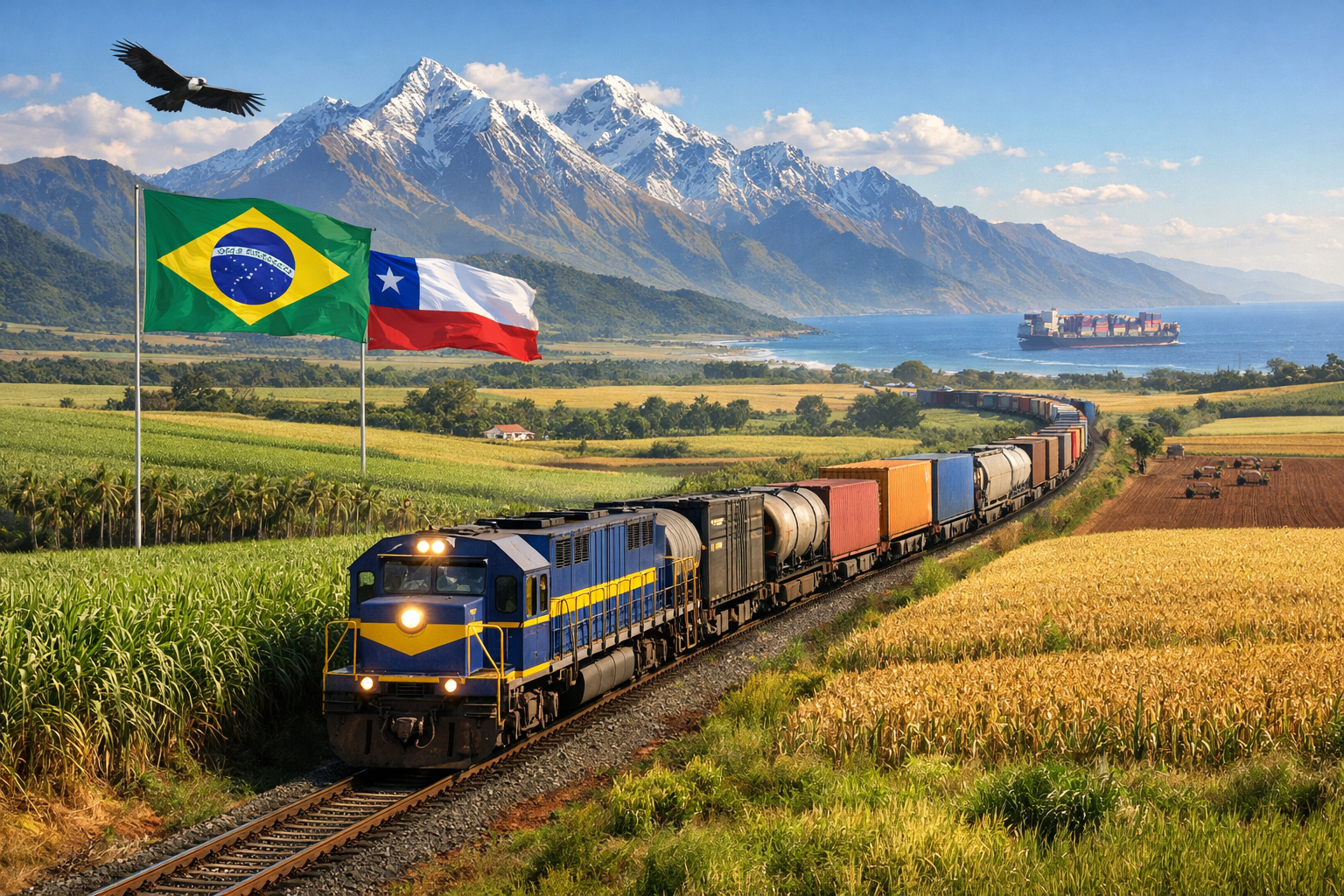
Continental Scale Project Connects Strategic Ports, Reduces Transportation Time to Asia, Lowers Logistics Costs, and Repositions Brazil in a New Geopolitical Dynamic
Brazil and China are negotiating the construction of a bioceanic railway that promises to redesign the logistics of South America. Currently, the project envisions linking the port of Ilhéus, in southern Bahia, to the port of Chancay, in Peru. In doing so, the railway corridor would connect the Atlantic to the Pacific, with Chinese financial support and a direct focus on the export of Brazilian commodities to the Asian market.
The information was disclosed by Exame.com, according to a report published in February 2026. According to the site, despite the signing of a cooperation agreement between Brazil and China, the project has not advanced since July of last year. For this reason, the initiative still remains in the preliminary phase.
A Megaproject That Depends on Technical Studies and Diplomatic Agreements
As a megaproject in infrastructure, the railway requires a long sequence of steps. First of all, the government needs to complete detailed technical studies. Additionally, it will be necessary to define the final layout, conduct environmental assessments, and structure financing models. Consequently, the process can take years.
-
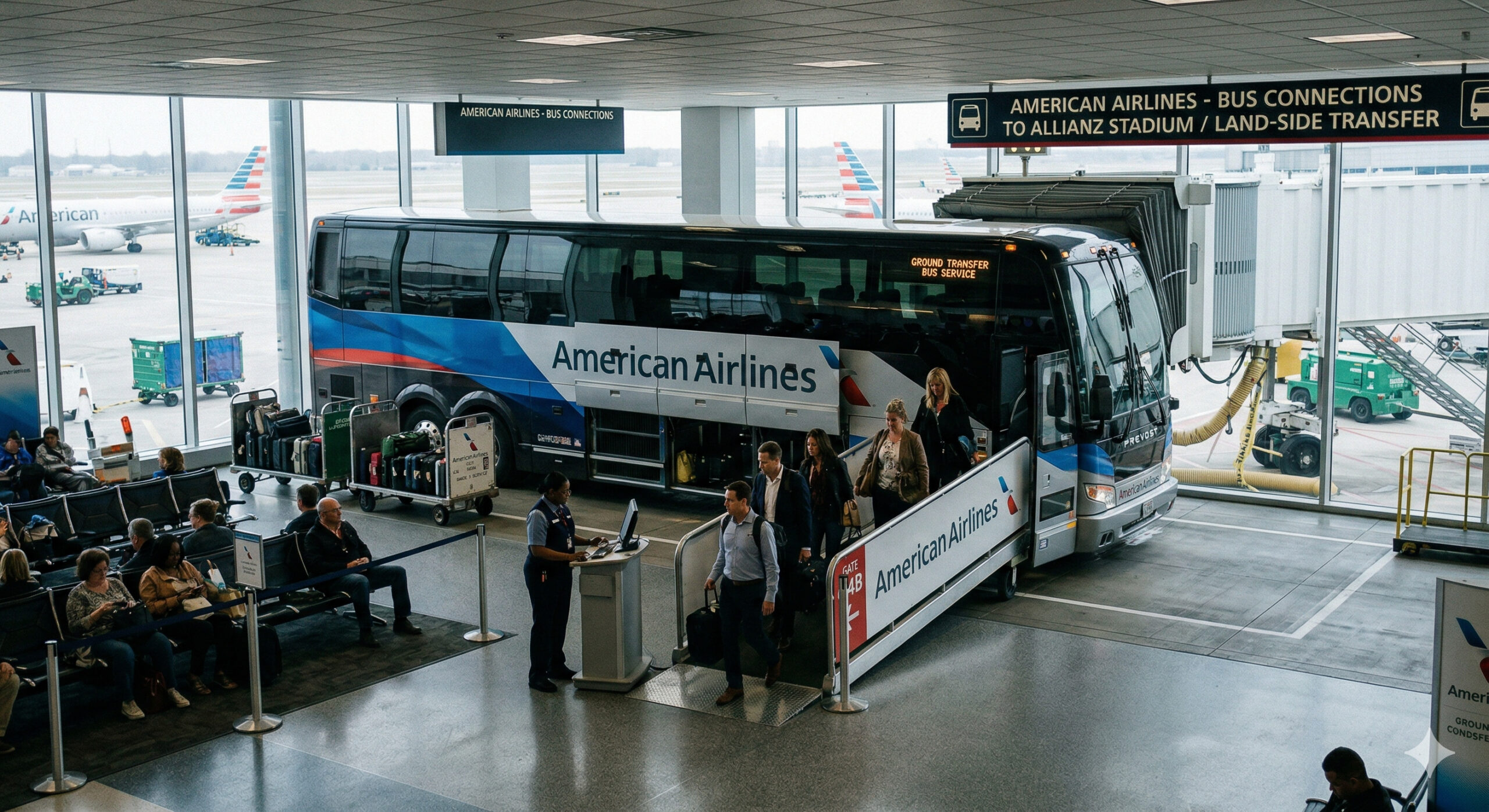
American Airlines starts selling trips as if they were flights, with check-in and baggage check at the airport, but on short routes, passengers board luxury buses connecting cities to major hubs in the U.S.
-
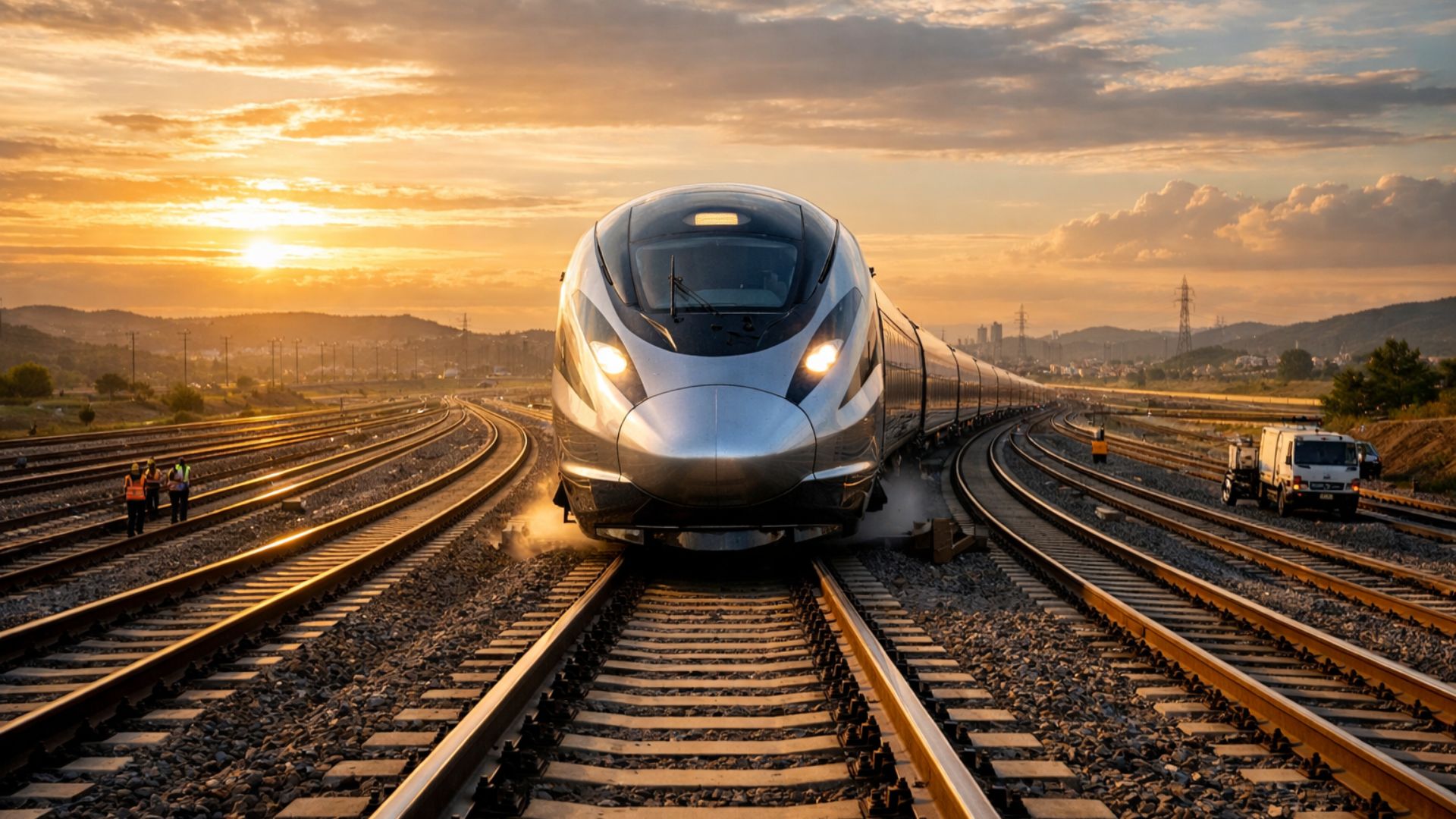
São Paulo surprises the world with a colossal railway network project that promises over 1,000 km of tracks, R$ 194 billion in investments, and 40 projects connecting the capital to the interior with fast and sustainable trains.
-
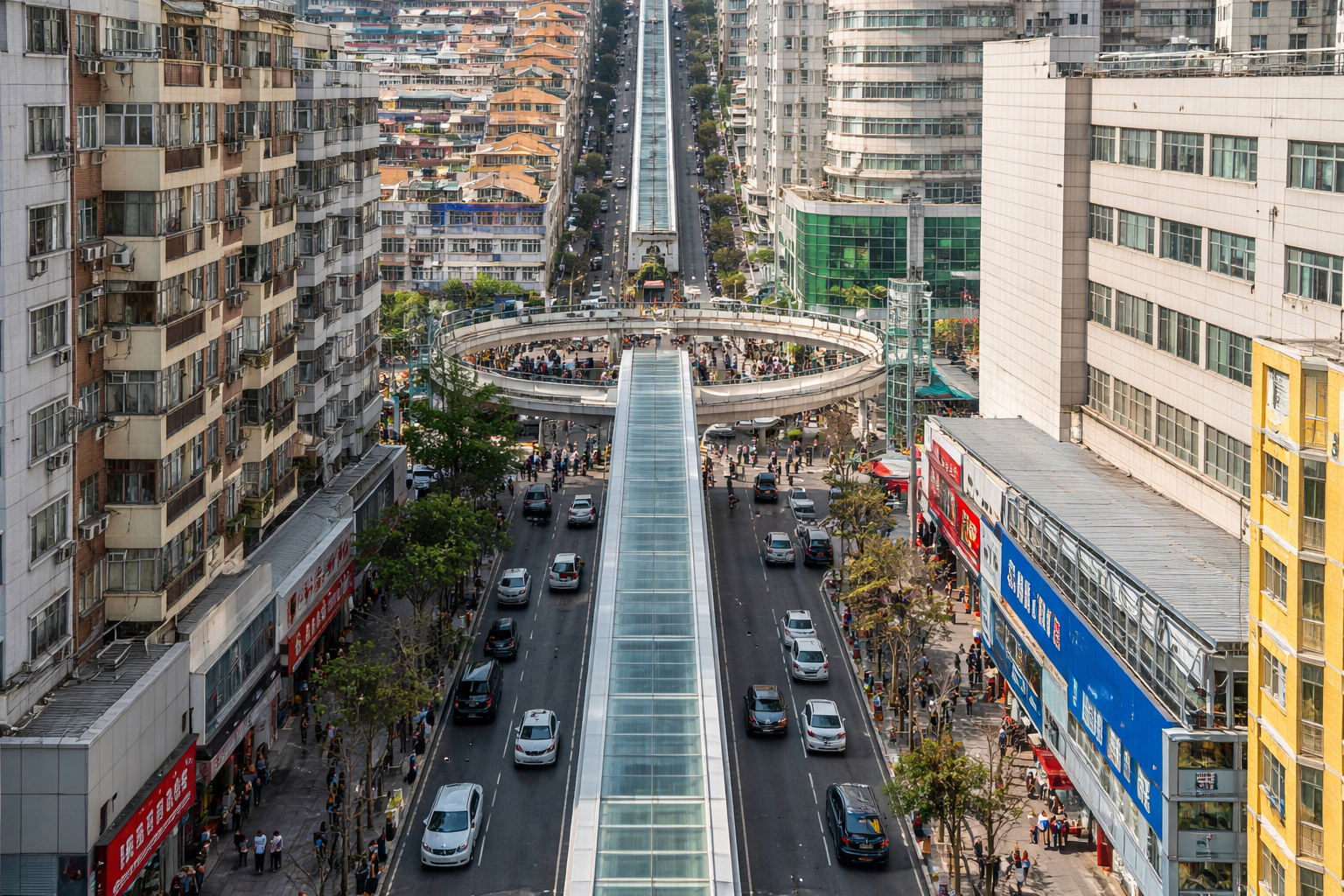
The world’s largest escalator, measuring 905 meters in China, reduces urban travel time from 1 hour to about 20 minutes and transforms mobility in mountainous regions with an engineering solution adapted to the terrain.
-
A R$ 300 million logistics giant is taking shape in Serra with over 100,000 m² and raises a question: how can this transform e-commerce and distribution in the state?
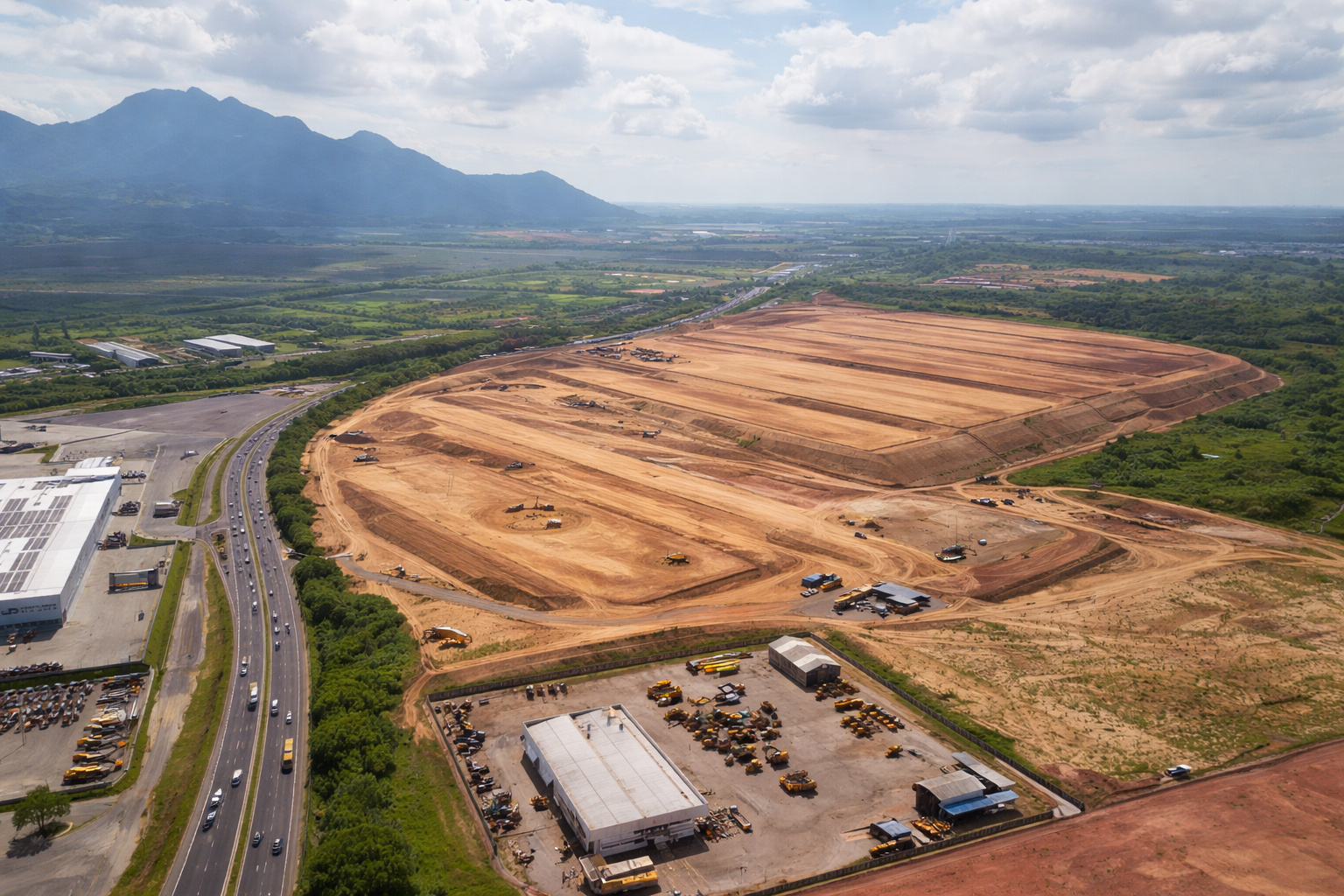
The Ministry of Transportation reported that initial studies assess the use of sections of existing railways within Brazilian territory. However, the agency has not yet disclosed which segments may be integrated into the new corridor. So far, there are also no official cost estimates or timeline for the start of construction.
A Railway Corridor from the Atlantic to the Pacific

According to the preliminary layout, the railway is expected to cross Bahia, Goiás, Mato Grosso, Rondônia, and Acre. Following that, the corridor will cross the border into Peru until it reaches the port of Chancay, on the Pacific coast.
The port was inaugurated in 2024, with Chinese financing, and is part of the Belt and Road initiative, a global infrastructure strategy led by Beijing. Although Brazil is not formally part of the program, the railway creates a direct connection to one of the main Chinese hubs in the region.
According to projections by the Peruvian government, the new route could reduce the average transportation time of Brazilian goods to Asia from about 40 to 28 days. Additionally, expectations indicate a significant decrease in logistics costs, with greater use of rail and maritime modes, replacing road transportation and ports in southeastern Brazil.
Economic Impacts and New Commercial Dynamics
The creation of the bioceanic corridor represents an unprecedented logistical alternative for Brazil. Historically, Brazilian exports have concentrated on the Atlantic. Now, with the new railway, producing regions in the interior will have direct access to the Pacific.
As a result, sectors such as agribusiness, mining, and energy are likely to gain competitiveness. At the same time, the reduction in costs could enhance Brazil’s presence in the Asian market, particularly in China.
Geopolitical Interests and China’s Strategy
Experts assert that the project goes beyond logistical efficiency. According to analyses by Horizon Advisory, the railway is part of a broader strategy by China to expand its influence in South America, diversify trade routes, and reduce dependence on bottlenecks such as the Panama Canal.
The total investment in the logistics corridor—which includes the port of Chancay and the railway—is estimated at US$ 3.5 billion. This move occurs, notably, during a critical moment for global trade, characterized by congestion and operational restrictions in the Panama Canal, exacerbated by recurring droughts.
Moreover, the port of Chancay was designed to accommodate large vessels and operate with a high level of automation. In this way, it establishes itself as the main hub of China’s strategy in South American Pacific and as the final point for cargo transported by the railway.
A Structural Change in South American Logistics
The direct connection between producing areas in the interior of Brazil and the Pacific could alter historically established trade flows. By reducing deadlines, costs, and dependence on congested routes, the project creates new opportunities for Brazilian foreign trade.
Finally, although the railway is still in the early stages, the project symbolizes a structural change in regional logistics. If it comes to fruition, the work could reposition Brazil in global trade and deepen China’s presence in South American infrastructure.
In your opinion, does this railway have real potential to transform Brazilian logistics, or may environmental and political challenges hinder the project’s progress?









-

3 pessoas reagiram a isso.