





 Portuguese
  English
  Spanish
  4 min of reading
  0 comments


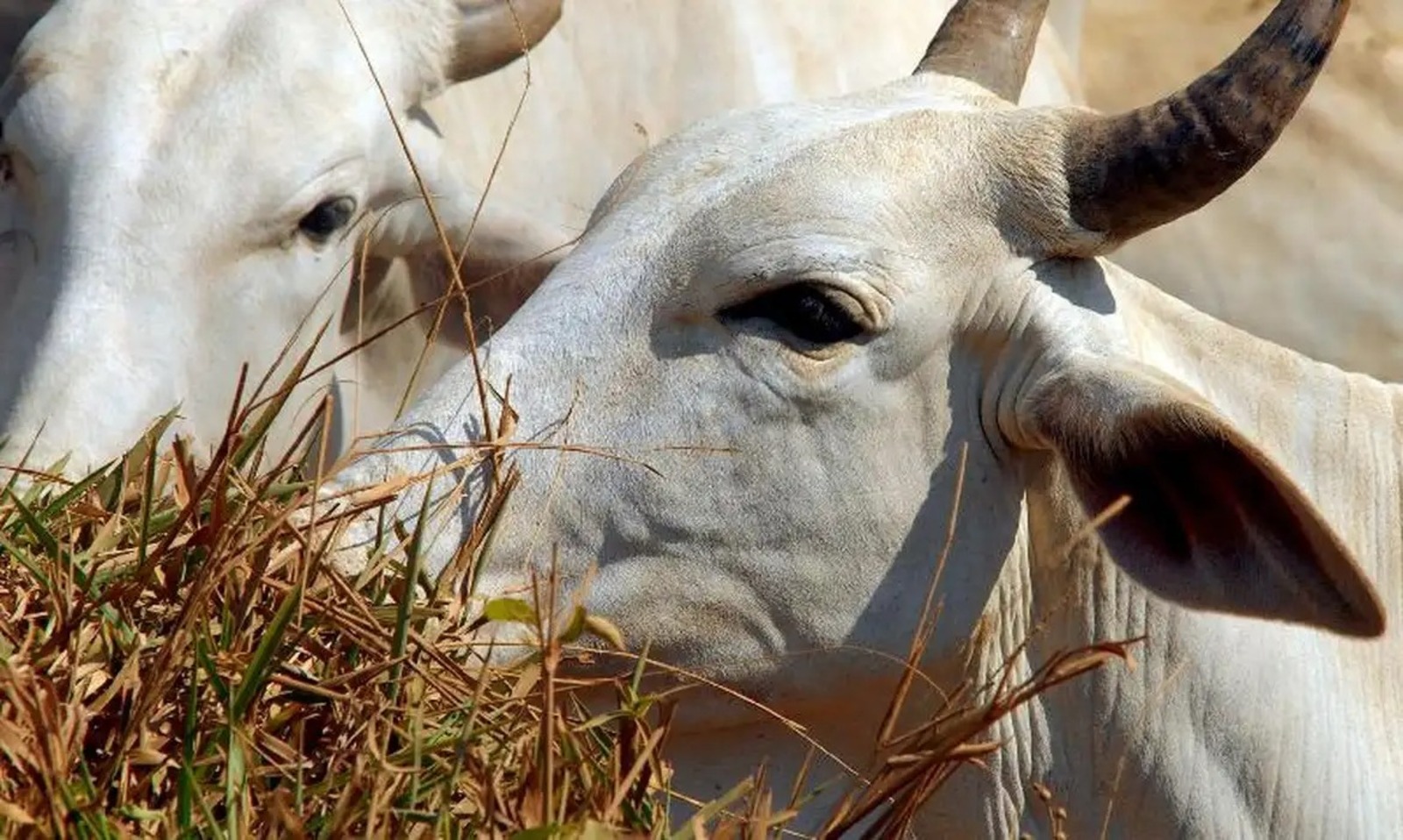
Cattle Female Slaughter Increases in Brazil, Surpassing Males for the First Time and Warning of Impacts on Production, Future Prices, and Exports
The Brazilian livestock sector has received an unprecedented alert. For the first time since 1997, the slaughter of cows has exceeded that of males. This data was released by the Brazilian Institute of Geography and Statistics (IBGE) in the second-quarter survey of 2025.
A Historic Record in Slaughter
During this period, the country recorded 10.46 million cattle slaughtered. This number represents a 3.9% increase compared to the same quarter of 2024.
The detail that drew attention was the surge in females, with a 16% increase compared to the previous year.
-
The expansion of greenhouses in southern Canada has become so intense that it has changed the appearance of the soil and even the nighttime glow of the region, transforming Ontario into one of the most visible agricultural hubs in North America from space.

-
Almost nobody imagines it, but farmers in Tunisia grow food in the sand and make the roots drink fresh water that floats on top of seawater in an agricultural system considered unique in the world.

-
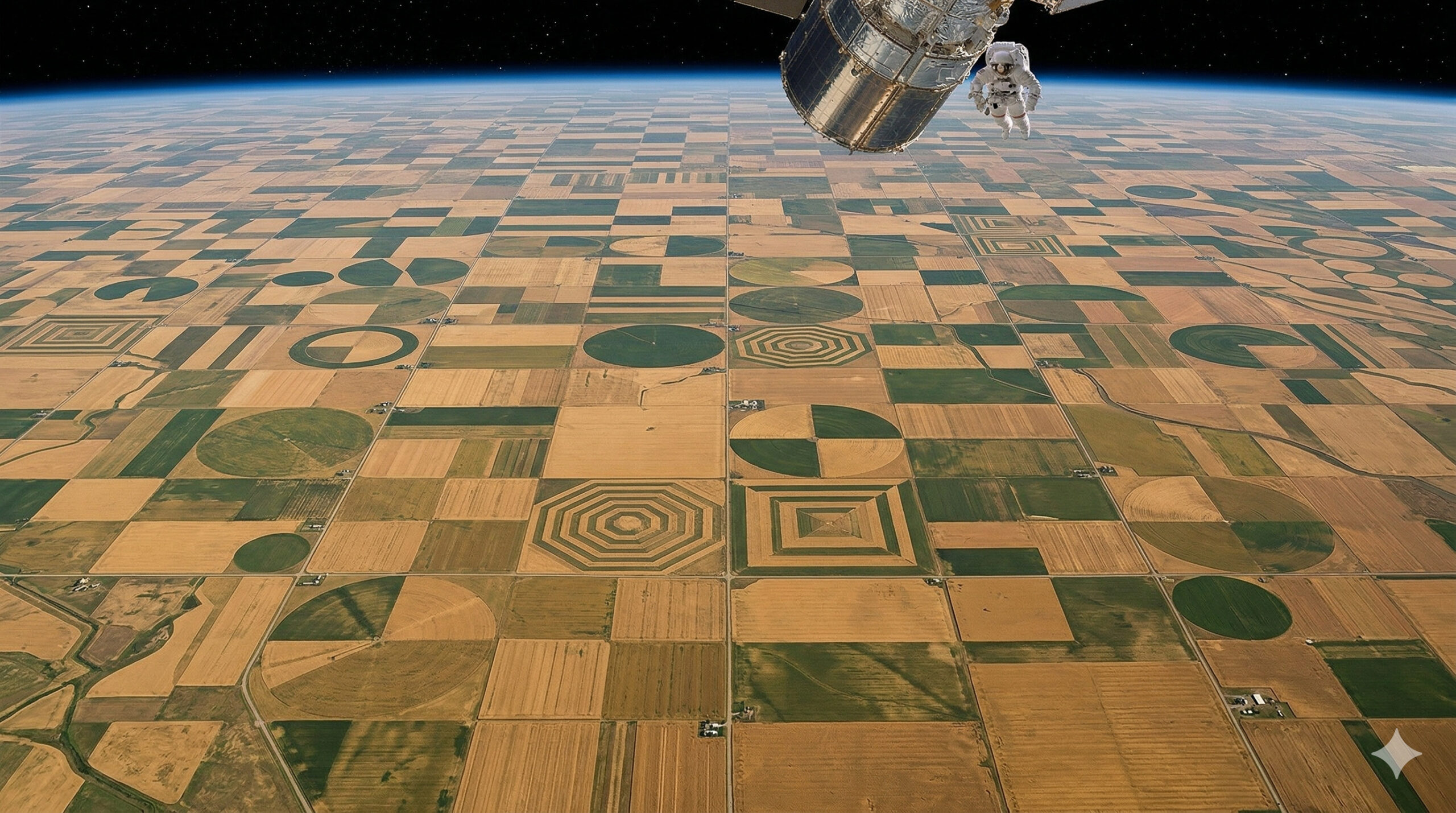
More than 20,000 km² of wheat fields form nearly perfect lines and geometric shapes in Montana, creating an agricultural pattern so symmetrical that the landscape looks like an abstract artwork visible from space.
-
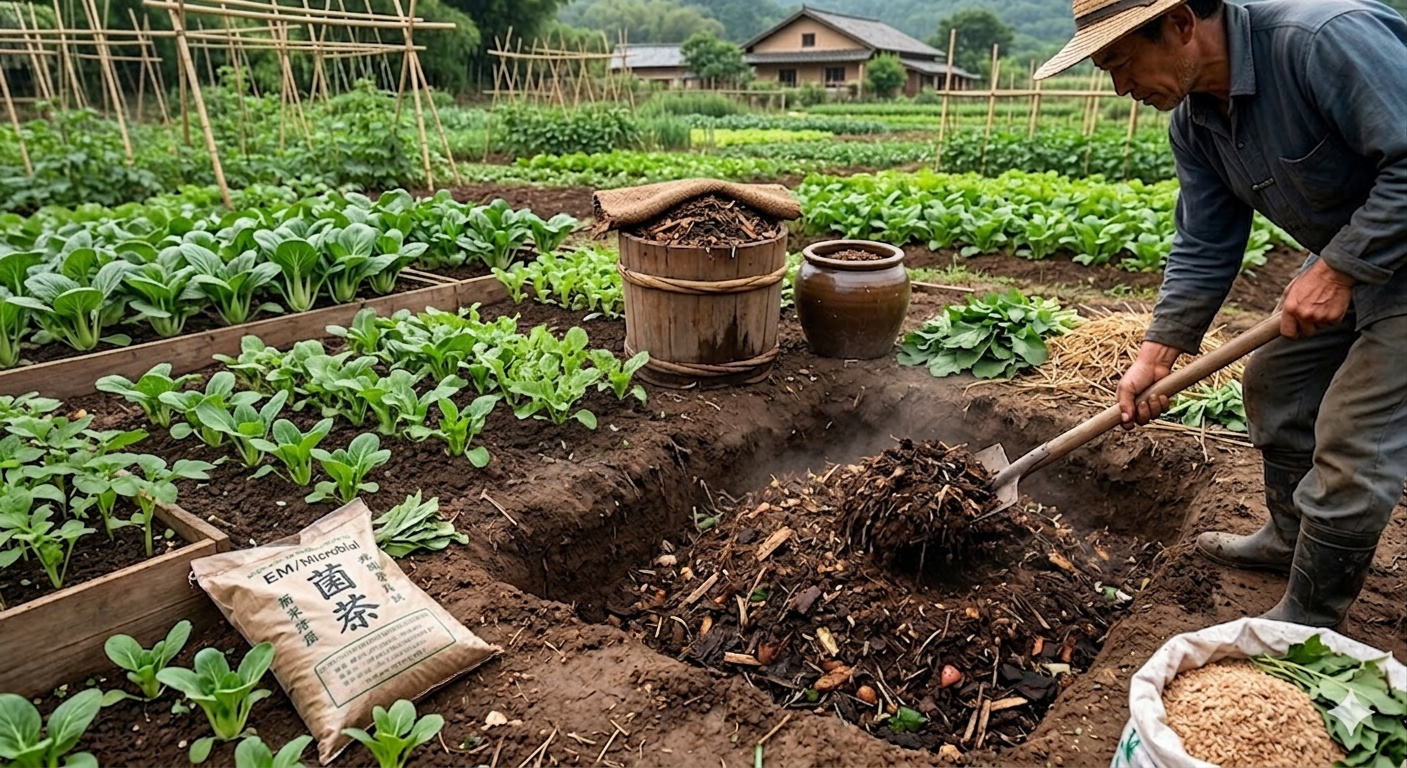
Bokashi, an Asian-origin fertilizer, is formed through the fermentation of husks, organic matter, and microorganisms, gaining traction in agriculture for strengthening beds and accelerating soil life.

Within this group, heifers had a significant share. Alone, they accounted for 33% of the total female slaughtered.
This volume reflects international demand for younger meats, valued for their tenderness and quality standards.
Mato Grosso: Fewer Herd, More Females Slaughtered
Even states with a livestock tradition did not escape the trend. In Mato Grosso, the largest cattle herd in the country, the slaughter of females increased compared to 2024. This movement occurred despite a decrease in the total number of animals slaughtered in the state.
The Mato Grosso Institute of Agricultural Economics (Imea), based on data from Indea, showed that the state herd reached 32.16 million heads in 2025. This represents a 2.03% decrease compared to last year.
Fewer Breeding Cows, More Concern
The direct impact of this culling is the decline in the number of breeding females. Among cows of reproductive age, the reduction reached 3.43%. This is the third consecutive year of decline.
The loss of fertile females compromises herd replacement. Consequently, it creates a scenario of lower calf production. And this effect may be felt in the upcoming production cycles.
Voice of the Specialist
The specialist Rogério Goulart, editor and founder of the Magazine Carta Pecuária, analyzed the numbers and emphasized the seriousness of the moment.
He pointed out that the culling of females has reached a historic level. And he warned: “Don’t be deceived. Interesting times are ahead.”
This observation indicates that while there may be a greater supply of meat in the short term, the long term will present challenges.
The trend is for fewer calves born, shrinkage of the herd, and higher prices.
Culling Cows: Cycle Dynamics
The logic is simple: a slaughtered cow stops producing a calf each year. And replacement does not always happen immediately. Therefore, scarcity appears with a lag of up to three years.
Thus, technical reports already project a decline in total numbers in 2025. With fewer calves available, competition among breeders and feedlot operators increases. The result is the appreciation of young animals and cost pressure throughout the chain.
Impacts on Calf Prices
In 2025, calf prices are already registering an upward movement. Future contracts also signal an increase.
This process, according to analysts, tends to continue as breeding females remain in decline.
In practice, this means that the cost of fresh meat is likely to rise. The pass-through does not happen immediately, but occurs as supply decreases.
And, with fewer calves, slaughterhouses and feedlots will have to compete for more expensive lots.
Effects on Industry and Consumption
The cascading effect of the problem reaches the entire chain. Feedlots with fewer animals reduce meat production. Slaughterhouses face shorter scales and higher costs.
This may even lead to occasional imports of cattle. But in the end, the consumer feels the impact on the price of fat cattle and meat in the markets.
The cycles of livestock farming show that instability tends to repeat itself until the herd is replenished.
Possible Strategies
For ranchers, two conclusions are clear. First: those who hold onto cows and invest in reproduction may benefit when the calf shortage tightens. Second: the market will have to cope with more expensive meat for the next 12 to 36 months.
Therefore, the IBGE data goes beyond a historical record. It is a warning about the future of the sector.
The current management of females will define not only production in the coming years but also prices at the consumer level.
With information from Compre Rural.







-

Uma pessoa reagiu a isso.