





 Portuguese
  English
  Spanish
 3 min of reading
  0 comments


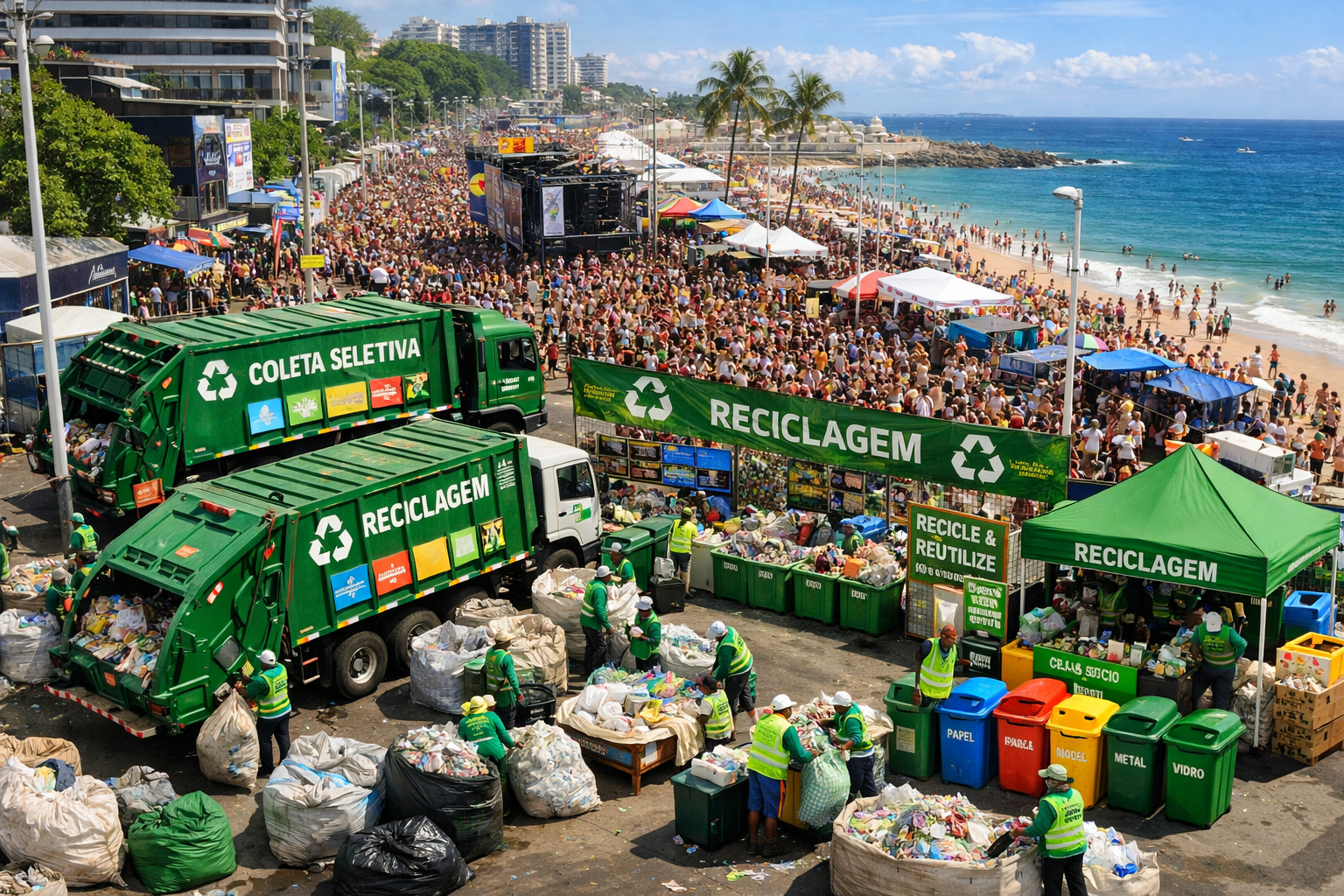
Bahian Capital Consolidates Largest Canned Recycling Action in the World, Collects 131 Tons of Recyclables and Transforms Popular Festival into Global Showcase of Circular Economy and Productive Inclusion
Salvador Carnival 2026 did not make history just for its cultural grandeur or tourism impact. This time, the Bahian capital achieved international recognition by reaching the Guinness World Records for the title of largest recycling action of cans in the world, after collecting more than 46 tons of aluminum in just four days of celebration.
In addition, the structured recycling operation during the event consolidated the Carnival as a true platform for socio-environmental impact, combining sustainability, income generation, and large-scale productive inclusion.
The information was released by the event organization in partnership with the City Hall of Salvador, as per the institutional statement from SECIS and Limpurb, with support from the impact startup SOLOS and Ambev.
-
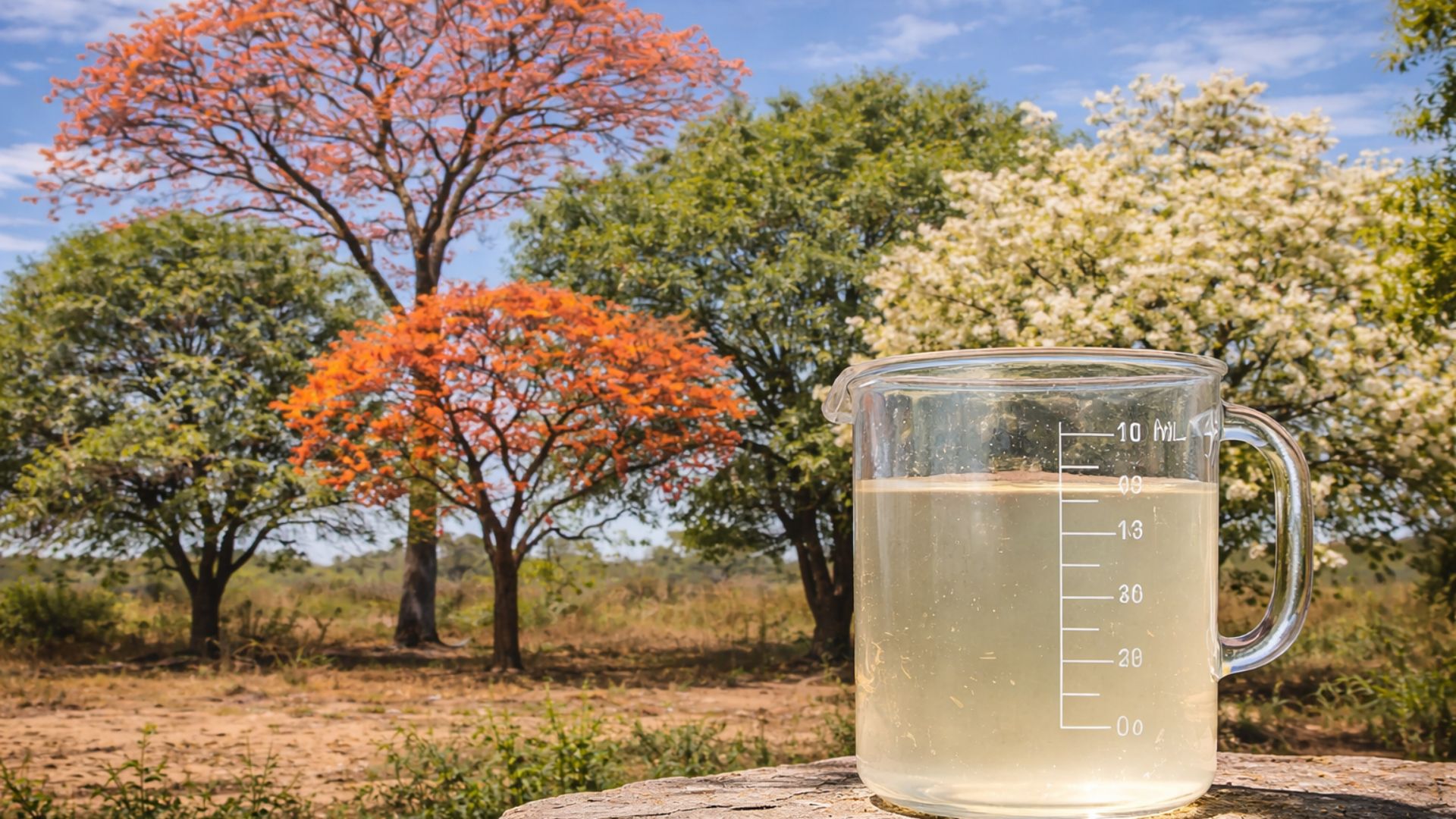
Embrapa’s discovery reveals an unexpected advancement by allowing the production of seedlings from the caatinga using brackish water, opening a new frontier for farmers to face drought more efficiently.
-
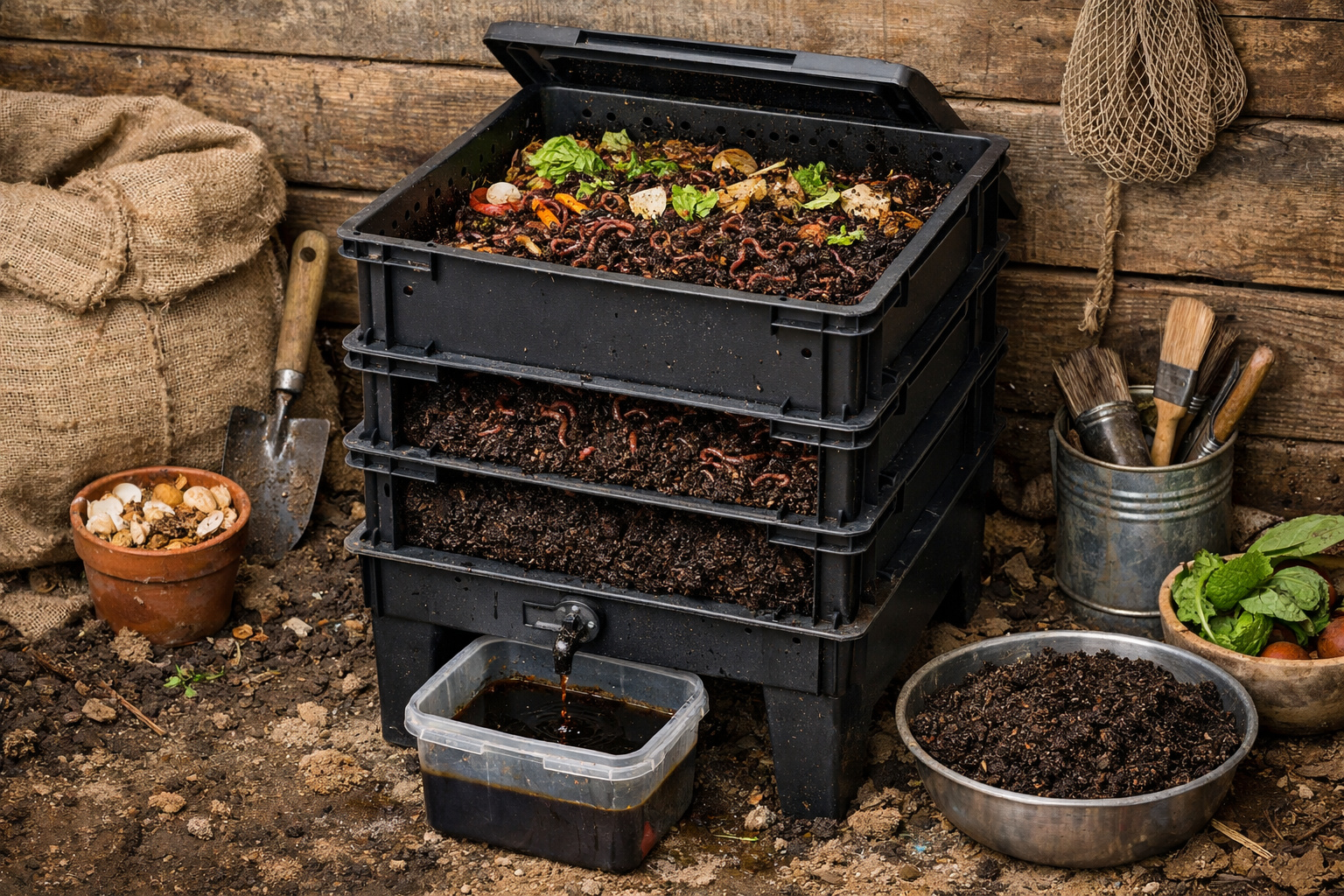
6 sources of free fertilizer that you are throwing away every day and can transform your garden without spending anything.
-
With a water crisis on the radar, Sabesp invests in reclaimed water for data centers and transforms sewage treatment into a solution that saves millions of liters and protects public supply.

-
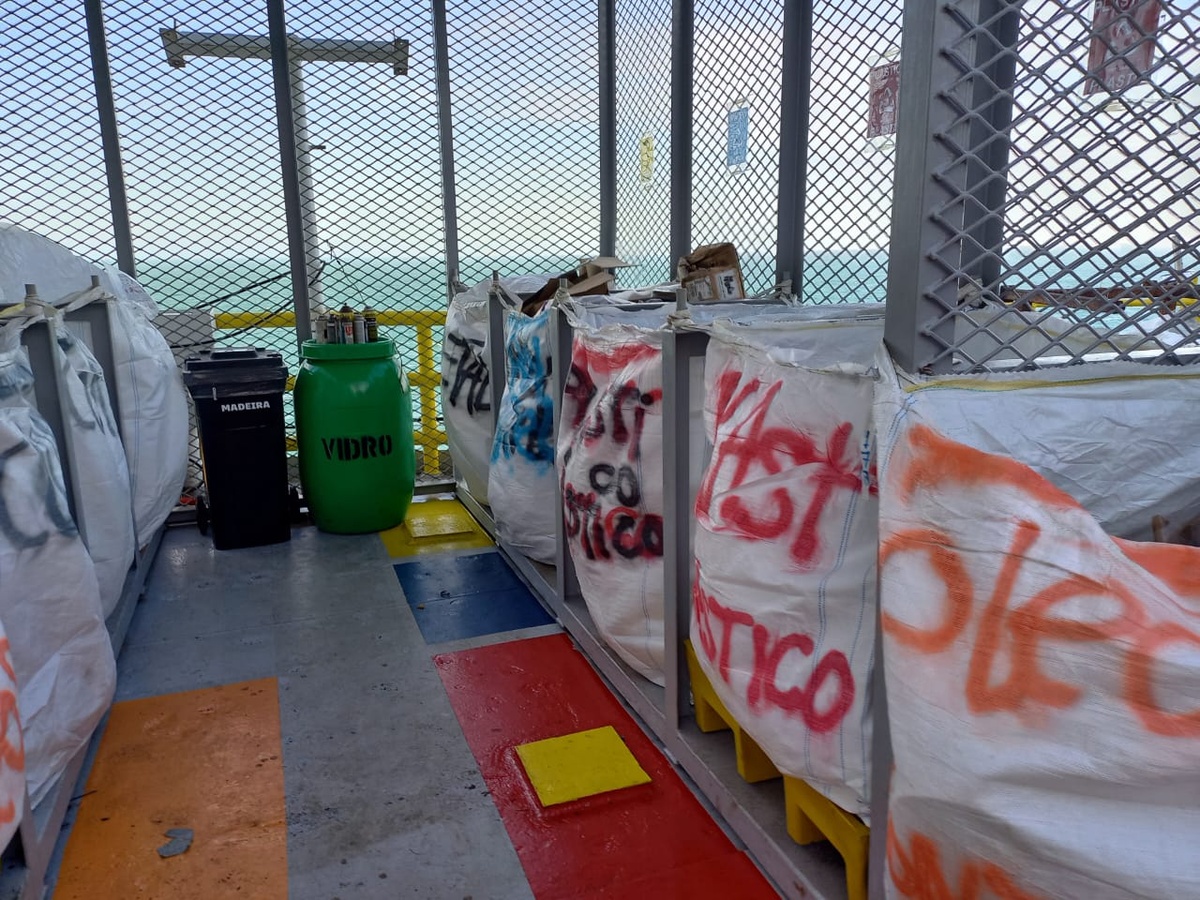
Foresea achieves 100% offshore waste reuse in 2025, eliminates landfill disposal, and consolidates sustainable strategy with 1,500 tons recycled.

Historic Operation: 131 Tons of Waste and R$ 1.4 Million in Income
During the celebration days, the selective collection operation gathered 131 tons of recyclable materials. Among them were aluminum cans, PET bottles, rigid plastics, and flexible packaging. However, the standout was the aluminum volume, which exceeded 46 tons, a mark sufficient to secure the world record.
Simultaneously, the structure generated approximately R$ 1.4 million in income for collectors and local cooperatives. Therefore, in addition to reducing environmental impacts, Salvador Carnival strengthened the recycling production chain and expanded economic opportunities for thousands of workers.
In total, around 3,000 independent collectors participated in the operation. Moreover, more than 10 recycling cooperatives were selected through a public call conducted by the City Hall, via Limpurb, to operate the sorting centers.
To ensure logistical efficiency, the organization installed Recycling Centers in the Barra-Ondina and Campo Grande circuits. In these structures, collectors could deliver materials, weigh them, and receive immediate payment.
Additionally, the action distributed kits with Personal Protective Equipment (PPE), uniforms, and offered a bonus of R$ 50 for every 15 kg of plastic packaging collected.
According to Saville Alves, co-founder of SOLOS, structuring recycling at large celebrations means structuring income, dignity, and citizenship. Thus, Carnival became a practical showcase that sustainability and culture walk hand in hand.
Circular Economy and Permanent Environmental Legacy

More than just a one-time event, the initiative reinforced the concept of circular economy in public management. After all, the partnership involved the public sector, private companies, cooperatives, and independent workers in an integrated chain of collection, sorting, and correct disposal of waste.
Carlos Gomes, president of Limpurb, emphasized that the operation required a high level of coordination among the different sectors. According to him, the recognition by the Guinness World Records confirms the efficiency of the model adopted.
Furthermore, Ivan Euler, Secretary of Sustainability, Resilience, Well-Being, and Animal Protection (Secis), stated that sustainability is increasingly integrated into the city’s major celebrations. Thus, Carnival has ceased to be just a celebration and has also become an instrument of environmental public policy.
Another relevant difference was the creation of spaces for interaction and care for children, providing food, hydration, and rest for the families of collectors during the intensive workdays. Thus, the impact of the action surpassed the economic dimension and also reached the social aspect.
Consequently, Salvador Carnival consolidates itself as a replicable model for other major events in Brazil and worldwide.
Salvador Shows That Celebration and Sustainability Can Walk Together
While many see Carnival merely as entertainment, Salvador demonstrates that large events can become engines of socio-environmental transformation.
With 46 tons of aluminum recycled in four days, 131 tons of waste repurposed, and R$ 1.4 million generated for collectors, the Bahian capital proves that circular economy, productive inclusion, and efficient public management can coexist.
Therefore, more than a world record, the achievement represents a new standard for sustainable events in Brazil.
Do you believe that other major events in Brazil should follow the sustainable model adopted by Salvador Carnival?









-

2 pessoas reagiram a isso.