





 Portuguese
  English
  Spanish
 3 min of reading
  0 comments


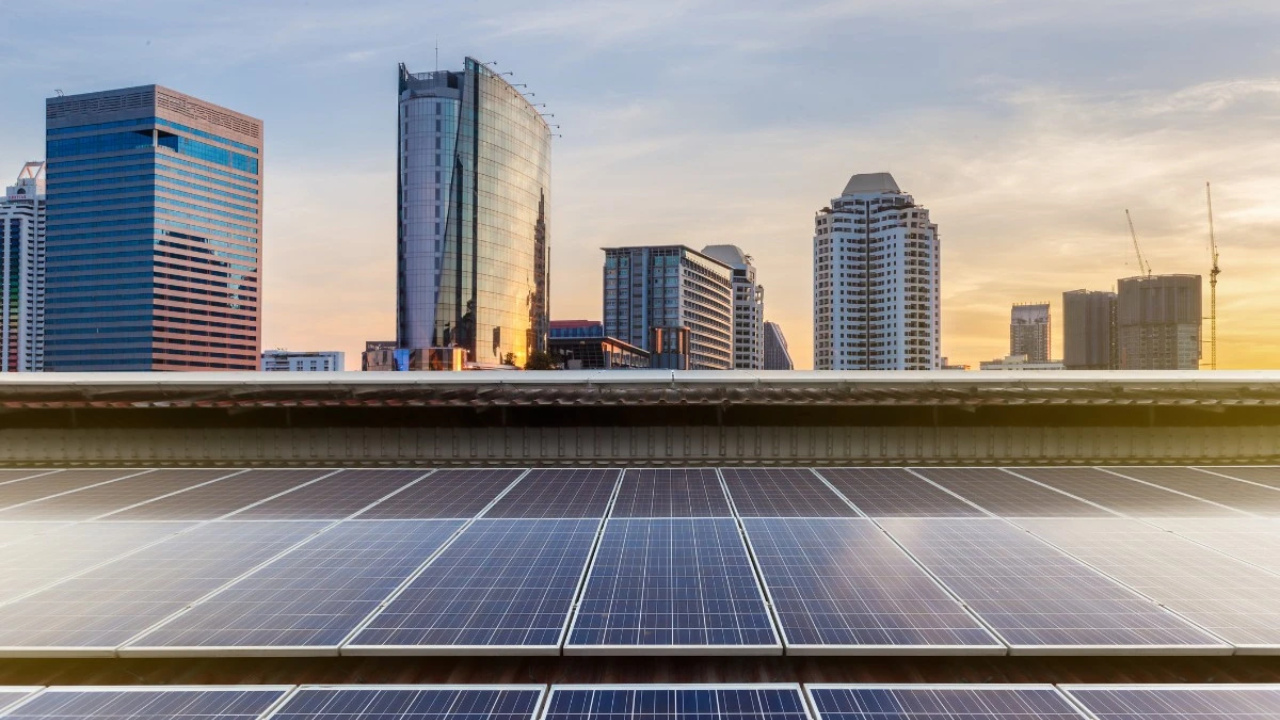
With 59% of the Matrix Based on Renewable Energies, São Paulo Exceeds the National Average and Stands Out with Significant Growth in Distributed Solar Energy, According to BEESP 2025.
The state of São Paulo consolidated, in 2024, a prominent position in the use of renewable energies. Data from the Energy Balance of the State of São Paulo (BEESP 2025), released on December 30 by the Secretary of the Environment, Infrastructure, and Logistics (Semil), shows that 59% of the gross internal energy supply in São Paulo originated from renewable sources.
This performance placed São Paulo above the national average, which was 50%, and well ahead of the OECD countries’ average, which recorded only 13.2% participation from renewable sources in 2023.
Solar Energy Gains Ground and Solidifies as the Third Largest Source
Among renewable sources, photovoltaic solar energy played a central role in São Paulo’s advancement. In 2024, solar generation represented 12% of all the electricity produced in the state. In total, 10.4 TWh were generated, a volume 16% higher than the previous year, when production reached 8.9 TWh.
-
Petrobras reaffirms its commitment to the market and ensures that it will carry out the energy transition safely to maintain national sovereignty.

-
Researchers discover a possible hydrogen deposit of up to 46 million tons beneath an ancient coal basin, and the volume could exceed half of the entire global production.

-
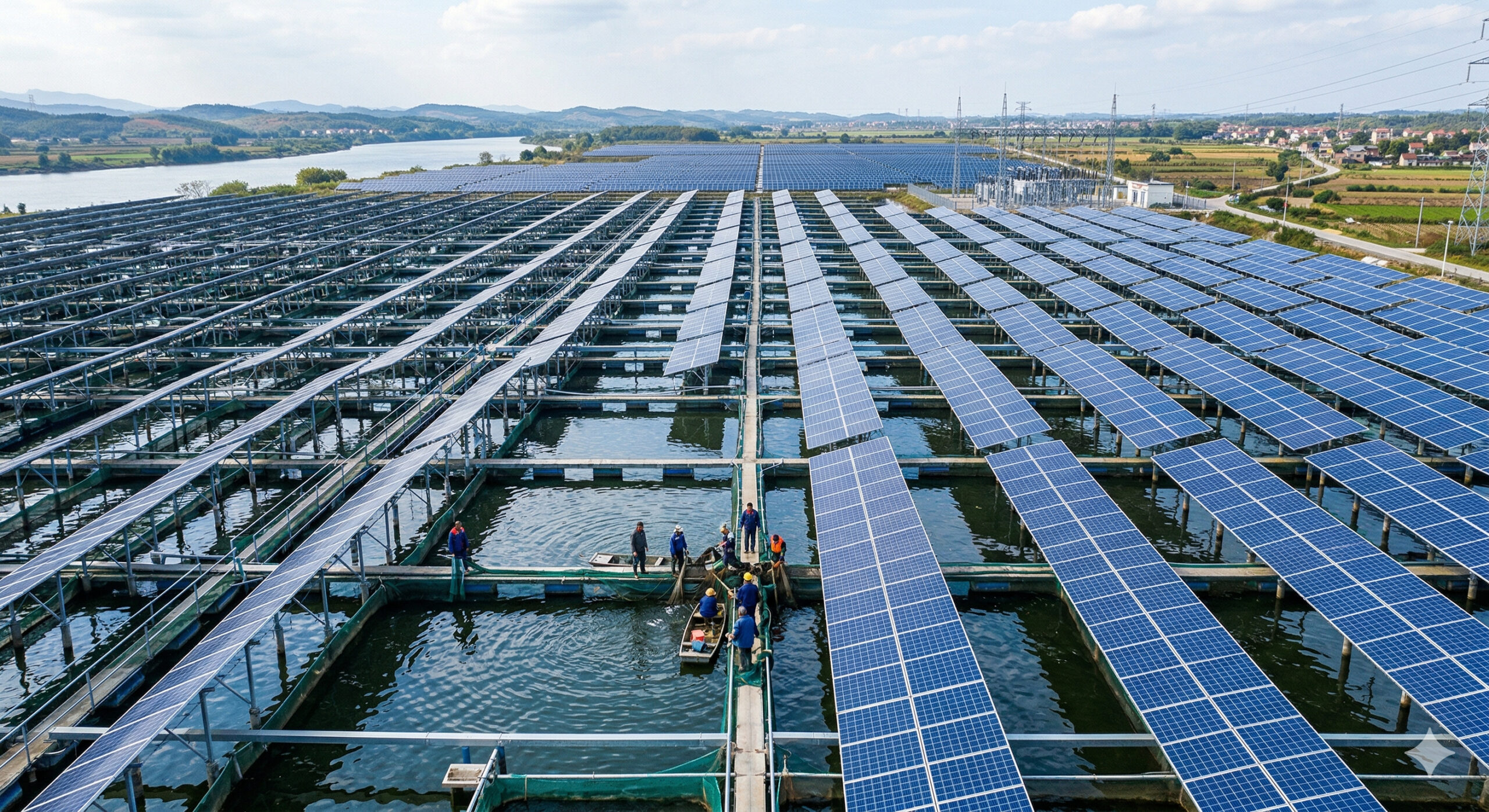
China bets on the Fishery-PV model and transforms fish farms into giant solar plants, covering ponds with panels that generate energy while utilizing the same space for large-scale aquaculture production.
-
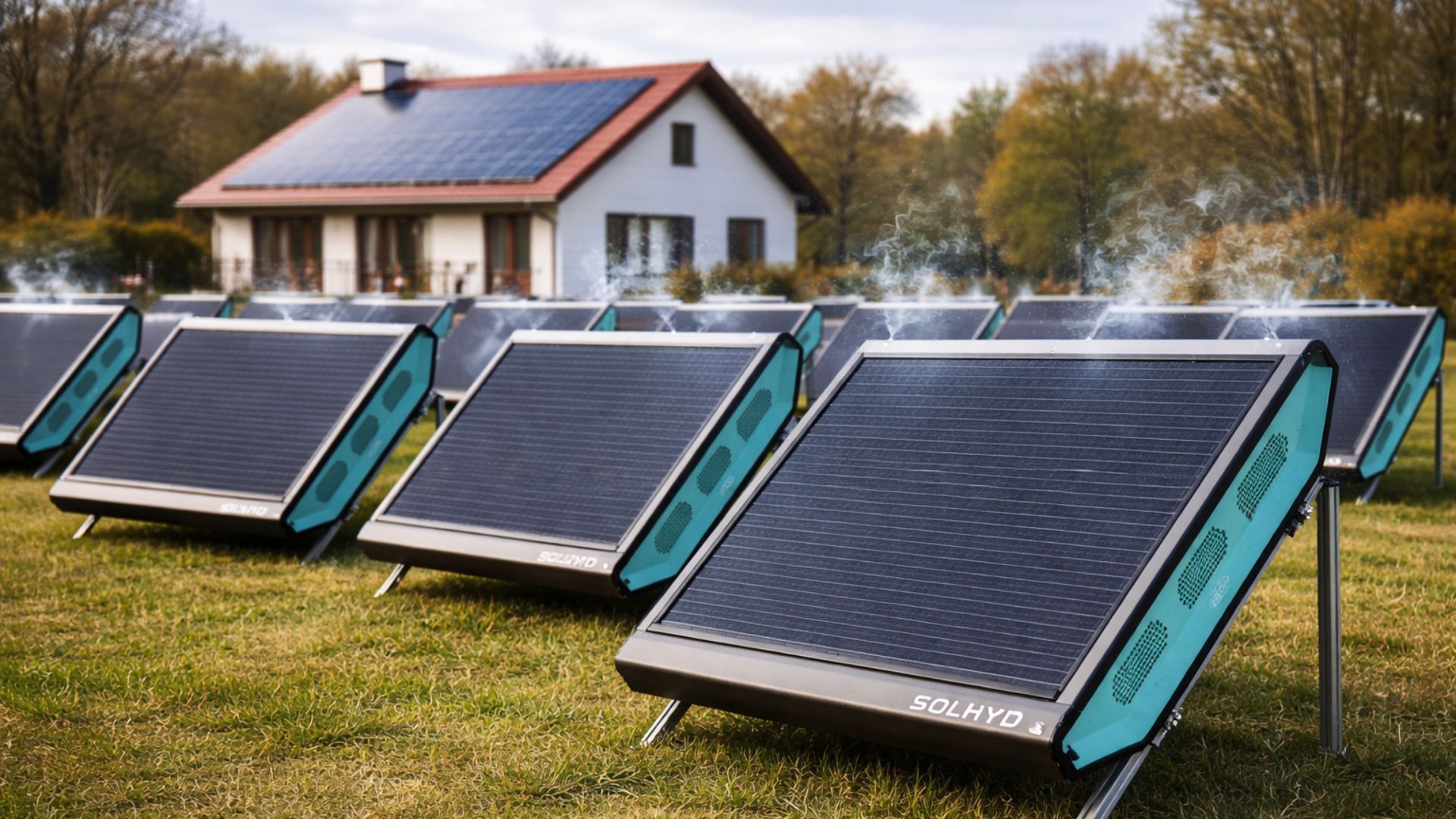
Green hydrogen at home: Belgium launches new technology that makes solar panels produce fuel from the moisture in the air, which could boost the energy transition.

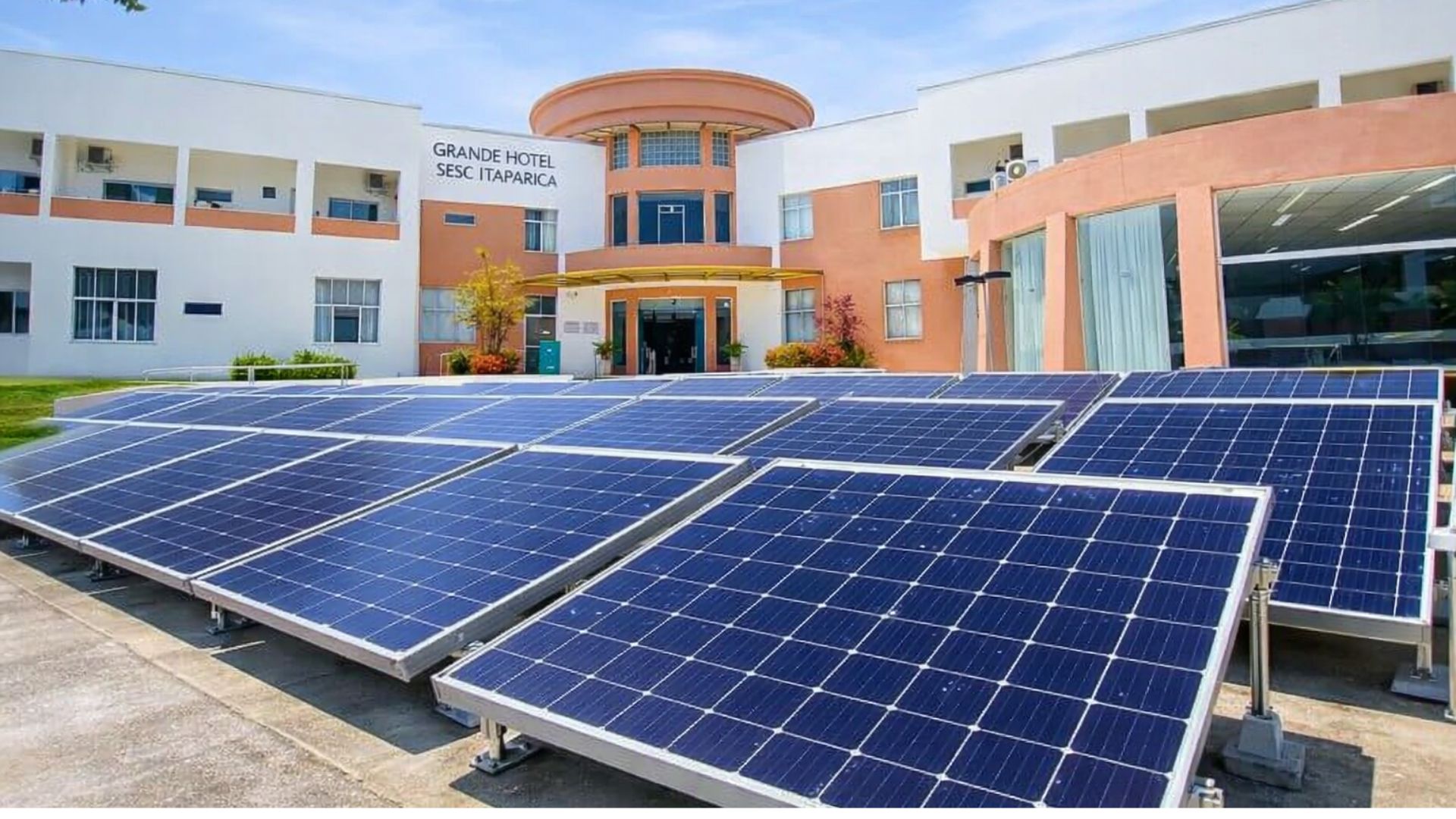
With this growth, solar energy solidified its position as the third largest source of electrical generation in São Paulo. It was surpassed only by hydropower and biomass, reinforcing the diversification of the state’s energy matrix.
Distributed Generation Boosts National Leadership
BEESP 2025 highlights that São Paulo’s leadership in solar energy is directly linked to the advancement of distributed generation (DG). This model, primarily based on systems installed on residential rooftops, commercial properties, and industries, saw significant growth throughout the year.
In 2024 alone, São Paulo municipalities reached 6.2 GW of installed capacity in distributed generation. Of this total, approximately 1 GW was integrated into the system during the year, consolidating São Paulo as the national leader in the adoption of distributed photovoltaic systems.
This movement reflects both the expansion of access to technology and the pursuit of cost reduction and greater energy autonomy by consumers.
International Comparison Reinforces the State’s Strategic Position
By analyzing the gross internal energy supply, the balance reveals a favorable scenario for São Paulo in the international context. While developed OECD countries still maintain a strong reliance on fossil sources, the state presents a predominantly renewable matrix.
This performance positions São Paulo as a reference in energy transition, especially at a time of global debates on decarbonization and energy security.
Hydropower and Biomass Remain Pillars of the Matrix
In addition to solar energy, other renewable sources continue to play a relevant role in the state. Hydropower accounts for about 17% of São Paulo’s electric generation. This production includes both internal generation and energy imported from the National Interconnected System (SIN).
The balance also highlights the importance of biomass in the composition of the matrix, especially in a state with a strong presence of the sugar-energy sector. This source helps maintain system stability and reduce dependence on non-renewable sources.
Diversity of Sources Enhances Energy Security
BEESP 2025 further reinforces the diversity of renewable alternatives available in São Paulo. In addition to solar, hydropower, and biomass, the state utilizes sources such as biogas and black liquor, a byproduct of the pulp and paper industry.
This variety enhances energy security and reduces risks associated with dependence on a single source. At the same time, it strengthens São Paulo’s position on the national stage, demonstrating that the transition to renewable energies is already a consolidated reality in the state.







Seja o primeiro a reagir!