





 Portuguese
  English
  Spanish
  4 min of reading
  0 comments


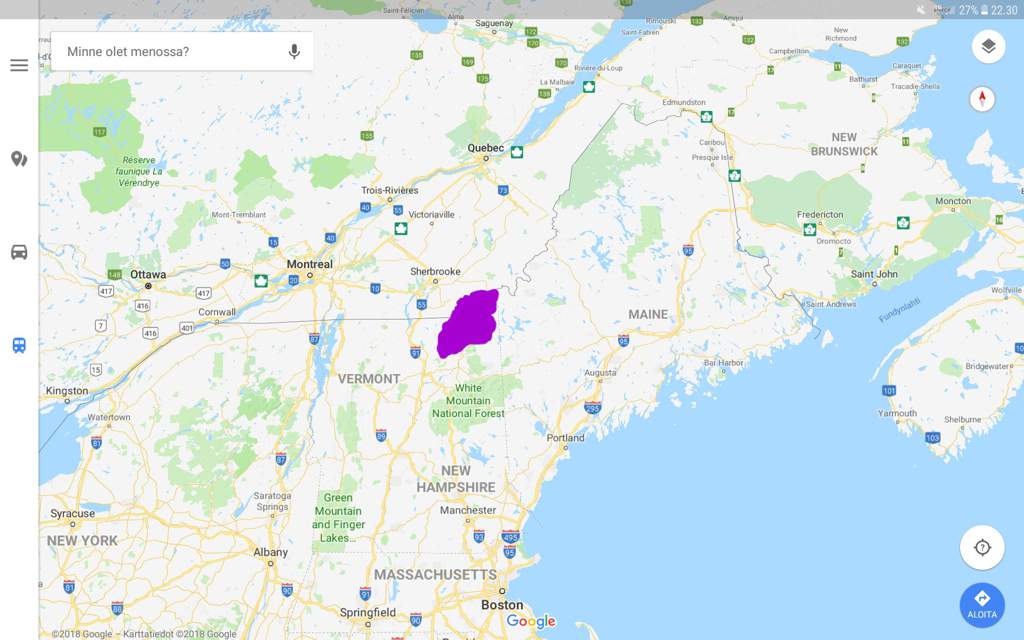
The Curious History of the Republic of Indian Stream, a Forgotten Independent Nation Between Canada and the USA, Now Remembered Only as the Name of a Beverage
Republic of Indian Stream, which existed for a short period, arose from a geographical error that caused disputes between the United States and the United Kingdom after the War of Independence, resulting in a unique chapter in the history of territorial relations between the two countries.
The Formation of the Republic of Indian Stream
Located in the northeast of New Hampshire, near the border with Vermont and the Canadian province of Quebec, the Republic of Indian Stream was created in the 19th century in an area of about 730 km².
The region was inhabited by members of the Abenaki ethnic group before the arrival of European settlers, being intersected by three tributaries that fed the Connecticut River. One of these waters is the Indian Stream, which gave the republic its name.
-
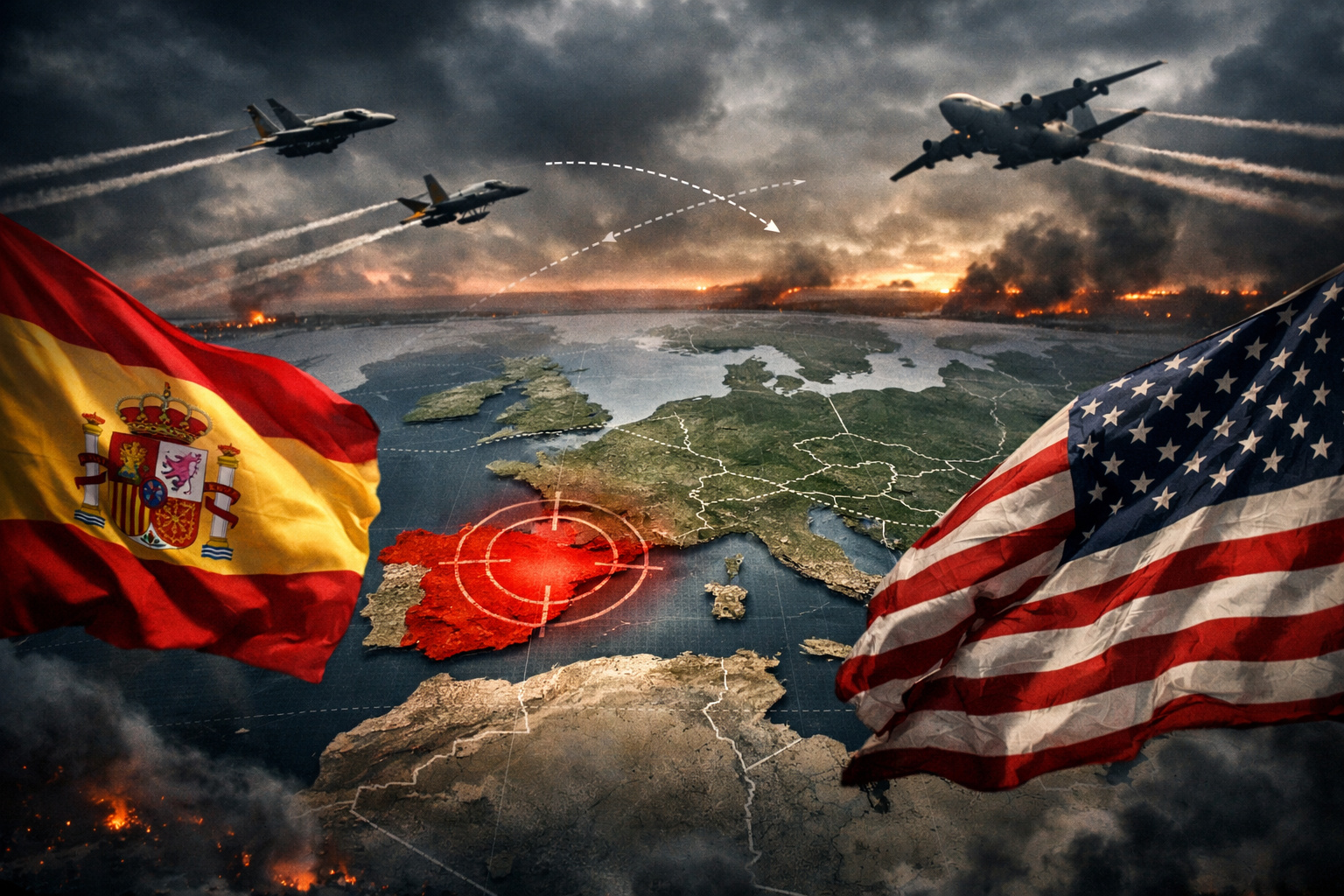
Spain challenges the USA and closes its airspace for operations against Iran, raising global tension and provoking the threat of a trade rupture.
-
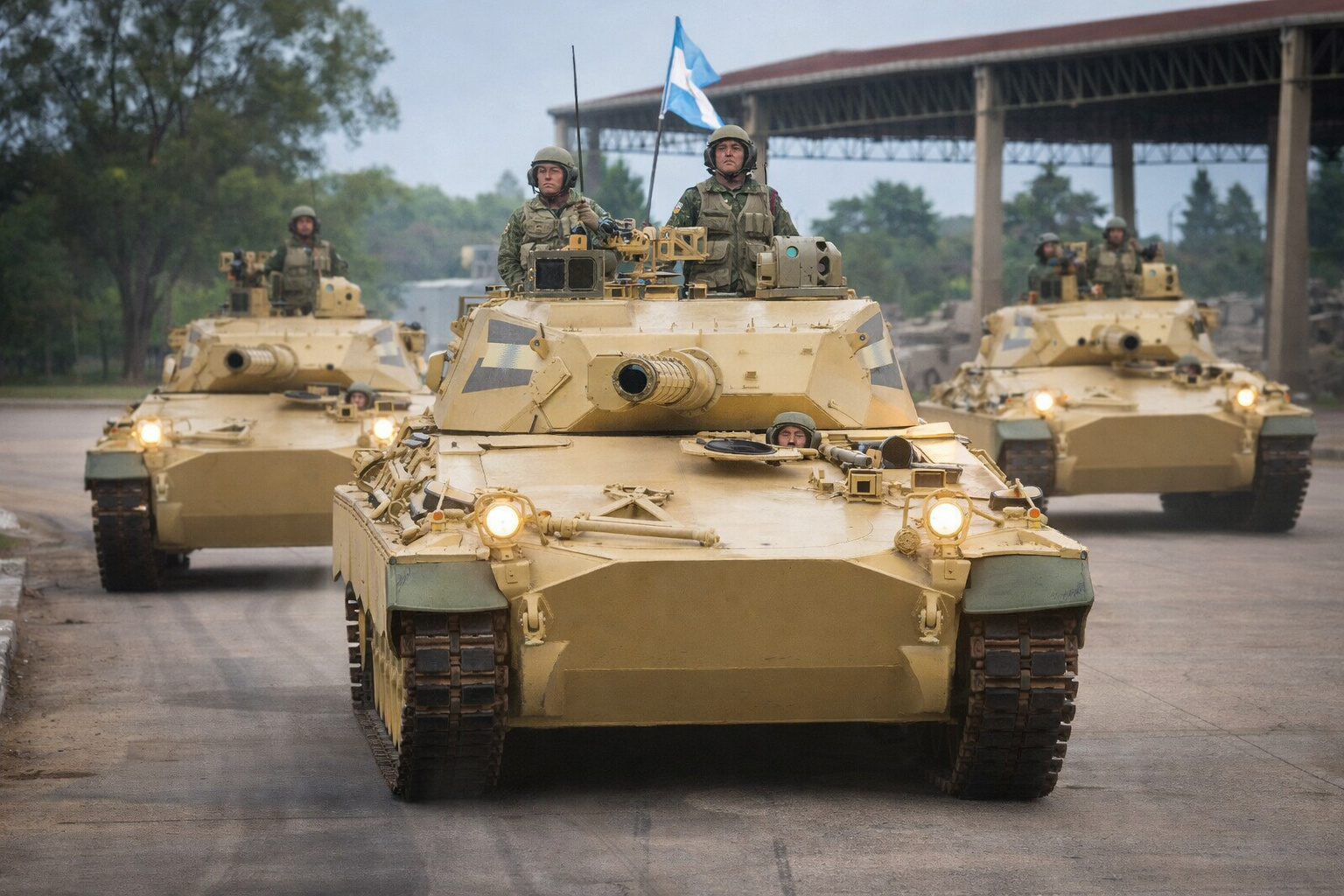
While no other country manufactures tanks in Latin America, Argentina activates the TAM 2C-A2 and raises a curiosity about the technological lag in the region.
-
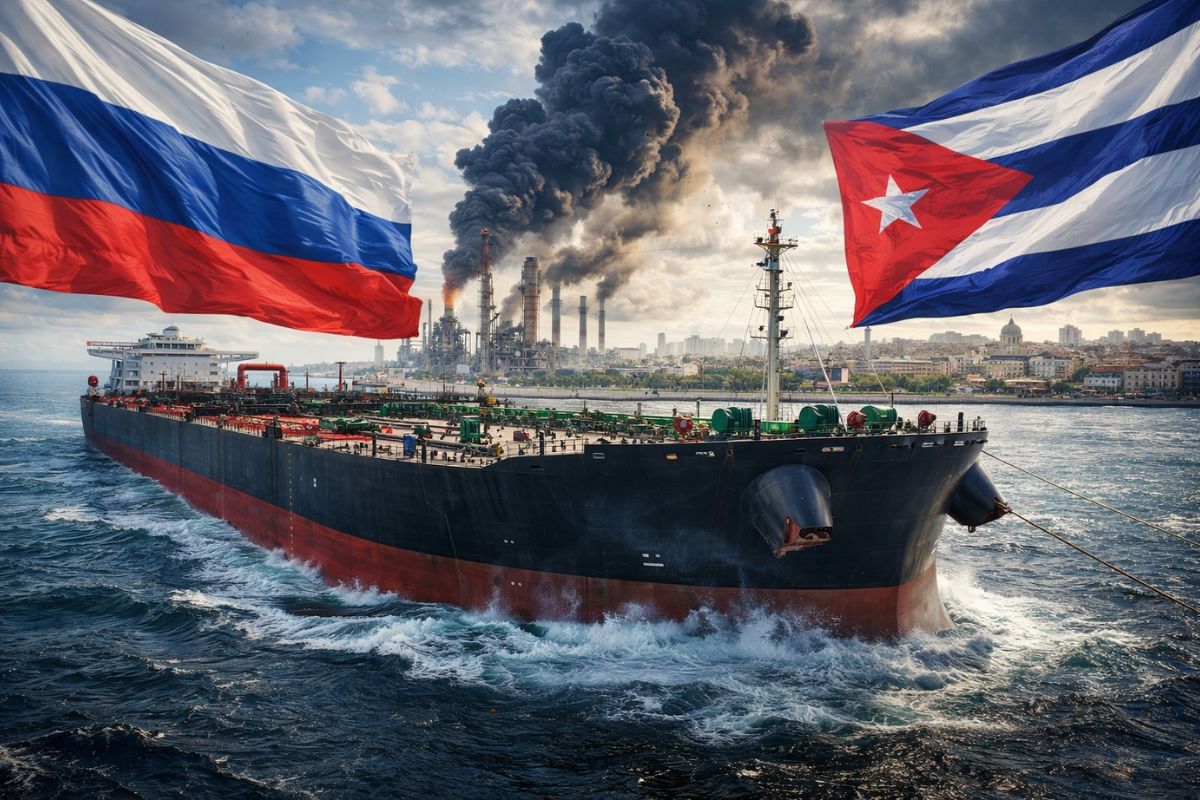
A Russian ship with 730,000 barrels of oil has just arrived in Cuba while Mexico negotiates fuel sales through private companies: the communist island is desperately seeking alternatives after losing its supply from Venezuela due to American military action.
-
Iranian drones and missiles destroyed a 270 million dollar American spy plane in Saudi Arabia, splitting the E-3 Sentry aircraft in half and injuring 12 military personnel in an attack that exposes the vulnerability of U.S. bases in the Persian Gulf.


The birth of this small country occurred amidst a conflicting interpretation of the Treaty of Paris of 1783, which ended the War of Independence of the United States.
The treaty, among other items, delineated the borders between the United States and Canadian lands still under British control. However, an ambiguous clause involved disputes over the exact location of the border, leading to the emergence of the Republic of Indian Stream.
The Geographical Error That Originated a Country
The confusion was based on a different interpretation of the treaty. Authorities in New Hampshire believed that the treaty referred to the headwaters further northwest of the Connecticut River, including Hall Stream.
Meanwhile, the British and Canadians believed that the border should only follow the course of the Connecticut River.
This divergence created a disputed area, exploited by companies that inhabited Native American lands and established settlements in the region.
With the territory in dispute, the area was quickly populated by American settlers. According to Reverend Carl Gustafson, author of an article on the subject, the authorities of both countries initially ignored the region due to its distance from urban centers.
This allowed settlers to organize themselves, creating an independent community where they formed an assembly to manage local issues, such as road and school construction.
The Democratic Experiment
In the early 1830s, the inhabitants of the region, tired of the lack of recognition of their territorial claims, created their own republic.
In June of 1832, they drafted a Declaration of Rights and a Constitution of 13 Articles. On July 9 of the same year, the Republic of Indian Stream was proclaimed a “Free, Sovereign, and Independent State.”
Despite being a territory of only 730 km² and about 400 inhabitants, the republic projected a democratic system inspired by the United States.
The government structure was composed of a five-member council, instead of a president, with the aim of better distributing power and ensuring efficient management.
This reflects the influence of the New England municipal government system, where small towns were governed by councils.
The inhabitants of the republic also adopted fundamental principles such as freedom of worship and the prohibition of cruel punishments, characteristics that would later become pillars of modern democracies.
The Collapse of the Republic
However, the independence of the Republic of Indian Stream was not well received by American and Canadian authorities.
In 1835, the governor of New Hampshire referred to the new country as a “rebellion” and sent a military force to secure the territory. American troops invaded the area and forced the inhabitants to pledge allegiance to New Hampshire.
Although Canada sent a commission to investigate the case, American soldiers prevented the mission from taking place.
After the end of the Republic of Indian Stream, London and Washington finally reached an agreement on the border, signing the Treaty of Ashburton in 1842, which returned the area under New Hampshire’s control. The Republic of Indian Stream, with its brief and tumultuous history, ceased to exist.
The Legacy of Indian Stream
Despite having disappeared as a country, the history of the Republic of Indian Stream is still remembered by some people. History enthusiasts in the region, such as entrepreneurs Ron Vars and Dan Gray, keep the memory of this mini-republic alive.
With information from bbc.








-

Uma pessoa reagiu a isso.