





 Portuguese
  English
  Spanish
 3 min of reading
  2 comments


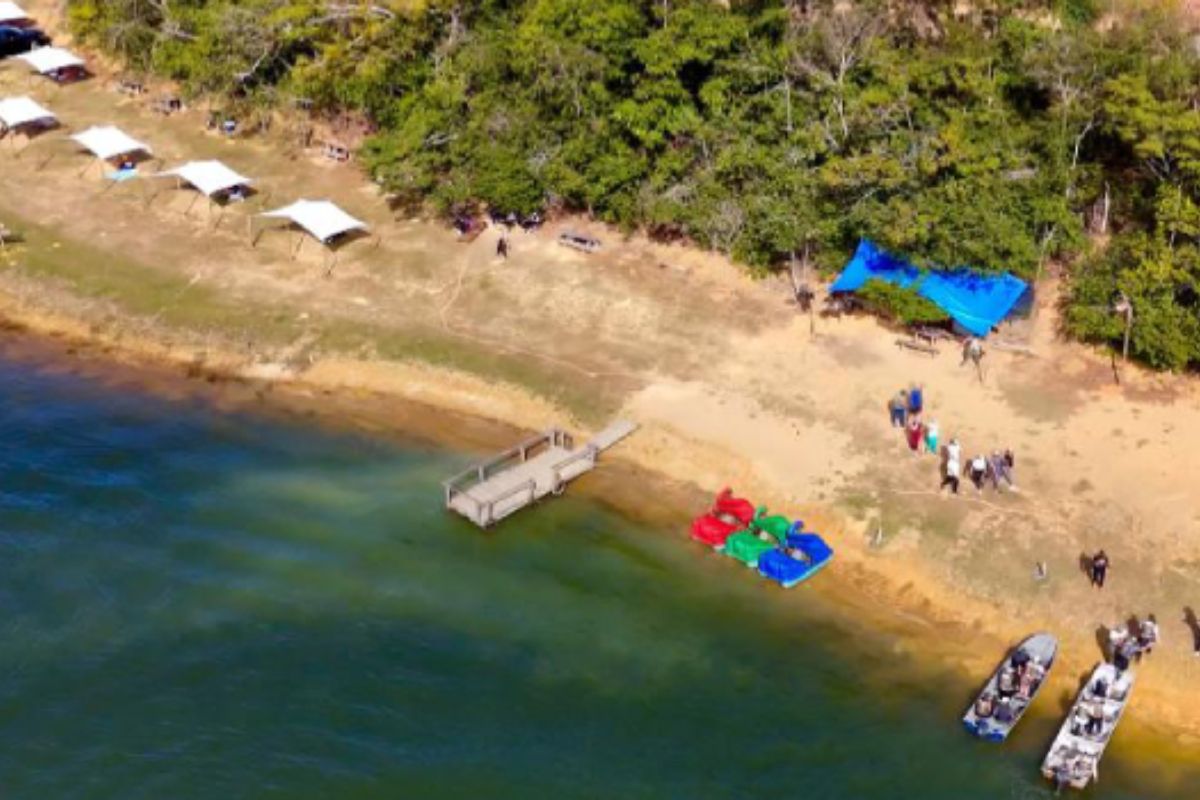

With More Than 35 Thousand Visitors in 2025, the Rio Doce State Park Strengthens Sustainable Ecotourism, Connecting Environmental Conservation, Local Development, and New Experiences for Tourists
The Rio Doce State Park, one of the largest remnants of Atlantic Forest in Minas Gerais, reached a historic milestone in 2025: it surpassed the mark of 35 thousand visitors already in October, exceeding the previous record of 32 thousand set in 2000.
The expectation is to close the year with more than 40 thousand visits, consolidating the space as a reference in sustainable ecotourism and environmental education in Brazil, according to a report published.
Managed by the State Institute of Forests (IEF), the park occupies 35,970 hectares, being the largest continuous area of preserved tropical forest in the state.
-
Embrapa’s discovery reveals an unexpected advancement by allowing the production of seedlings from the caatinga using brackish water, opening a new frontier for farmers to face drought more efficiently.
-
6 sources of free fertilizer that you are throwing away every day and can transform your garden without spending anything.

-
With a water crisis on the radar, Sabesp invests in reclaimed water for data centers and transforms sewage treatment into a solution that saves millions of liters and protects public supply.

-
Foresea achieves 100% offshore waste reuse in 2025, eliminates landfill disposal, and consolidates sustainable strategy with 1,500 tons recycled.

It houses 1,600 cataloged plant species, hundreds of birds, and mammals threatened with extinction. With 40 natural lakes, such as the famous Lake Dom Helvécio, the location has become a true living laboratory of biodiversity.
The significant increase in tourist flow is the result of a set of strategic actions aimed at improving infrastructure, valuing natural heritage, and connecting with the local community.
According to manager Vinícius Moreira, the growth reflects the balance between tourism and environmental preservation, which are central pillars of management.
Sustainable Ecotourism and Valorization of Biodiversity in the Atlantic Forest
The advancement of sustainable ecotourism in the Rio Doce State Park shows how tourism can be a powerful conservation tool.
The park management prioritizes experiences that combine leisure, learning, and direct contact with nature, such as boat rides, night safaris, and monitored trails.
These initiatives have transformed the space into a center for environmental education and inspiration for those seeking to understand the importance of the Atlantic Forest.
Each visitor is invited to reflect on the relationship between development and preservation, a concept that, according to the IEF, has proven essential for maintaining ecological balance.
The success is also due to the concession of food and leisure services, which expanded the comfort and appeal of the park, generating jobs and income for neighboring communities.
In this way, nature and the economy walk hand in hand in a model of sustainable and responsible growth.
Ecological Tourism and Sustainable Infrastructure Strengthen the Local Economy
With ecological tourism on the rise, the Rio Doce State Park has become an example of integrated management. The goal for 2026 is to reach 50 thousand visitors, driven by new partnerships and the diversification of activities.
The plan includes new environmental education programs, expansion of services, and strengthening of sustainable infrastructure practices.
The increasing presence of tourists stimulates the region’s economy, benefiting everyone from small entrepreneurs to environmental guides trained in capacity-building projects supported by the state government.
For many visitors, the experience in the park goes beyond leisure: it represents a reconnection with nature and learning about each citizen’s role in the preservation of the Atlantic Forest.
This combination of enchantment and awareness has been decisive for the success of the implemented model.
Community and Conservation: The Strength of Social Involvement in Environmental Preservation
The Rio Doce State Park is now an example of how environmental conservation and community involvement can yield positive results.
Volunteering projects, training of guides, and partnerships with schools and universities reinforce the relationship between society and the forest.
These actions strengthen environmental education, promote sustainable economic development, and stimulate a sense of belonging among local residents.
Participatory management, advocated by Vinícius Moreira, has been fundamental in maintaining the balance between increased visitation and the protection of ecosystems.
The park’s recognition as a prominent ecotourism destination in Minas Gerais shows that sustainability is a real opportunity for regional development.
The future challenge is to consolidate this progress, keeping the forest alive and accessible for future generations.








I must say this article is extremely well written, insightful, and packed with valuable knowledge that shows the author’s deep expertise on the subject, and I truly appreciate the time and effort that has gone into creating such high-quality content because it is not only helpful but also inspiring for readers like me who are always looking for trustworthy resources online. Keep up the good work and write more. i am a follower.
thanks my friend