





 Portuguese
  English
  Spanish
  5 min of reading
  0 comments


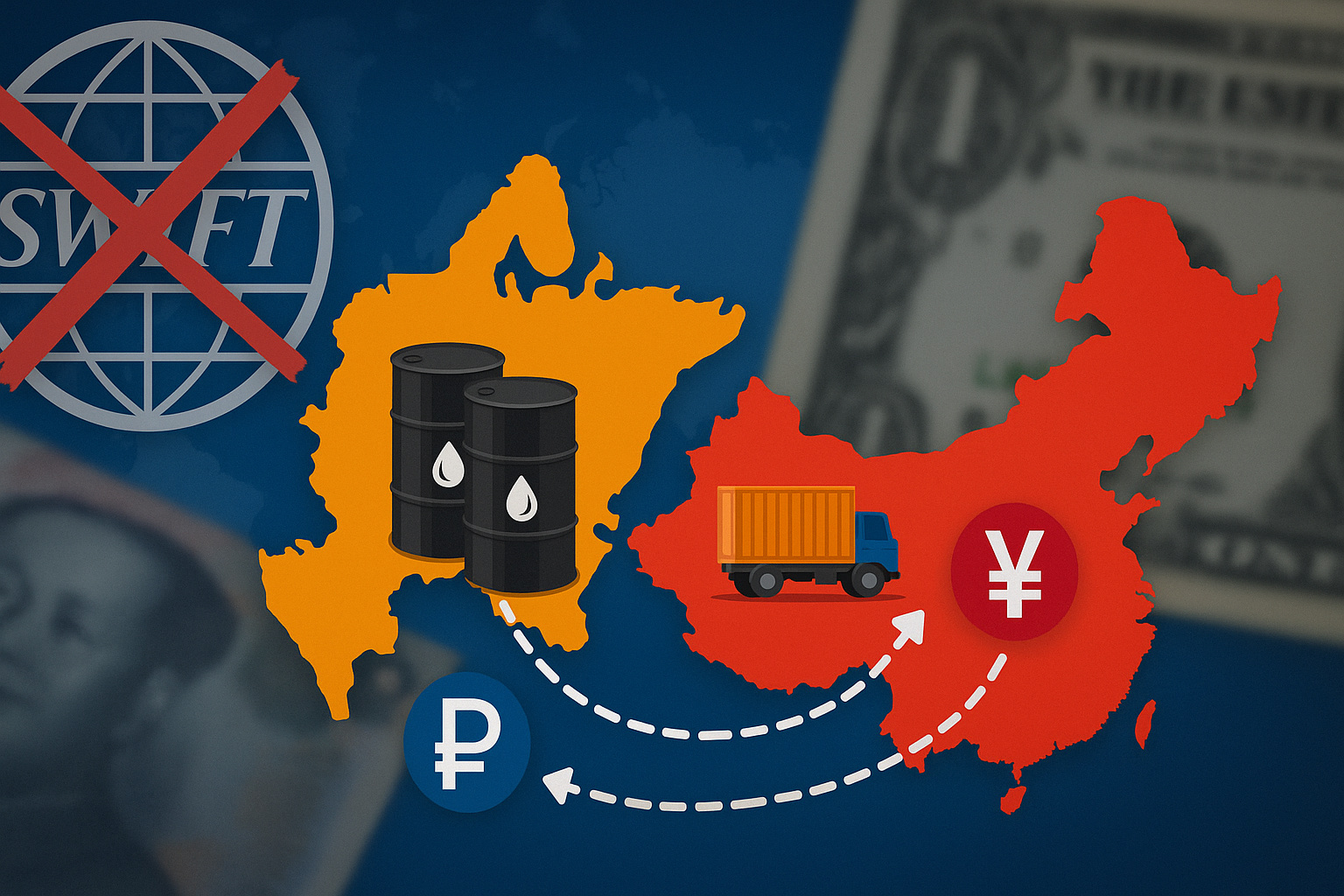
Russia Replaces SWIFT with SPFS and Intensifies Trade with China, India, and Iran in Ruble and Yuan, Challenging Dollar Dominance in the Global Energy Sector.
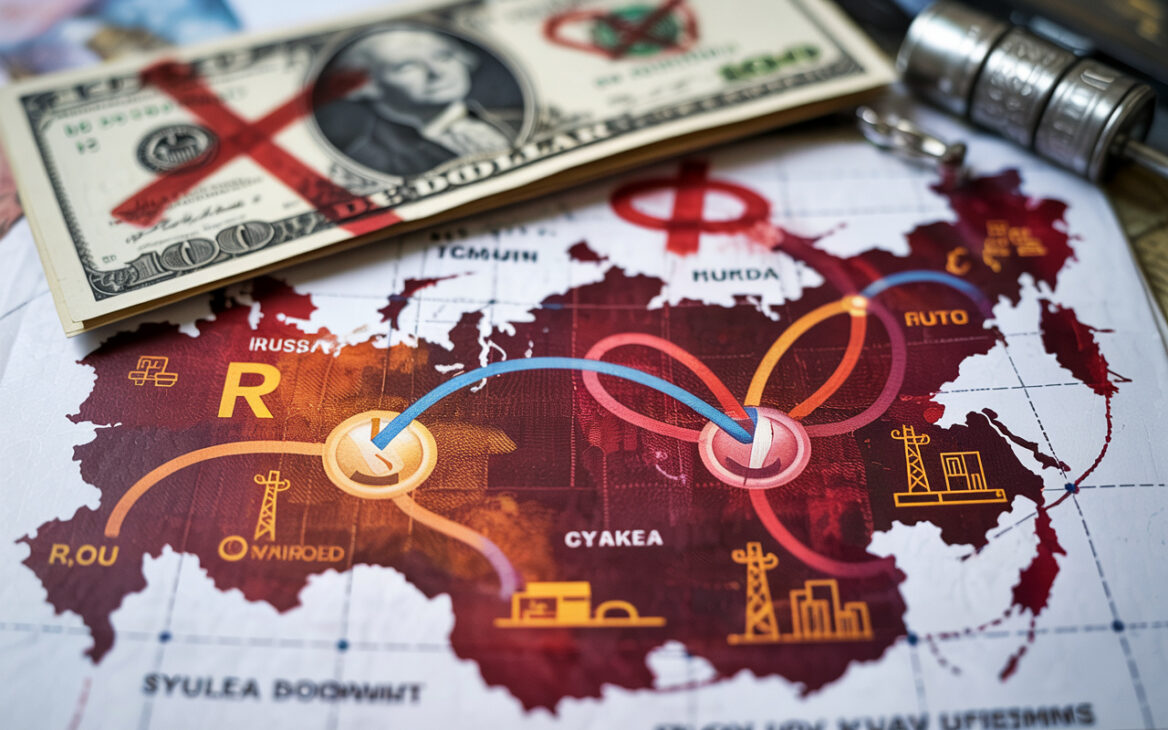
Under strong pressure from Western sanctions since 2022, Russia has been quietly reshaping its international financial architecture. The partial exclusion from the SWIFT system and the restrictions imposed by G7 countries accelerated a strategy already underway: replacing the dollar with local currencies and creating alternative mechanisms for settling international transactions. The result? Russia has expanded the use of the ruble and yuan in bilateral agreements, primarily with China, India, and Iran — and is already conducting oil sales outside the dollar sphere, a move that represents a shakeup in the monetary dominance of the United States.
SPFS: The Russian Alternative to SWIFT
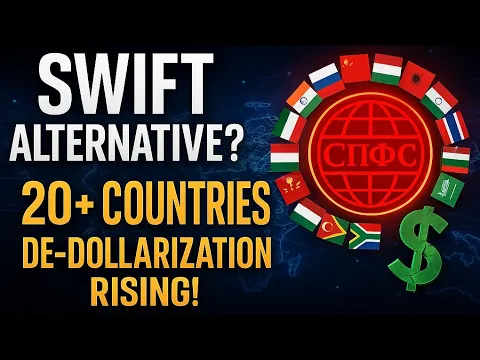

The first step towards financial independence came in 2014, after Western sanctions for the annexation of Crimea. The Central Bank of Russia developed the SPFS (Financial Message Transfer System) as a domestic substitute for SWIFT. Initially restricted to the internal market, the SPFS is now connected to about 550 banks and financial institutions, including entities in 20 countries.
The Russian goal is not only to escape sanctions but also to build an alternative financial network capable of operating globally without relying on networks under Western oversight. Russia also seeks to connect the SPFS to the Chinese CIPS system, aimed at yuan transactions, consolidating a Sino-Russian payment channel outside the orbit of the dollar and euro.
-
Spain challenges the USA and closes its airspace for operations against Iran, raising global tension and provoking the threat of a trade rupture.

-
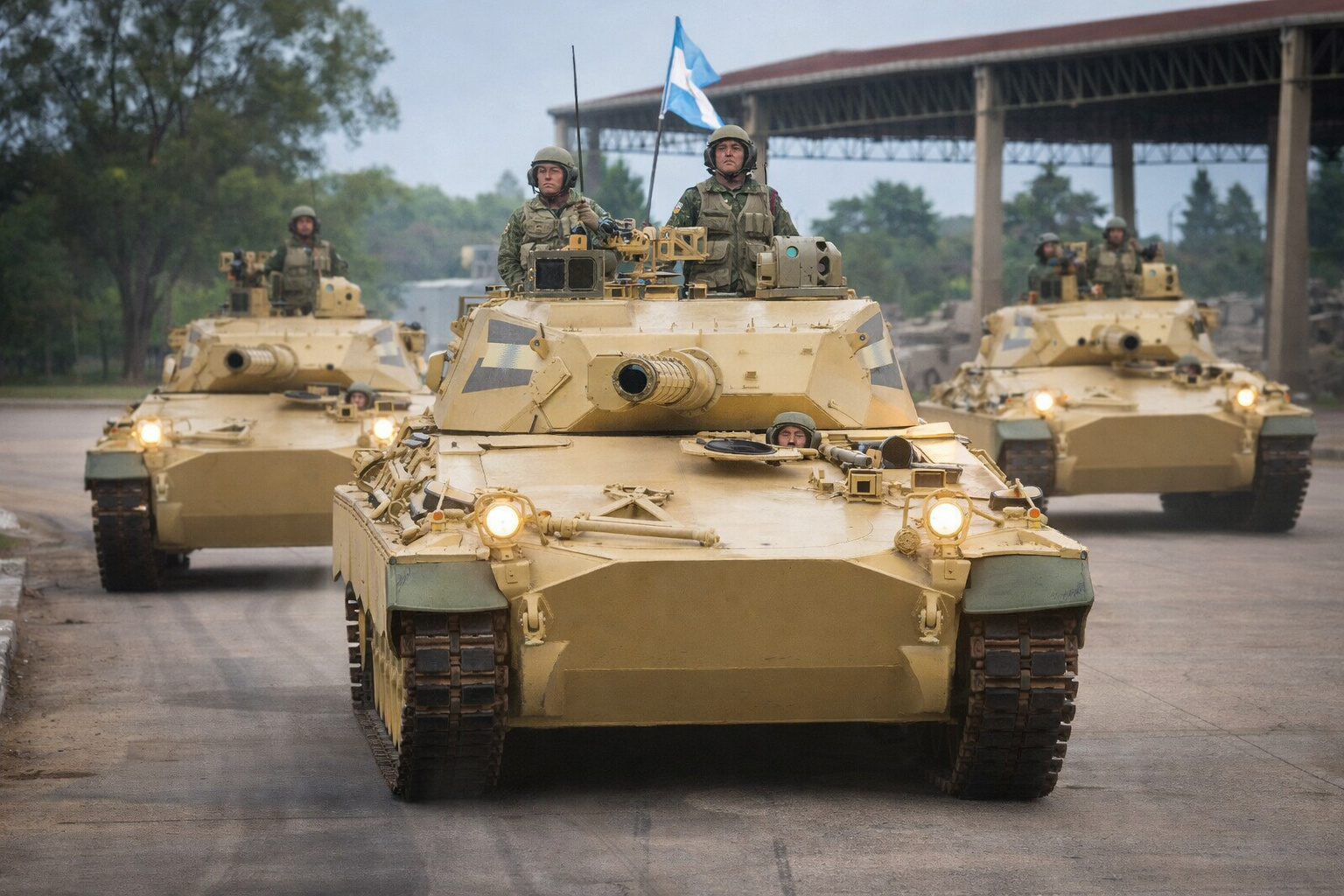
While no other country manufactures tanks in Latin America, Argentina activates the TAM 2C-A2 and raises a curiosity about the technological lag in the region.
-
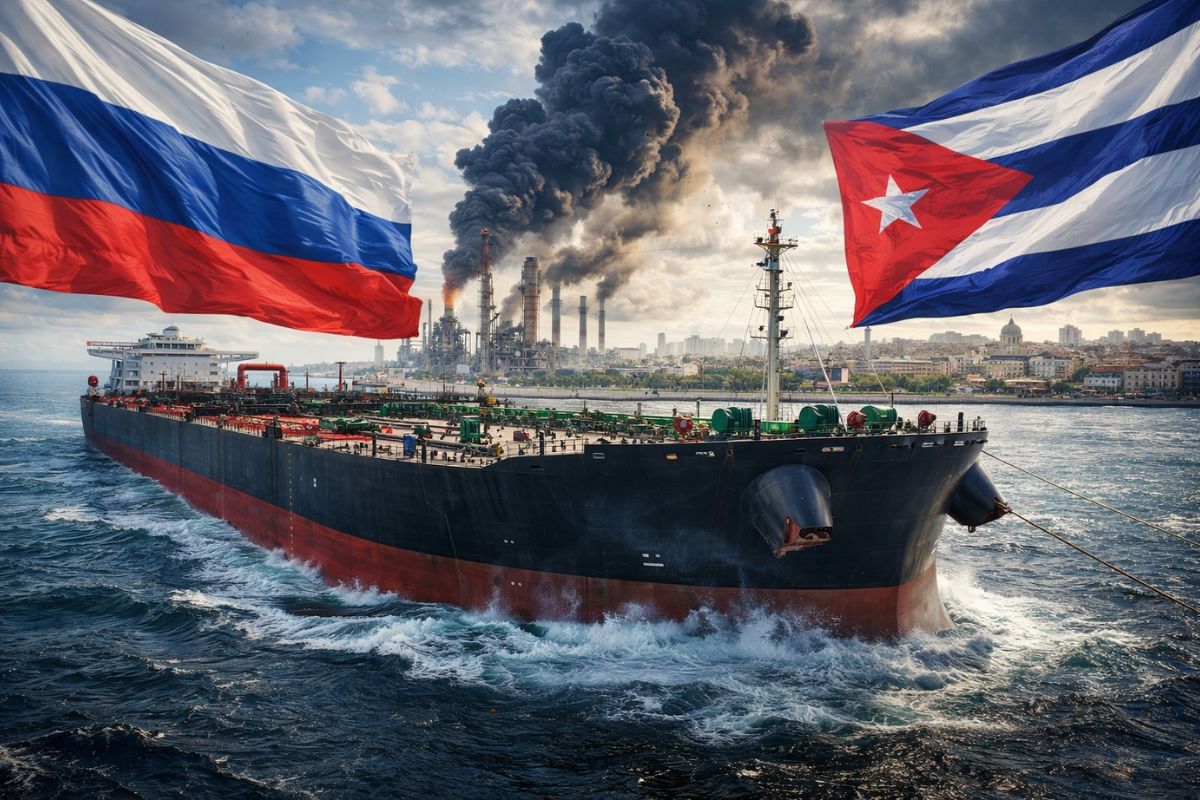
A Russian ship with 730,000 barrels of oil has just arrived in Cuba while Mexico negotiates fuel sales through private companies: the communist island is desperately seeking alternatives after losing its supply from Venezuela due to American military action.
-
Iranian drones and missiles destroyed a 270 million dollar American spy plane in Saudi Arabia, splitting the E-3 Sentry aircraft in half and injuring 12 military personnel in an attack that exposes the vulnerability of U.S. bases in the Persian Gulf.


Trade with China: Yuan and Ruble Dominate
The most visible impact of this shift occurs in trade between Russia and China. Data from 2024 shows that more than 90% of bilateral transactions are already conducted in local currencies, with the yuan taking prominence.
Before the war in Ukraine, less than 5% of this trade was conducted outside the dollar. Now, the yuan accounts for the majority of Chinese imports, while the ruble covers a significant portion of Russian exports.
In addition to strengthening economic ties between the two countries, this dedollarization has strategic implications: it reduces the effectiveness of future sanctions, creates a precedent for other nations, and opens space for new monetary power poles.
Oil with India, China, and Iran Without Dollar
Another key element of this financial shift is oil trade. Traditionally dominated by dollar contracts (the so-called petrodollar), the sector is beginning to show signs of fragmentation.
- With India, Russia is already using a partial compensation system in rupees and rubles. India’s increasing dependence on Russian oil, offered at significant discounts, has forced the creation of alternative financial mechanisms, which include agreements with local banks and limited use of convertible currencies.
- With Iran, another country targeted by sanctions, Russia is advancing energy agreements with payment in local currencies and, in some cases, in cryptocurrencies or gold-backed assets, such as the stablecoin under development between the two countries.
- With China, futures contracts for oil in yuan (petroyuan) have been utilized since 2018, but gained strength after 2022. By 2025, a significant portion of Russian oil exports to Beijing was settled directly in yuan, with settlement via CIPS.
These movements reinforce a trend towards the regionalization of energy flows, with countries seeking currency resilience and strategic autonomy in the face of Western financial pressure.
Digital Ruble and Cryptocurrencies: A New Phase of Dedollarization
To make the system even more robust, Russia launched the digital ruble in 2023, its own digital currency issued by the Central Bank (CBDC). The intention is to facilitate direct payments between allied central banks, as well as accelerate transactions between Russian and foreign companies without passing through traditional intermediaries.
Moreover, Russian companies are already using cryptocurrencies like Bitcoin and Tether (USDT) to mediate international payments in strategic sectors such as energy and fertilizers. In some cases, the yuan–crypto–ruble conversion could be more viable than operating with banks at risk of being blocked.
This diversification of channels — digital ruble, SPFS, yuan, cryptocurrencies — shows that Russia is not betting on a single path, but on building a parallel, resilient, and decentralized financial ecosystem.
BRICS Pay, “BRICS Bridge,” and the Creation of New Financial Blocs

In the context of BRICS, Russia has also promoted the concept of a shared payment infrastructure, dubbed “BRICS Bridge”. It is a proposal to connect the local payment systems of member countries and allow settlements in national currencies.
Although it still lacks unconditional support from China and India, the idea is advancing as an embryo of an alternative to SWIFT and the dollar, especially useful among sanctioned or distrustful countries of Western hegemony. At the BRICS summit in 2025, Putin stated that more than 90% of Russia’s transactions with members of the bloc already occur in local currencies.
This data demonstrates that, even without a single currency, the BRICS already operate in practice as a multipolar financial system, based on direct integration between national currencies.
The Global Impact: Weakened Dollar, New Spheres of Influence
Although the dollar remains dominant in international reserves and commodity contracts, the Russian strategy represents a real threat to the absolute centrality of the U.S. currency. The fragmentation of the global financial system — with the emergence of poles like China, Russia, India, and Iran — can generate a new geoeconomic scenario, where multiple systems coexist and compete.
This relative weakening of the dollar has profound implications:
- Sanctions lose effectiveness as countries build alternatives;
- Reserves in local currencies gain geopolitical value;
- Capital flows migrate to new platforms, such as state digital networks.
Russia’s posture, in this context, is pioneering — and serves as an example for other countries seeking more autonomy in their trade and financial ties.










Seja o primeiro a reagir!