





 Portuguese
  English
  Spanish
  3 min of reading
  0 comments


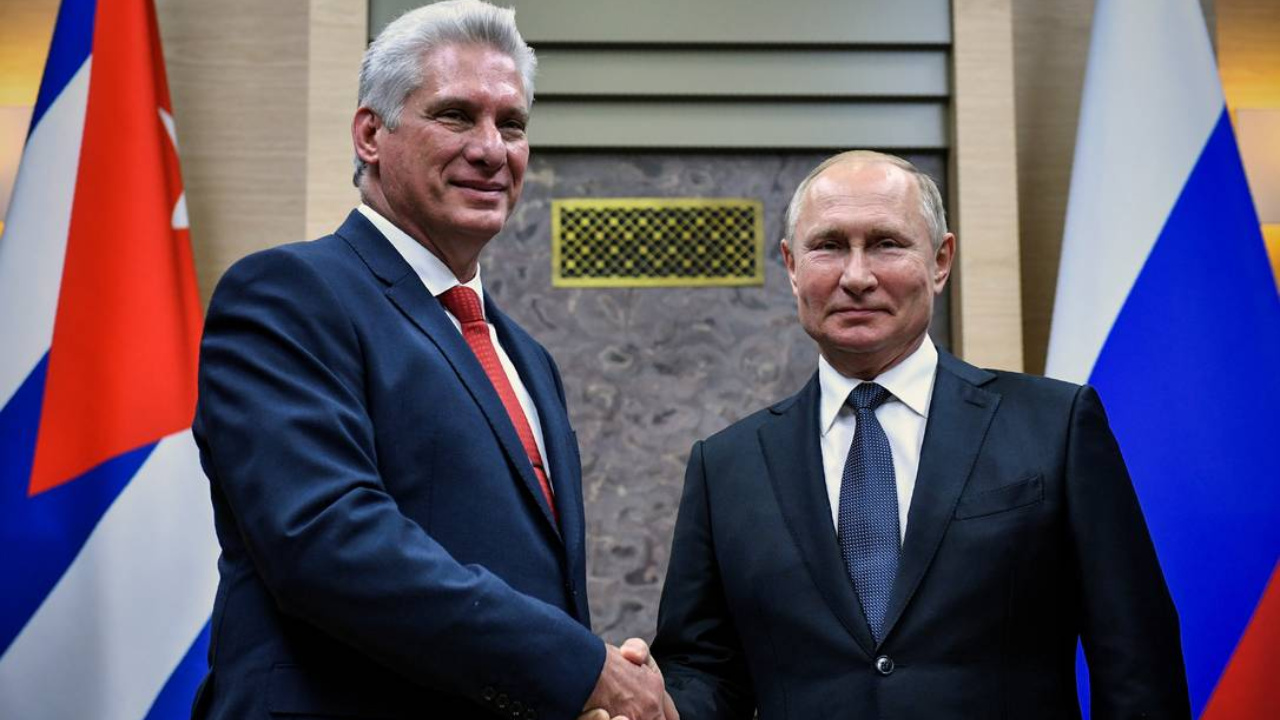
Russia Stated That It Will Continue Supplying Oil to Cuba Even After Threats from the United States. The Decision Increases Political Tension, Worsens the Island’s Energy Crisis, and May Affect International Trade.
Oil has once again taken center stage in the international political landscape. Amid rising tension, the Russia made it clear that it intends to continue supplying Cuba with oil, even in the face of threats from the United States government.
The statement came from the Russian ambassador in Havana, Viktor Coronelli, and was reported by the Russian state agency RIA.
The diplomat’s remarks come at a delicate moment. Cuba is facing a deep energy crisis, while the United States is increasing pressure on countries that do business with the Cuban government. Still, Moscow signals that it does not intend to back down.
-
Lula reveals a masterstroke by Petrobras to undo a deal made by Bolsonaro, which involves the return of an important refinery that currently produces less than half of what was expected and makes Brazil dependent on international diesel.
-
A study confirms that the natural gas sector will reduce greenhouse gas emissions in Brazil by 0.5% and accelerate the energy transition by 2026.

-
Petrobras implements a severe adjustment and confirms a 55% increase in the price of aviation kerosene with a proposal for installment payments for the companies.

-
The rise in oil prices could ensure an extra revenue of R$ 100 billion for the Federal Government, indicates a recent economic study.


Russia Reinforces That It Will Continue Sending Oil to the Island
According to Viktor Coronelli, the supply of oil to Cuba is expected to continue in the same manner as in previous years. In a direct statement to the Russian press, the ambassador was categorical in asserting:
“We presume that this practice will continue”.
The short and straightforward statement shows that Russia does not intend to change its stance, despite the increasingly tense international scenario. Russian oil has been one of the main energy sources for Cuba, which heavily relies on imports to maintain its electrical system, transportation, and food production.

Meanwhile, the President of the United States, Donald Trump, has raised his rhetoric against the Cuban government. On Sunday (1st), he declared that the U.S. started talks with “the highest authorities in Cuba.”
This occurred just days after the country was classified as “an unusual and extraordinary threat” to American national security.
Additionally, Trump issued a direct threat. He stated that he intends to impose tariffs on American exports from any nation that sends oil to Cuba.
The measure, if implemented, could affect allied countries of the island, such as Russia and Venezuela.
Therefore, oil is no longer just an energy resource and becomes a tool of political pressure.
U.S. Blockade Worsens Fuel Crisis and Blackouts
At the same time, the United States has blocked all oil trying to reach Cuba. This includes shipments coming from Venezuela, another historical ally of the Cuban government. As a result, the island is facing a severe fuel shortage.
This lack of oil directly impacts the day-to-day lives of the population. Food and transportation prices have risen.
Furthermore, blackouts have become increasingly frequent. In Havana, the capital of the country, residents are faced with hours without electricity, leading to growing dissatisfaction and social weariness.
For this reason, Russian oil has gained even more importance for the Cuban government, which seeks to avoid a larger collapse in energy supply.
Do you think Trump’s sanctions against Russia are warranted, if they happen? Or will the country evade the United States’ punishments?









-

Uma pessoa reagiu a isso.