






 Portuguese
  Spanish
  3 min of reading
  0 comments


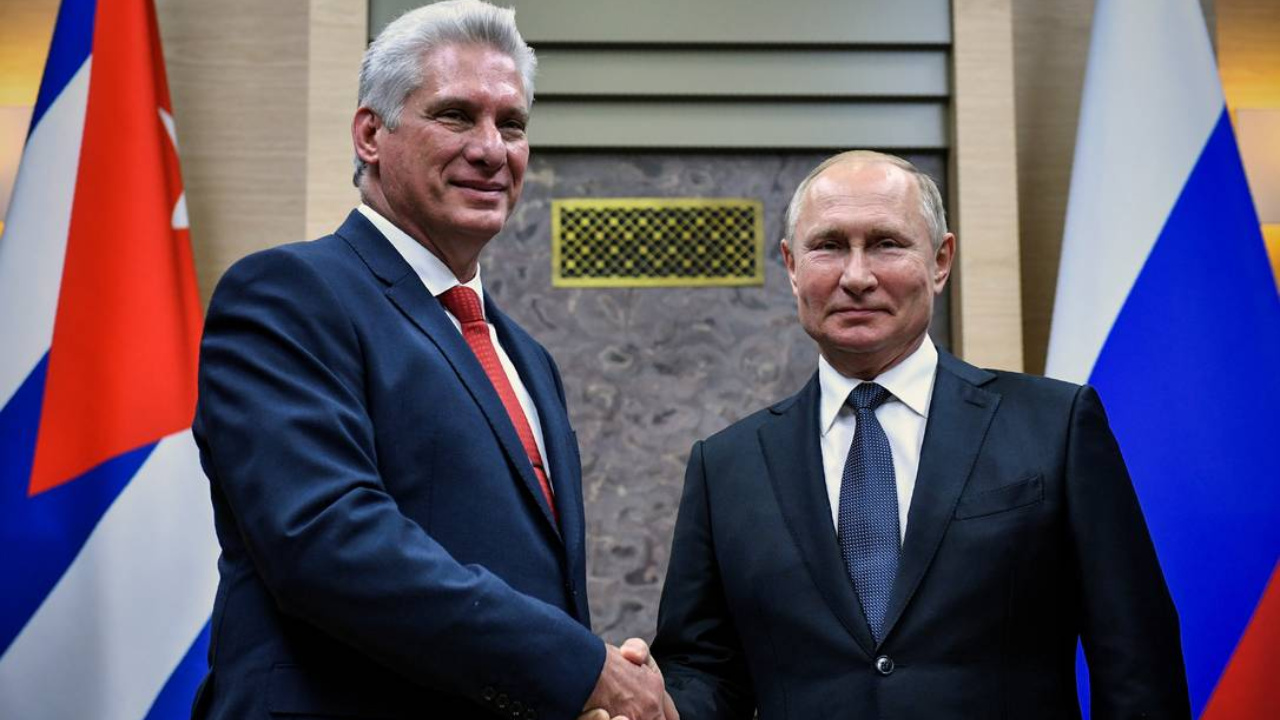
Russia Stated That It Will Continue Supplying Oil to Cuba Even After Threats from the United States. The Decision Increases Political Tension, Worsens the Island’s Energy Crisis, and May Affect International Trade.
Oil has once again taken center stage in the international political landscape. Amid rising tension, the Russia made it clear that it intends to continue supplying Cuba with oil, even in the face of threats from the United States government.
The statement came from the Russian ambassador in Havana, Viktor Coronelli, and was reported by the Russian state agency RIA.
The diplomat’s remarks come at a delicate moment. Cuba is facing a deep energy crisis, while the United States is increasing pressure on countries that do business with the Cuban government. Still, Moscow signals that it does not intend to back down.
-
ANP halts LPG reform, and Sindigás sees technical caution as a decisive point for safety, investments, and the future of the cylinder in Brazil.

-
Oil spill in the Caribbean raises environmental alert and increases tension between Venezuela and Trinidad and Tobago

-
More than 40 Petrobras platforms enter the decommissioning queue and open up a billion-dollar industry in Brazil for cranes, special ships, underwater cutting, and offshore recycling.

-
ANP schedules oil auctions in October and reinforces regulatory predictability for concessions, sharing, and investments in the oil and gas sector



Russia Reinforces That It Will Continue Sending Oil to the Island
According to Viktor Coronelli, the supply of oil to Cuba is expected to continue in the same manner as in previous years. In a direct statement to the Russian press, the ambassador was categorical in asserting:
“We presume that this practice will continue”.
The short and straightforward statement shows that Russia does not intend to change its stance, despite the increasingly tense international scenario. Russian oil has been one of the main energy sources for Cuba, which heavily relies on imports to maintain its electrical system, transportation, and food production.

Meanwhile, the President of the United States, Donald Trump, has raised his rhetoric against the Cuban government. On Sunday (1st), he declared that the U.S. started talks with “the highest authorities in Cuba.”
This occurred just days after the country was classified as “an unusual and extraordinary threat” to American national security.
Additionally, Trump issued a direct threat. He stated that he intends to impose tariffs on American exports from any nation that sends oil to Cuba.
The measure, if implemented, could affect allied countries of the island, such as Russia and Venezuela.
Therefore, oil is no longer just an energy resource and becomes a tool of political pressure.
U.S. Blockade Worsens Fuel Crisis and Blackouts
At the same time, the United States has blocked all oil trying to reach Cuba. This includes shipments coming from Venezuela, another historical ally of the Cuban government. As a result, the island is facing a severe fuel shortage.
This lack of oil directly impacts the day-to-day lives of the population. Food and transportation prices have risen.
Furthermore, blackouts have become increasingly frequent. In Havana, the capital of the country, residents are faced with hours without electricity, leading to growing dissatisfaction and social weariness.
For this reason, Russian oil has gained even more importance for the Cuban government, which seeks to avoid a larger collapse in energy supply.
Do you think Trump’s sanctions against Russia are warranted, if they happen? Or will the country evade the United States’ punishments?





-

1 person reacted to this.