





 Portuguese
  English
  Spanish
 5 min of reading
  0 comments



São Luís Faces The Greatest Restoration Challenge Of Its Colonial Mansions And Reveals One Of The Rarest And Most Valuable Historical Centers In Brazil.
São Luís Holds One Of The Most Surprising Urban Landscapes In The Country: A Historic Center With More Than 3,500 Listed Mansions, Entire Facades Covered With 18th And 19th Century Portuguese Tiles, Palaces That Survived The Economic Cycle Of Sugar, Neglect, The Tropical Climate, And The Advance Of Modernization. What Many See As Just A Tourist Scenery Is Actually One Of The Largest Continuous Colonial Collections In The World, A Unique Architectural Mosaic In Brazil That Blends Portuguese, French, African, And Indigenous Influences In Narrow Streets, Alleys, Basements, And Centuries-Old Wooden Windows.
The Maranhão Capital Has Become, Over The Centuries, A City That Breathes Memory. The Historic Buildings Are Not Just Old Structures: They Hold Objects, Frescoes, Original Flooring, Subterranean Spaces, Stone Arches, And Handmade Details That Reveal The Evolution Of The Country Since The 17th Century. Few Brazilian Cities Maintain Such A Volume Of Preserved Architecture — And None Have So Many Mansions Covered With Imported Tiles, Many Of Them Hand-Painted, Produced With Techniques That Have Already Disappeared In Portugal Itself.
The Colonial Mansions That Challenge The Climate, Neglect, And Time
If The Beauty Is Impressive, The Fragility Of These Buildings Is Also. They Are Structures Erected Between The 18th And 19th Centuries, With Clay, Stone And Lime Walls, Structures Made Of Maranhão Wood And Roofs Covered With Tiles That Have Withstood Wars, Floods, Economic Crises, And Long Periods Of Neglect.
-
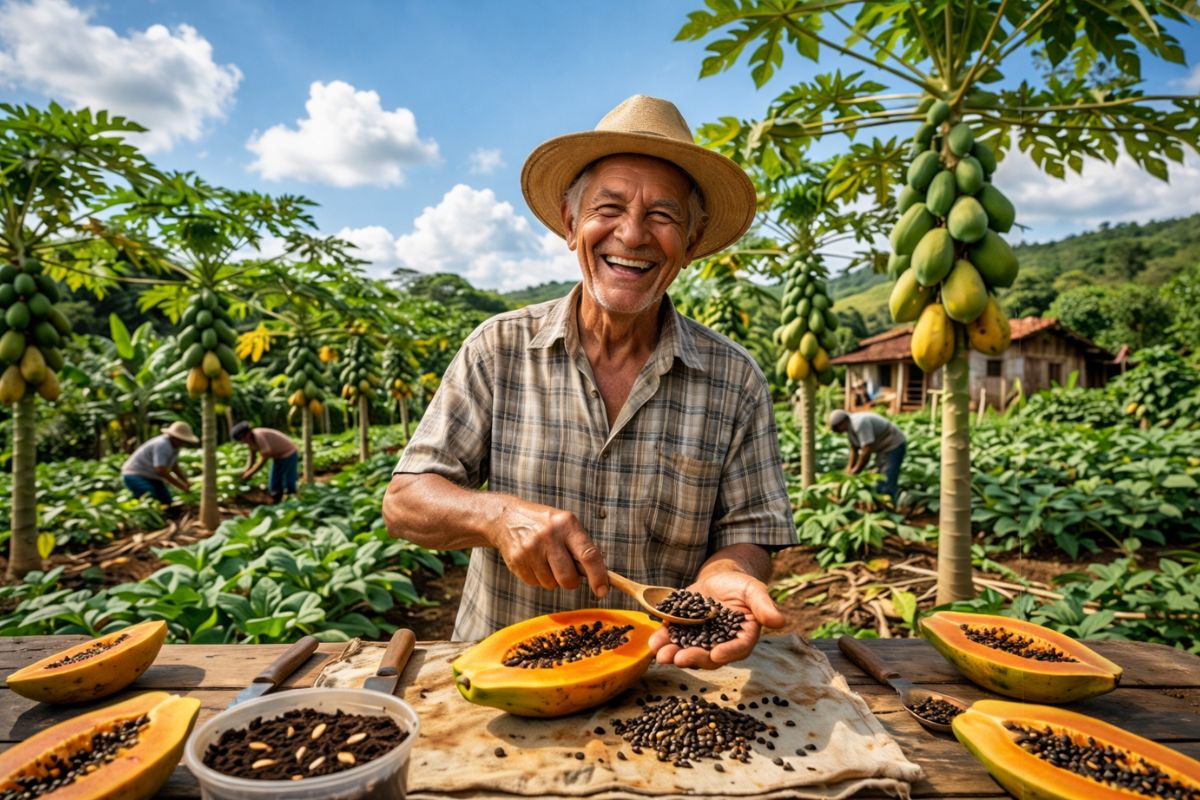
Mr. Mário reveals the technique of the caipira papaya: he cuts the fruit in half, discards the seeds from the tip, and plants the ones from the back to increase the chance of a productive female tree.
-
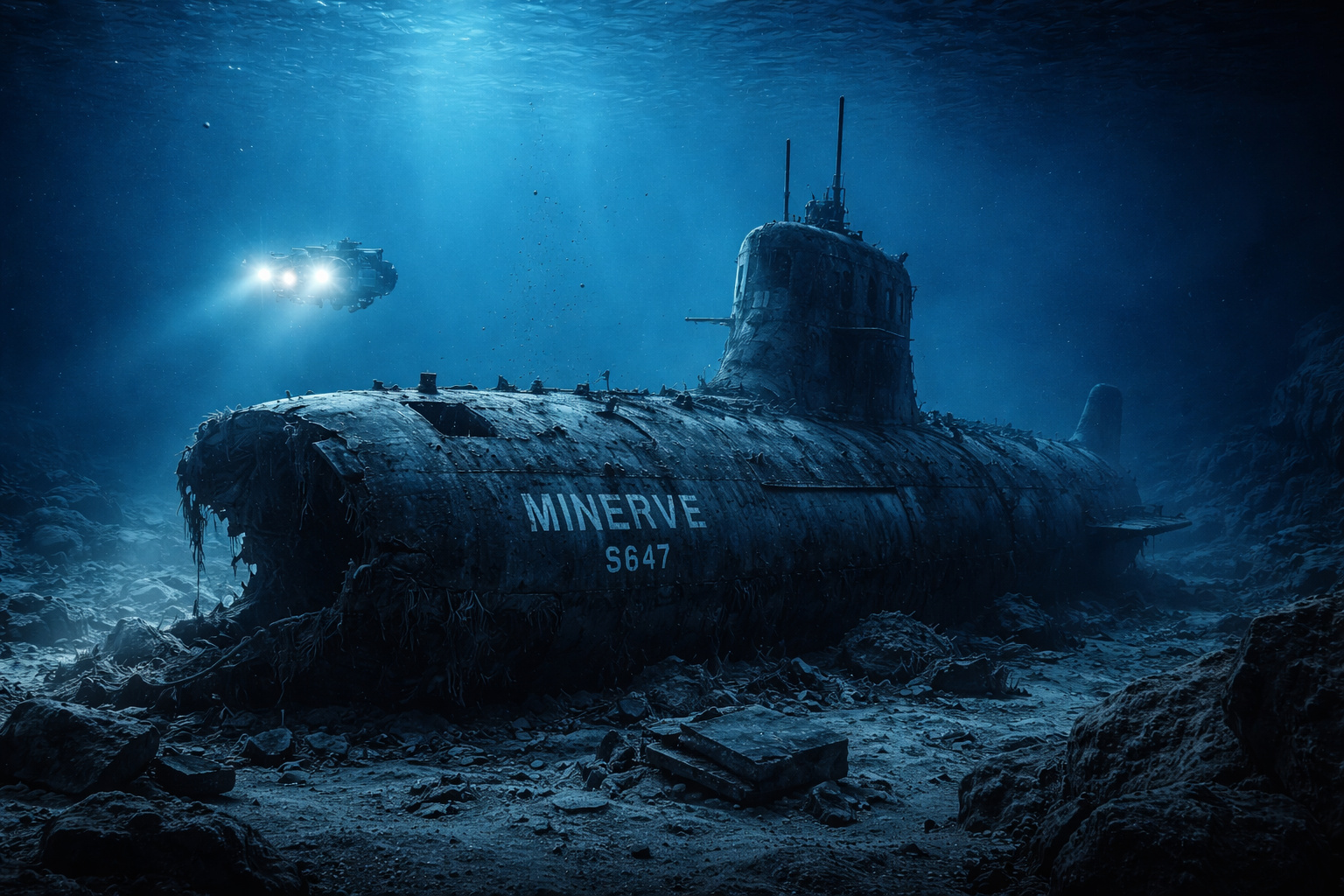
Few remember, but the submarine that disappeared in 1968 with 52 crew members was found after 51 years at the bottom of the sea at more than 2,000 meters, intriguing the entire world.
-
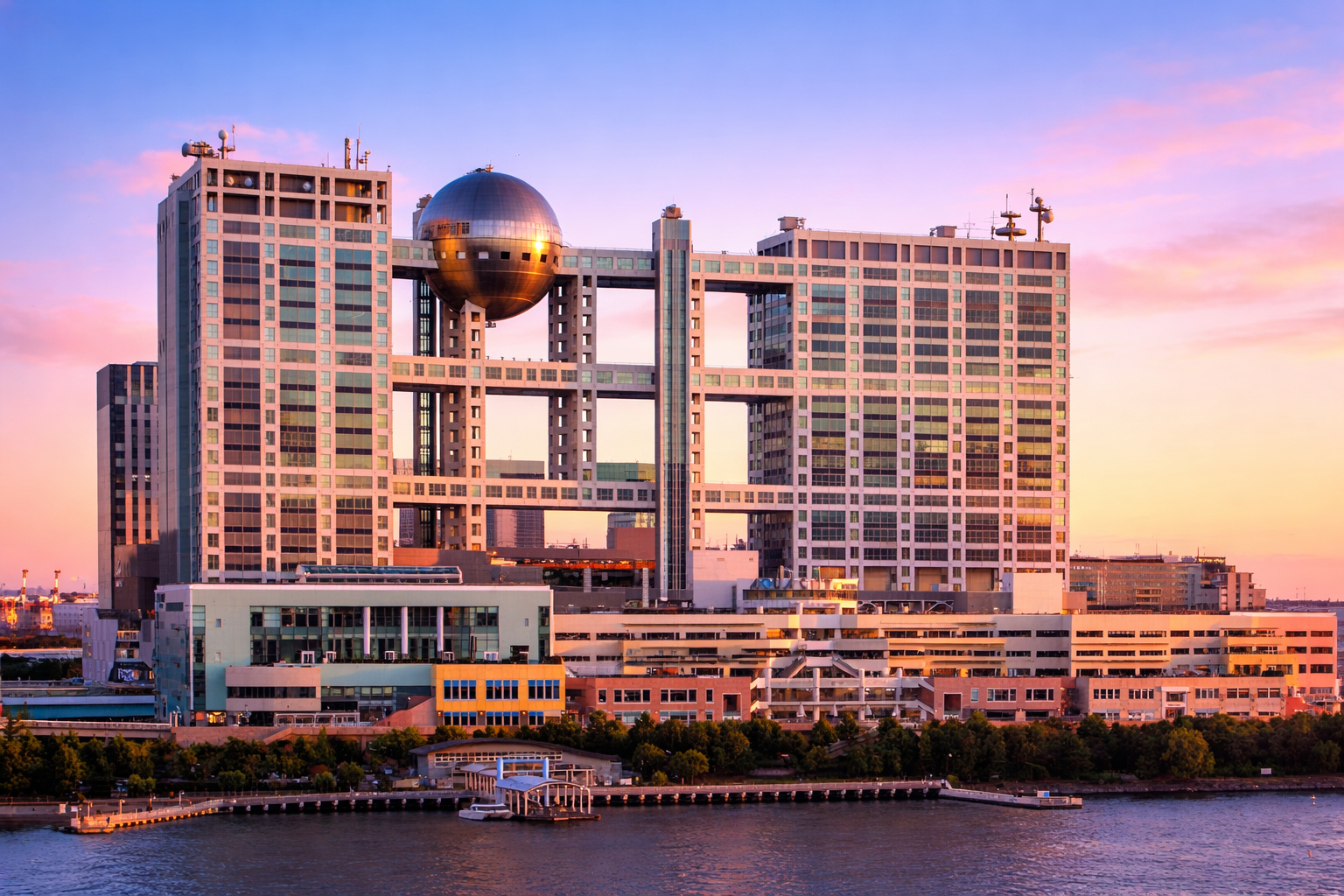
With 1,200 tons suspended, the Japan mega-structure in a grid shape with a floating sphere from Fuji TV features two 25-story towers connected by elevated walkways, titanium panels, and impresses the world with its ability to reduce wind impact.
-
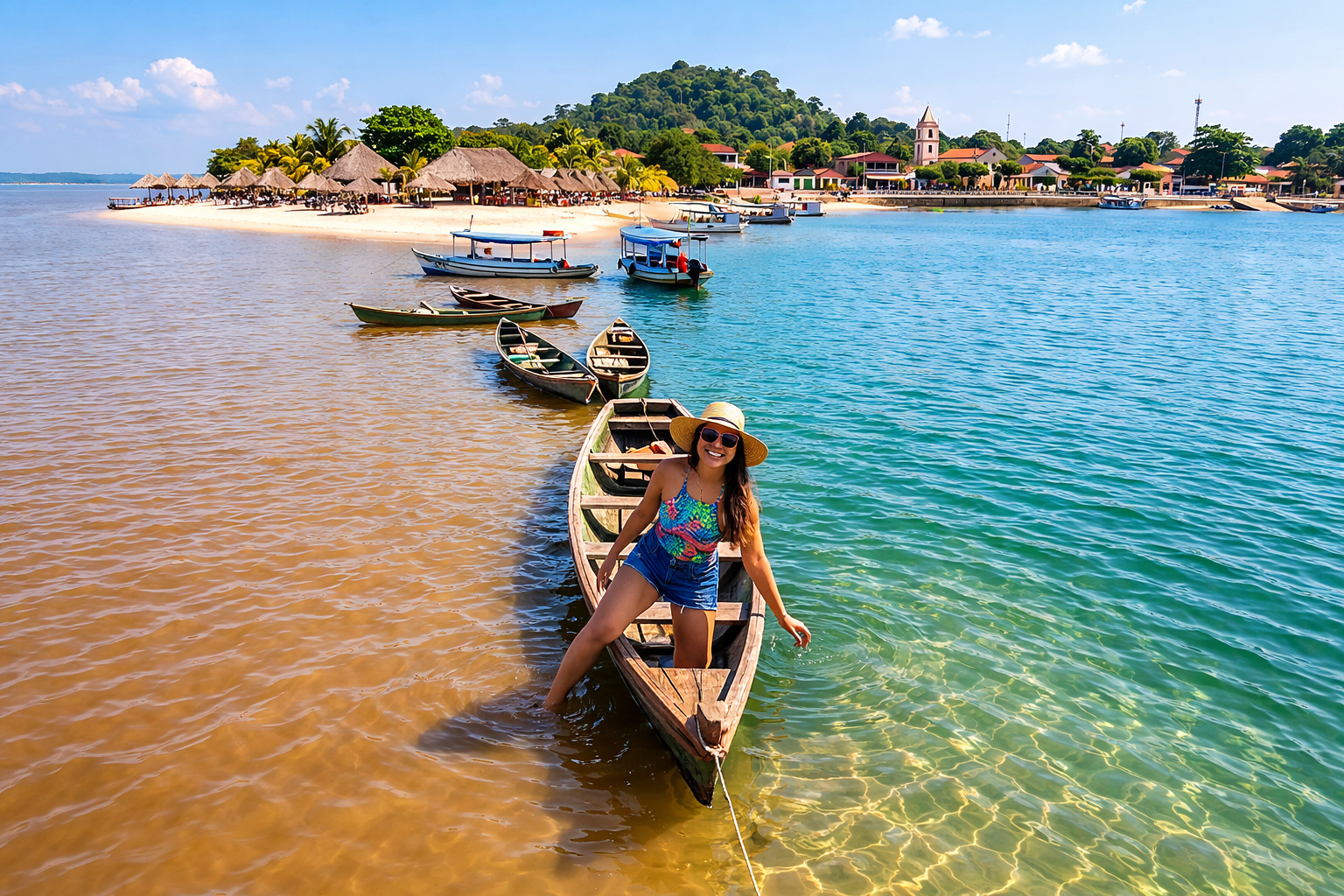
The village where two rivers run side by side without mixing in Santarém and Alter do Chão reveals some of the most beautiful freshwater beaches on the planet.

The Hot And Extremely Humid Climate Of The Island Accelerates The Wear Of Every Detail: The Salt In The Air Corrodes Metal, Rain Soaks Through The Centuries-Old Walls, And Urban Pressure Threatens Structures That Were Not Built For The Modern Pace.


That Is Why São Luís Is Currently Facing The Greatest Restoration Challenge Of Its History. Whole Palaces Need Structural Recovery, Wall Stabilization, Replacement Of Original Pieces, Restoration Of Rare Tiles, And Foundation Reinforcement.
Some Properties Are Still Awaiting Intervention, While Others Are Undergoing Complex Works Involving Architects, Restaurateurs, Historians, And Preservation Specialists — A Broad Technical Effort To Ensure That The Colonial Ensemble Continues To Exist For The Next Centuries.
Portuguese Tiles: The Artisan Treasure That The World Lost
One Of The Most Remarkable Elements Of The Historic Center Is Its Ceramic Coating. There Are Thousands Of Facades Covered With Portuguese Tiles, Many Over 200 Years Old. The Pieces Were Used Not Only As Ornament But Also As A Way To Protect Walls From The Intense Heat Of The Region.

Each Tile Carries Shades Of Blue, Yellow, Green, Or Ochre That Are No Longer Produced In The Same Way. The Technique, Imported On Trading Ships, Eventually Became A Defining Characteristic Of The City.
Today, These Tiles Are Treated As Extremely Rare Artifacts, Subject To Cataloging, Restoration Projects, Preservation Policies, And Even Surveillance To Prevent Theft. Each Piece Reattached To The Facade Represents A Rescue Of The City’s Identity, And Each Preserved Set Helps Recount The Story Of A Time When São Luís Connected Directly To The World Through Maritime Trade.
From Neglect To Renewal: The Impact Of Restoration On Urban Life
The Restoration Of The Mansions Is Not Just An Act Of Historical Preservation; It Transforms Daily Life. As Streets Are Revitalized, New Businesses Emerge, Restaurants Occupy Old Townhouses, Cultural Centers Come To Life, And Residents Return To Previously Degraded Areas.
The City Regains Movement, Safety, And Circulation, While Also Projecting Itself As An International Tourist Hub.
However, The Process Is Slow And Requires Constant Investment. Many Mansions Belong To Families Who Have Lost Ties To The Property, Others Are Public Properties In Dispute, And Some Are Still Awaiting Technical Studies To Avoid Structural Losses. Despite The Challenges, Each Restored Building Creates A Domino Effect That Enhances The Entire Region, Strengthens The Creative Economy, And Restores Dignity To Spaces That Have Become National Icons.
Why São Luís Is A Rare Heritage In Brazil And The World
The Sum Of Secular Tiles, Urban Flagship Houses, Palaces From Different Eras, And Streets Planned By Colonizers Makes São Luís A Living And Continuous Collection, Something That Cities Like Salvador, Recife, And Ouro Preto Also Possess, But Not In The Same Architectural Density.
São Luís Is At Once:
- Historical Archive
- Open-Air Museum
- Technical Heritage
- Unique Urban Landscape
- Symbol Of Portuguese Influence In The Country
It Is A Collection Where The Past Has Not Been Buried By Modernity; It Still Shapes The Aesthetics, Tourism, Commerce, And Maranhão Identity.
The Future Of The Mansions And The Challenge Of Keeping A Century-Old Heritage Alive
The City Knows That Protecting Its Mansions Is Protecting Its Soul. The Restoration Of São Luís Requires Resources, Specialized Labor, Consistent Policies, And Constant Vigilance Against Degradation.
It Is A Decades-Long Endeavor That Determines Whether Future Generations Will See This Historic Center As It Is Today Alive, Colorful, Shimmering, Full Of History Or Just As Records Of A Past That Has Been Lost.
What Is At Stake Is Not Just Old Buildings, But The Memory Of A Brazil That Was Born In The Ports, In The Colonial Churches, And In The Narrow Streets Paved By A Rare Mixture Of Cultural Influences.
São Luís, With Its Imposing Mansions, Has Become One Of The Greatest Symbols Of This Past And Its Preservation Is A Continuous Act Of Resistance.







-

-

-

5 pessoas reagiram a isso.