





 Portuguese
  English
  Spanish
  4 min of reading
  0 comments


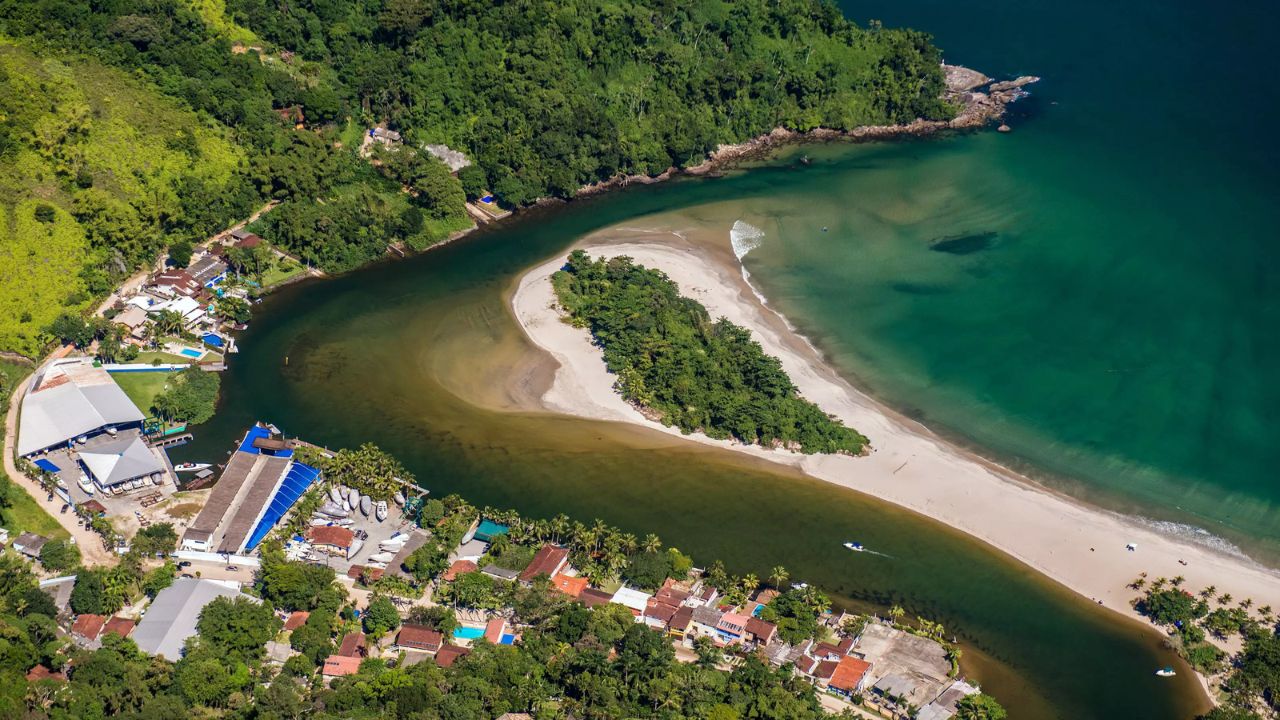
Despite Being Close to the Coast, São Paulo Grew Oriented to the Interior Due to Geographical, Historical, and Economic Factors.
São Paulo is the most populous state in Brazil, but only about 4% of its inhabitants live on the coast, a huge contrast with other coastal states. This very different population distribution has its origins in the unique geography of the Paulista territory and in economic and historical choices that shaped the state’s development over the centuries.
Unlike regions where the coast hosts capitals, large cities, and industrial hubs, São Paulo was formed with its back to the sea, driven by the fertile Plateau, the Serra do Mar that limits coastal occupation, and the economic growth of the interior. The result is an almost unique model in the country.
The Natural Barrier That Shaped São Paulo
The explanation begins with geography. The Serra do Mar acts as a natural wall, separating a narrow coastal plain from a broad, fertile plateau full of potential.
-
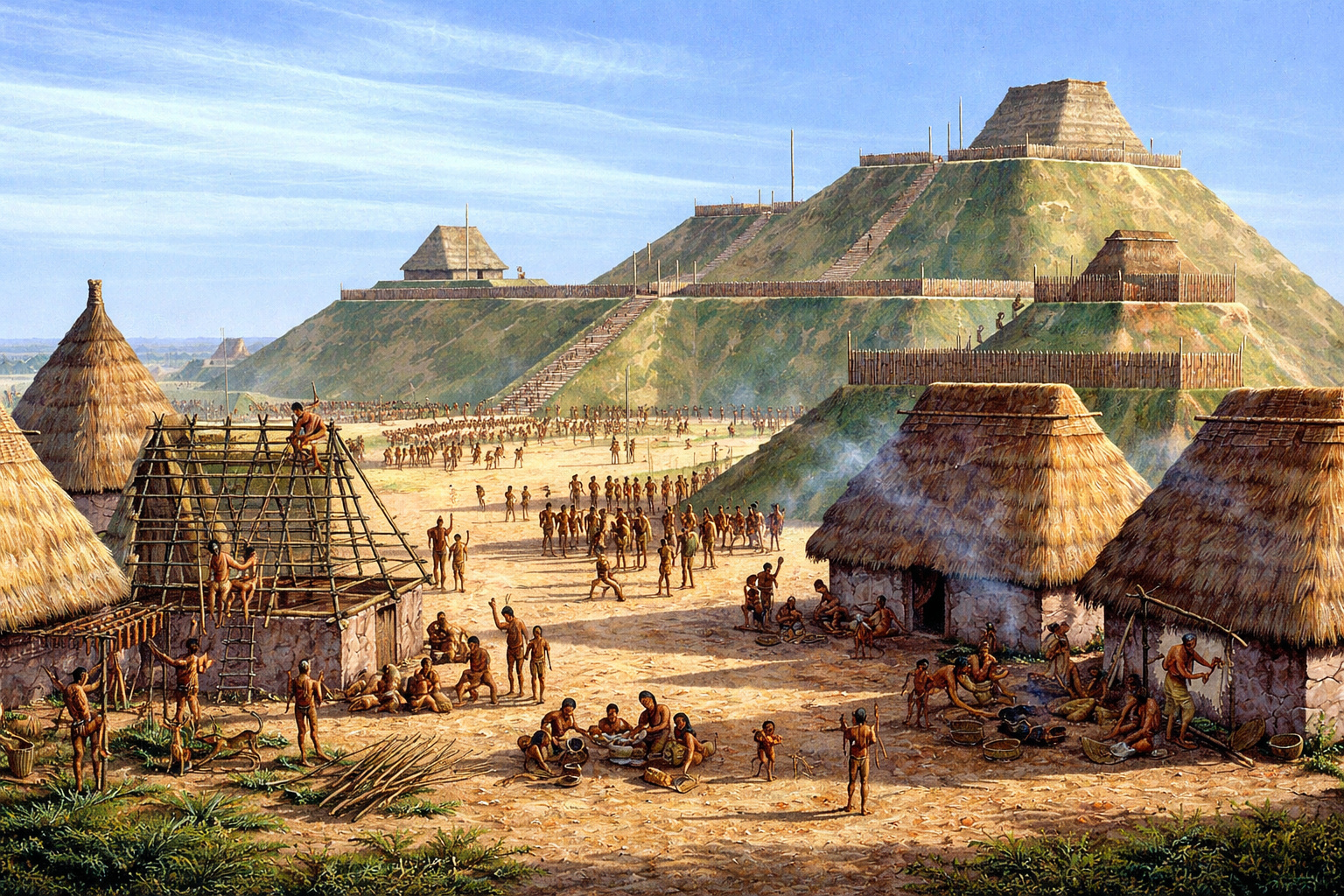
With over 14 million baskets of earth moved, an ancient North American metropolis built a monumental pyramid of 30 meters and established a city with 20,000 inhabitants nearly a thousand years ago.
-
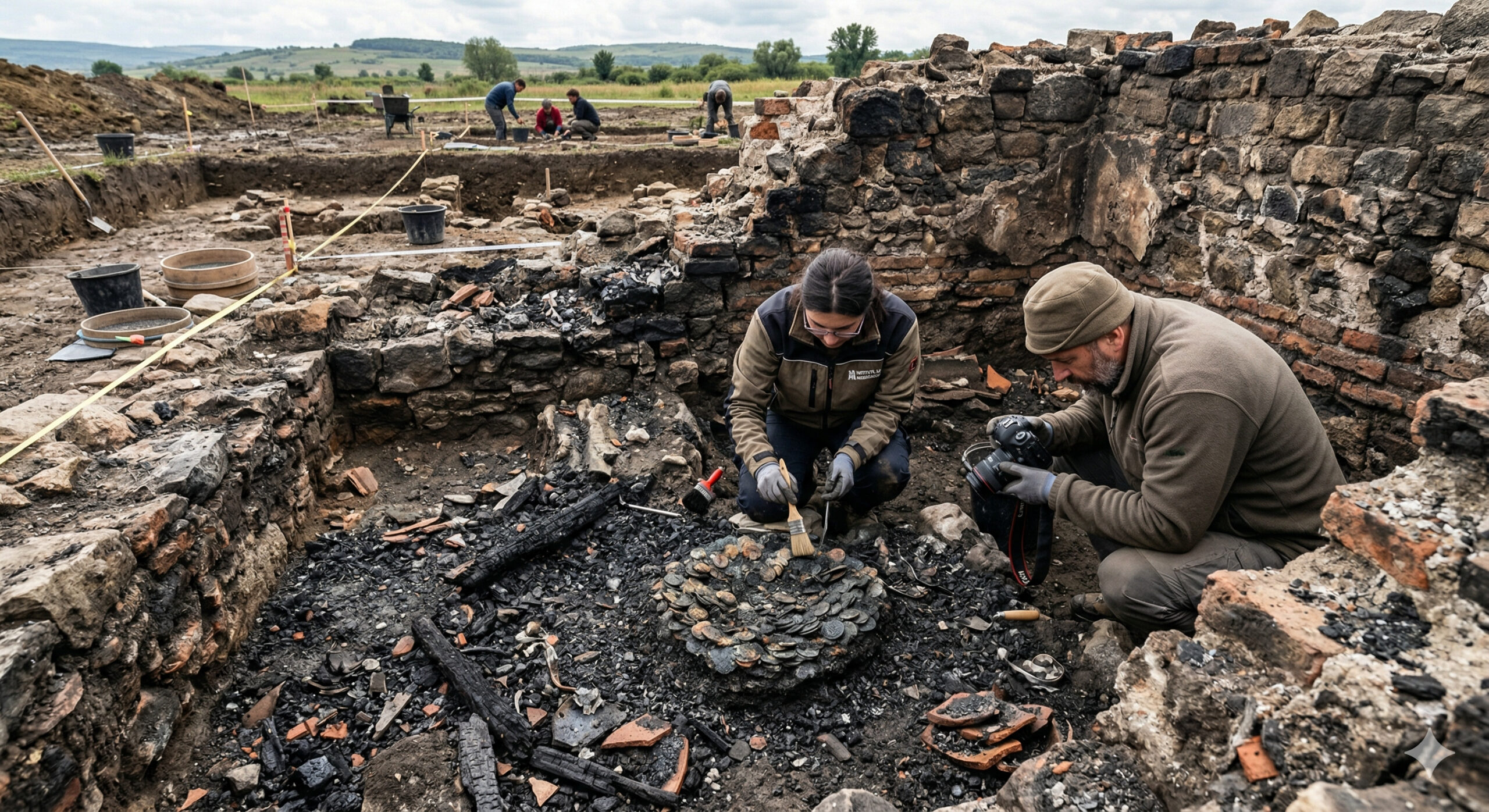
A 1,900-year-old treasure emerges from a Roman house destroyed by fire and sealed since antiquity in Romania, with coins and metals fused among the ashes.
-
The Brazilian colonial city that stopped in time and shares territory with a rocket launch base.

-
79-year-old woman challenges limits, visits 193 countries in the world after 56 years of planning and reveals the behind-the-scenes of a global journey that few have managed to accomplish.

While the Baixada Santista has stretches that are only a few kilometers wide before encountering steep cliffs, the Paulista Plateau offers vast areas between 700 and 900 meters in altitude, favorable soil, and a mild climate.
This difference created two distinct worlds. On the coast, flood-prone areas, mangroves, and unstable land limited development. In the Plateau, there was ample space for agriculture, cities, and infrastructure. This duality helped push São Paulo toward the interior.
From Colonial Period to Coffee Cycle: The Interior Always Led
Even with the start of colonization in São Vicente in the 16th century, the dynamics changed quickly. The colonizers ascended the mountain using indigenous trails and found a plateau with much better conditions. Thus, São Paulo de Piratininga was born in 1554, already far from the coast.
From then on, the interior became the protagonist. The bandeiras set out from the Plateau, driving territorial expansion.
Later, the coffee cycle transformed regions such as Ribeirão Preto, Araraquara, and São Carlos into economic powerhouses, reinforcing the centrality of the interior. Meanwhile, the coast grew slowly, limited by its geography.
Industrialization Further Strengthened the Plateau
In the 20th century, when São Paulo became Brazil’s industrial engine, the growth axis continued on the top of the mountain. Greater São Paulo transformed into a megalopolis, with 22 million inhabitants concentrated in the Plateau. The industry spread throughout ABC, Guarulhos, Osasco, Campinas, Sorocaba, São José dos Campos, and Ribeirão Preto, further consolidating the interior model.
The coast was left with specific activities. Santos became the main port of the country, providing the state strategic access to the sea without requiring the population to concentrate on the coast. Other coastal cities specialized in tourism and summer activities, experiencing population peaks only in summer.
Why Is São Paulo So Different from Other Coastal States?
While Rio de Janeiro, Bahia, Pernambuco, Ceará, and many others concentrate a large part of their populations on the coast, São Paulo follows the opposite path. Cities like Campinas, Guarulhos, and São Bernardo do Campo show how the interior has always been more attractive.
Even with 622 km of coastline, only about 4% of Paulistas live there. This can be explained by a combination of factors: a narrow plain, fragile land, an imposing mountain range, a fertile interior, and a historically interior-oriented economy. This set created a practically unique pattern among Brazil’s coastal states.
The Paulista Coast Today: Tourism, Port, and Little Space for Expansion
The coast of São Paulo has clear functions. It is the state’s vacation destination, with cities like Guarujá, Praia Grande, and Bertioga hosting populations that can triple in summer. And, of course, there is the strength of the Port of Santos, essential for the national economy.
However, outside the season, the permanent population remains small, because the state’s economic, industrial, and urban life continues to be concentrated where it always has been: in the Plateau.
And you? Do you believe that the coast of São Paulo should receive more investment to grow, or does it make sense for the state to remain focused on the interior?






-

-

-

-

-

8 pessoas reagiram a isso.