





 Portuguese
  English
  Spanish
 5 min of reading
  0 comments


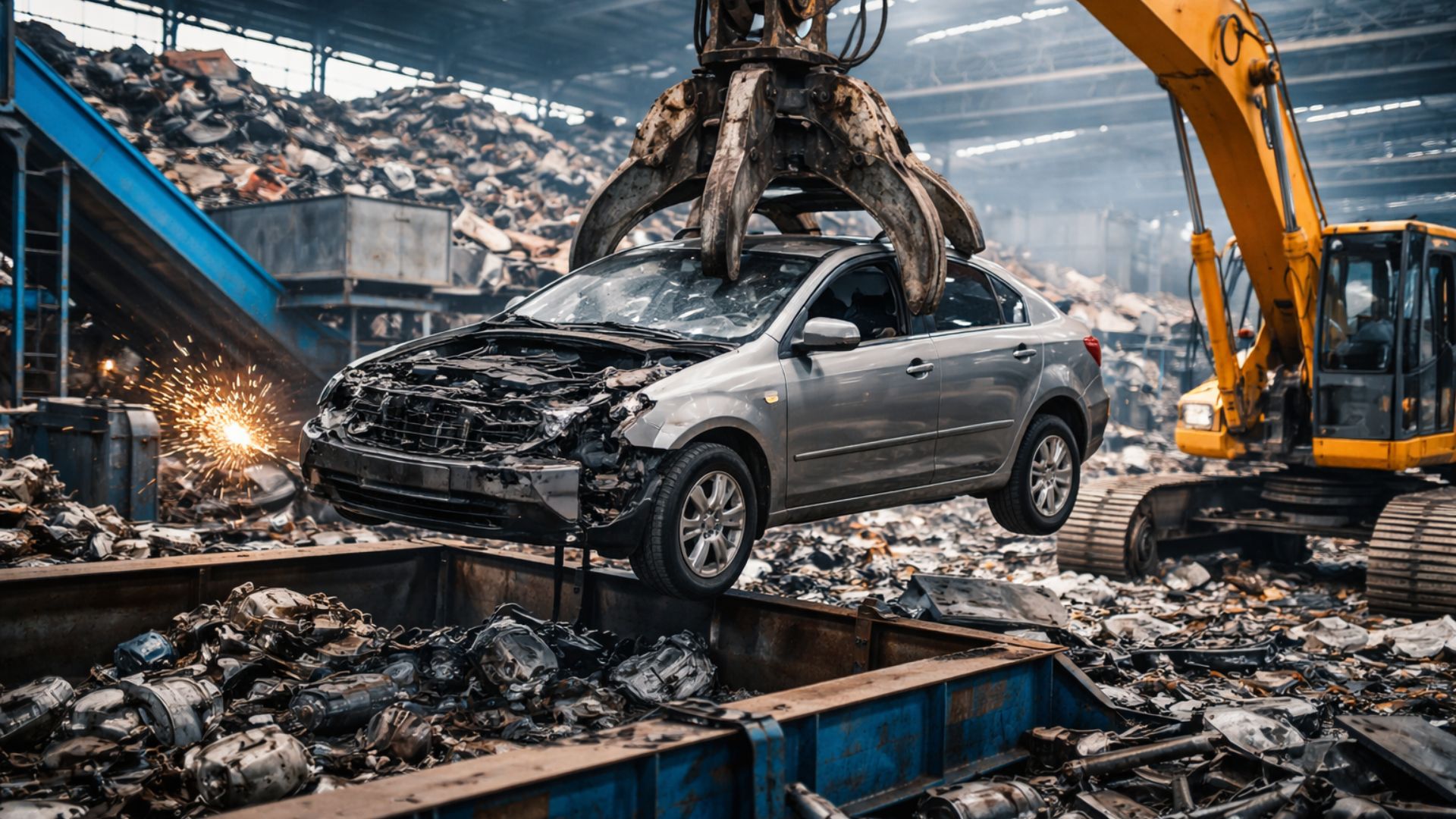
Grupo SADA Launched a Modern Vehicle Recycling Plant Capable of Repurposing Automotive Scrap on a Large Scale, Strengthening the Circular Economy and Expanding Industrial Sustainability in Brazil.
The inauguration of the new vehicle recycling plant from Grupo SADA marks an important advance for the circular economy in the Brazilian automotive sector and reinforces initiatives focused on sustainability in industry. According to a report published by the site ESG Inside and other outlets on February 25, the Igarapé Recycling unit (IGAR), located in Igarapé, in the Metropolitan Region of Belo Horizonte, received investments of approximately R$ 200 million and was designed to process up to 300,000 vehicles per year.
New Vehicle Recycling Plant Has 80,000 Square Meters of Total Area
The facility has an estimated capacity to handle around 500 cars per day and operate with processing volumes between 100 and 120 tons of general scrap per hour. The structure includes stages of decontamination, disassembly, and shredding, allowing the repurposing of automotive materials that were previously discarded or underutilized.
Situated on a total area of 80,000 square meters, the unit was planned to function as a complete industrial hub for automotive recycling. The project is aligned with the National Solid Waste Policy (PNRS) and the Mover Program, a federal public policy focused on sustainable mobility and technological innovation in the automotive sector.
-
Embrapa’s discovery reveals an unexpected advancement by allowing the production of seedlings from the caatinga using brackish water, opening a new frontier for farmers to face drought more efficiently.
-
6 sources of free fertilizer that you are throwing away every day and can transform your garden without spending anything.
-
With a water crisis on the radar, Sabesp invests in reclaimed water for data centers and transforms sewage treatment into a solution that saves millions of liters and protects public supply.

-
Foresea achieves 100% offshore waste reuse in 2025, eliminates landfill disposal, and consolidates sustainable strategy with 1,500 tons recycled.

The new operation represents a strategic expansion of Grupo SADA, traditionally linked to automotive logistics, and broadens the company’s role in the final stage of the vehicle lifecycle.


Grupo SADA Expands Circular Economy with Integrated Large-Scale Recycler
The new vehicle recycling plant solidifies Grupo SADA‘s entry into the industrial large-scale automotive recycling segment. The project was developed to provide complete infrastructure for the treatment of end-of-life vehicles, known internationally as ELV (End-of-Life Vehicles).
The adopted model allows vehicles to be processed in a controlled manner, with the removal of fluids and potentially contaminating components prior to shredding. This procedure reduces environmental risks and increases efficiency in the recovery of recyclable materials.
By transforming automotive scrap into reusable raw materials, the unit strengthens the circular economy and contributes to the more efficient use of industrial resources. Metals and other materials can return to the production chain, reducing the need for the extraction of virgin raw materials.
According to the National Union of Automotive Vehicle Component Industry (Sindipeças), the Brazilian fleet has an average age of approximately 10 years and 11 months. This aging fleet increases the need for industrial solutions capable of dealing with the growing number of discarded vehicles.
In this scenario, Grupo SADA‘s investment emerges as a structured response to a growing problem in the country.
Vehicle Recycling Plant Boosts Sustainability and Emission Reduction
The new vehicle recycling plant was conceived as an industrial hub focused on sustainability, emphasizing carbon emission reduction and the repurposing of automotive materials.
The recycling process includes vehicle decontamination, component separation, and shredding of the metal structure. This model allows materials such as steel, aluminum, and other metals to be reintegrated into the production cycle.
The unit can also process metallic scrap destined for the steel industry, expanding the industrial reach of the project. This integration strengthens the circular economy by connecting different industrial segments around material repurposing.
The plant’s location was strategically defined to be close to the largest vehicle yard of Grupo SADA, also located in Igarapé. This proximity reduces logistical travel and contributes to greater operational efficiency.
The structure also includes 22 parking spaces for car carriers, a scale for vehicles up to 30 meters long, and the capacity to store 1,245 vehicles or automotive carcasses.
Grupo SADA Integrates Vehicle Recycling Plant into the Mover Program
The new unit of Grupo SADA is aligned with the guidelines of the Mover Program, a federal initiative aimed at modernizing the Brazilian automotive industry and promoting more efficient technologies.
The program seeks to guide the transition to more sustainable production standards and encourage technological innovation in the mobility sector. In this context, the new vehicle recycling plant represents a practical example of applying the program’s guidelines.
The proper disposal of end-of-life vehicles is considered one of the main environmental challenges of the automotive industry. Recycling helps conserve natural resources and reduce the environmental impacts associated with improper waste disposal.
By investing in this segment, Grupo SADA expands its sustainability initiatives and contributes to the advancement of the circular economy in Brazil.
The unit also represents a strategic diversification of the company’s activities, combining economic profitability with environmental responsibility.
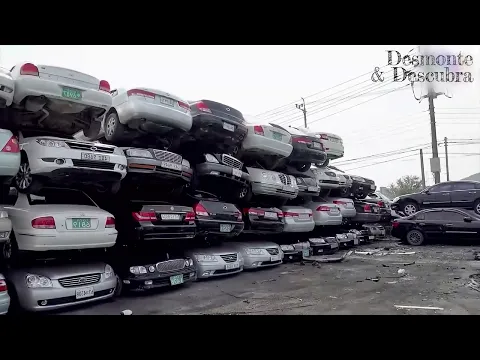
Industrial Partnership Expands the Reach of the Vehicle Recycling Plant
Even before the official inauguration, Grupo SADA signed a contract with ArcelorMittal Brasil for the processing of metallic scrap.
The agreement provides for the establishment of a warehouse for the storage and movement of recycled materials, in addition to the logistical management of processed and received scrap at the warehouse.
The materials will be destined for the operations of the steel mill, allowing recycled steel to return to the production chain. This type of industrial integration strengthens the model of circular economy and enhances the environmental results of the project.
The new vehicle recycling plant will operate as a link between the automotive sector and the steel industry, connecting different production chains through the repurposing of resources.
This model also reinforces Grupo SADA‘s strategy to enhance the sustainability of its operations throughout the entire logistics and industrial chain.
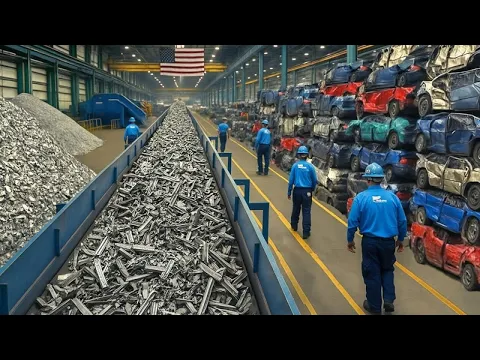
A New Industrial Destination for End-of-Life Vehicles in Brazil
The establishment of the unit represents an important change in the treatment of discarded vehicles in the country. The existence of dedicated industrial infrastructure allows for greater environmental control and better economic utilization of recovered materials.
Grupo SADA will now act not only in the transport of new vehicles but also in the final stage of the automotive cycle. This integration allows for greater logistical and industrial efficiency.
The new vehicle recycling plant was designed to operate on a large scale and serve different industrial segments. In addition to the automotive sector, the unit can supply recycled raw materials to steel mills and other metallurgical industries.
The project strengthens the circular economy by transforming the end of a vehicle’s life into a new production cycle. This model reduces waste and enhances the repurposing of industrial resources.
The initiative also reinforces Grupo SADA‘s role as one of the agents driving sustainability in the Brazilian automotive sector.
With the expansion of the national fleet and the gradual increase in the number of discarded vehicles, industrial structures like the Igarapé unit are expected to gain increasing importance in the coming years.
The new plant demonstrates that automotive recycling can evolve from isolated activities to an integrated industrial model, with sufficient scale to meet the demands of the Brazilian market.








-

-

3 pessoas reagiram a isso.