





 Portuguese
  English
  Spanish
  4 min of reading
  2 comments


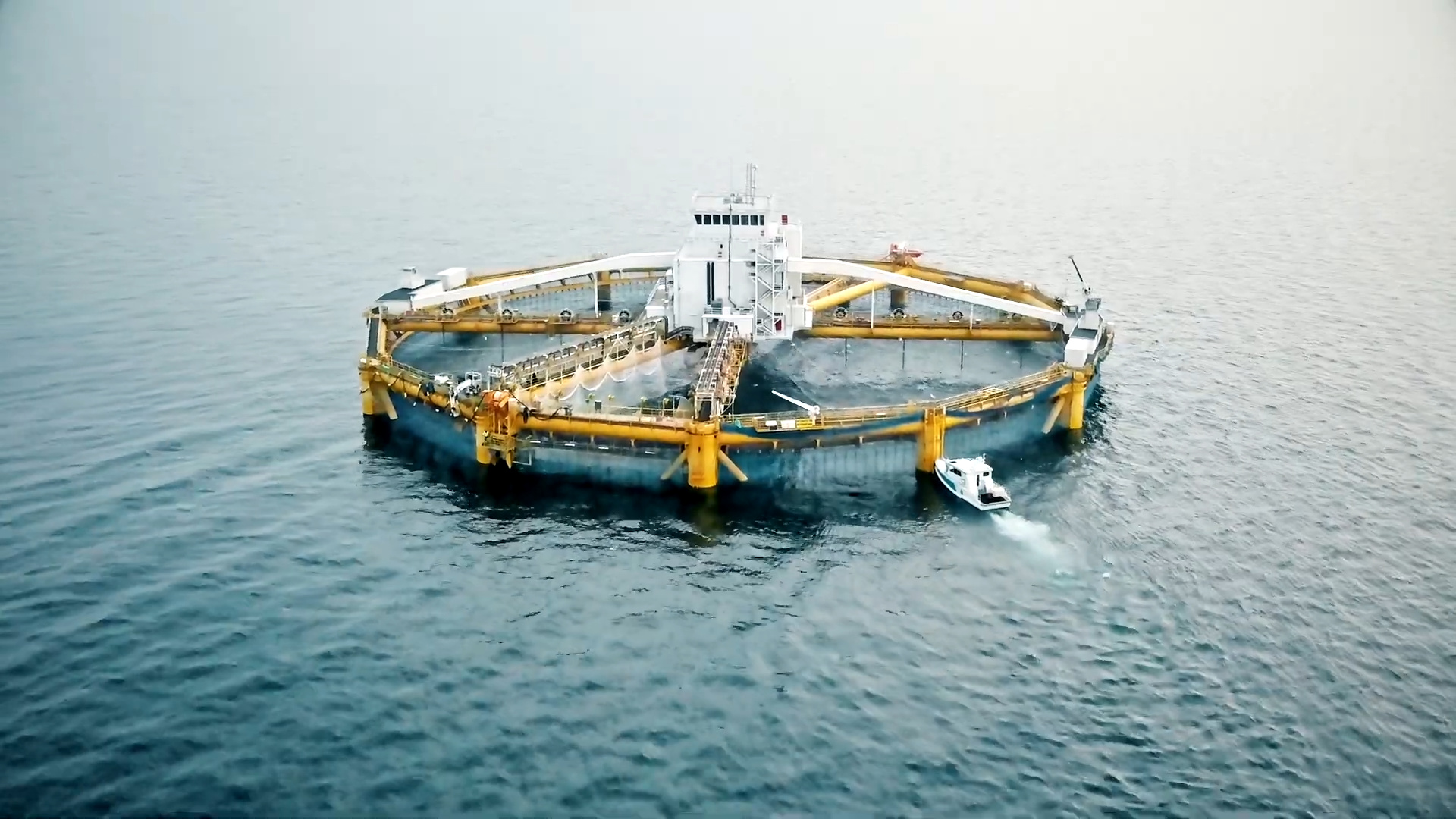


Ocean Farm 1, From SalMar, Operates in Open Seas With Giant Steel Structure, Producing Thousands of Tons of Salmon Per Cycle and Took Industrial Aquaculture to the Deep Ocean.
For centuries, animal husbandry has been limited to land space. Pastures, fences, stables, and confinements have always defined the physical limits of animal protein production. The Ocean Farm 1, installed off the coast of Norway, broke this logic by taking intensive salmon farming to the open sea, transforming the ocean into a controlled productive environment.
Operated by SalMar, one of the largest producers of salmon in the world, Ocean Farm 1 is not a small or symbolic experiment. It is an offshore industrial structure, designed to operate far from the coast, in deep waters and under severe environmental conditions, using engineering comparable to that of the oil and gas industry.
An Unprecedented Oceanic Steel Structure for Salmon Production
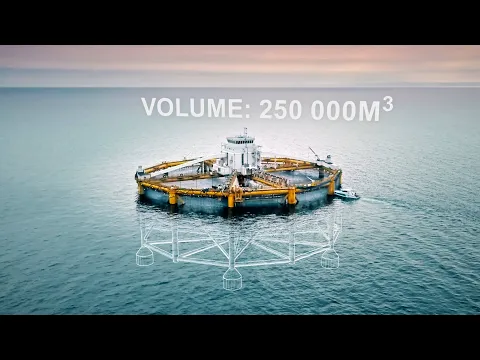
The first impact of Ocean Farm 1 is physical. The unit has a diameter of over 100 meters, with a circular floating steel structure that extends above and below the surface of the sea. Its internal volume exceeds 250,000 cubic meters, creating a larger aquatic confinement space than many urban buildings.
-
The eggshell that almost everyone throws away is made up of about 95% calcium carbonate and can help enrich the soil when crushed, slowly releasing nutrients and being reused in home gardens and vegetable patches.

-
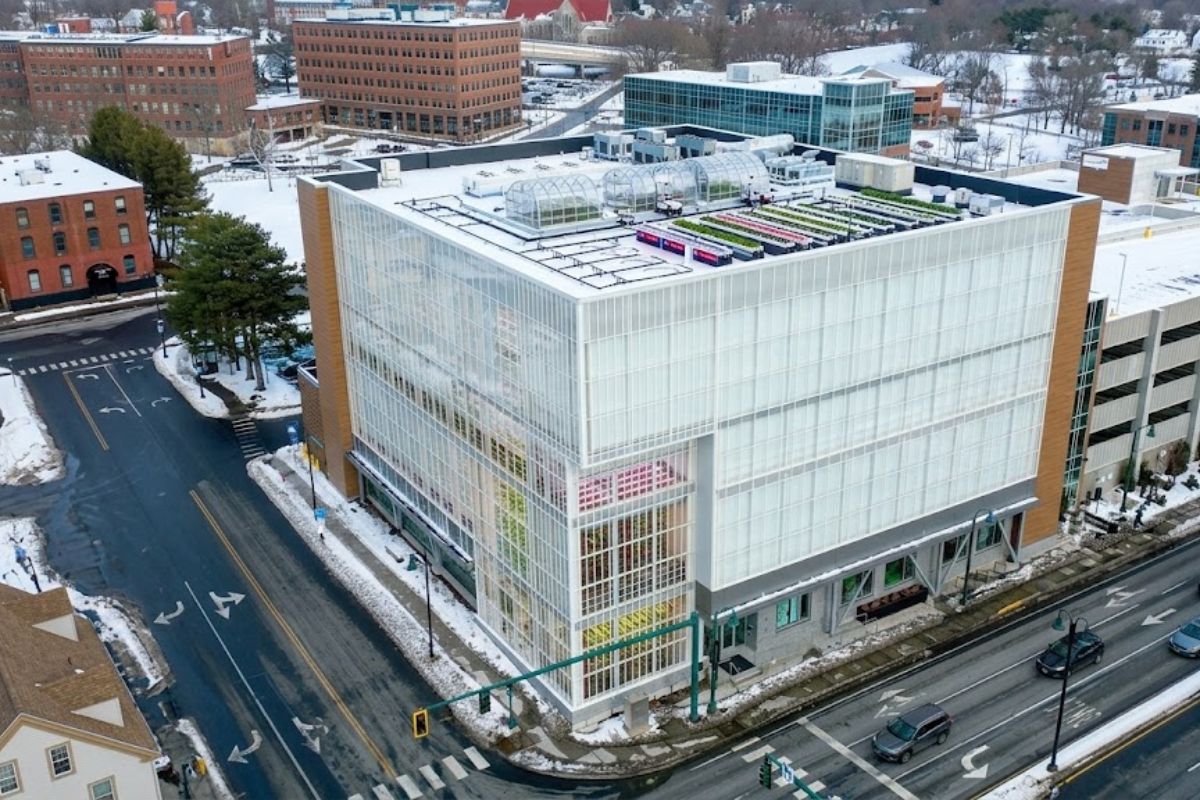
This farm in the United States does not use sunlight, does not use soil, and produces 500 times more food per square meter than traditional agriculture: the secret lies in 42,000 LEDs, hydroponics, and a system that recycles even the heat from the lamps.
-
The water that almost everyone throws away after cooking potatoes carries nutrients released during the preparation and can be reused to help in the development of plants when used correctly at the base of gardens and pots, at no additional cost and without changing the routine.

-
The sea water temperature rose from 28 to 34 degrees in Santa Catarina and killed up to 90% of the oysters: producers who planted over 1 million seeds lost practically everything and say that if it happens again, production is doomed to end.

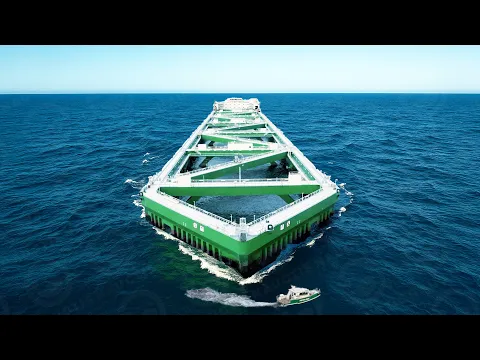

The farm is anchored to the ocean floor by anchoring systems designed to withstand waves several meters high, strong currents, and storms typical of the Norwegian Sea.
Unlike traditional coastal farms, Ocean Farm 1 was designed to operate in an open ocean environment, where the natural circulation of water reduces the concentration of waste and pathogens.
Salmon Raised as Industrial Protein in Deep Sea
Within this colossal structure, only salmon are raised, at carefully controlled densities. Each production cycle allows for the raising of thousands of tons of fish, with live biomass that rivals large land-based animal protein operations.
The deep marine environment offers significant biological advantages. The constant water exchange improves oxygenation, disperses organic waste, and reduces the risks of diseases common in congested coastal areas. This allows for longer and more stable fattening cycles, with less chemical intervention compared to traditional systems.
Engineering Borrowed from the Offshore Industry
Ocean Farm 1 was only possible because Norway has mastered, for decades, offshore engineering applied to oil and gas exploration.
Many of the structural concepts, materials, and safety systems used in the farm directly derive from maritime platforms.
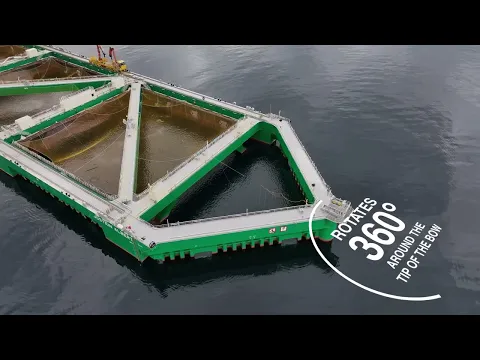
Sensors monitor currents, pressure, dissolved oxygen, water temperature, and structural integrity in real-time. Automated systems control feeding, underwater lighting, and fish behavior, reducing stress and maximizing feed conversion efficiency.
The operation requires highly qualified teams, with knowledge in naval engineering, marine biology, automation, and ocean logistics.
Feeding, Monitoring, and Control in a Hostile Environment
The feeding of the salmon occurs automatically, with rations distributed by systems controlled by sensors and underwater cameras. This avoids waste and reduces environmental impact. Each batch of fish is individually monitored in terms of growth, health, and collective behavior.
Constant monitoring allows for quick adjustments in response to environmental changes, such as temperature variations or ocean currents. The farm operates, in practice, as a floating industrial plant, where decisions are based on data rather than empirical observation.
Annual Production of Thousands of Tons in Open Sea
Ocean Farm 1’s production capacity reaches thousands of tons of salmon per year, a volume sufficient to supply large international consumer markets.
This level of production demonstrates that offshore aquaculture is not just an experimental alternative, but a scalable model of animal protein production.
By shifting part of production to the open sea, Norway reduces pressure on saturated coastal areas and paves the way for the expansion of aquaculture without directly competing with urban and tourism activities.
Environmental Impact and New Productive Balance
One of the main arguments in favor of offshore aquaculture is the reduction of localized environmental impact. In open waters, organic waste is diluted by natural currents, reducing accumulation on the seabed. Furthermore, the distance from the coast decreases interactions with sensitive ecosystems and other human activities.
Still, the model requires rigorous monitoring. Ocean Farm 1 operates under strict environmental standards, with frequent audits and containment protocols to prevent fish escapes and genetic contamination.
The Beginning of a New Frontier in Global Agribusiness
Ocean Farm 1 represents more than just a salmon farm. It marks the definitive entry of agribusiness into the deep ocean, transforming areas previously considered unproductive into strategic economic spaces.
While land-based livestock depends on land, freshwater, and favorable climate, offshore aquaculture comes to rely on engineering, steel, and data, shifting the productive frontier to maritime regions.
With over 100 meters in diameter, 250,000 m³ of internal volume, and annual production of thousands of tons of salmon, Ocean Farm 1 proves that animal husbandry can exceed the limits of solid ground.
It inaugurates an era where the sea is no longer just a transport route or source of extractive fishing but serves as a floating industrial platform for food production. A model that can redefine the future of animal protein on a global scale.









O Chile há faz este tipo de criação de salmão.
O Chile explora a criação de salmão de outra forma sendo que o sistema de ciclo de criação está sendo questionado internacionalmente quanto ao critério de utilização de antibióticos que afetam a segurança pública. Pesquise.