





 Portuguese
  English
  Spanish
  4 min of reading
  0 comments


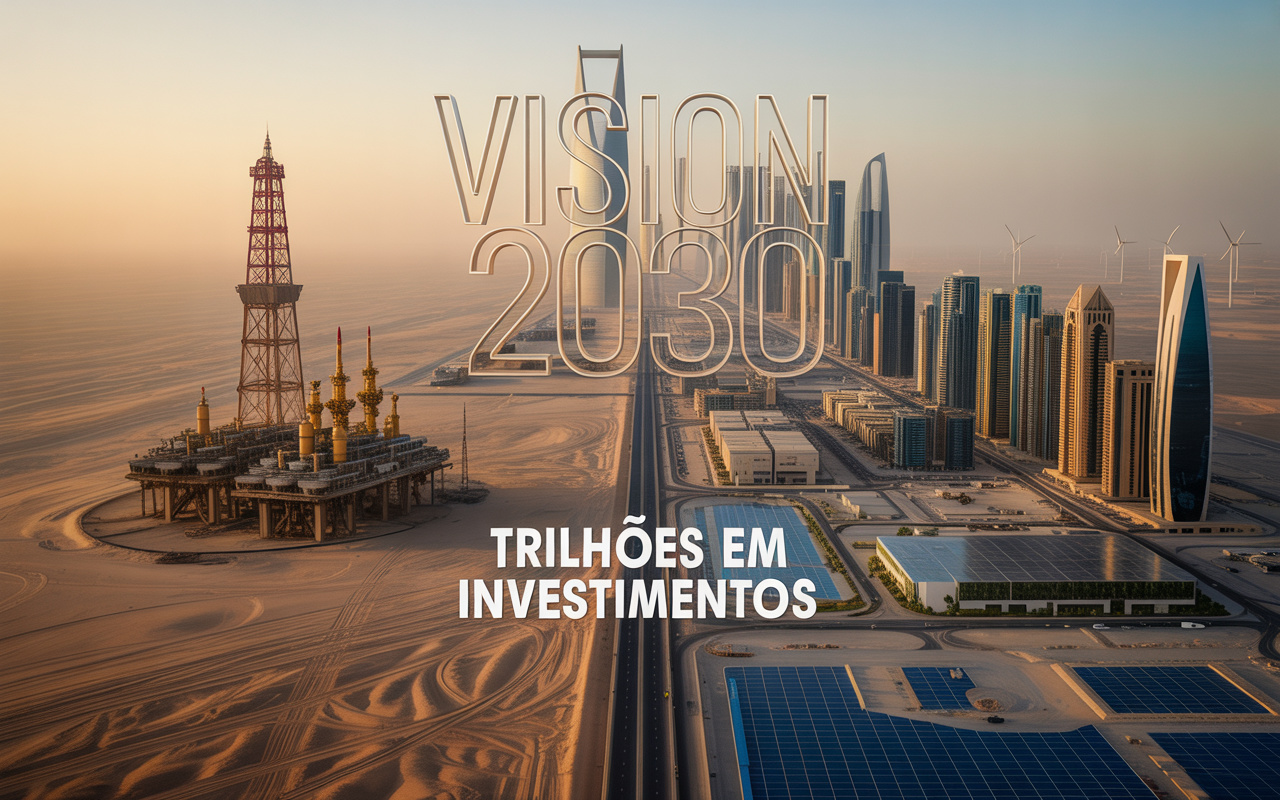
With Billion-Dollar Projects from Vision 2030, Trillion-Dollar Sovereign Fund, and Megacities Like NEOM, Saudi Arabia Tries to Reduce Oil Dependency and Reinvent Its Economy by 2030.
For much of the 20th century, Saudi Arabia’s economic trajectory was defined by a single pillar: oil. This dependency generated wealth but also exposed the country to price cycles, global energy transitions, and geopolitical pressures. In recent years, Riyadh has decided to bet big on a structural transformation. The plan received an ambitious name — Vision 2030 — and involves a deep reconfiguration of the economy, industry, and even the way the country organizes itself socially.
Vision 2030: More Than an Economic Plan
Officially launched in 2016, Vision 2030 is not an isolated industrial program but a national diversification strategy. The central goal is to reduce oil’s contribution to GDP and state revenues, replacing it with sectors like industry, mining, logistics, technology, tourism, renewable energy, and advanced services. In practical terms, this means shifting the country from an extractive model to a more complex economy integrated into global supply chains.

The Role of the Sovereign Fund in the Economic Turnaround
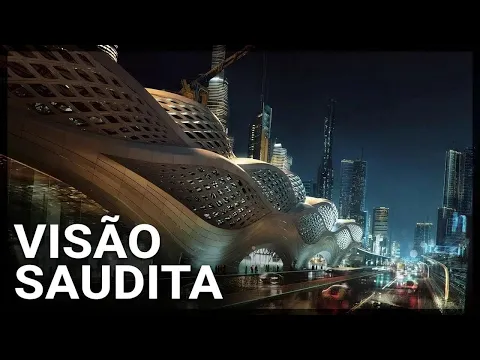
The financial engine of this transformation is the Public Investment Fund. The Saudi sovereign fund has become one of the largest in the world and is now operating as the executive arm of Vision 2030. With declared goals of reaching assets of US$ 1 trillion by the end of the decade, the PIF directs resources to large-scale domestic projects as well as strategic investments abroad. The logic is clear: use oil wealth to finance an economy that can survive without it.
-
Historic bankruptcy of Centauro shocks the market, and the century-old company puts more than 500,000 products, machines, and complete infrastructure up for online auction.

-
New shoe factory in Ceará is expected to create 400 jobs and strengthen the local economy.
-
No one imagined it, but a mixture of sawdust with a mineral that fights fires surprises scientists with a result that changes the course of fire-resistant construction.

-
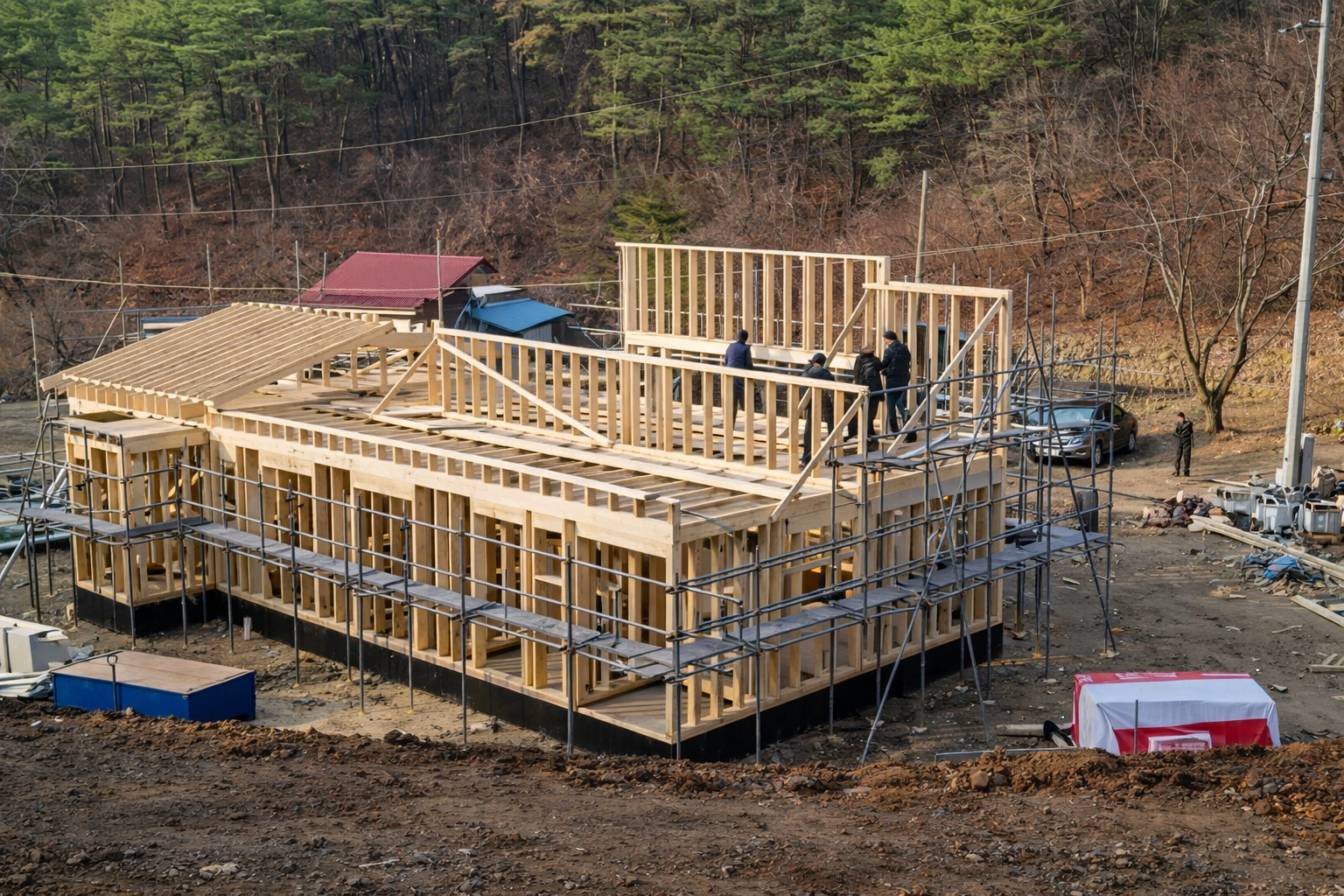
From empty land to a high-end house, wooden construction uses a lightweight system, metal structure for the foundation, ventilated ceramic cladding, and special windows to create an efficient and comfortable living space throughout the year.

NEOM and the Symbol of Reinvention
Among all the projects, none is as symbolic as NEOM. Planned in the northwest of the country, along the Red Sea, NEOM was conceived as a futuristic megacity that combines technology, clean industry, advanced logistics, and new urban models.
Although the exact costs are still the subject of debate, external estimates point to figures in the range of hundreds of billions of dollars, making it one of the largest undertakings ever attempted by a nation-state.
Industry, Mining, and Productive Chains
Alongside futuristic cities, Saudi Arabia has been investing in the expansion of its traditional industrial base. Sectors such as advanced petrochemicals, steelmaking, fertilizers, construction materials, and, more recently, strategic mining have gained priority.
The country has large reserves of phosphate, gold, and critical minerals, and it seeks to move from being just an exporter of raw materials to becoming a producer of higher value-added goods.
Infrastructure as the Basis for Diversification
No reindustrialization occurs without infrastructure. Ports, railways, special economic zones, and logistics corridors are being expanded to transform the country into a hub between Asia, Europe, and Africa. This geographical position is seen as a competitive advantage to attract factories, distribution centers, and industrial services geared toward export.
The Challenge of Abandoning Oil
Despite the volume of investments, the transition is not simple. Oil still accounts for a significant portion of public revenue and exports. Vision 2030 does not anticipate an immediate abandonment of the sector, but rather a gradual reduction of dependence, using current income to finance diversification. In other words, oil continues to be the foundation that supports the very attempt to overcome it.
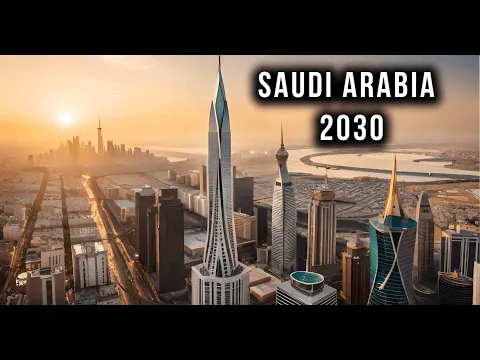
The economic change also requires social adjustments. The plan includes creating millions of jobs outside the oil sector, greater private sector participation, and a gradual opening of the country to tourism, entertainment, and foreign investments. These changes profoundly alter the internal dynamics and place Saudi Arabia in a transition process that goes beyond the economy.
A High-Risk, High-Impact Bet
Vision 2030 represents one of the largest attempts at economic reinvention ever made by a country rich in natural resources. If successful, Saudi Arabia could establish itself as an industrial, logistical, and technological powerhouse in the Middle East. If it fails, it will leave behind a legacy of costly megaprojects and persistent dependence on oil.
At the center of this strategy is a clear bet: use the wealth of the past to finance the future. The outcome of this transformation is still under construction, but the scale of investments and the magnitude of the projects already place Vision 2030 among the most ambitious economic experiments of the 21st century.







-

-

-

5 pessoas reagiram a isso.