





 Portuguese
  English
  Spanish
  3 min of reading
  0 comments


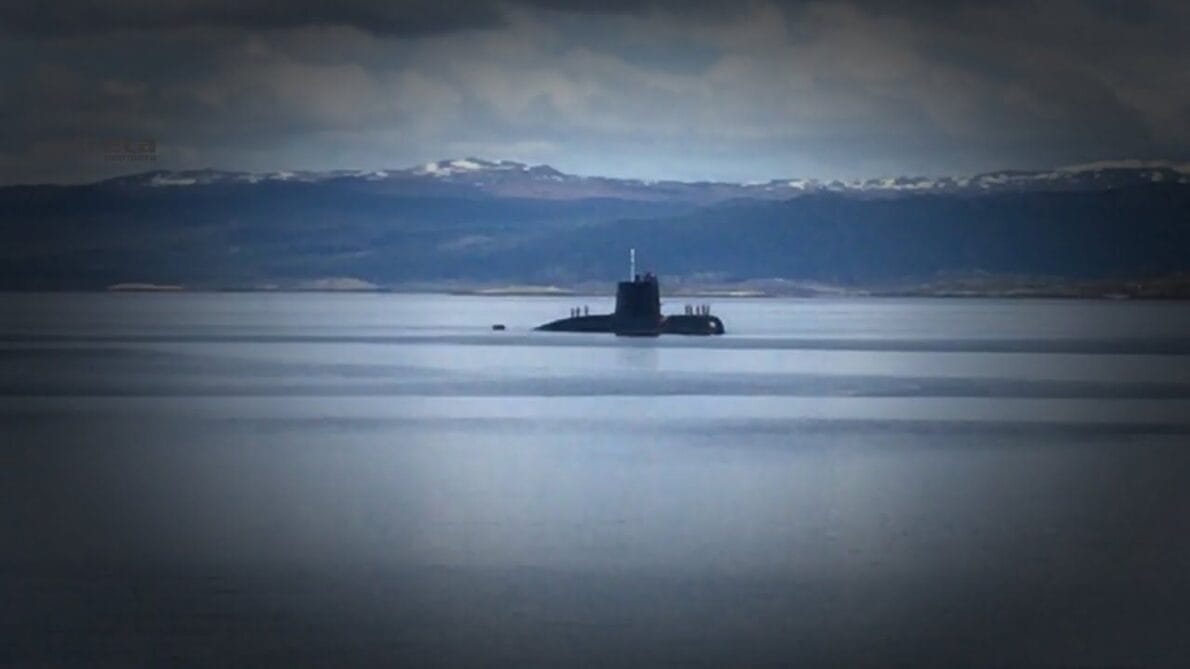
Thinking About Being Inside a Submarine Sinking Out of Control Is Frightening. But What Really Happens When a Submarine Reaches Its Max Depth and Implodes? Let’s Understand This Frightening Process and Explore the Case of the Submarine Ara San Juan.
The implosion of a submarine occurs when the water pressure around it exceeds the hull’s ability to withstand it, causing its collapse. This event is quick and devastating, leaving little chance of survival for the crew.
In 2017, the Argentine submarine Ara San Juan disappeared a few hundred kilometers off the coast of Argentina. Its tragic fate was revealed through acoustic analyses that identified the depth and timing of its implosion.
When a Submarine Implodes, the Water Pressure Around It Forces the Hull to Collapse Quickly
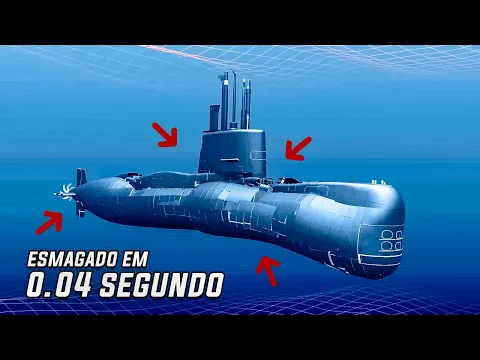

This collapse happens in milliseconds and is so rapid that the crew has no time to feel pain. In the case of Ara San Juan, it was estimated that the pressure hull was destroyed in about 40 milliseconds, a time shorter than what is needed for the human brain to process pain.
-
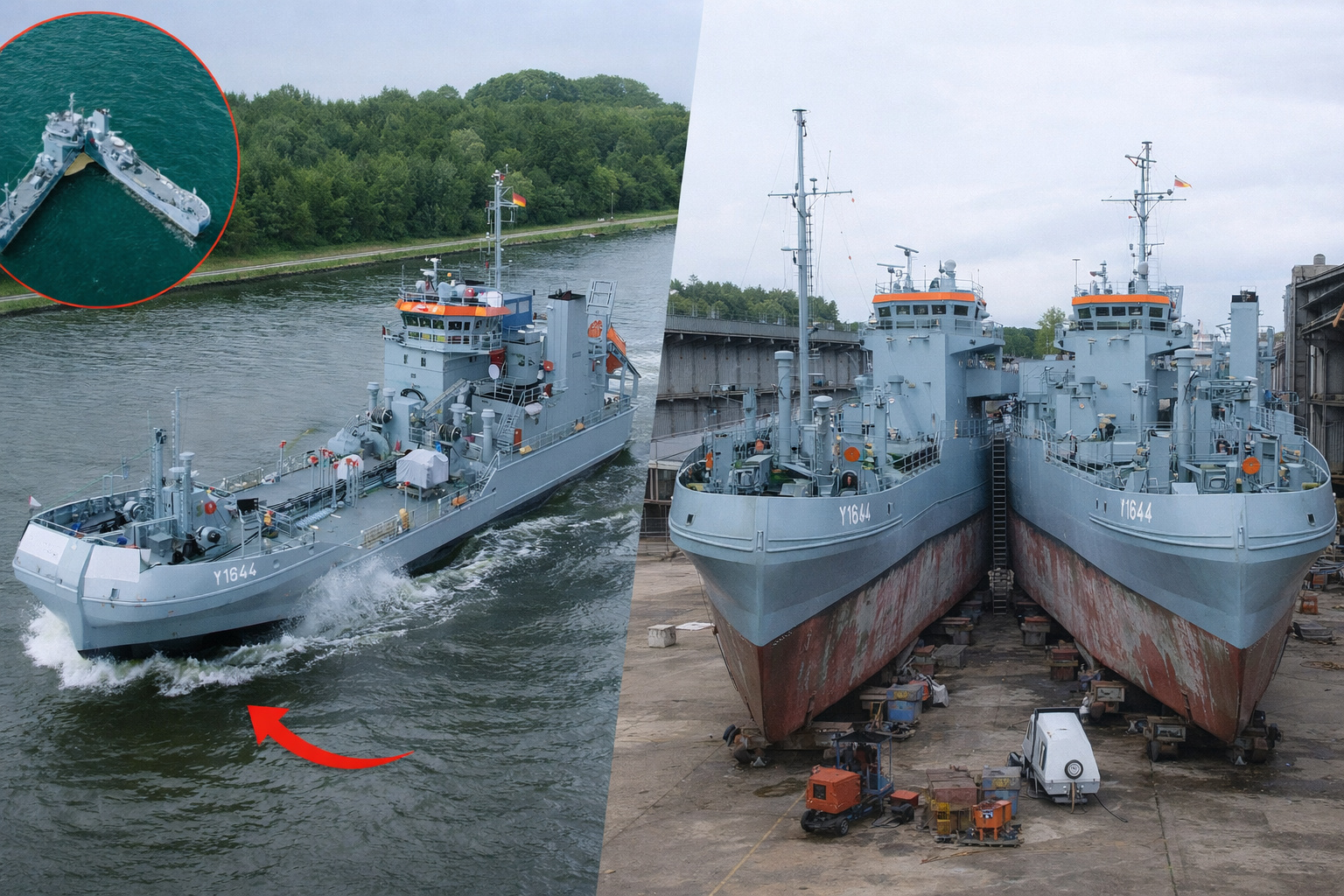
The German ship Bottsand splits its hull in two halves in the middle of the ocean to swallow spilled oil on the surface, separating the oil from the water inside a 790 cubic meter tank and then closing again. It is the only ship in the world factory-designed to split in half as part of normal operations, and the crew of six people who operate everything is civilian.
-
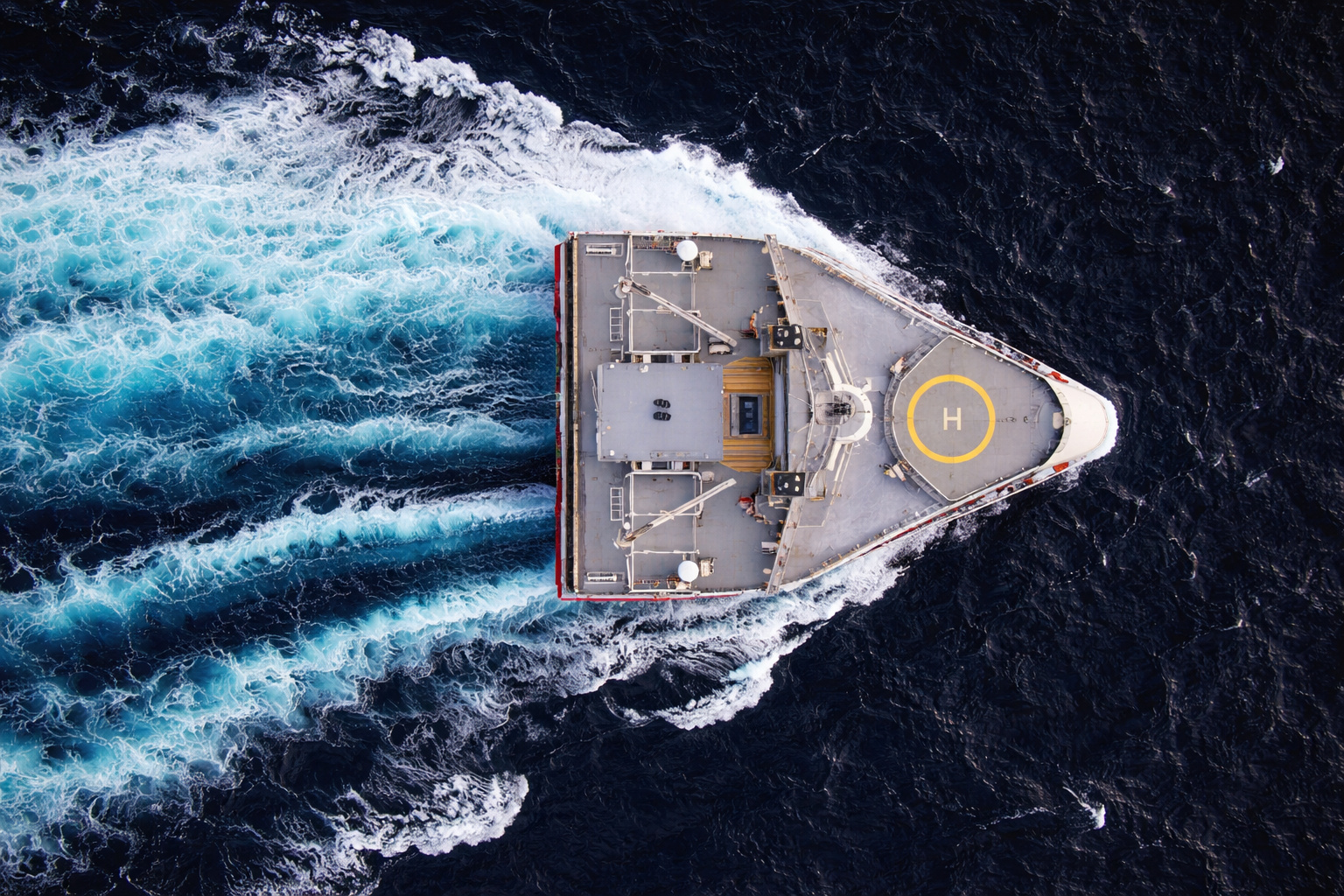
With almost 70 meters in width at the stern and a shape resembling a “giant slice of cheese,” the Ramform Titan tows up to 24 seismic cables to sweep the ocean floor in 3D and reveal oil reserves hidden beneath kilometers of sediment.
-
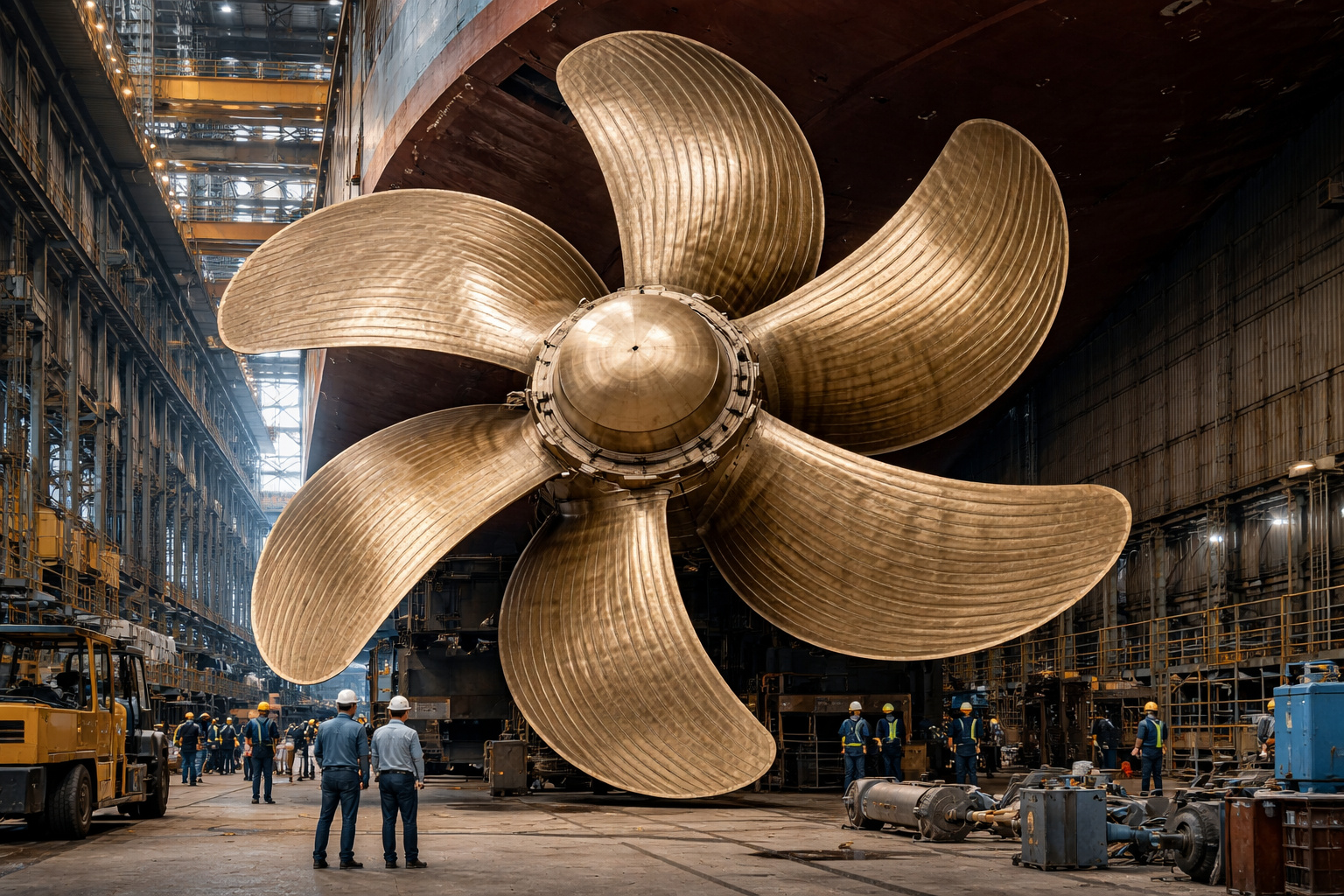
How a 131-ton, 11-meter propeller supports 90% of global trade and transforms the largest container ships on the planet.
-
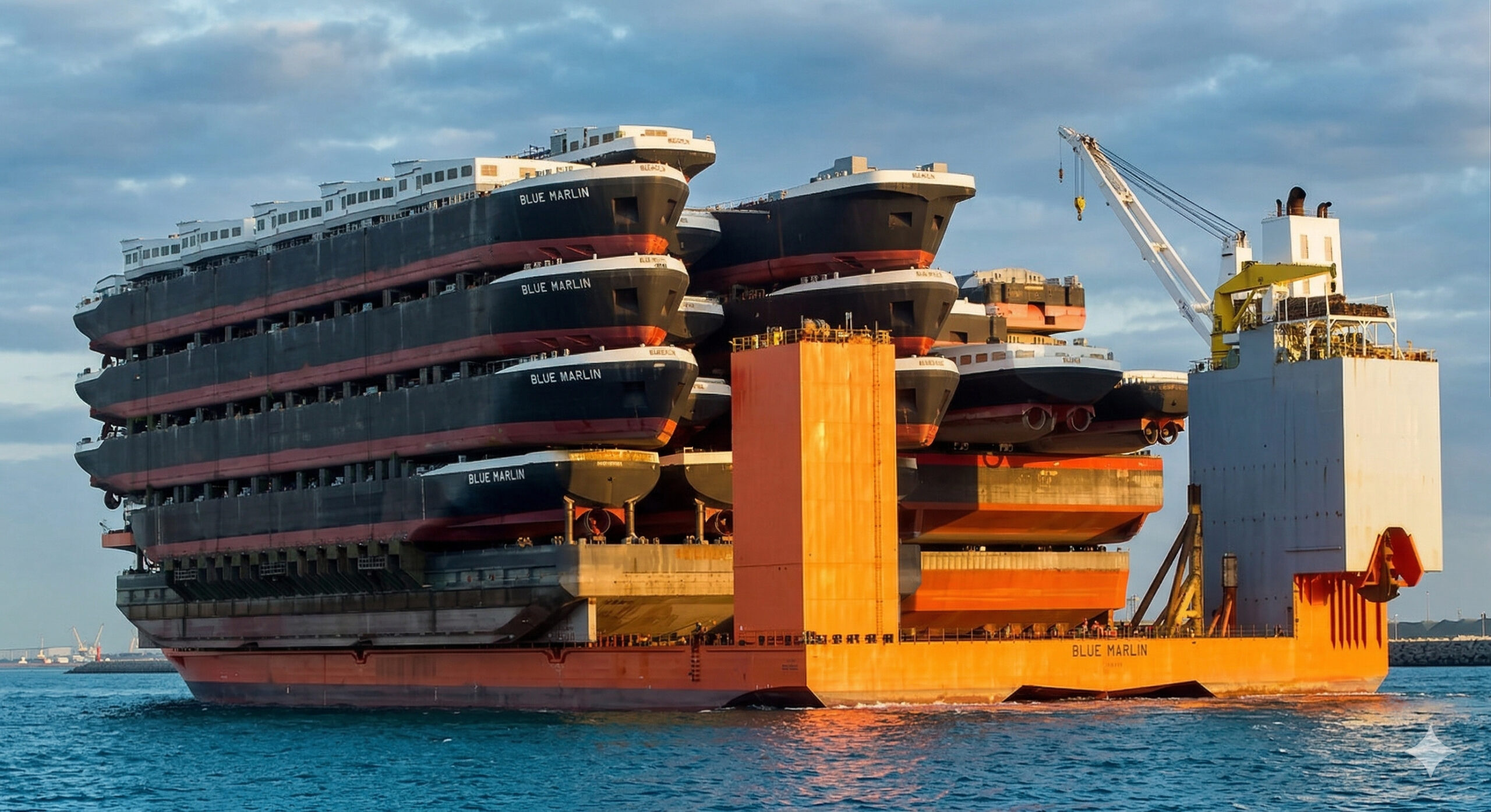
With a length of 225 meters and a capacity of 76 thousand tons, this ship “sinks” its own deck down to 28 meters deep to accommodate war destroyers, oil platforms, and giant radars floating above, and then emerges with everything intact on top like a colossal tray crossing oceans.
The depth of the implosion can be estimated by what it produces. During an underwater implosion, a gas bubble inside the submarine oscillates, creating an acoustic pulse that can be measured. In the case of Ara San Juan, the pulse frequency was about 4.4 hertz, indicating an implosion depth of approximately 388 meters.
The Energy Released by the Collapse of the Hull of the Ara San Juan Was Equivalent to the Explosion of 12,500 Pounds of TNT.
The water pressure at this depth was 570 psi, and the hull would have collapsed at a speed of over 2,400 kilometers per hour. Recovering bodies from imploded submarines is practically impossible. The force of the implosion and the subsequent oscillation of the gas bubble completely destroy the interior of the submarine, leaving little to no recoverable trace.
Although there are special suits that allow for escape from submerged submarines at depths of up to 182 meters, implosions at greater depths, like that of Ara San Juan, are fatal and instantaneous. Submersible rescue vehicles, such as those of the Priz class, can rescue crews from depths of up to 975 meters, but are useless in implosion cases.
The Successful Rescue of the USS Squalus Submarine in 1939, Where 33 Men Were Saved, Is a Rare Case and Regarded as a Miracle
In most cases, such as the Russian submarine Kursk and the Titan submersible in 2023, rescue attempts fail due to extreme depth and overwhelming pressure. In the case of the Titan submersible, which visited the Titanic wreck, the implosion occurred at nearly ten times the depth of Ara San Juan, with water pressure ten times higher at the time of the accident. The Titan crew likely had no time to realize what was happening before the implosion.
The implosion of a submarine is a devastating and instantaneous event. Understanding this aspect helps us consider the risks involved in underwater operations and appreciate the safety measures in place to protect the lives of the crew members.









Seja o primeiro a reagir!