





 Portuguese
  English
  Spanish
  4 min of reading
  6 comments


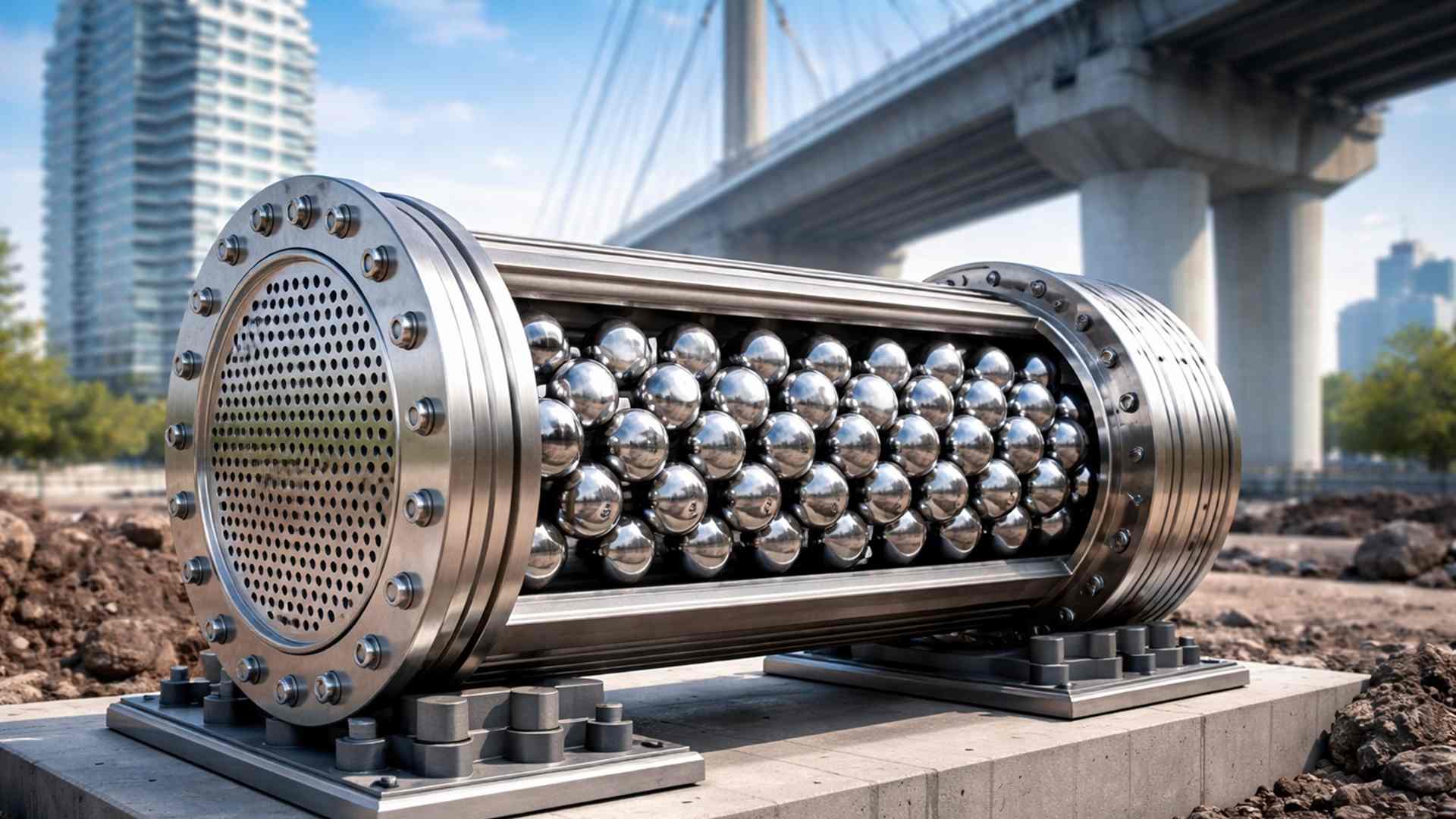


Patented Mechanical Device In December 2025 Uses A Cylinder Filled With Steel Balls And An Axis With Radial Rods To Dissipate Structural Vibrations, Absorbing About 14% Of The Energy Generated By Shakes And Reducing The Impact Of Earthquakes On Buildings, Bridges, And Other Infrastructures
A mechanical device developed at the University of Sharjah in the United Arab Emirates was patented in December 2025 in the United States and has demonstrated the ability to reduce the impact of earthquakes by dissipating about 14% of vibration energy in laboratory tests.
New Technology Seeks To Reduce The Impact Of Earthquakes On Structures
The system was developed by civil engineering professor Moussa Leblouba and received a patent from the United States Patent and Trademark Office. The device was created to limit the impact of earthquakes on structures such as buildings, bridges, and sensitive equipment.
According to the researcher, vibrations caused by earthquakes, strong winds, or even routine activities such as trains and industrial machines can cause significant structural damage. The invention aims to dissipate part of that energy before it reaches the main elements of the constructions.
-
What the Public House of Julius Caesar was like inside in the Roman Forum: layout, atrium with compluvium and impluvium, tablinium and peristyle, and the scandal of the Bona Dea, revealed in an AI recreation.

-
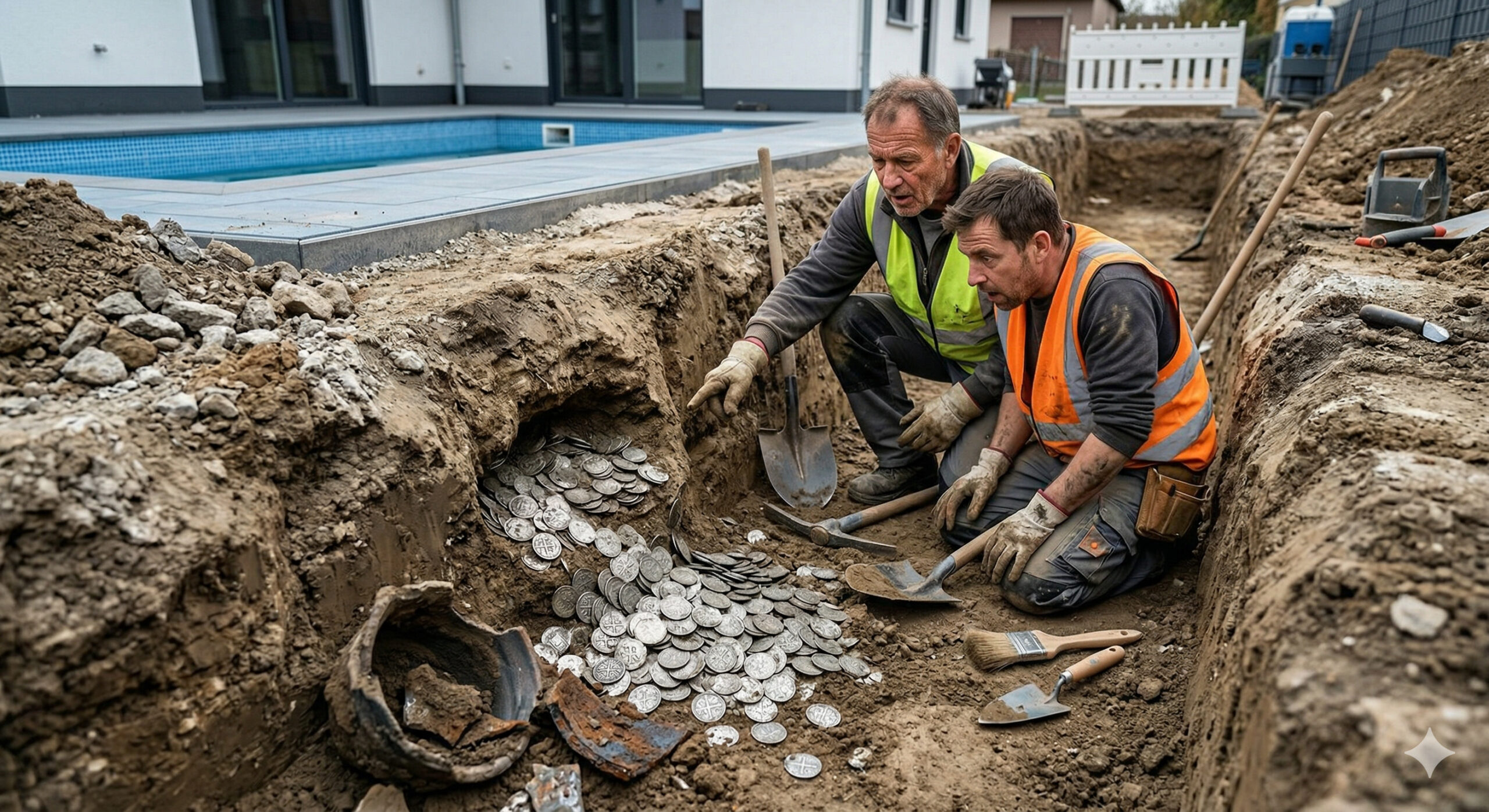
While digging a trench next to a pool in Germany, workers found more than 1,500 silver coins from 1320 in the rubble, revealing a treasure buried for over 700 years.
-
Flight Helios 522, the “ghost” flight with 121 people: the commercial aircraft flew for more than 2 hours on autopilot after a pressurization failure left pilots and passengers unconscious and only stopped when it ran out of fuel.

-
Researchers have located a nearly intact vessel that disappeared 125 years ago on the bottom of icy waters, with masts still preserved and rare details that impress archaeologists.


During tests conducted in the laboratory, the equipment was able to absorb approximately 14% of the vibration energy. This performance was achieved through a mechanical system that uses controlled friction to dampen the movements.
Mechanical Structure Uses Cylinder And Balls To Dissipate Energy
The device has a shape composed of a hollow cylinder filled with solid steel balls. Inside the cylinder is a central axis equipped with radial rods that resemble the branches of a tree.
When vibrations occur, the rods move within the set of steel balls. This displacement generates intense friction, which acts to dissipate part of the energy transmitted to the protected structure.
The system was designed to operate in a completely passive manner, without the need for electricity. By using only physical principles of movement and friction, the device remains operational even during power outages.
This feature is considered relevant since power interruptions often occur during major earthquakes or other structural disasters. The independent operation ensures that the system continues to act in controlling the impact of earthquakes even under these conditions.
Modular System Facilitates Maintenance And Installation
Another characteristic of the equipment is the modular format of its components. Each part of the system can be individually removed and replaced, which avoids the need to discard the entire device if any part is damaged.
According to Professor Leblouba, many traditional damping solutions, such as hydraulic dampers or deformable metal devices, may experience leaks or permanent deformations after a severe event.
These systems often need to be completely replaced after a single extreme event. The new technology has been designed to avoid this problem, allowing for targeted maintenance and extending the lifespan of the equipment.
Additionally, the components are described as accessible and simple to handle. The device can be assembled directly on-site without the need for specialized technical knowledge.
Technology Can Reduce Earthquake Protection Costs
The capacity to adapt to existing structures is considered one of the main advantages of the project. The system can be installed in already completed buildings, enhancing protection against the impact of earthquakes without requiring complex structural renovations.
This feature can be relevant for developing countries, where complete seismic engineering solutions often carry high costs. A simpler installation system could broaden access to structural protection technologies.
Another distinguishing feature of the device is its ability to automatically return to its original position after the vibrations cease. This characteristic allows the equipment to continue functioning without immediate need for replacement after an intense event.
Applications Include Civil Infrastructure And Sensitive Equipment
Although the project was initially designed for earthquake-resistant structures, the technology has potential for various applications. The device can be used to protect buildings, bridges, and communication towers against vibrations caused by winds or tremors.
The system can also be applied in aerospace vehicles, ships, and aircraft, where the reduction of vibrations can protect sensitive components.
Military equipment and scientific instruments susceptible to shocks are also cited as potential areas of use.
After the initial results in the laboratory, the researcher began a new phase of development. The device showed an effective stiffness of 5 kN/mm at small displacements, a relevant indicator of structural performance.
The next step of the project involves testing on large-scale shake tables. In these experiments, reduced-scale models of structures will undergo disaster simulations to assess the device’s behavior more accurately in the face of earthquake impacts.









This new invention of cylinder filled with steel balls to reduce shocks should be used on vehicals specially running on Pakistani jumpy roads. So that the low back pain patients shall be reduced in Pakistan. If government desire.
Os construtores dos prédios muito altos de Camboriú e de São Paulo precisam instalar estes equipamentos sem dvd.
E depois precisam importar os terremotos e instalar no Brasil
Fill it with oil to absorb more vibrations