





 Portuguese
  English
  Spanish
  3 min of reading
  0 comments


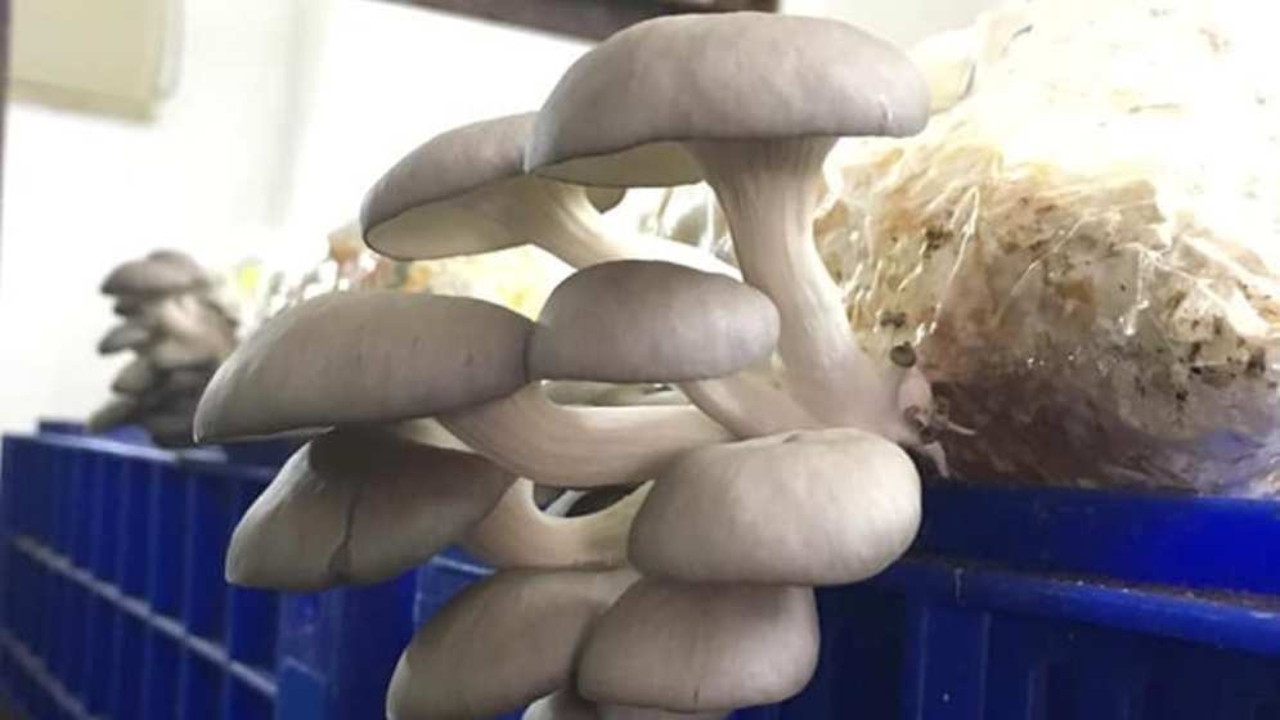
Researchers Optimized A Fungus Already Used In The Food Industry, Increasing Protein Yield By Up To 88% And Almost Halving Nutrient Consumption, As Well As Improving Digestibility And Texture Of The Final Product
Alternatives to meat have generally been divided between more traditional plant-based options and lab-grown meats. Now, a study from China puts a different path on the radar, based on mycoprotein produced by fungi.
The proposal is to enhance the efficiency of an organism that has been used for decades in the food industry. The strategy aims for a direct gain: more protein with fewer resources, without relying on expensive and complex processes.
The Fungus That Is Already Used In The Industry And What Was Blocking Progress
Fusarium venenatum is not new to the sector. It has been cultivated industrially since the 1960s and was approved for human consumption in the UK in the 1980s, precisely because of its fibrous structure, capable of resembling the texture of meats.
-
Before the space shuttle existed, NASA put a “wingless airplane” made of wood to fly at over 190 km/h towed by a car and then launched from a C-47, and this strange experiment practically proved that it was possible to re-enter the atmosphere and land on a runway like a conventional airplane.

-
In Japan, a 150 kg humanoid robot named AIREC has begun testing to assist patients, change diapers, and alleviate a crisis where there is only 1 candidate for every 4.25 positions for elderly caregivers.

-
A cold air mass has already arrived in Brazil and is advancing in the coming hours with temperatures that may approach 0°C in the southern mountains and a risk of frost in the middle of April, surprising those who had not yet felt the autumn of 2026.

-
Equatorial Game aims to reach 120 thousand students with energy efficiency, gamification, and solar energy in public schools across seven states.

Even so, there were significant limits. The production cost and a digestibility considered improvable were points that reduced the appeal of this type of protein on a larger scale.

Editing Two Genes With CRISPR Changed The Production Logic
The team linked to Jiangnan University applied CRISPR to deactivate two genes considered central. One is related to sugar metabolism, allowing the fungus to grow with less glucose.
The other gene is involved in the production of chitin, a rigid substance of the cell wall that can hinder digestion. The new strain was named FCPD and, according to the researchers, did not receive external DNA.
More Protein, Less Nutrients And Direct Gain In Efficiency
With the changes, the FCPD strain reportedly achieved a significant performance leap for the industry. Protein yield increased by 88%, while nutrient consumption dropped by 44%.
In terms of production, this impacts the final cost. Sugar and nitrogen are seen as significant parts of the expenses in manufacturing mycoprotein, making the input versus output relationship a decisive factor.
Texture Closer To Chicken And Easier Digestion
In addition to the numerical gain, the study highlights changes that target the main bottleneck of meat alternatives: sensory experience. The FCPD strain reportedly presented a texture closer to that of chicken breast.
The reduction of chitin tends to make the cell wall thinner, and a slight increase in fat content has been associated with more juiciness and a lesser “sponge-like” feel. The work cites mechanical analyses and chewing tests with individuals to evaluate how the food behaves during consumption.
Lower Environmental Impact, But With Reservations
The researchers indicate that the edited mycoprotein does not surpass legumes in absolute sustainability. Still, the environmental performance appears to be superior to that of animal protein and also to that of the unmodified fungus.
In comparisons with Chinese production systems, the FCPD strain is said to have shown 70% less land use than chicken production and 78% less risk of fresh water contamination. The study also notes a smaller environmental footprint than that of lab-grown meat.
Regulation And Public Acceptance Can Set The Pace
The work also reopens a debate that often hinders the adoption of food innovations: public perception and each country’s regulations. Genetic editing without external DNA may receive different regulatory treatment from traditional GMOs in some markets, but social acceptance still varies greatly.
The study mentions that, in 2016, the United States authorized the commercialization of a CRISPR-edited mushroom without requiring additional review. In Europe, however, the path tends to be more cautious, although climate and food pressure is resituating the topic on the agenda.









-

-

-

-

-

-

9 pessoas reagiram a isso.