





 Portuguese
  English
  Spanish
  4 min of reading
  0 comments


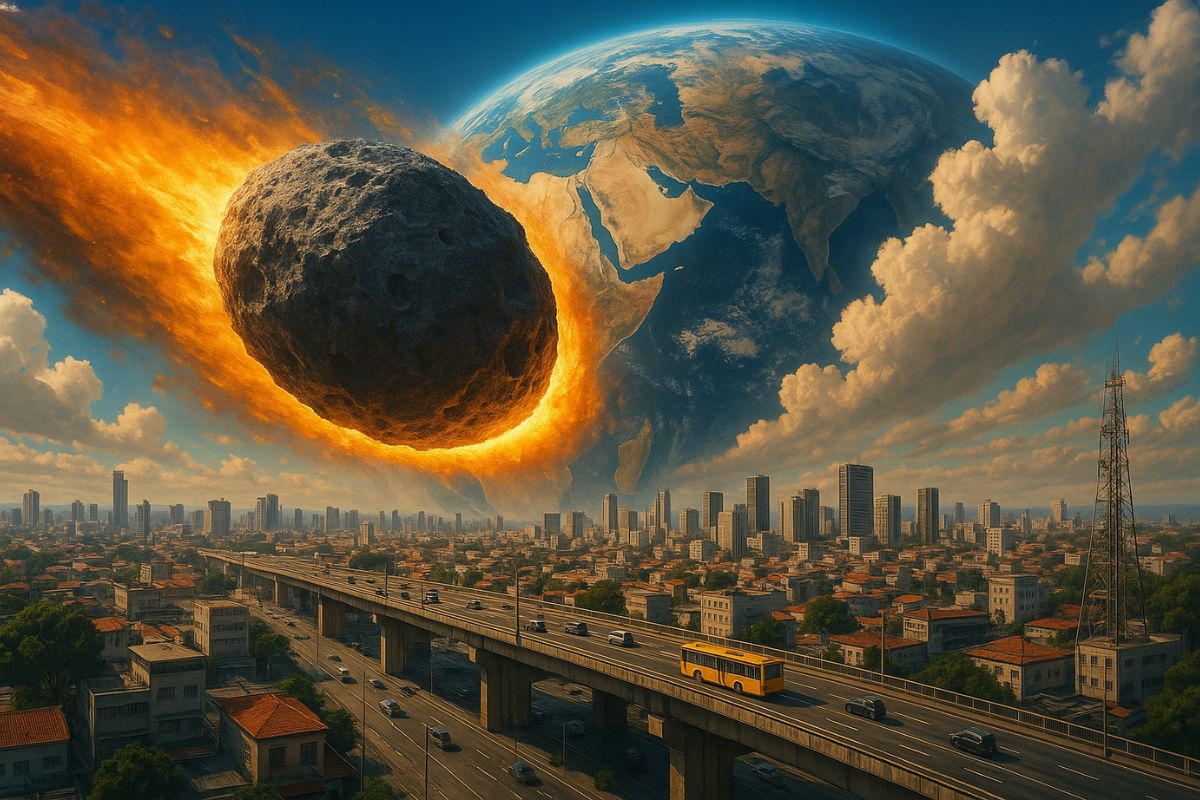
Scientists Warn That the Bennu Asteroid, If It Collides with Earth, Could Launch Huge Amounts of Particles into the Atmosphere, Darkening the Planet, Lowering Temperatures, and Compromising Food Production on a Global Scale.
The Bennu asteroid is monitored by scientists and appears in projections as a celestial body with a chance of impacting Earth in 2182. The concern is not just about the impact itself, but the chain reaction that could follow. Studies indicate that a collision of this magnitude could launch up to 400 million tons of particles into the atmosphere, temporarily altering the planet’s climate and triggering a scenario of global cooling. This effect is known as impact winter and has already been observed in models simulating large aerosol emissions after catastrophic events.
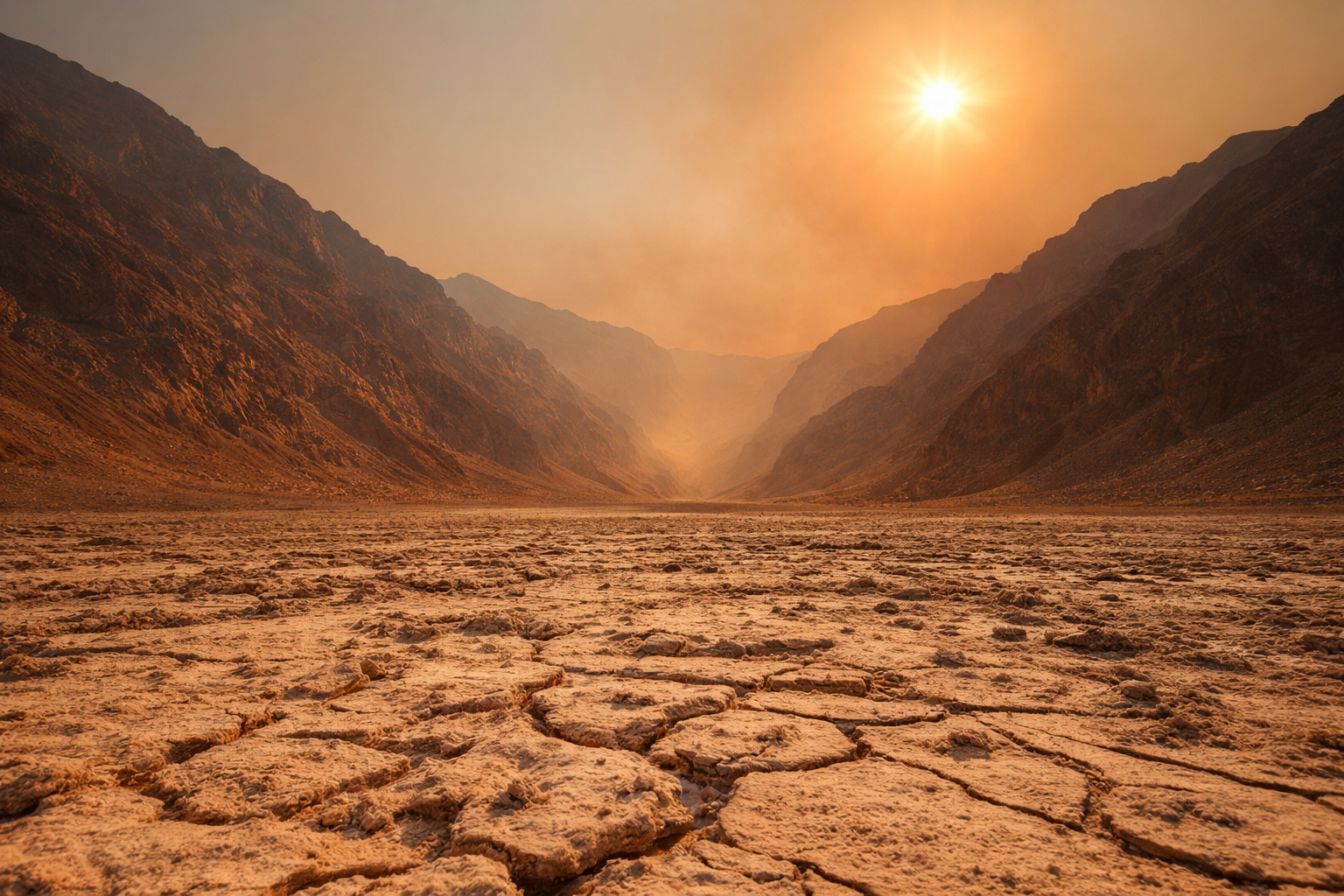
According to the coastal newspaper, this partial darkening of the planet would occur because the particles suspended in the atmosphere would reflect some of the sunlight back into space. With less solar radiation reaching the ground, temperatures would tend to drop, and rainfall cycles would be affected, which would pose a direct risk to agriculture and food security. Although the event is projected for a distant future, the phenomenon requires continuous technical analysis.
How the Bennu Asteroid Could Darken the Planet
The central concern is the amount of material that would be launched into the upper atmosphere at the moment of impact. Projections suggest hundreds of millions of tons of aerosols.
-
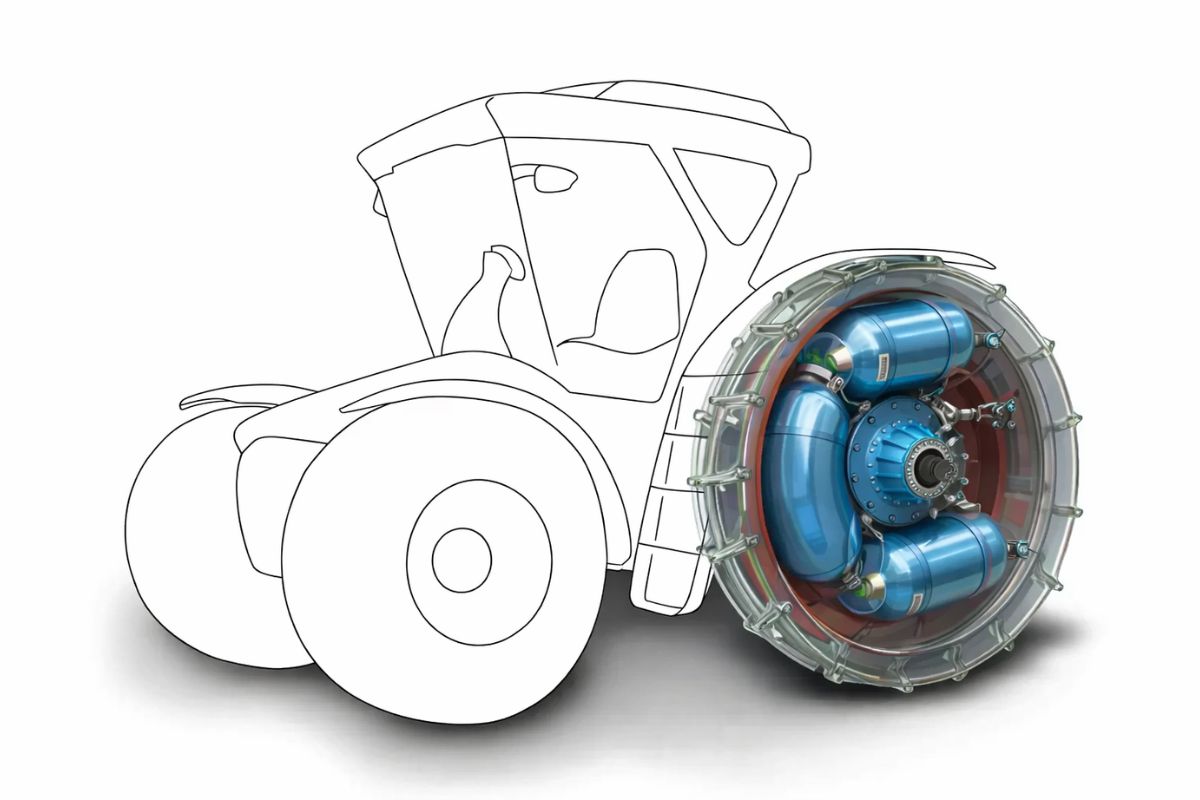
German engineers had an idea that no one had tried before: to hide the hydrogen tank inside the tractor’s wheels so that the machine can operate all day in the field without needing diesel.
-
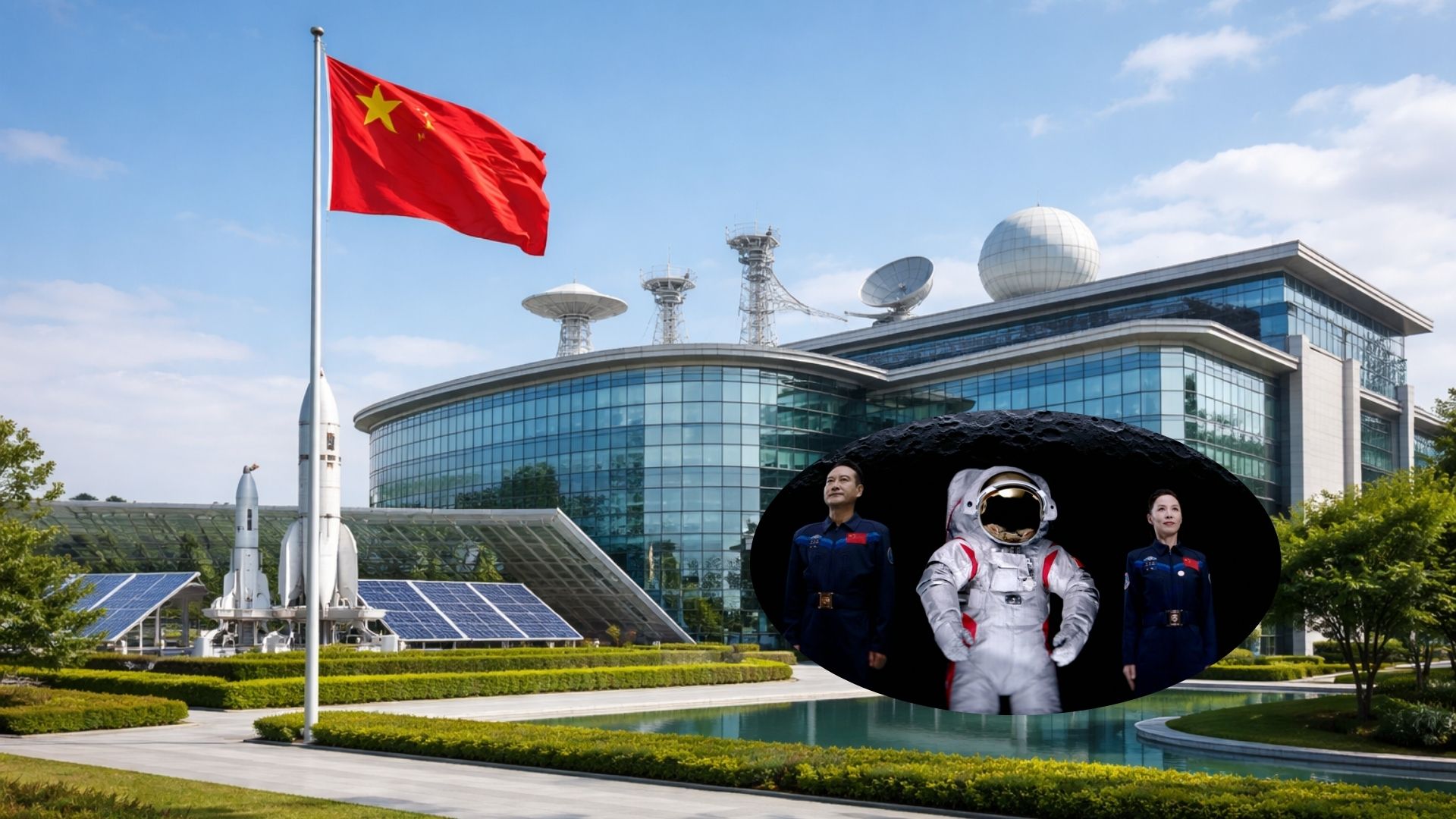
China has created its first space exploration school, an academic structure with 14 areas, 22 new subjects, and a focus on interstellar propulsion to prepare for missions beyond the Moon and Mars.
-
Scientists discover in Fiji that a piece of land surrounded by mangroves is actually a giant mound of shells discarded by ancient inhabitants over 1,200 years ago.

-
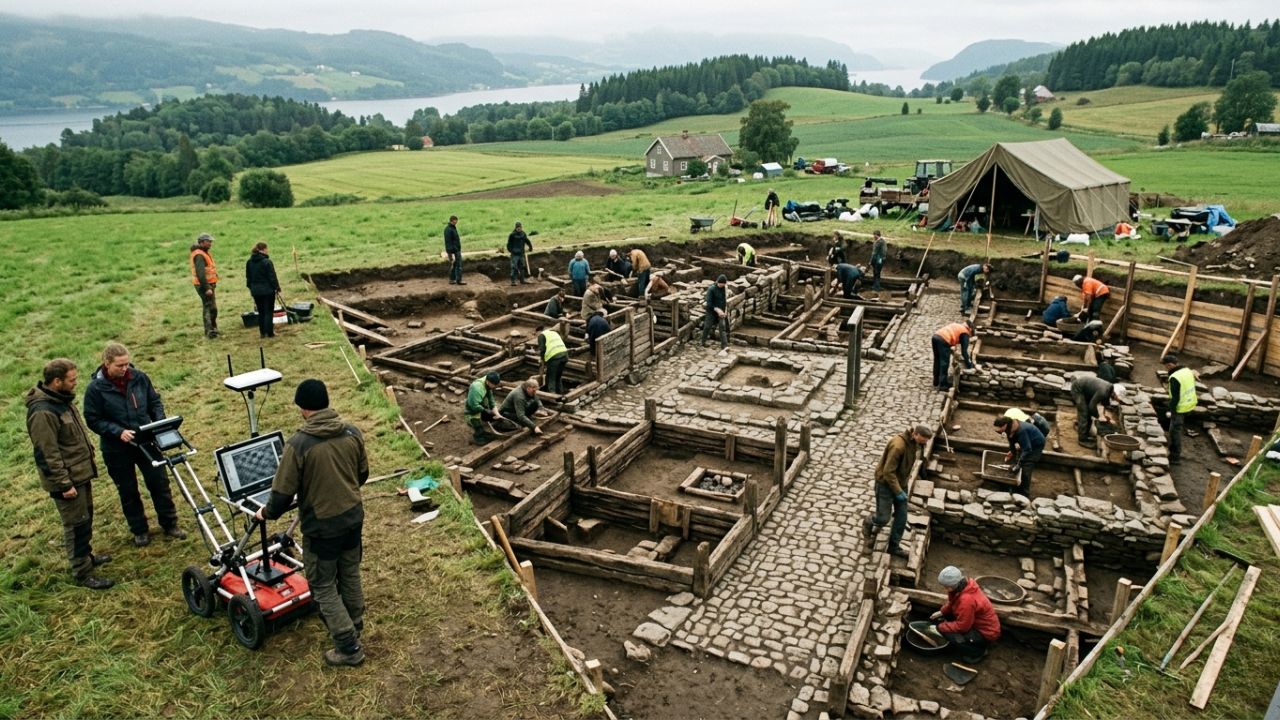
No one was able to prove for over 500 years that this medieval city existed, until ground-penetrating radar mapped streets, houses, and entire structures beneath the soil of Norway, and the excavation confirmed a complete preserved city where there was once only legend.

These aerosols would act as a filter that blocks some of the sunlight, reducing the energy available to warm the Earth’s surface. Unlike the warming caused by greenhouse gases, this type of cooling is temporary but can be very intense in the first months after the impact.
With less light, the evaporation of water from oceans and continents would also decrease. Less evaporation means less cloud formation and less precipitation in various regions of the globe.
This combination of less sunlight and less rain tends to disrupt ecosystems, shorten harvests, and force the displacement of populations that depend on stable climatic regimes.
Temperature Drop and the So-Called Impact Winter
Impact winter is the term used for the period when the planet is artificially darkened by particles in the atmosphere after an extreme event. In the case of the Bennu asteroid, the mechanism is similar to what occurs during very large volcanic eruptions.
The temperature reduction does not occur in just one spot on the planet but can be global, as the particles are spread by winds at altitude.
This temporary cooling does not eliminate the problem. Even if it lasts for months or a few years, it is enough to interrupt agricultural cycles and cause localized food shortages.
In countries dependent on a single annual crop, the impact would be more severe because a single lost cycle can mean widespread scarcity.
Direct Impact on Agriculture and Food
Modern agriculture relies on three basic climate factors: light, temperature, and water. An impact like that of the Bennu asteroid would affect all three simultaneously.
With less light, photosynthesis decreases. With lower temperatures, plant growth slows down. With irregular rainfall, productivity drops. The result of this equation is strong pressure on the food supply.
Regions that rely on large agricultural areas to supply entire populations would need to react quickly to avoid a global food crisis.
Without technical and logistical responses, experts admit that the risk of widespread famine cannot be dismissed. In extreme scenarios, scarcity can lead to disputes over resources, rising prices, and the need for international strategic stockpiles.
Lessons from Historical Cooling Events
Although the impact of the Bennu asteroid is a hypothetical event projected for the future, science uses episodes from the past to estimate consequences.
Major eruptions, such as that of Mount Toba around 74,000 years ago, caused significant cooling and changes in biodiversity. It is not the same phenomenon, but the atmospheric mechanism of partial darkening is comparable.
Studying these historical events allows us to understand that it is not necessary for the planet to freeze for deep damage to occur. A moderate but global reduction in temperature and solar radiation is enough for entire production chains to be affected.
For this reason, even with the threat being far off in time, monitoring Bennu remains a scientific priority.
Why the Threat Requires Attention Even if Distant
The potential impact window indicated by scientists is in 2182, therefore outside the lifespan of current generations. Nevertheless, asteroid threats are treated in advance because they require long-term technological, diplomatic, and scientific planning.
The earlier the orbit, size of the body, and impact scenario are known, the greater the chances of mitigation or deflection.
The scientific community works with scenarios and probabilities. Even if the impact does not occur, the study of the Bennu asteroid strengthens our understanding of how Earth reacts to large injections of particles into the atmosphere. This type of information is also useful for modeling the effects of other natural threats.
The Bennu asteroid today represents yet another warning of how sensitive the planet is to changes in solar light entry and sudden changes in the atmosphere.
A single event can trigger cooling, reduced rainfall, and decreased food production, putting entire populations under pressure. It is a technical topic of long-term concern that requires continuous scientific vigilance.
For you, the biggest challenge in such a scenario would be ensuring food for everyone or maintaining a minimally stable climate for crop recovery? Comment below and share which point concerns you the most.







-

-

3 pessoas reagiram a isso.