





 Portuguese
  English
  Spanish
  3 min of reading
  1 comment


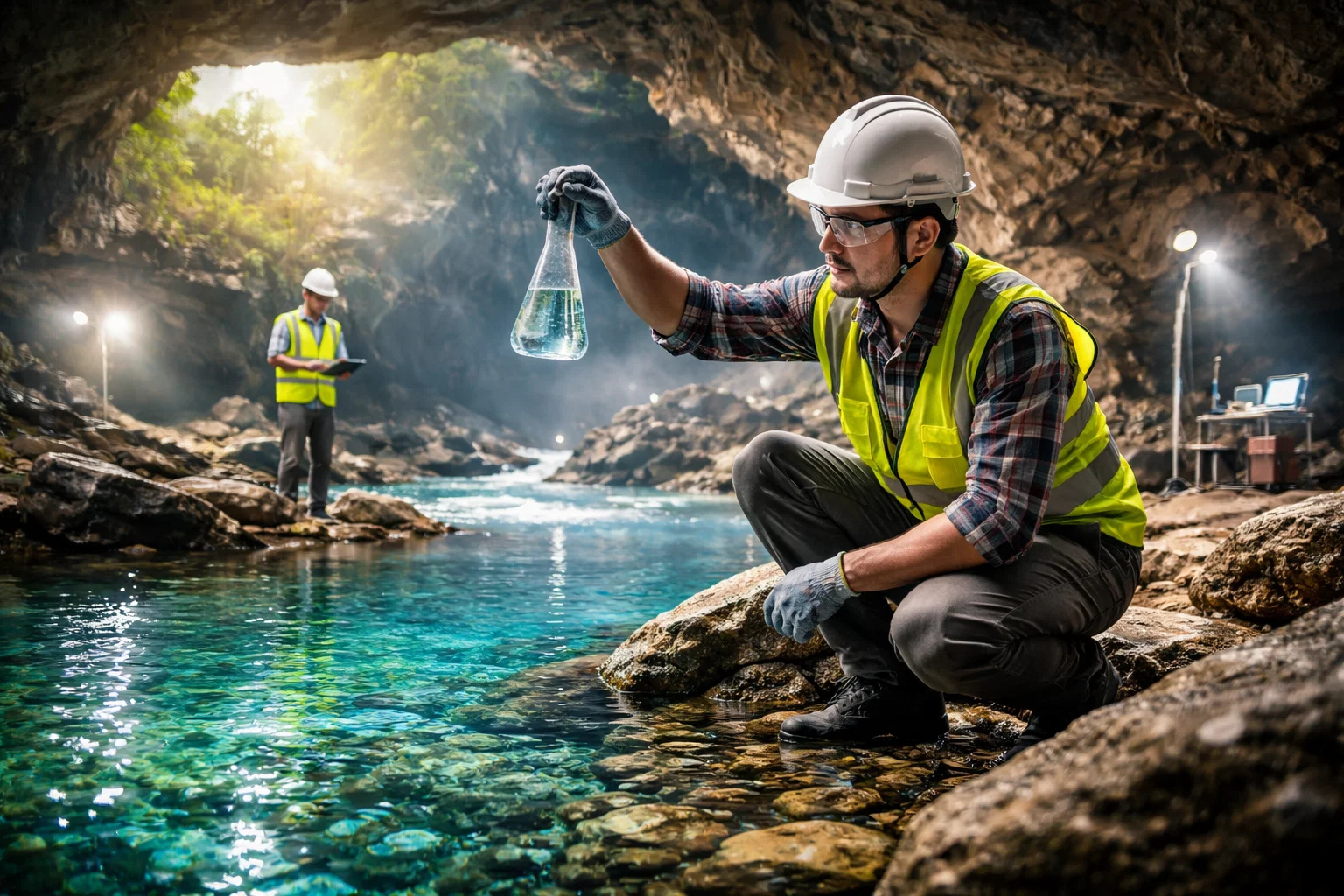


Research on Groundwater with Over 1.2 Million People Points to a Difference of Up to 62% in Parkinson’s Disease Risk According to Age and the Type of Aquifer Supplying American Cities
The water that comes from the tap may tell a story that began 12,000 years ago. And that story may have a direct impact on brain health. A study in the United States identified that individuals who consume very old groundwater, formed during the Ice Age, showed a lower risk of developing Parkinson’s compared to those who drink more recent water.
This finding drew attention because it involves water infrastructure, aquifer engineering, and environmental exposure. It is not just a medical issue. It is also a topic that involves natural resource management and supply systems.
The Silent Warning Linking Water Age, Environmental Pollution, and Neurological Risk in Over 12,000 Analyzed Patients
Researchers from the Barrow Neurological Institute then analyzed data from 12,000 people with Parkinson’s and compared it with a control group that exceeded 1.2 million individuals.
-
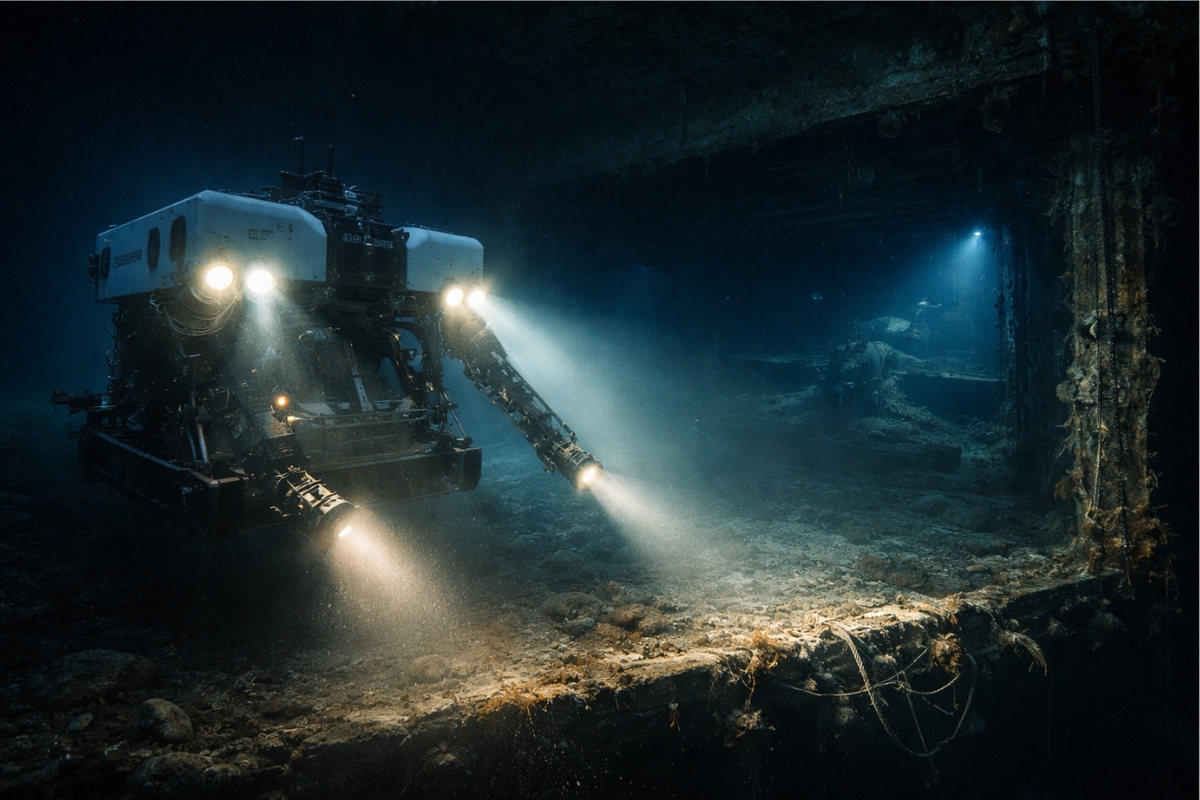
A new underwater exploration, conducted at over 5,000 meters deep, managed to access the aircraft carrier USS Yorktown, which has been sunk for more than 80 years under the Pacific, and brought to light clues from one of its most enigmatic areas that reopen its history.
-
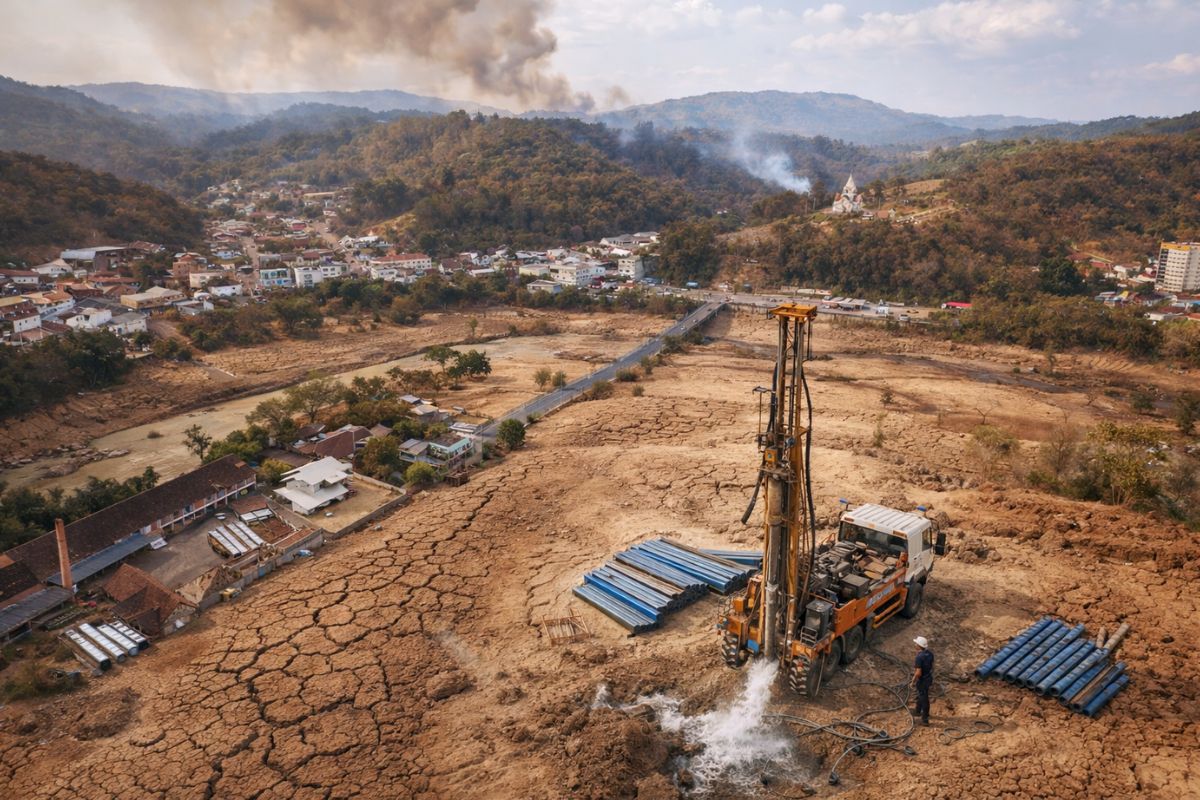
The city of Santa Catarina is experiencing a historic drought that has lasted four months, destroying livelihoods, drying up water sources, and leaving entire families without supply. The city hall has declared a state of emergency and has begun drilling artesian wells to survive.
-
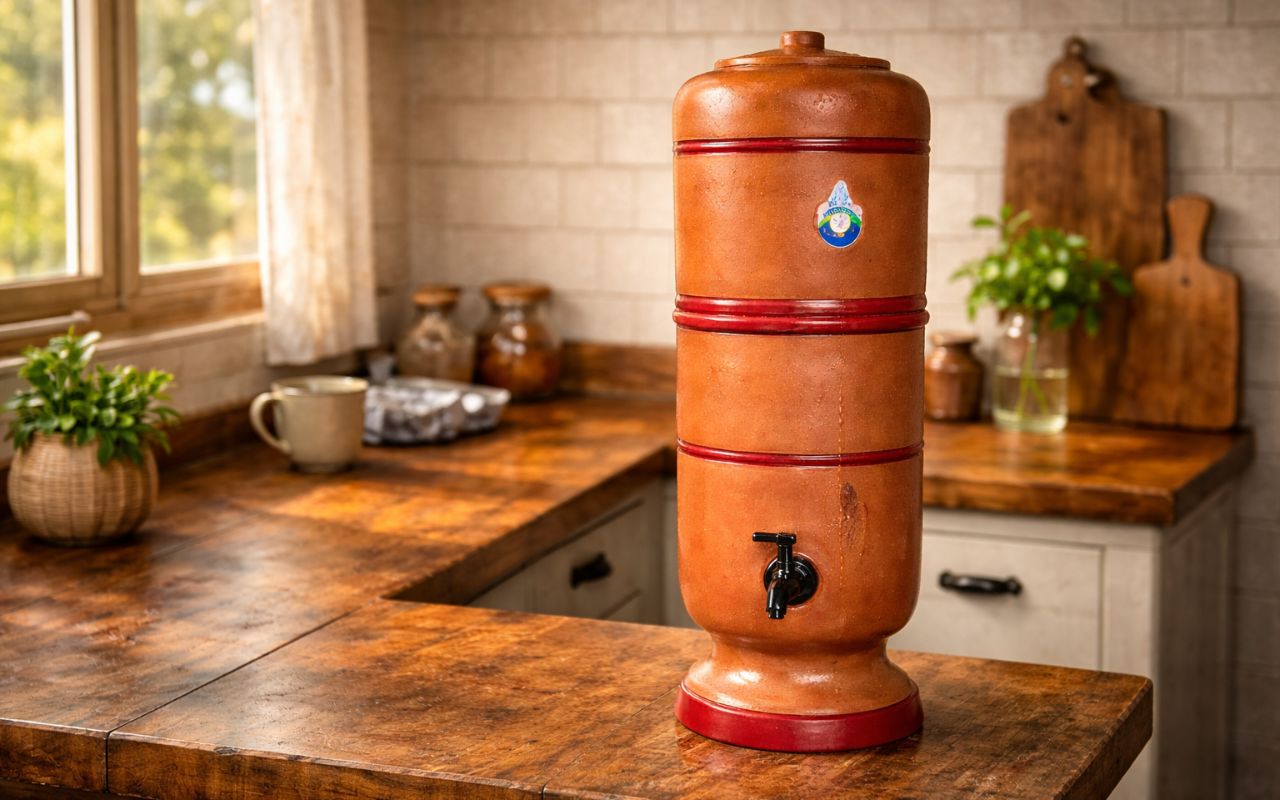
The clay filter dominated Brazilian kitchens, but today it is forgotten! Even without electricity, it ensured fresh water and was one of the simplest ways to purify water.
-
Founded in 1580, just 35 kilometers from São Paulo, this city has almost zero crime, over 200 preserved colonial buildings, and is considered the safest in Brazil among municipalities with more than 100,000 inhabitants.
All lived within 4.8 kilometers of 1,279 groundwater collection points spread across the United States.
The focus was not solely on the disease. It was to understand where the water consumed by these individuals came from.
The team cross-referenced information on aquifer type, water age, presence of contaminants, and whether the supply was private or municipal.
What emerged from the numbers raised an alarm.
Why 12,000-Year-Old Glacial Aquifers May Be More Protected Than Recent Sources Exposed to Decades of Industrial Activity
In the United States, there are different types of aquifers. Most are carbonate types, common in the Midwest, the South, and Florida.
On the other hand, glacial aquifers are less common and are concentrated in the Northeast and Upper Midwest. They formed over 12,000 years ago, when large ice masses advanced and retreated across the land.
The central difference lies in depth and exposure.
Groundwaters formed in the last 70 to 75 years have been more exposed to pesticides, industrial chemicals, and other environmental pollutants.
According to specialists involved in the research, older waters tend to be in deeper layers and protected from surface contamination.
And the numbers reinforce this hypothesis.
People supplied by carbonate aquifers showed 24% more risk of developing Parkinson’s compared to other types of aquifers.
When directly compared to glacial aquifers, the risk was 62% higher.
Moreover, waters formed in the last 75 years were associated with an 11% higher risk compared to glacial waters.
The Technical Background That Few Observe; Water Infrastructure May Influence Public Health More Than Previously Imagined
The study did not only analyze patients. It delved into the engineering of underground systems.
The type of aquifer, estimated age of the water, proximity of residences to collection points, and possible signs of contaminants were evaluated.
This cross-referencing transformed a medical discussion into a debate about infrastructure and environmental exposure.
The source of water, something rarely questioned in daily life, becomes strategically relevant.
If recent water carries a greater load of pollutants, the issue is no longer just clinical but enters the fields of environmental management and public policy.
What This Discovery Changes Now and Why It Is Still Not Possible to Assert a Direct Cause
Despite the significant numbers, the researchers themselves emphasize that the study does not prove that more recent water causes Parkinson’s.
It is therefore a statistical association.
There are important limitations. The team considered that residents within the analyzed radius consumed water from the same source, which may not reflect all real cases.
Even so, the message is clear.
The age of groundwater and the type of aquifer may impact neurological health in the long term.
In a scenario of industrial growth and intensive use of chemicals in agriculture, understanding the quality and origin of water gains strategic importance.
The topic draws attention because it links health, the environment, and water resource engineering in a single debate that could affect millions of people.
And you, have you ever stopped to think about where the water that reaches your home comes from? Share your thoughts in the comments.





Stephen King tem um conto sobre isso!