





 Portuguese
  English
  Spanish
  5 min of reading
  1 comment


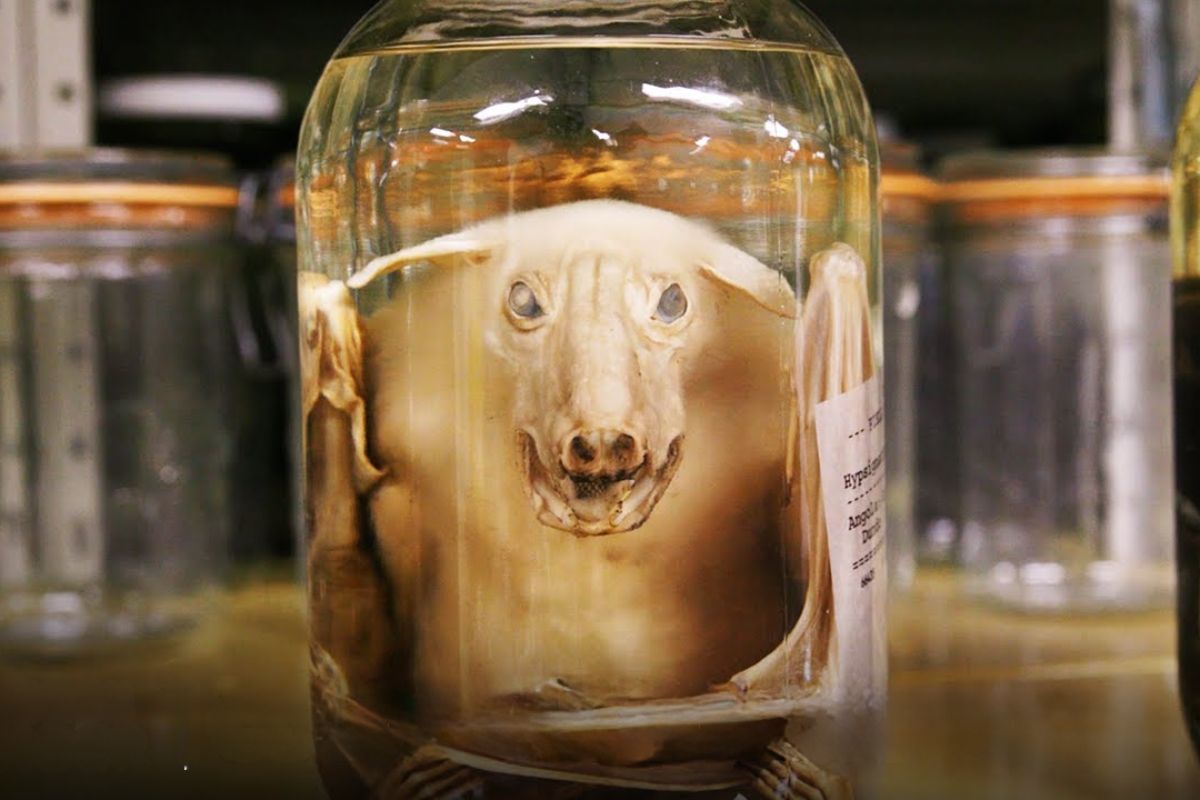


In The Historical Basement Of The Field Museum In Chicago, Glass And Steel Shelves House 11 Million Alcoholic Animals. Each Jar Preserves Shape And Sometimes DNA, Allowing For Comparison Of Decades Of Environmental Changes. Snakes, Catfish, And Frogs Go Through Formalin, Ethanol, And Rigorous Cataloging For Research And Late Discovery.
In The Basement Of The Field Museum In Chicago, Alcoholic Animals Occupy A Storage System That Functions Like A Scientific Library: Each Jar Has An Identification, History, And Exact Place On The Shelf. The Logic Is Simple And Powerful, Preserve To Study What Changes On The Planet, Even When The Change Only Becomes Clear Decades Later.
Among Hammerhead Sharks, Komodo Dragons, Snakes, Fish, And Frogs, The Collection Exceeds 11 Million Wet Samples. In Many Cases, The Focus Is Not Just Keeping The Body Intact, But Storing Comparable Biological Information, Including DNA When Possible, To Measure Habitat Impacts And Environmental Transformations Over Time.
A Wet Library With 11 Million “Volumes” In Chicago

The Heart Of The System Is The Wet Collection: Jars And Tanks Where Alcoholic Animals Maintain Their Original Shape And, In Some Cases, Part Of The Still Usable Genetic Material. The Organization Follows An Archival Structure, With Families Separated By Numbering And, Within Them, Alphabetical Order By Genus And Species.
-
With a cost per shot close to zero, the DragonFire laser could change naval warfare in 2027 and provide British ships with nearly unlimited defense against drones.

-
A British startup creates tires that generate electricity in electric vehicles when passing over potholes, speed bumps, and cracks.

-
Scientists have created robots made with living cells that have their own nervous system, swim on their own, explore the environment, and self-organize without any genetic engineering, and now they want to do the same with human cells.
-
Students create a solar-powered ambulance that operates without a plug, without fuel, and still keeps medical equipment running in remote areas.


There Is Also A Control Record To Track When And Where Each Specimen Was Last Seen. This Reduces The Risk Of An Item “Disappearing” Within The Collection And Provides Predictability When A Researcher Requests A Specific Specimen, Something Crucial In A Depot With Millions Of Entries.
The Wet Preservation Provides A Direct Advantage: The Specimen Retains Volume, Texture, And Proportions, Making Measurements, Comparisons, And Taxonomic Reassessments Easier. Alcoholic Animals Can Be Reexamined With Techniques That Did Not Exist When They Were Collected, Turning An Old Jar Into Modern Evidence.
This Format Also Brings The Laboratory Closer To A “Scientific Zoo” In A Functional Sense: The Material Is Available For Observation, Data Collection, And Hypothesis Review, Without Dependence On New Expeditions For Each Question.
Acquisition And Preparation: Why A Komodo Dragon Doesn’t Go Straight To The Tank

The Museum Incorporates Specimens By Donation Or Field Collection By Researchers. When The Entry Is A Large Animal, The Process Requires Meticulous Preparation: It Is Not Feasible To Put A Komodo Dragon Directly Into Alcohol. The Preparation Is Designed To Last Centuries, Controlling Deformations And Avoiding Degradation.
The Process Includes Initial Fixation In Formalin To Preserve Tissue, Followed By A Transition To Alcohol For Long-Term Preservation. This Exchange Also Has A Safety Component: Alcohol Is Described As Less Toxic Than Formalin For Prolonged Research Routines.
The Modern Routine Begins Early, Even Before Final Fixation. In New Specimens, Tissue Collection For DNA Is Done With Sterilized Instruments, Reducing Contamination. The Logic Is To Protect The Integrity Of The Genetic Data While Maintaining The External Appearance Of The Animal For Future Morphological Analyses.
The DNA Goes Into Dedicated Storage, Including Large Liquid Nitrogen Freezers With Thousands Of Samples. The Team Recognizes The Challenge: It Is Easier To Extract Tissue From Fresh Animals Than To Recover DNA From Preserved Animals, Especially When Formalin Has Worked For A Long Time.
Snakes, Permanent Poses, And Data For Future Researchers
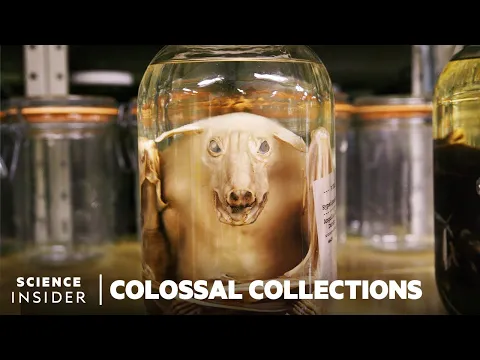

In The Case Of Snakes, The Preparation Includes Documentation Decisions That May Seem Small But Are Critical: Sex, Marks, Integrity Of The Scales, And Even How The Body Will Be Accommodated In The Jar. The Final Position Is Planned So That External Characteristics Can Be Verified Without Opening The Container.
The Process Is Also A Discipline Of Scientific Memory: Noting What Matters Today And What May Matter Tomorrow. The Goal Is To Preserve Information, Not Just Matter, And This Requires Standardization, Labels, And Consistency Over The Years.
In Larger Fish, Fixation May Require More Than “A Few Injections.” The Amount Of Formalin Is Adjusted By Experience And Intuition, With Two Clear Risks: Too Little Formalin Favors Decomposition And Softening; Too Much Can Cause Swelling And Deformation.
Then, The Specimen Goes To A Formalin Tank For About A Week, Ensuring Tissue Saturation Before The Migration To Alcohol. The Final Step In Alcoholic Animals Stabilizes The Material For Prolonged Rest, Although The Liquid’s Color May Change With Debris And Oils Released By The Body.
Transparent Fish, Colored Bones, And Species That Only Appear From The Inside
Not Every Specimen Looks “Realistic.” In Very Small Fish, There Is A Method That Makes The Body Transparent While Preserving The Visible Internal Structure: Cartilage In Blue, Bones In Red, Tissue Removed By Enzyme, And Final Storage In Glycerin To Maintain The Optical Effect.
This Path Opens A Window For Diagnosis: Two Fish May Look Identical On The Outside, But Differ In The Skeleton. It Is In This Type Of Detail That New Species May Be Recognized, Sometimes A Long Time After The Jar Has Been Placed On The Shelf.
The Collection Also Keeps Examples Of Late Recognition. A Specimen Collected In The 1960s Was Initially Interpreted As Another Species With An Anomaly. In The Early 2000s, Herpetologists Reevaluated The Material And Indicated That It Was A Distinct Species, Formally Described From That Individual As A Holotype.
This Type Of Turnaround Summarizes The Value Of The Deposit: New Species May Be Hidden For Decades, Until Someone Reopens The Right “Book” And Compares With Additional Evidence.
883 Frogs In A Jar And The Space Bottleneck
Even The Best Cataloging Doesn’t Eliminate The Physical Problem. In Amphibians, Lack Of Space Has Led To Combining Jars With The Same Species, But Collected By Different People, Places, And Times. The Result Is Operationally Hard: To Locate A Specific Individual, The Screening May Be Manual, One By One.
Still, Discarding Is Not In The Equation. Old Specimens May Be The Most Valuable, Including For Attempts To Recover DNA. The Success Rate Is Unstable And Can Vary From 0% To 60% Or 70%, But The Rule Is Pragmatic: If The Only Reference Is A 100-Year-Old Snake In A Jar, It’s Worth Trying.
In The End, The Basement Of The Field Museum In Chicago Sustains A Bank Of Evidence Where Alcoholic Animals Become Time Comparators: What Was Common, What Disappeared, What Changed Places, What Adapted, And What Was Only Understood Later.
What Other “Living Archives” Do You Think Should Exist In Brazil To Record Environmental Changes Before It’s Too Late?







O arquivo humano: as pessoas mais velhas, de comunidades tradicionais, tem sido relativamente ouvidas, não pq há pesquisadores interessados. A informação fica difusa.
Se houvesse vontade política de otimizar e publicizar essa informação para todos que fossem tratar com ambientes naturais & presença humana (todo lugar, praticamente), seria bem melhor para as iniciativas de compensação e preservação.