





 Portuguese
  English
  Spanish
  6 min of reading
  15 comments


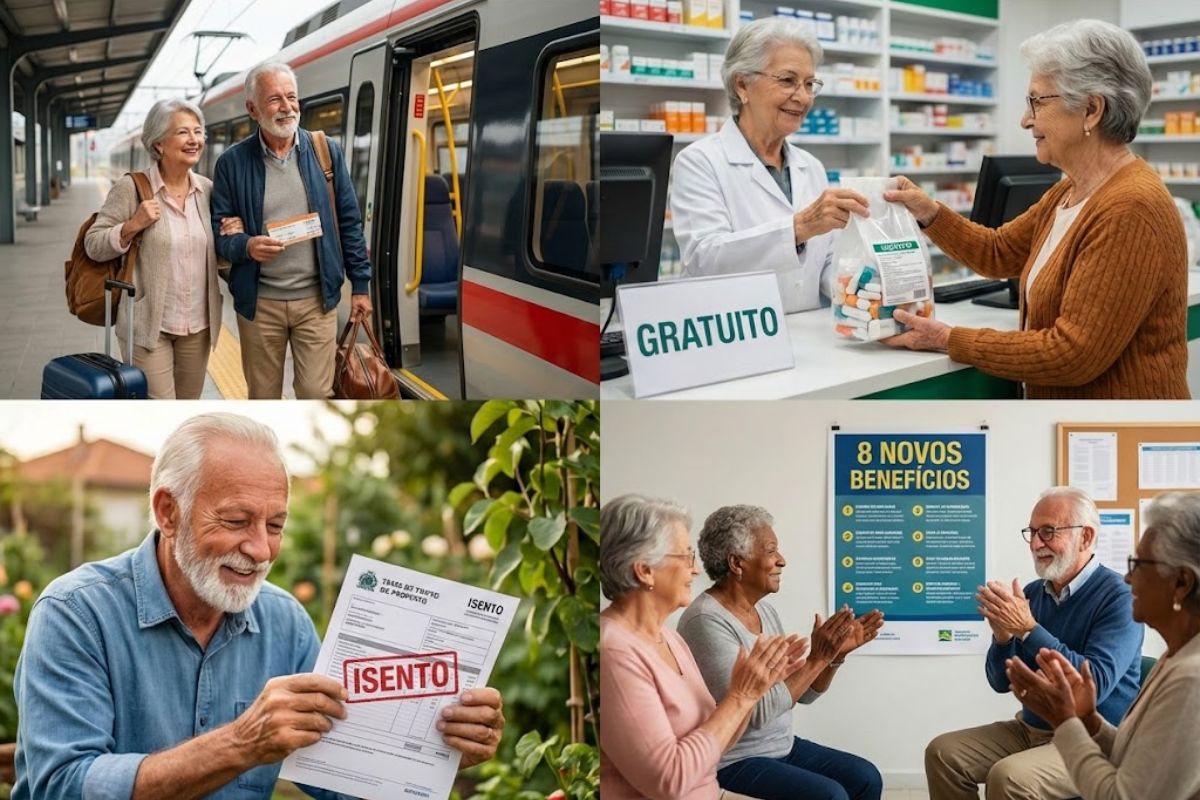


In 2026, Brazilians Over 60 Can Access 8 Government Benefits Including Half-Price Tickets for Shows, Free Public Transport, Discount on Interstate Travel, Medicines Through SUS and Farmácia Popular, IPTU Exemption in Specific Cities and BPC Minimum Wage for Those Who Fit the Criteria.
In 2026, elderly individuals over 60 across Brazil can accumulate up to 8 government benefits that impact transportation, leisure, health, and income, many of which are still little known to those who are already entitled. Even with the rules in effect, many people miss out on saving because they don’t know where to apply or what documents to present.
Since 2003, the Statute of the Elderly, created by Law No. 10.741/2003, guarantees a series of protections and advantages for those who have reached 60 years old, alongside the Continuous Cash Benefit paid by INSS for elderly individuals aged 65 and over who cannot support themselves. In 2026, these guarantees will still apply and translate into discounts for shows, free transportation, tax exemptions, and even a monthly minimum wage for those who fit the social criteria.
What Are the 8 Government Benefits for the Elderly in 2026
In practice, in 2026, the main government benefits for those over 60 include: half-price tickets for cultural events, free urban transportation, free spots and discounts on interstate bus travel, full or partial exemption from IPTU and some local fees, priority service in public and private services, free medications and diapers in health units, and the Continuous Cash Benefit, which guarantees a minimum wage for elderly individuals aged 65 or older who cannot maintain themselves financially.
-
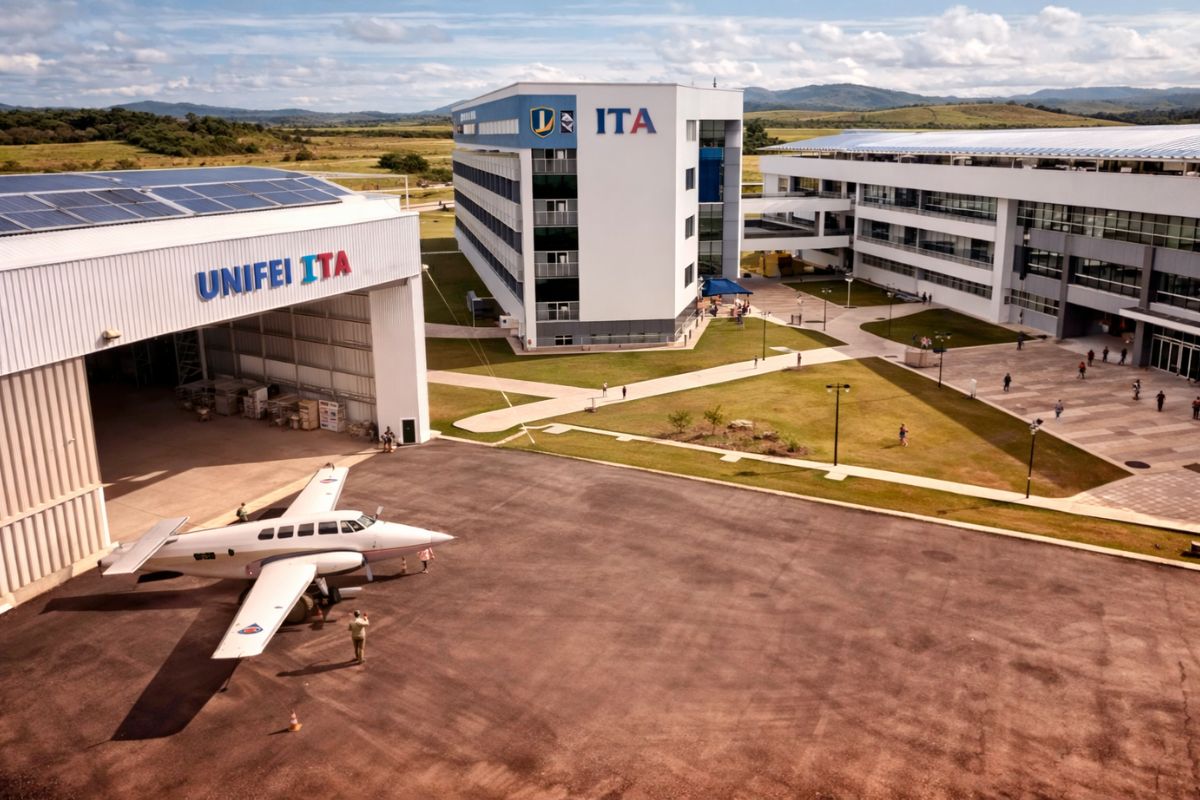
The institute that trained the greatest aerospace engineers in Brazil has just opened its first campus outside São Paulo after 75 years: ITA Ceará will have R$ 445 million, new courses in energy and systems, and classes are expected to start in 2027.
-
Luciano Hang, owner of Havan, goes to Juiz de Fora after the tragedy in February, brings R$ 1 million, hands out R$ 2,000 cards, and donates up to R$ 15,000 to victims in the region.

-
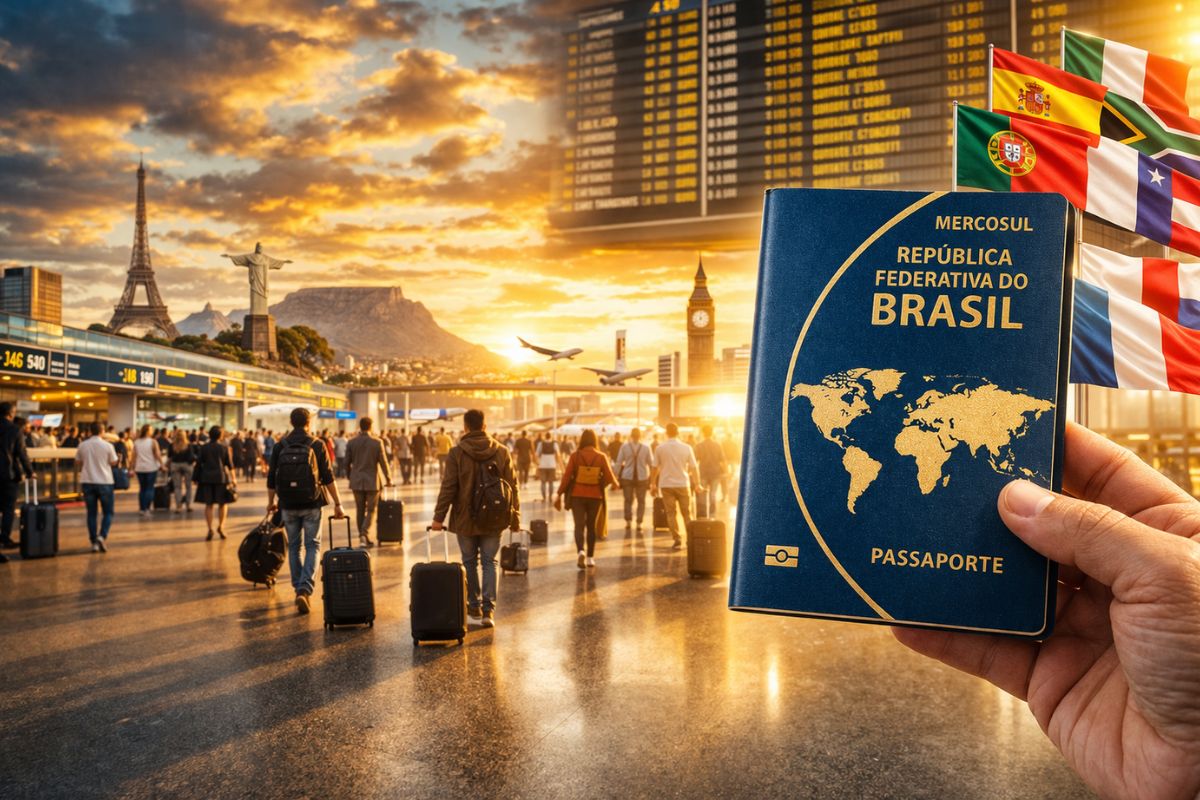
The Brazilian passport allows legal residence in dozens of countries without the need for a prior visa, and most Brazilians are unaware that they can apply for residency directly upon arriving in nations in South America, Africa, and even Europe.
-
Petrobras sends a message to Brazilian truck drivers after fuel collapse and reveals plan to have 100% domestic diesel.


In total, there are 8 government benefits that can significantly ease the budget for those over 60, as long as the individual knows their rights, meets the income criteria when required, and approaches the correct agencies to make the request.
Discount on Shows, Movies, and Other Cultural Events
One of the easiest benefits to notice in daily life is the right to half-price tickets. People over 60 have the right to pay half the ticket price for shows, theaters, cinemas, and other cultural events.
In many cases, it is enough to present an identification document with a photo that proves their age.
In addition to the reduced price, the Statute of the Elderly guarantees priority in lines and access to these locations, which helps avoid long waits and reduces physical strain.
This government benefit is not linked to income but rather age, which means every elderly person from 60 years old can demand the half-price ticket whenever it is provided for by law or local regulation.
Free Bus, Subway, and Train in Public Transport
Another central point among the government benefits is free public transportation. Elderly individuals can use buses, subways, and urban trains at no cost, according to each municipality’s and state’s rules.
In several cities, access to this free service is done with the Elderly Card or a special card issued by the transportation system.
In many locations, the Elderly Card is issued for free by social assistance centers, such as the Reference Centers for Social Assistance.
The elderly person presents basic documents, registers, and gains the right to move around on public transport without paying fare, which represents significant savings for medical consultations, leisure activities, and daily commitments.
Interstate Travel with Free Tickets and Discount
When traveling between states, the law also provides specific benefits. In interstate bus travel, elderly individuals are entitled to two free tickets per vehicle.
If these seats are already filled, the company is required to offer a minimum discount of 50 percent on ticket prices for other elderly individuals, as long as they meet the stipulated criteria.
This means that, in addition to traveling for free in the city, the elderly can pay much less to visit family in other states or take longer bus trips.
This is one of the government benefits that most helps those who live far from their children or need to travel for medical treatment in another region.
IPTU Exemption and Reduction of Municipal Taxes
In various Brazilian municipalities, elderly individuals can request total or partial exemption from IPTU. The rules vary from city to city but are generally aimed at those with low income, retirees, or those with a limited income.
Many city halls also offer reductions in other municipal fees for this group.
Additionally, some localities grant specific IPTU exemptions for low-income elderly individuals, provided the property is in the beneficiary’s name and used as their primary residence.
This set of government benefits related to taxes can make a significant difference in the annual budget, as IPTU often takes a toll financially at the beginning of each year.
Preferential Service in Banks, Health, and Public Services
Another important right is preferential service. Elderly individuals have priority in lines, counters, banks, hospitals, and public offices and can be served ahead of others in a large part of the services. In some places, there are exclusive desks or separate sectors for this group.
This government benefit also extends to health services and social programs, reducing wait times for those over 60.
Priority in service is a way to acknowledge physical vulnerability and ensure more respect for the time and dignity of elderly individuals.
Free Medicines Through SUS and Farmácia Popular
In health care, one of the most relevant government benefits is the provision of free medications. The Unified Health System and the Farmácia Popular Program provide medicines at no cost for the treatment of chronic diseases like diabetes, hypertension, and asthma, which are common in the elderly population.
Additionally, it is also possible to obtain geriatric diapers at health posts, according to need and the regulations of each municipality.
To access the medications, the elderly typically need to present an updated medical prescription and an identification document. In many situations, a family member or caregiver can pick up the medications on behalf of the elderly individual, bringing the required documentation.
BPC Minimum Wage for Elderly Without Income
Among the 8 government benefits, the Continuous Cash Benefit is one that most impacts monthly income.
The BPC is a benefit paid by INSS, equivalent to a minimum wage, intended for elderly individuals aged 65 or over who do not have the financial means to support themselves. Another important point is that it does not require prior contributions to INSS.
In practice, the BPC acts as a basic income for elderly individuals in vulnerable situations, helping to ensure food, housing, and basic expenses.
Even being a right guaranteed by law, many elderly individuals still do not apply for it due to lack of awareness of the access criteria or not knowing that they can seek assistance from local social assistance agencies for guidance.
How to Request Government Benefits in Your City
Despite all these rights being provided by law, many elderly individuals still do not take advantage of the 8 government benefits due to lack of information.
In many cases, the problem is not the absence of the right but rather uncertainty about where to request, which documents to bring, and how to prove income or residence.
City halls and the Reference Centers for Social Assistance are the main support points for those who wish to apply for these benefits.
It is through the CRAS that the elderly can obtain the Elderly Card, register for social programs, clarify doubts about IPTU exemption, and receive assistance in applying for the BPC.
These measures are essential for reducing inequalities and ensuring a more dignified, active aging with quality.
Ultimately, knowing and effectively utilizing government benefits can be the difference between a tight budget and an elderly life with more financial security, mobility, access to culture, and health care.
Which of these 8 government benefits have you already been able to use in 2026 or still do not know exactly how to apply for in your city?










Como faço pra receber 800,00 que está sempre aparecendo pra retirar , sempre tomo nota sabe sobre direitos dos idosos a partir de 60 anos , bpc , transportes grátis de ônibus, metro, trem e Cpg petróleo/gaz , gostaria de saber mais informações.
Precisamos e condiçoes para comprar medicaçoes, e nao esmola do governo
Nesse Estado do Rio de janeiro, para idosos, quase tudo não é promissor ra nos, como: transporte gratuito, acesso livre para filas, de bancos, supermercados, acentos preferenciais e ainda mais o bpc. Esse governador nada facilita para os idosos.