





 Portuguese
  English
  Spanish
  3 min of reading
  0 comments


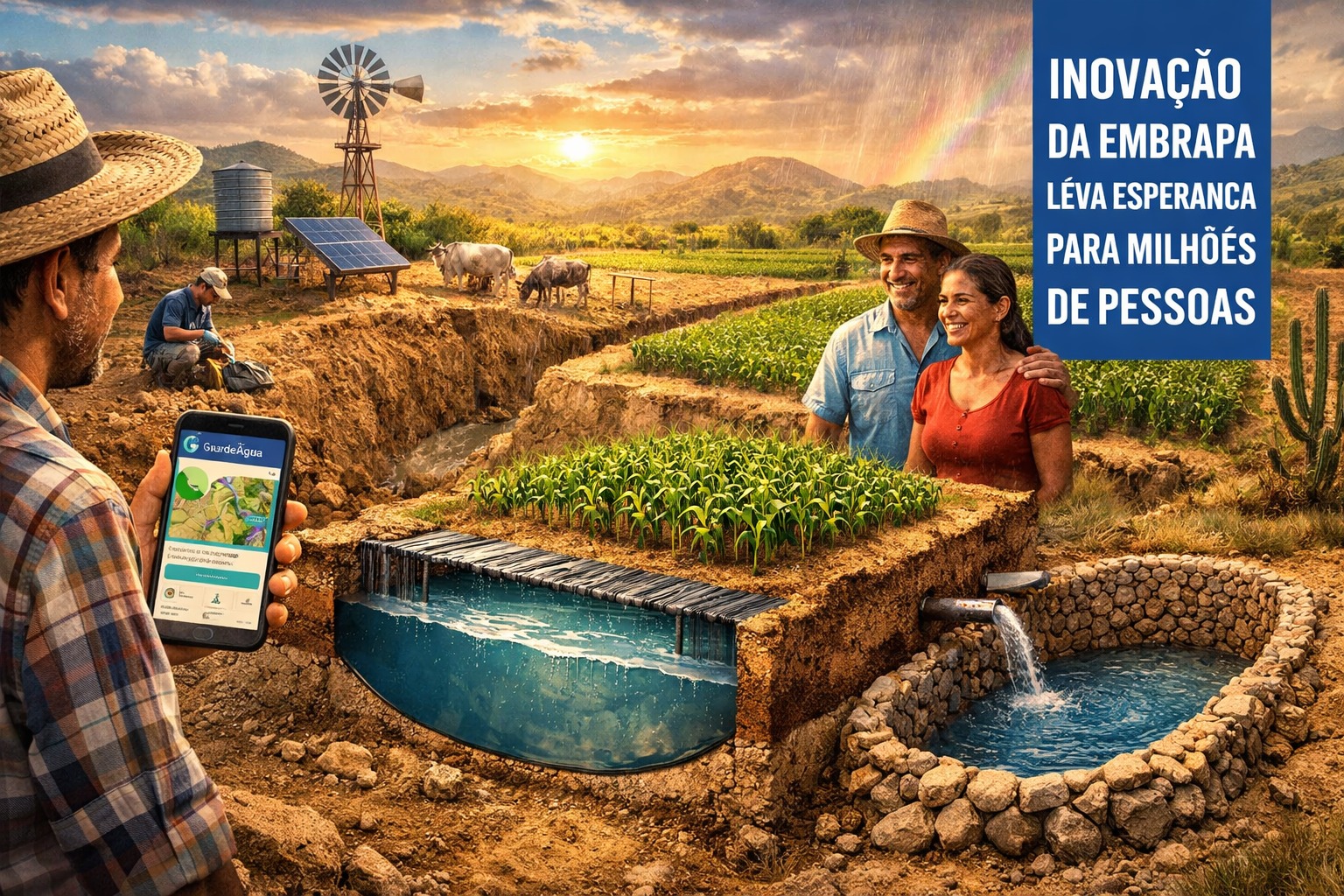
GuardeÁgua App from Embrapa Solos Guides Subterranean Dams in the Northeastern Semiarid Backlands, Free to Use on Google Play, Soil Analysis, and Support from MDS for Water Security
The Northeastern Backlands, a semiarid sub-region of Brazil’s Northeast, now has an app from Embrapa Solos that guides farming families in choosing suitable areas for subterranean dams, a technology that ensures water throughout the year and reduces losses.
The Northeastern Backlands is located between the mid-north and the Agreste, presenting a semiarid climate and low rainfall levels, a condition that imposes frequent droughts and structural challenges to family agricultural production.
To face this scenario, researchers from Embrapa Solos developed a digital solution aimed at the technical identification of locations suitable for the construction of subterranean dams, a water technology already established in the region.
-
While the world looks at oil, the war with Iran is already disrupting helium supply from Qatar, affecting car and iPhone chips, threatening AI expansion, and putting pressure on aluminum packaging at the highest value in four years.

-
Global warming will expose a treasure hidden under the ice of Antarctica and may spark an international dispute over gold and valuable minerals.

-
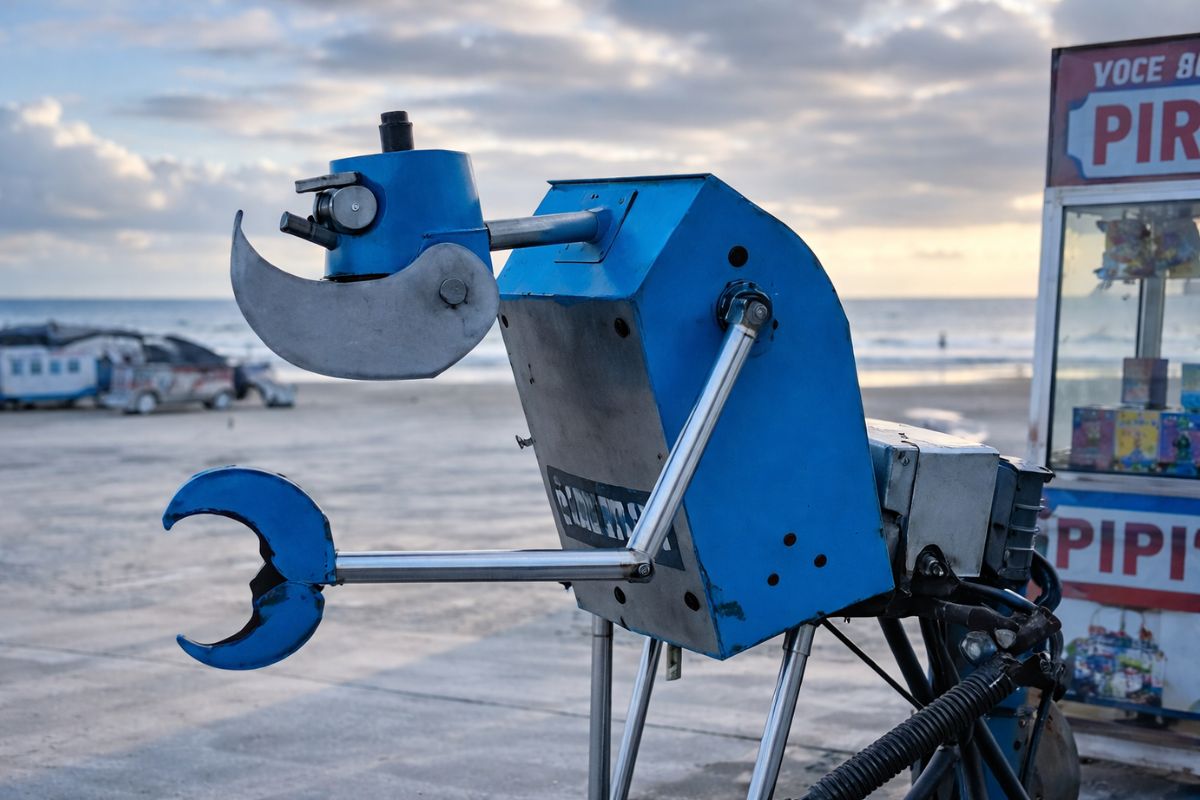
A street vendor from Praia Grande built a robot made of scrap from scooters and washing machines that pulls his popcorn cart on the beach, emits sounds, and interacts with customers, becoming an attraction on the coast of São Paulo.
-
The specifications of the Xiaomi 18 Pro Max have been leaked, and the highlight is a dual 200 MP camera with a new 22-nanometer technology that promises to consume less energy and capture details in shadows and bright areas using LOFIC HDR.


The subterranean dam allows rainwater to be retained in the soil, keeping moisture for several months; however, its performance depends on specific characteristics of the land and subsoil.
Identifying these suitable conditions has always been a practical challenge, often based only on the empirical experience of farmers or local extension technicians.
GuardeÁgua Technology Increases Technical Precision in the Semiarid
The GuardeÁgua app was developed by Embrapa Solos in Rio de Janeiro, in partnership with the Brazilian Semiarid Articulation, known as ASA.
The tool is available for free in the Google Play virtual store and can be used by both farming families and extension technicians from the Northeastern Semiarid region.
The central objective is to make the choice of areas with real potential for the implementation of subterranean dams more accurate, reducing errors and waste of financial resources.
The app requests simple information provided by the user, such as soil texture and depth, presence of rocks, vegetation, slope, water quality, and proximity to springs.
Based on this data, the system informs whether the analyzed area is appropriate or not for the installation of the subterranean dam.
In addition to the technical indication, GuardeÁgua suggests water, soil, and agricultural cultivation management practices adapted to the conditions of each property.
The final decision on which practices to adopt remains with the farmers, always in partnership with extension technicians who accompany the communities.
Public Support Strengthens Policies for Living with the Semiarid
The project received financial support from the Ministry of Development and Social Assistance, Family and Fight Against Hunger, identified as MDS.
The initiative integrates public policies aimed at food security, social assistance, and poverty reduction in the Brazilian Semiarid region.
According to Vitor Santana, general coordinator of Water Access at the National Secretariat of Food Security and Nutritional, Sesan, the app represents an advancement in living with the Semiarid.
He stated that the tool reinforces the institutional commitment to actions that promote autonomy, dignity, and improved living conditions for families in the region.
The use of technical information reduces the construction of dams in unsuitable locations, avoiding financial losses and recurring productive frustrations.
Simple Structure Ensures the Efficiency of Subterranean Dams
The subterranean dam uses a plastic tarp installed in trenches dug in the soil, reaching a depth of 3 to 5 meters.
This tarp retains rainwater below the surface, keeping soil moisture for several months, which enables agricultural cultivation.
The system is implemented in agricultural areas with gentle slopes, a necessary condition for the correct accumulation and retention of infiltrated water.
A spillway is also constructed, a structure that directs excess water volumes to wells when flows exceed expectations.
These technical details complement the functioning of the technology, which has been used in the Semiarid for years, now with digital support for greater precision.
With information from Tempo.com.







-

-

-

-

-

13 pessoas reagiram a isso.