





 Portuguese
  English
  Spanish
  4 min of reading
  2 comments


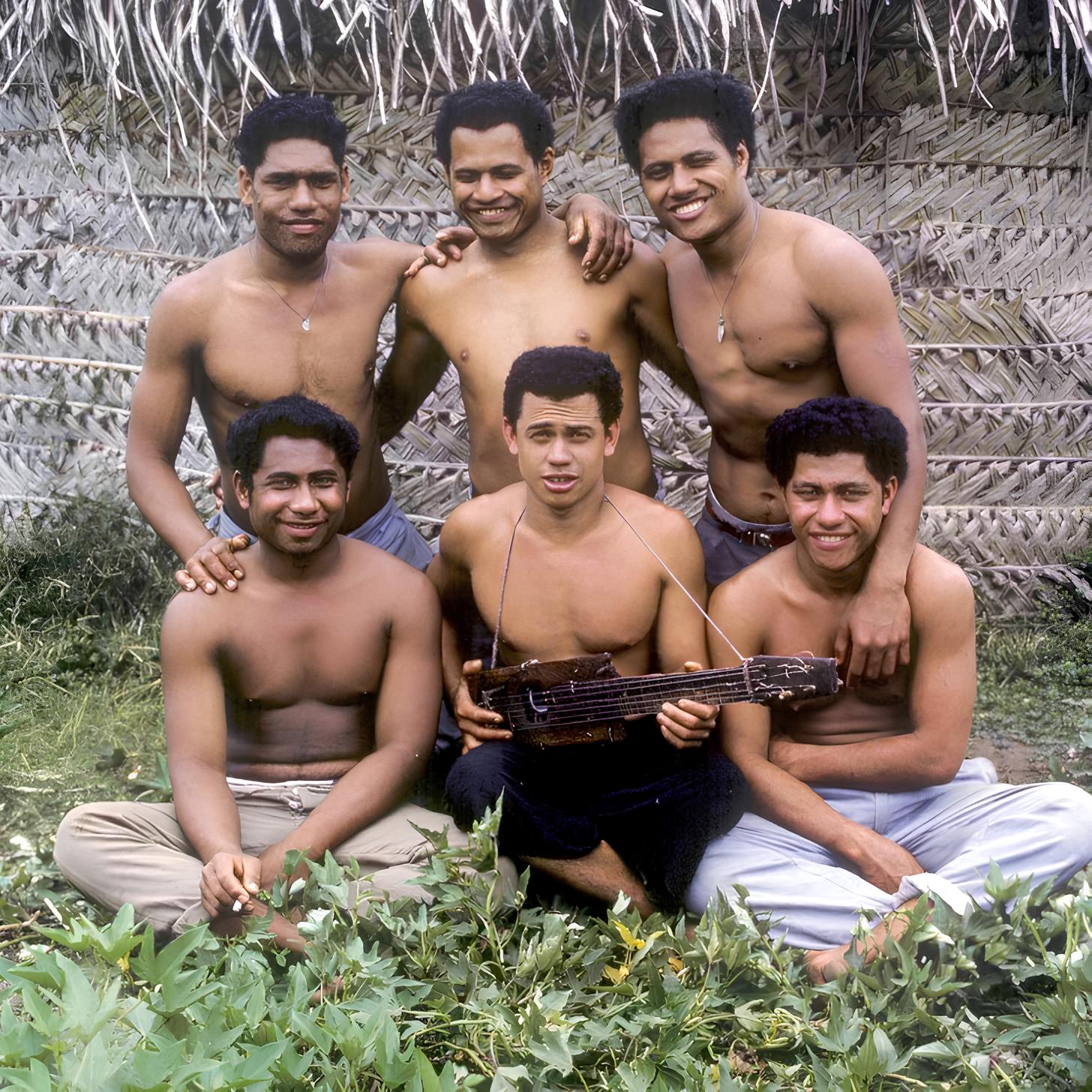


In June 1965, six teenagers from Tonga were shipwrecked on ʻAta Island and survived for 15 months with cooperation and discipline, being rescued in 1966.
Six teenagers from Tonga were shipwrecked in June 1965, six teenagers from the Kingdom of Tonga, aged between 13 and 16 years, made an impulsive decision that would change their lives forever. Tired of the strict routine of a religious boarding school, they stole a small fishing boat anchored off the coast with the vague idea of reaching Fiji. There was no planning, maps, compass, or any real open-water navigation experience.
Shortly after leaving the shore, a violent storm destroyed the rudder and sails of the vessel, turning the boat into a drifting hull in the South Pacific. For eight days, the young people faced extreme thirst, hunger, and absolute uncertainty about their fate. With no control over navigation, they were eventually carried by ocean currents until they ran aground on a remote volcanic island—unaware whether that piece of land represented salvation or merely a postponement of the end.
ʻAta Island: A Forgotten Place in the Pacific Since the Nineteenth Century
The place where the teenagers landed was ʻAta Island, an uninhabited island located south of Tonga, marked by steep cliffs, rugged terrain, and dense vegetation. ʻAta had been abandoned back in the nineteenth century, after attacks by slave traders, and had since remained off commercial, fishing, and regular navigation routes.
-
He started running at 66 years old, broke records at 82, and is now a subject of study for having a metabolic age comparable to that of a 20-year-old, in a case that is intriguing scientists and inspiring the world.

-
Oldest tree on the planet reappears after 130 years of searches: Wattieza, 385 million years old, was 10 meters tall and had no leaves or seeds; Gilboa fossils in New York solved the mystery in 2007.

-
A 48-square-meter house assembled in hours with 4,000 bricks made of recycled plastic that does not absorb moisture, has natural thermal insulation, and costs less than 90,000 reais in a complete kit.

-
Luciano Hang revealed that Havan’s air fleet has already accumulated more than 20,000 landings, 10,000 flight hours, and 6 million kilometers traveled, and he says that without the planes, the company would never have grown so quickly.

There were no houses, fields, trails, or any signs of recent human presence. For all intents and purposes, the six teenagers were completely isolated from the world, with no means of communication and no real expectation of rescue.
From Improvisation to an Organized Survival System
In the first days on land, the absolute priority was to find drinking water. The young people quickly learned to collect rainwater using hollow trunks, broad leaves, and improvised containers. Then came one of the biggest challenges: fire. After numerous failed attempts, they finally managed to light and maintain a permanent bonfire, essential for cooking food, keeping away insects, and maintaining morale.
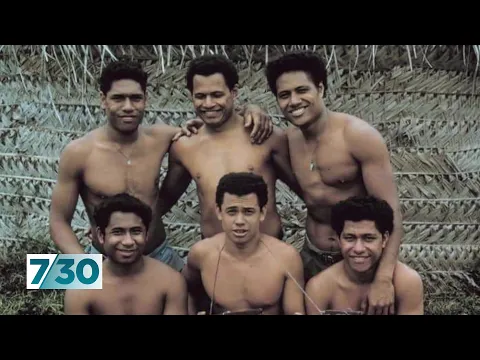

As weeks passed, survival became more structured rather than just a reaction to immediate danger. They built permanent shelters, designated specific areas for sleeping, cooking, and working, and began to systematically explore the island in search of food.
Clear Rules, Cooperation, and Task Sharing
The most surprising aspect of the story was not just the physical endurance, but how living together was organized. Instead of violent disputes or social collapse, the teenagers created simple and effective rules. Tasks were divided among everyone: fishing, fruit gathering, maintaining the fire, building, and watching.
Conflicts arose, but they were resolved rationally. When someone became irritated or upset, they temporarily stepped away from the group until they calmed down. There were no records of serious physical fights during the 15 months of isolation, something that deeply surprised researchers and journalists decades later.
Improvised Agriculture and Adapting to the Hostile Environment
Over time, the young people realized that relying solely on gathering made survival unstable. They then initiated improvised gardens, making use of native plants and seeds found on the island. This step was decisive in creating a minimally predictable food source.
Additionally, they developed more efficient fishing techniques and seabird trapping, using rudimentary traps and learning from successive mistakes. Gradually, the island stopped being just a refuge and began to function as a partially controlled environment.
Fifteen Months Outside the World Between 1965 and 1966
The six teenagers remained on the island for about 15 months, between June 1965 and September 1966, totaling approximately 460 days of complete isolation. During that time, they maintained surprisingly good physical health.
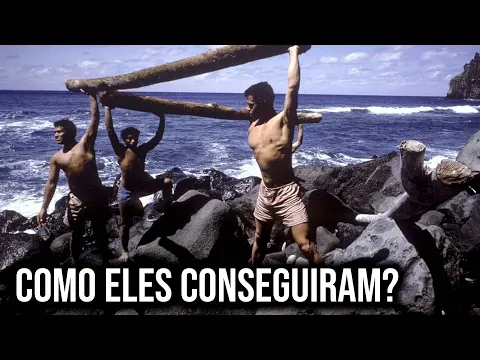
To avoid muscle weakening, they even created a kind of improvised gym, using stones as weights. The focus on discipline, routine, and physical conditioning helped preserve both body and mind throughout the forced confinement.
The Unexpected Rescue in September 1966
In September 1966, destiny finally changed. Australian fisherman Peter Warner was sailing through the area when he noticed signs of fire at the top of the island. Intrigued, he decided to approach and found the six teenagers alive, organized, and in good health.
The surprise was mutual. For Warner, it was incredible to find young people who had survived for over a year in a place considered inhospitable. For the teenagers, that boat meant the end of an isolation that had lasted almost a year and a half.
A True Story That Disassembled Classic Theories on Survival
After the rescue, the story gained international attention and began to be cited as the true opposite of the narrative presented in Lord of the Flies. Instead of barbarism, there was cooperation. Instead of social collapse, there was organization. Instead of violence, there were rules and empathy.
More than half a century later, the case of the six teenagers from Tonga remains one of the strongest examples of how human cooperation can be more powerful than chaos, even under the most extreme imaginable conditions.








Coloca 6 brasileiros, um fim de semana e o resultado é: 3 cadáver, 2 amputados e 1 contando vantagem.
Now this is how the world should work!!
Cooperation not takeover!!