





 Portuguese
  English
  Spanish
  2 min of reading
  0 comments


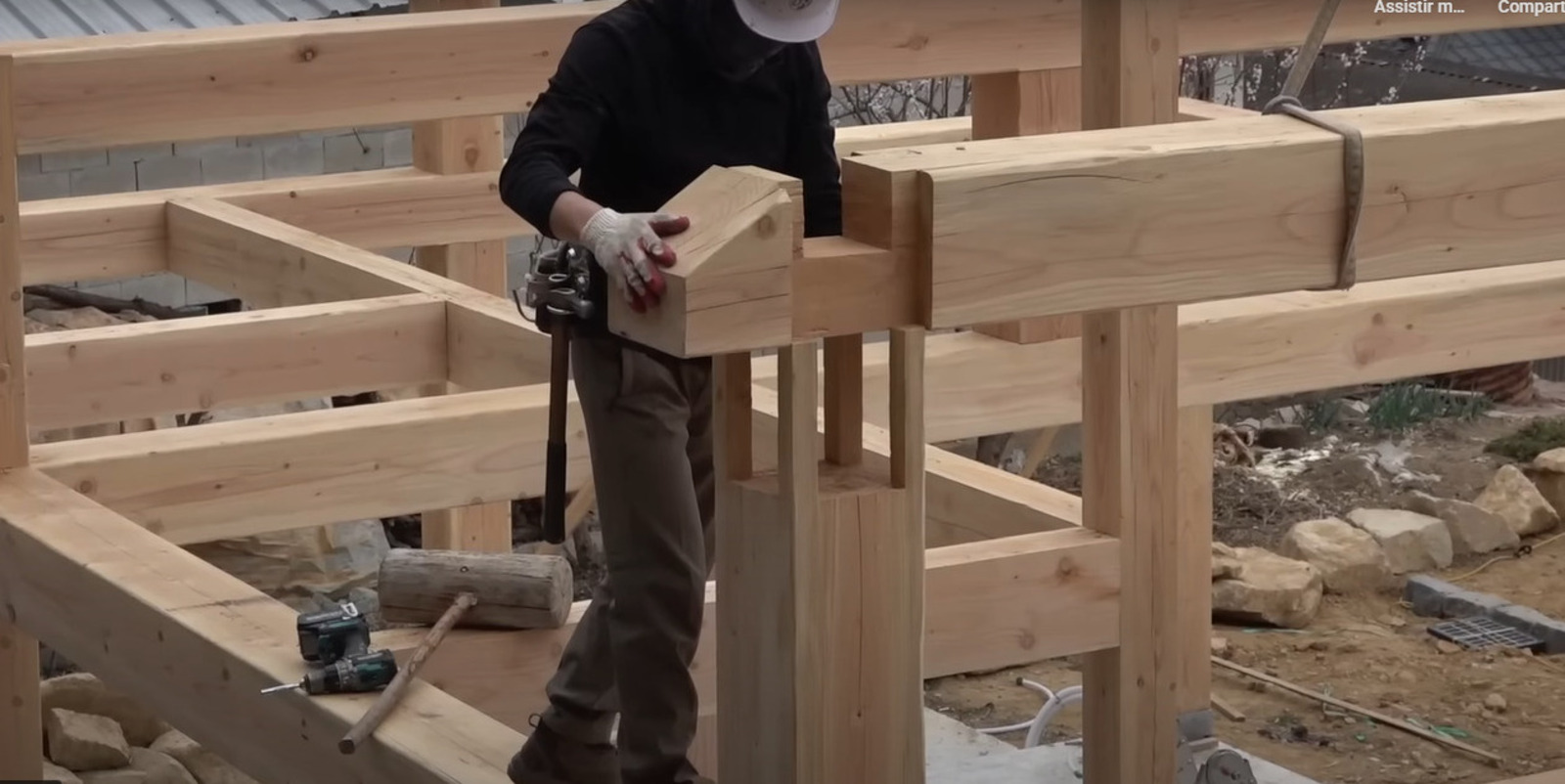
Hanok Architecture: An Construction Technique without Metal Fasteners, Functional Curved Roof, and Integrated Use of Wood, Clay, and Stone in Durable Eastern Residences
Hanok architecture stands out for its artisanal engineering that eliminates metal fasteners, prioritizes natural materials, and maintains balanced climate performance, attracting global attention for durability, construction precision, and functional solutions applied to traditional eastern homes.
Structural Carpentry and Wood Preparation
The structure starts with logs of raw wood, peeled and planed by carpenters, who transform logs into smooth beams and pillars, requiring constant precision for stability.
The structural system eliminates nails and uses male and female joints, carved with chisels, secured by physical pressure and wooden mallet strikes.
-
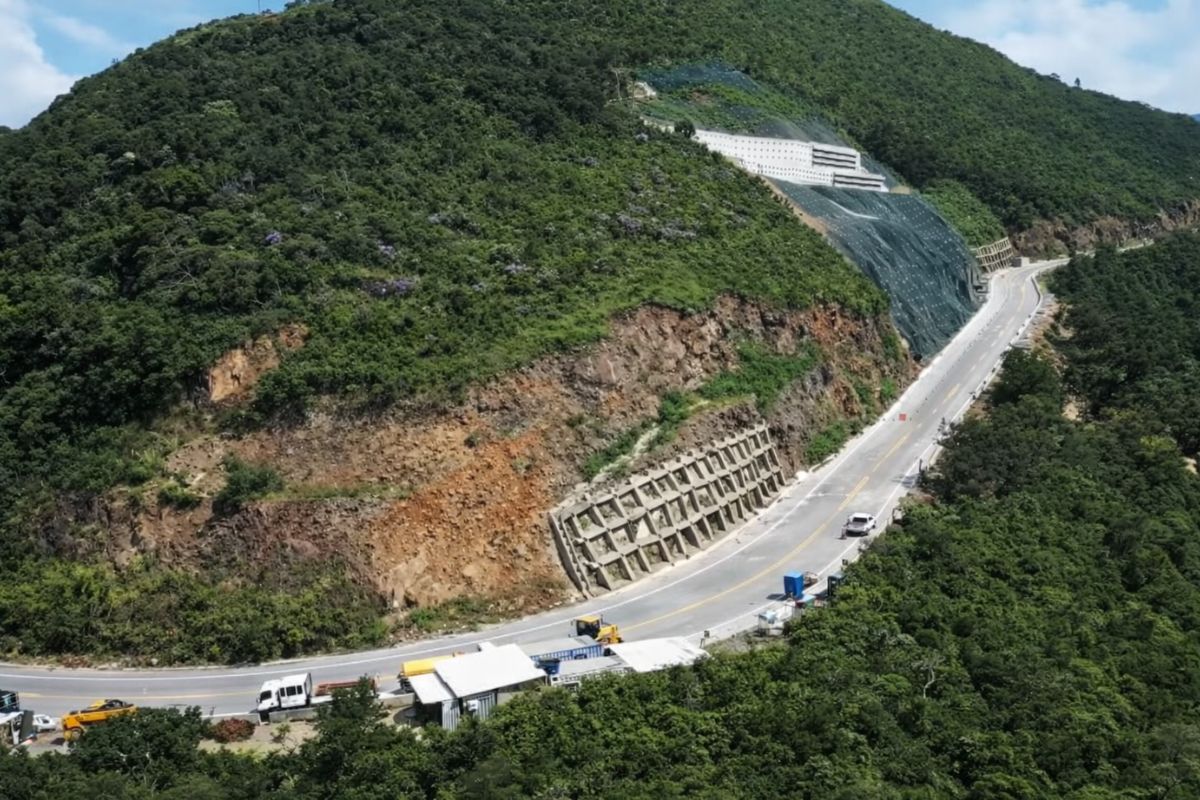
The section of Serra da Rocinha on BR-285 is now open in Timbé do Sul: 50 m tensioned curtains and top-down technique stabilize the slope, with a stairway duct controlling the water.
-
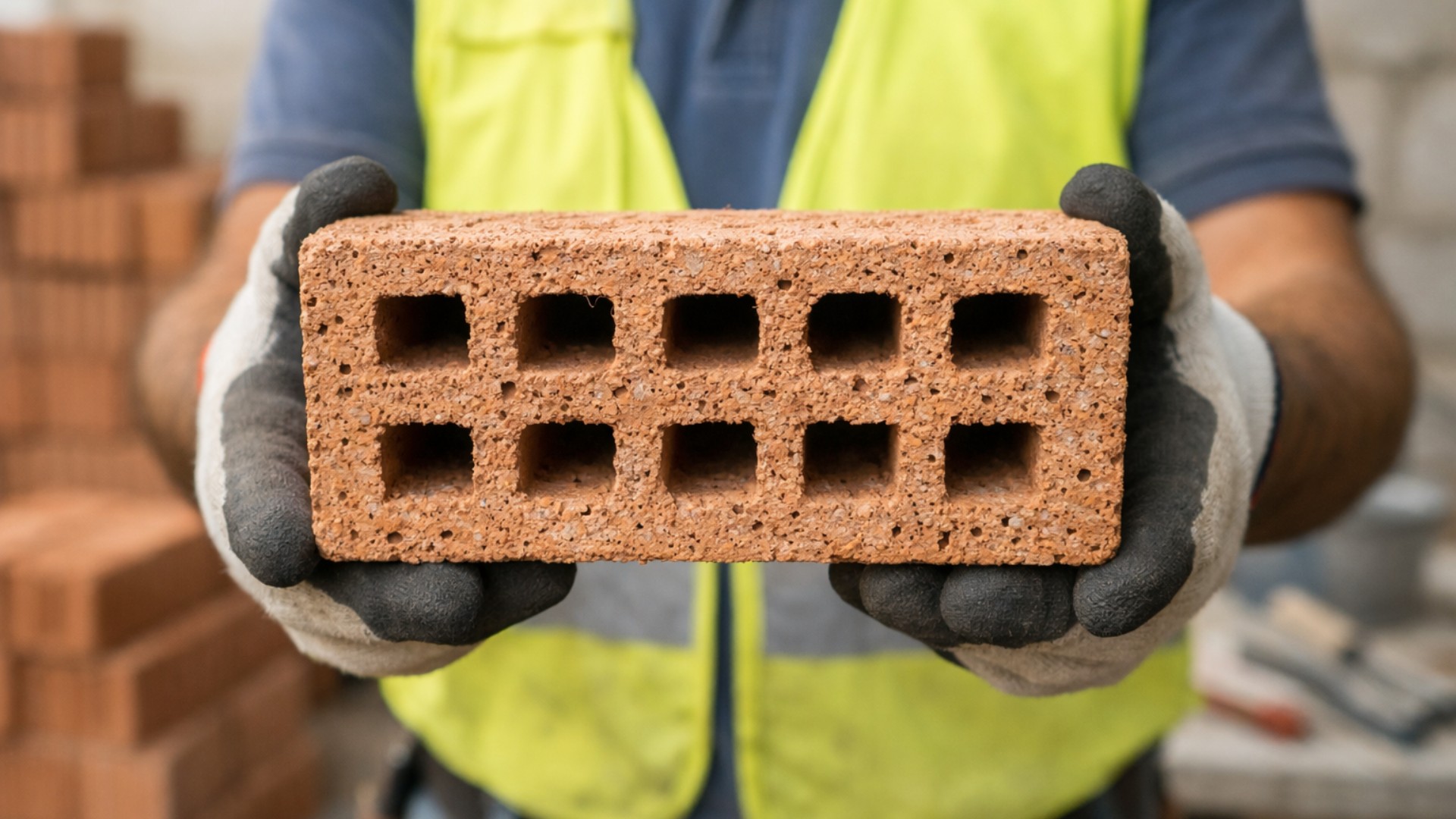
Scientists use sawdust mixed with clay to create a lighter brick, promising efficient thermal insulation and impressing by transforming waste into a solution for construction.
-
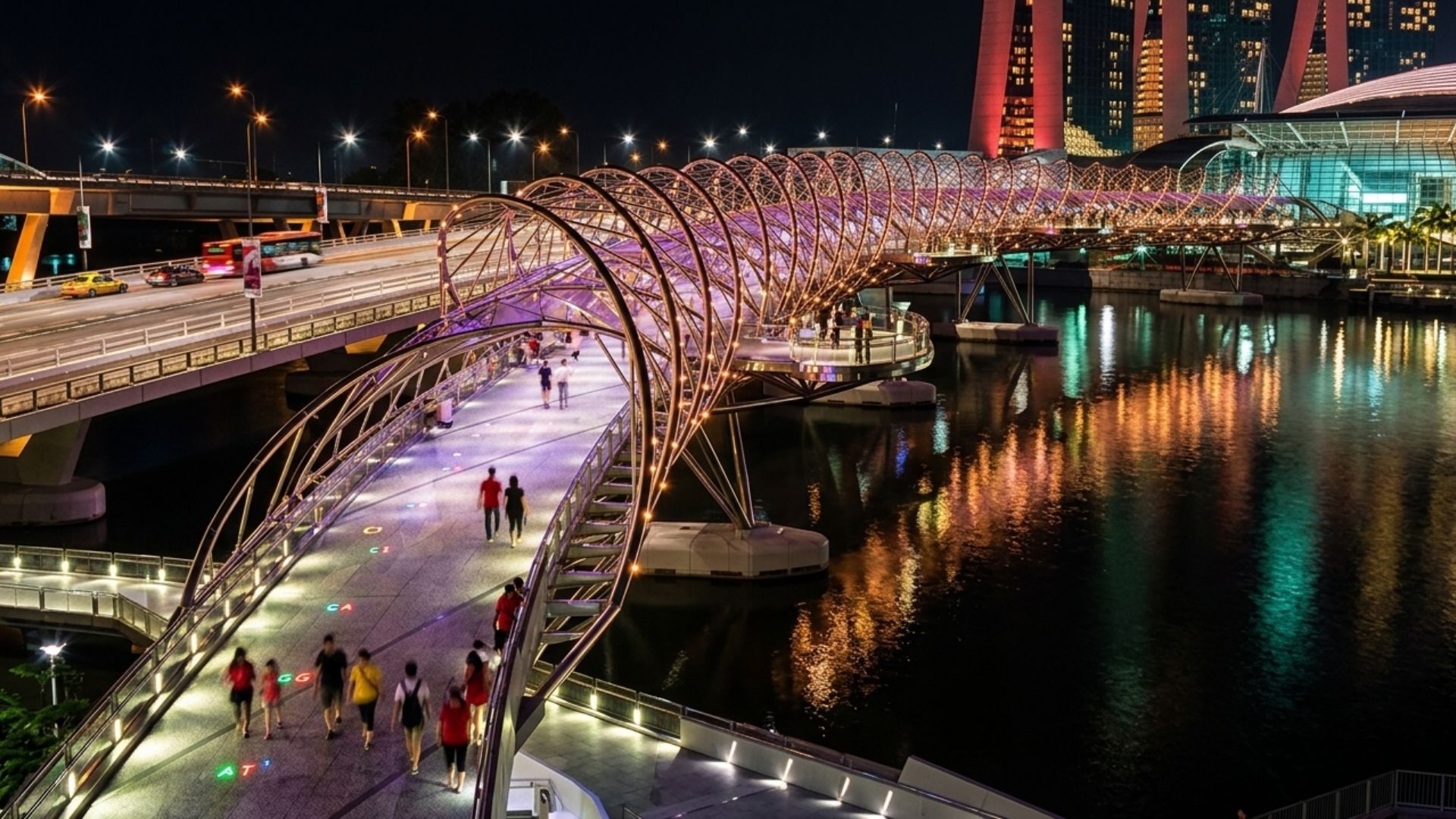
With a DNA shape, this bridge in Singapore draws attention in modern architecture and surprises tourists by transforming a simple crossing into an unforgettable visual experience in the urban heart.
-
Giant underwater pipeline begins to take shape with a R$ 134.7 million project at the Port of Santos: the 1.7 km structure uses 12-meter and 700 mm pipes to supply water to 450,000 people in Guarujá.


To prevent soil moisture, the structure rests on Juchutdol stones, creating efficient insulation between wood and the natural ground.
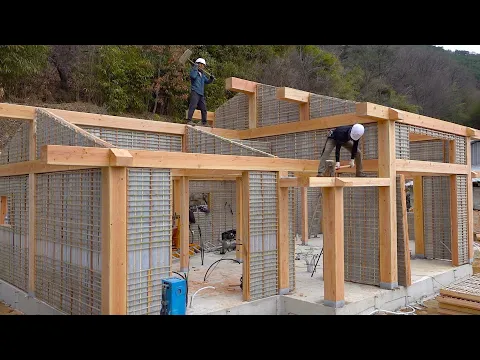
A crane assists in lifting the heavier pieces, including master beams that connect the perimeter and ensure structural alignment during assembly.

Curved Roof and Climate Performance of Houses
The roof features curved rafters at the eaves, an aesthetic and functional solution that enhances solar gain in winter and protects walls from rain.
On the wooden ceiling, a thick layer of dry clay is applied, serving as a natural thermal insulator that stabilizes internal temperature.
Breathable Walls and Exterior Finish
The walls use gray bricks and clay between pillars, forming breathable surfaces that regulate humidity and create a contrast with the dark wood.
The finish in white plaster or earthy tones reinforces visual identity, maintaining construction simplicity and coherence with the natural materials used.
Internal Comfort and Traditional Technologies
Inside, the flooring incorporates the Ondol system, an essential underground heating technology for winter, integrated into the residence’s construction logic.
Doors and windows receive Hanji paper, made from mulberry, which filters light, controls humidity, and softens internal lighting.
Contemporary Dissemination of the Construction Process
The complete construction process of the Hanok is widely demonstrated in videos from the Process K channel, which detail joining techniques, finishing, and artisanal assembly.
These audiovisual records, with millions of views, enhance global interest in ancestral engineering, highlighting structural flexibility, resilience, and climate adaptation, as well as inspiring contemporary sustainable projects.
With information from BMC News.








-

-

-

-

-

41 pessoas reagiram a isso.