





 Portuguese
  English
  Spanish
  5 min of reading


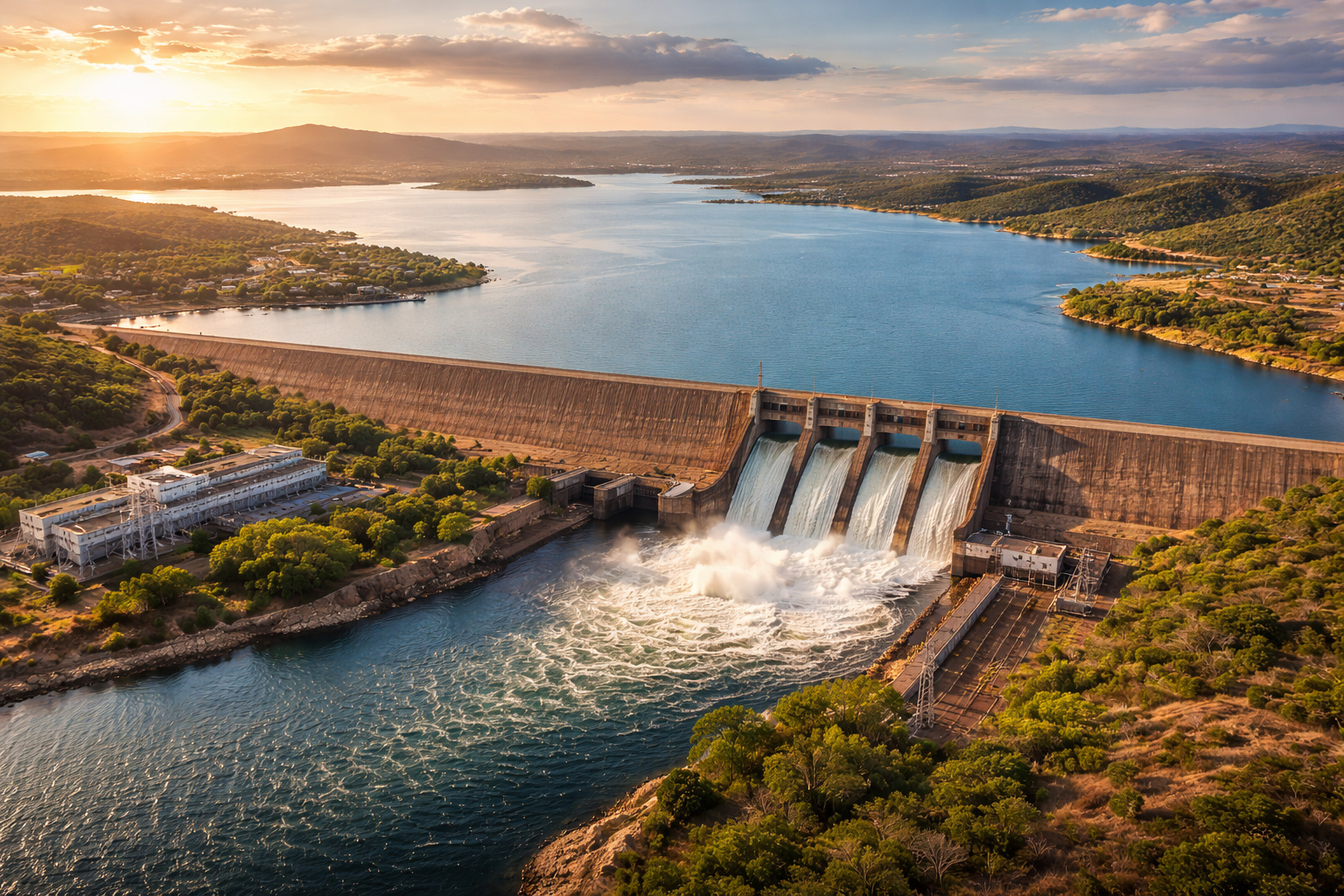
Since the beginning, energy has always held a central place in the history of the Northeast. Therefore, the verses “Delmiro came up with the idea, Apolônio took advantage, Getúlio issued the decree, and Dutra made it happen. President Café inaugurated the plant,” immortalized in 1955 in the song “Paulo Afonso,” by Luiz Gonzaga, help to understand how electricity came to represent hope and transformation for the backlands. In that context, the power of the waters of the Rio São Francisco symbolized progress in a region historically marked by scarcity.
However, despite the initial enthusiasm, reality imposed limits. Over time, it became clear that just building power plants would not guarantee stability in energy supply. After all, the irregular rainfall pattern compromised electricity production at various times of the year. Thus, the need for a more comprehensive solution began to gain traction in national energy planning.
Gradually, the idea of creating a large reservoir solidified. This artificial lake would serve to store water during the rainy periods and, at the same time, ensure constant flows during droughts. In this way, it would be possible to turn hydroelectric generation into a predictable and safe activity.
-
Brazilians paid R$ 18 billion more for energy from the Itaipu plant, reflecting a direct impact on tariffs and generating discussions about costs, transparency, and balance in the national electricity sector.

-
Equatorial adopts new national number for consumer units on electricity bills starting in April, following ANEEL standards and modernizing energy bills in several states.
-
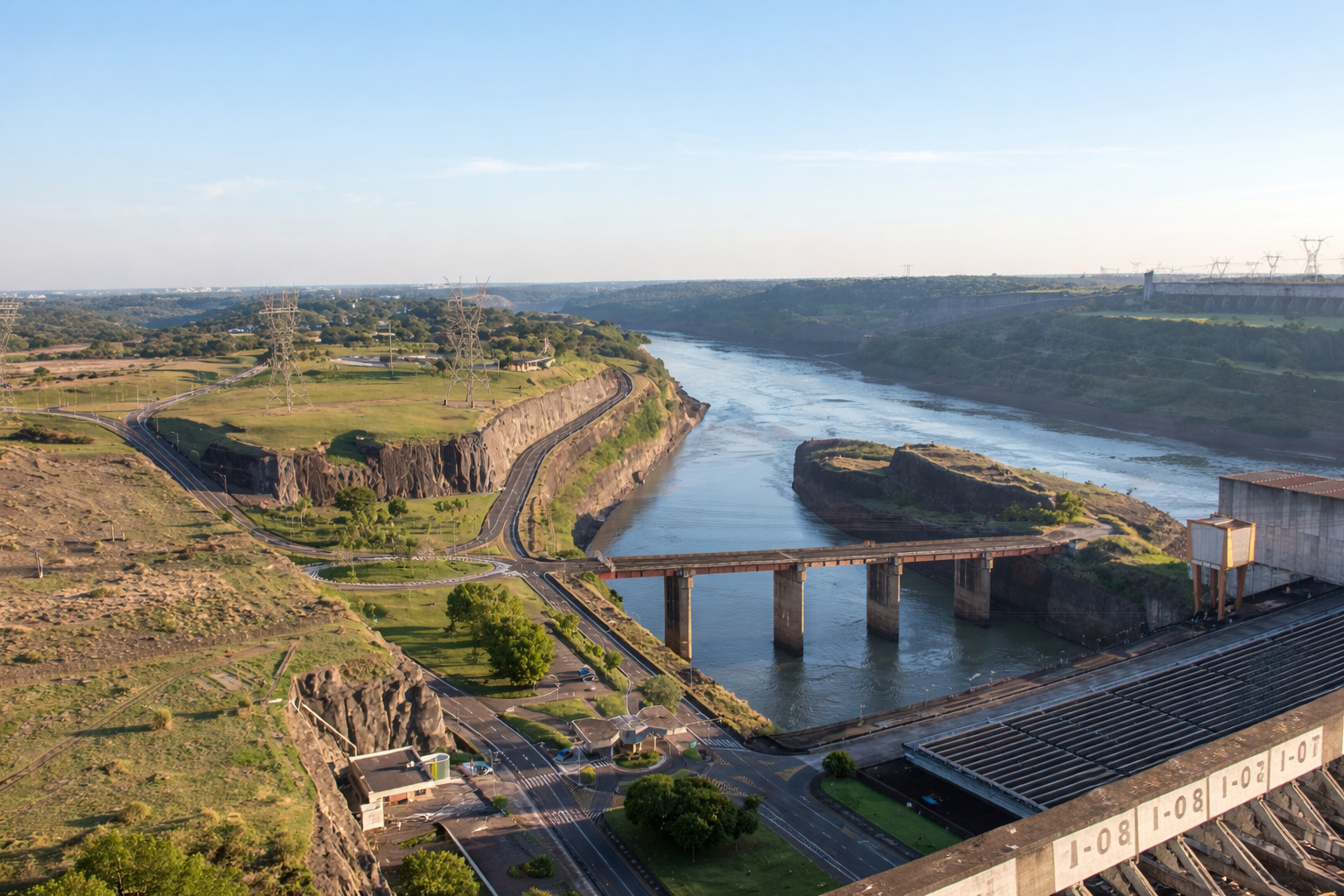
Itaipu Impresses the World: Hydroelectric Plant with 20 Turbines and 14,000 MW Generates Over 2.9 Billion MWh and Leads Global Clean Energy Production
-
Aneel Revokes CMAA Thermal Power Plants After Network Restrictions and Excess Energy in the System


Energy, State, and Long-Term Vision
Historically, the energy exploitation of the São Francisco has been linked to strategic decisions of the Brazilian State. According to the federal government, in official documents from the electricity sector, energy was seen not only as infrastructure but as a tool for national integration and regional development.
In this sense, the creation of the Companhia Hidrelétrica do São Francisco in 1945 represented a decisive milestone. Chesf began to coordinate projects aimed at structuring an integrated hydroelectric system in the Northeast, with Paulo Afonso as the initial hub.
Nevertheless, despite the advancements made, challenges persisted. In years of more severe drought, energy production decreased significantly. As a result, cities and industries faced supply instability. Therefore, energy planning evolved to incorporate large-scale water regulation solutions.
In this way, in the following decades, the project for a large artificial lake ceased to be just a technical hypothesis. It began to be viewed as a strategic necessity for the country.
The Formation of the Largest Artificial Lake in Brazil
In June 1973, according to official information from Chesf and the Brazilian government, the construction of the Sobradinho Dam began in the Bahia backlands. From that moment on, the damming of the waters of the São Francisco began to profoundly transform the region.
As a direct result, a reservoir was formed that spans about 4,200 square kilometers, making it the largest artificial lake in Brazil. The main purpose of this lake has always been clear: to regulate the river’s flow and ensure the continuous operation of the plants located downstream, especially the Paulo Afonso complex and, later, Xingó.
Moreover, according to data from Chesf, the start of operations in the late 1970s marked a structural change in energy generation in the Northeast. From then on, production ceased to depend exclusively on local rainfall. Instead, it became based on the strategic management of water storage.
Consequently, the Sobradinho lake established itself as a true buffer for the electrical system, capable of sustaining generation even in long periods of drought.
Social and Economic Transformations in the Region
At the same time that it brought energy gains, the formation of the lake caused relevant social impacts. According to the federal government, thousands of families had to be resettled, as cities, towns, and productive areas were submerged during the filling of the reservoir.
Despite this, over the years, new economic arrangements began to emerge. Gradually, the lake started to support activities such as fishing, agricultural irrigation, navigation, and tourism. Thus, the regional economy became more diversified and less dependent solely on rainfall.
In addition, the regulation of the flow of the São Francisco facilitated the expansion of irrigated agriculture in the Valley of São Francisco. According to government data, this change was crucial for the growth of fruit farming aimed at export, responsible for integrating the Northeast into global supply chains.
Thus, the artificial lake began to play a role that goes beyond energy generation. It became an integral part of the social and economic organization of the region.
Sobradinho as a Pillar of Energy Security
From the perspective of the electrical system, the Sobradinho lake continues to play a strategic role. According to the National Electric System Operator, the reservoir has a direct influence on the generation of several power plants in the Northeast by regulating the flows of the São Francisco.
During critical drought periods, such as those recorded between 2012 and 2017, the lake level became a central indicator for the electricity sector. Even so, even in adverse scenarios, Sobradinho maintained its capacity to ensure supply stability.
Furthermore, by allowing for the storage of water in wetter years, the lake contributes to a more efficient operation of the National Interconnected System. In this way, it helps to reduce costs, optimize the use of other sources, and mitigate rationing risks.
For this reason, Sobradinho remains one of the main pillars of Brazilian energy security, even in a context of electrical matrix diversification.
A Legacy That Transcends Time
More than five decades after the start of construction, the Sobradinho lake remains relevant. More than a major engineering work, it represents a historical choice based on planning, long-term vision, and regional integration.
The narrative begun in the verses of Luiz Gonzaga gained materiality in the dammed waters of the São Francisco. Today, this legacy connects the past, present, and future, sustaining energy, economy, and life in the semi-arid region.
Thus, by ensuring water regularity, energy stability, and new economic opportunities, the largest artificial lake in Brazil reaffirms its strategic role in a country that still finds in its rivers an essential basis for sustainable development.






Seja o primeiro a reagir!