





 Portuguese
  English
  Spanish
 3 min of reading
  0 comments


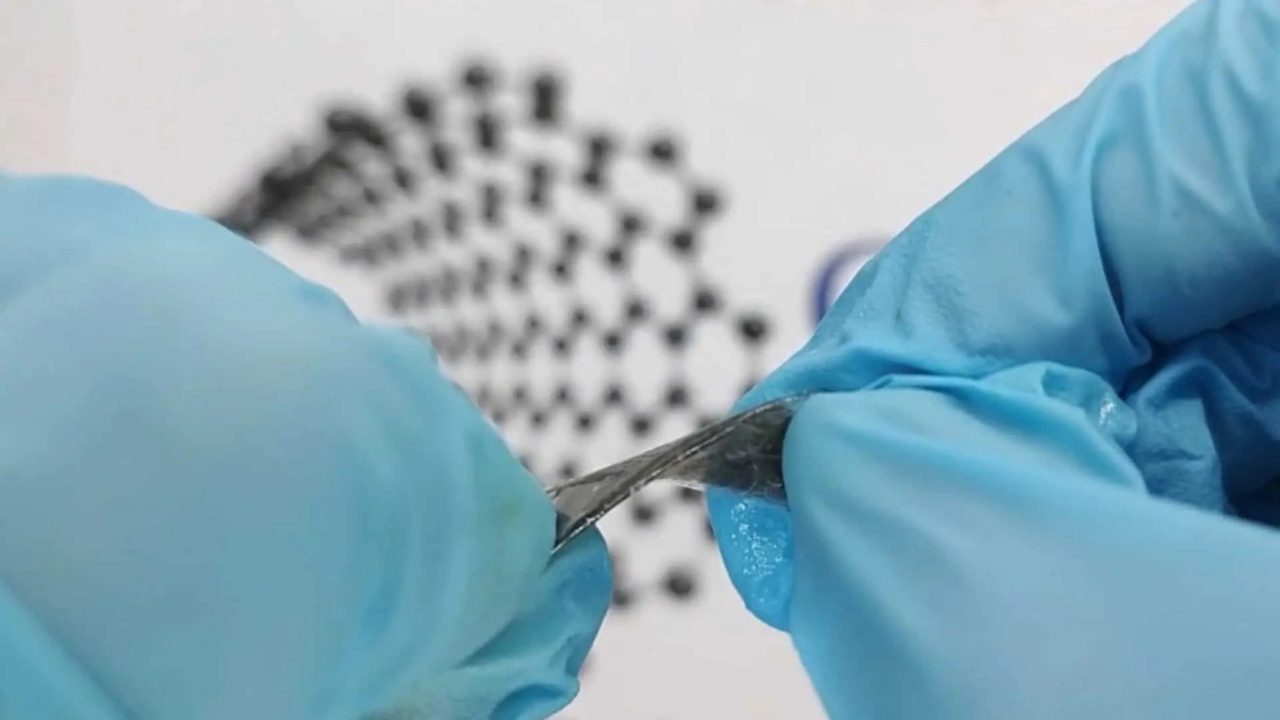
Researchers from UFPR Develop Sodium-Ion Battery with Unique Properties, Identified as a Safer and More Sustainable Alternative to Lithium Batteries and with Potential to Boost Solutions in Renewable Energy.
The development of efficient solutions for energy storage remains one of the main challenges of renewable energy. In this context, researchers from the Federal University of Paraná (UFPR) presented a technological advance that could change the landscape of the sector.
It is a sodium-ion battery with unique characteristics, designed to offer more safety, sustainability, and versatility in future applications.
The technology was highlighted by the magazine Ciência UFPR as a promising alternative to lithium-ion batteries, widely used in electronic devices and clean energy systems.
-
Petrobras reaffirms its commitment to the market and ensures that it will carry out the energy transition safely to maintain national sovereignty.

-
Researchers discover a possible hydrogen deposit of up to 46 million tons beneath an ancient coal basin, and the volume could exceed half of the entire global production.

-
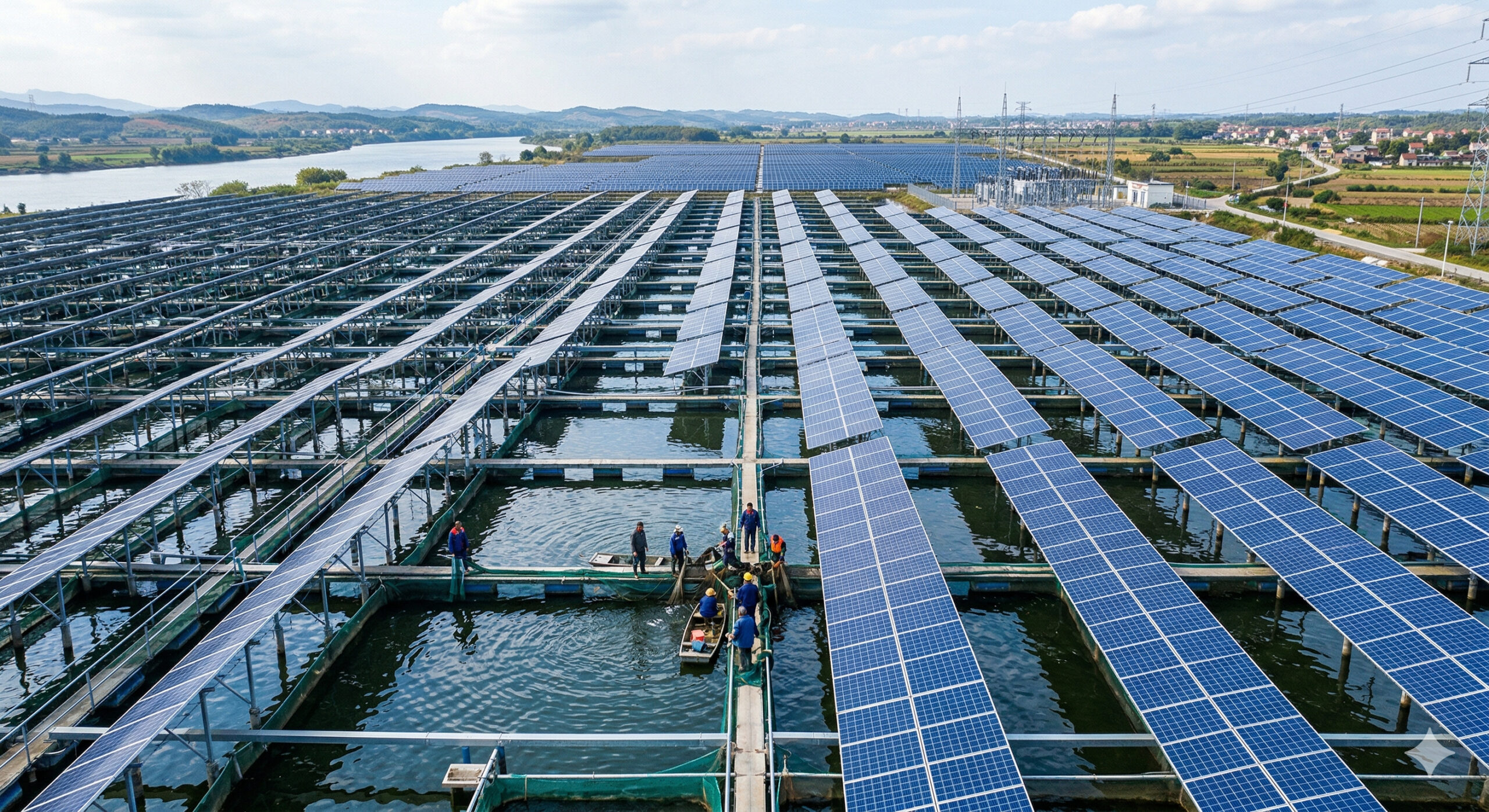
China bets on the Fishery-PV model and transforms fish farms into giant solar plants, covering ponds with panels that generate energy while utilizing the same space for large-scale aquaculture production.
-
Green hydrogen at home: Belgium launches new technology that makes solar panels produce fuel from the moisture in the air, which could boost the energy transition.


The new model expands the possibilities of integration with renewable sources, especially in systems that require stable storage with low environmental impact.
Alternative to Lithium Reduces Risks and Environmental Impacts
Lithium-ion batteries have dominated the market in recent decades, primarily due to their high storage capacity and long lifespan. However, researchers point out significant limitations associated with this type of technology, particularly concerning safety and the use of toxic materials.
“For a long time, lithium-ion batteries have dominated portable electronics due to their high storage capacity and long duration. However, these batteries use toxic and flammable organic solvents, which can cause short circuits and increase the risk of accidents,” stated Maria Karolina Ramos, a researcher at UFPR.
The new sodium-ion battery eliminates the use of these flammable solvents, functioning in an aqueous medium. This reduces the risk of accidents and decreases the environmental impact of the production process, a relevant factor for supply chains linked to renewable energy.
Prototype Brings Unique Properties in Almost Three Decades of Research
After nearly 30 years of research in the area, the UFPR group managed to develop a functional prototype that uniquely combines three simultaneous characteristics: flexibility, transparency, and operation in an aqueous medium. The combination of these attributes expands the range of possible applications, including flexible electronics, wearable devices, and solutions integrated into clean generation systems.
According to the researchers, the innovation is directly related to the method used in the production of the materials. The technique allows for the creation of extremely thin films, with a thickness of a few nanometers, that can be applied to different surfaces.
Thin Film Technology Expands Future Applications
According to Professor Zarbin, the foundation of the project lies in how the materials are prepared. This approach was crucial in achieving the unique properties of the sodium-ion battery.
“The entire basis of the study is a technology for preparing materials in the form of thin films, just a few nanometers thick. We can deposit this material on anything,” explained the professor.
This flexibility opens up possibilities for the use of the battery in different contexts, including decentralized renewable energy systems, where lightness, safety, and adaptability to different formats are strategic factors.
Potential to Integrate Clean Energy Solutions
With greater abundance and lower cost compared to lithium, sodium emerges as a strategic element for storage technologies associated with renewable energies. The researchers expect that this advance will contribute to more sustainable systems, especially in applications requiring scalability and lower environmental impact.
By combining safety, innovation, and sustainability, the sodium-ion battery developed at UFPR represents a significant step in the scientific effort to enhance the efficiency and viability of renewable energies, keeping pace with the growing demand for clean and technologically advanced solutions.







Seja o primeiro a reagir!