





 Portuguese
  English
  Spanish
  3 min of reading
  0 comments


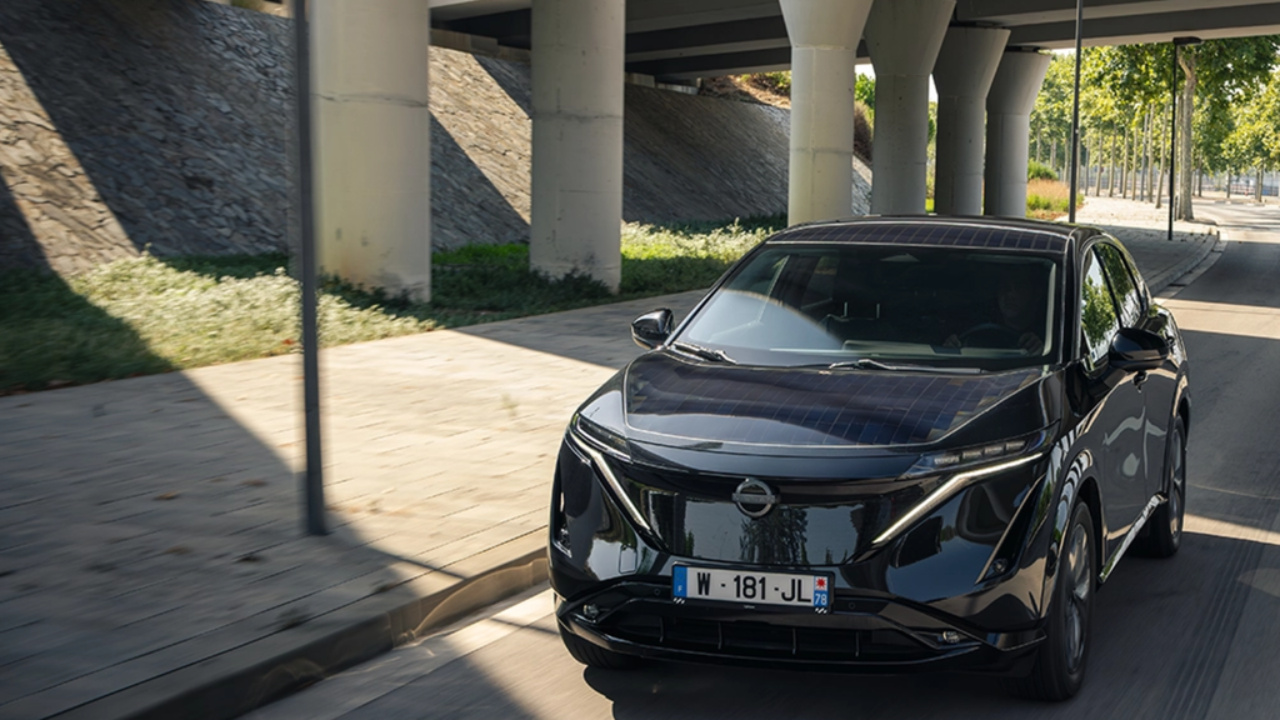
Solar Energy Applied In Electric Cars Returns To The Center Of The Debate After Nissan Unveils An SUV Equipped With Solar Panels Capable Of Reducing Recharges And Increasing Range.
Solar energy may be about to change one of the main headaches for electric car drivers: the constant dependence on recharges.
Nissan presented an innovative concept of the Ariya SUV equipped with solar panels integrated into the vehicle, in a clear attempt to reduce downtime at charging points and increase daily range.
The project is the result of a strategic partnership with Lightyear and bets on the direct conversion of sunlight into electricity to power the car’s battery.
-
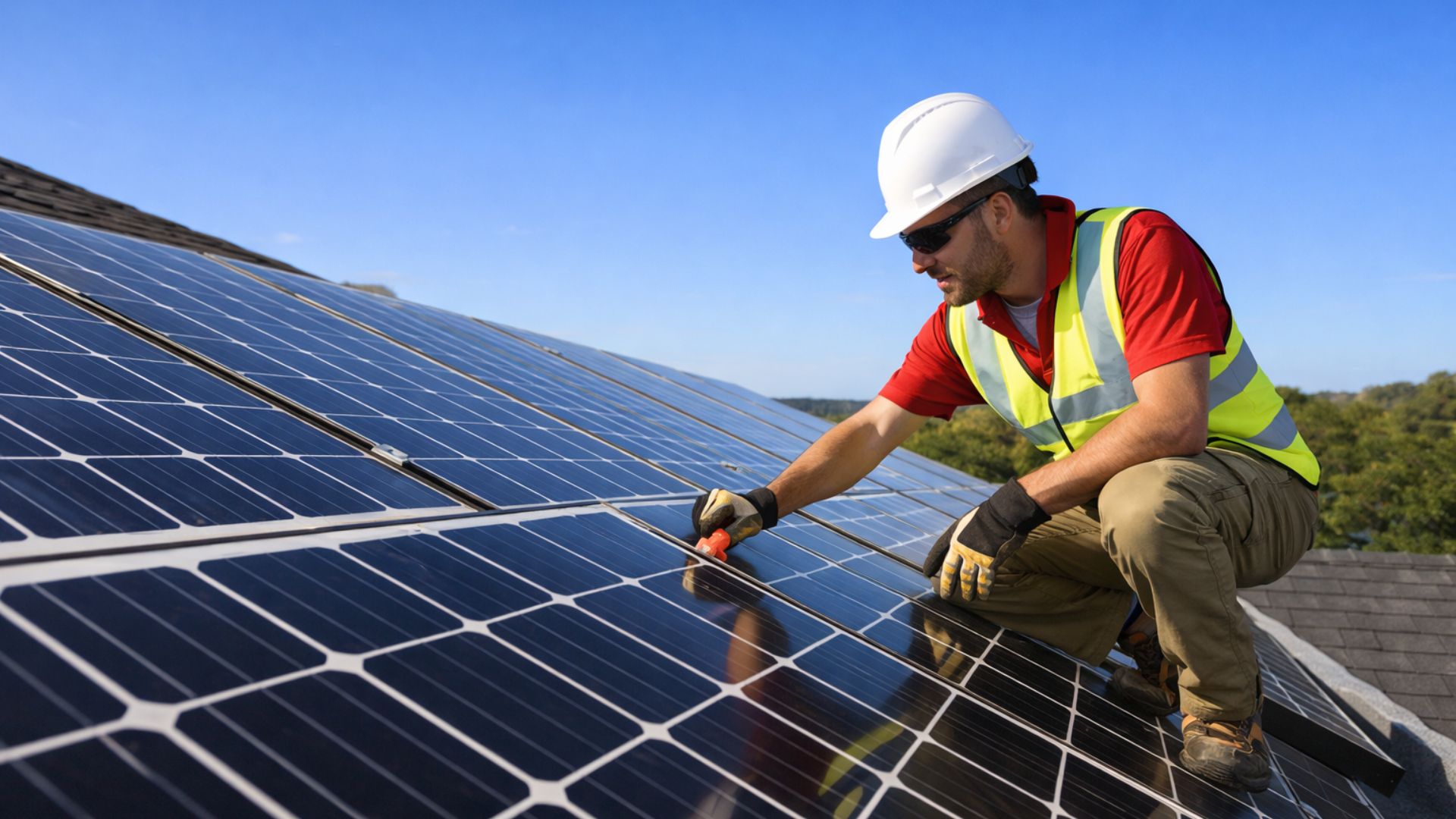
Seagri’s headquarters invests in solar energy with Neoenergia Coelba and promises to cut electricity costs, highlighting a strategic advance in sustainability and energy efficiency within state public administration.
-
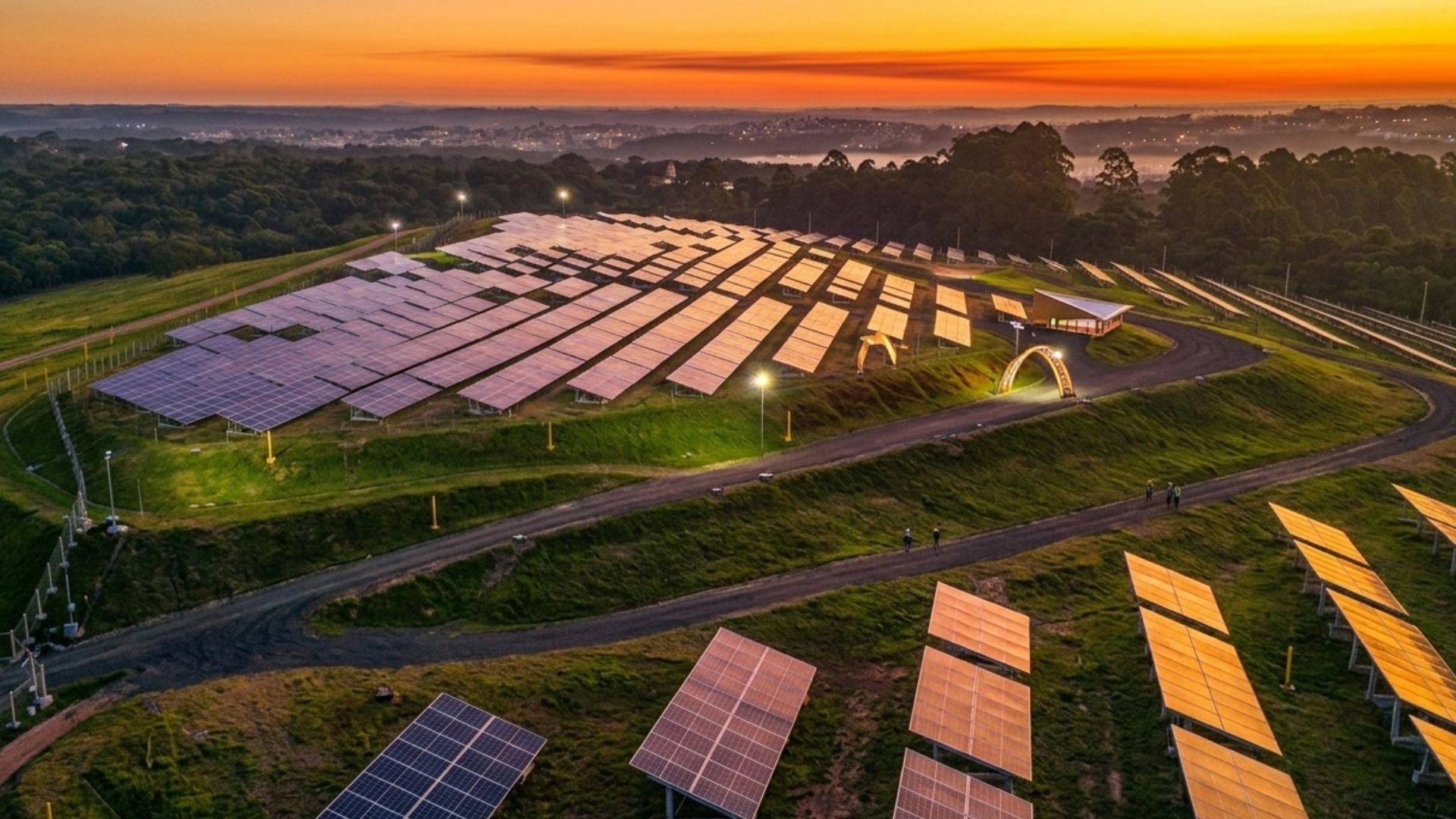
Solar Pyramid draws attention by converting solar energy into million-dollar savings and repositioning the City Hall of Curitiba as an example of innovation, sustainability, and intelligent use of public resources.
-
Europe records strong euro economy with solar energy in March and sparks curiosity about which country leads growth that redefines the energy market and reduces costs.

-
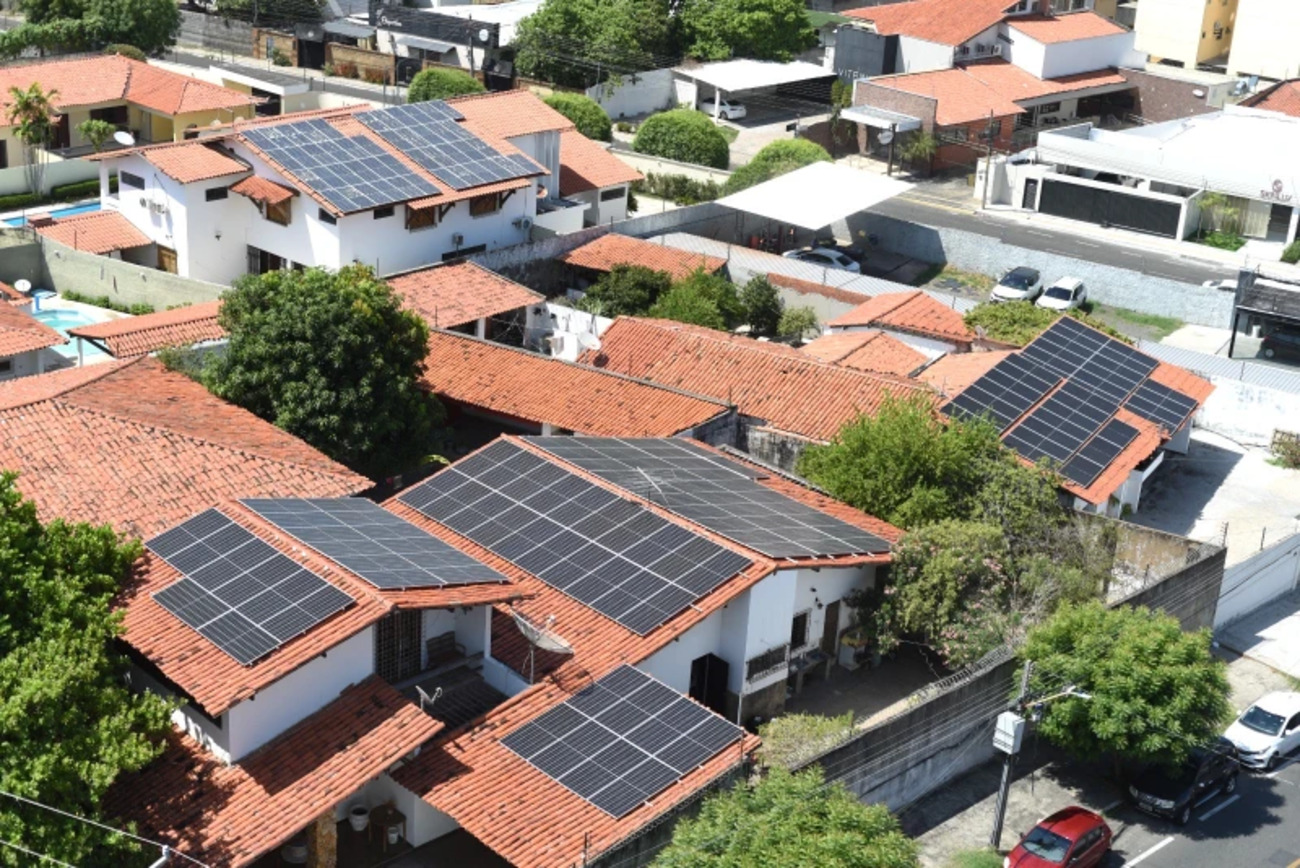
Piauí reaches a historic milestone in energy transition: State records nearly 160,000 households powered by solar energy and leads growth in the Northeast.

The proposal draws attention because it addresses a structural problem of electric vehicles, especially in countries where the charging infrastructure is still inadequate.
Solar Panels On The Hood, The Roof, And Even In The Trunk
Unlike spot solutions already seen in the market, the concept presented by Nissan distributes three solar panels throughout the car: hood, roof, and trunk lid. This way, the vehicle can capture solar energy even when parked or in motion.

According to the automaker, the system can generate up to 23 extra kilometers of range, a figure that, although modest at first glance, becomes relevant in urban use. On short trips and daily routines, this gain can mean entire days without needing to plug the car into an outlet.
Results Vary According To The Sun, But Impact Is Noteworthy
However, the efficiency of solar energy applied to electric cars directly depends on geographical location. In regions with high solar incidence, like Dubai, the system can recover up to 21 km of range per day. In cities with less sun, like London, the average gain drops to about 10 km daily.
Even so, Nissan emphasizes that the benefit is not limited to the car being parked. On sunny days, a two-hour trip can yield up to 3 additional kilometers of charge, reinforcing the idea of continuous use of solar energy.
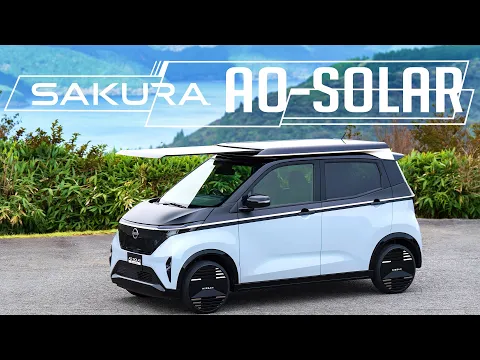

According to Shunsuke Shigemoto, director of Nissan, the technology was designed to offer more freedom to drivers and reduce anxiety related to range.
The automaker estimates that the use of solar energy can decrease the need for recharges at electric stations by 35% to 65%.
This data is noteworthy because it exposes a sensitive point in the energy transition: the charging infrastructure has not kept pace with the growth of the electric fleet.
By generating part of its own energy, the car reduces pressure on the grid and increases the feasibility of EVs in less prepared regions.
Solar Energy In Cars: Solution Or Exaggerated Promise?
Although still a concept, Nissan’s initiative reignites the debate about the role of solar energy in electric mobility.
For some, it is a real step towards energy independence. For others, the gains are still limited and insufficient to eliminate the recharge problem.
Still, the automaker’s move indicates a change in mindset: the electric car is no longer just an energy consumer and becomes, at least partially, a generator.
Do You Believe That Nissan’s Promise Can Lead More People To Invest In Electric Cars? What Is Lacking For This Model To Become Popular In Brazil?








-

-

2 pessoas reagiram a isso.