





 Portuguese
  English
  Spanish
  3 min of reading


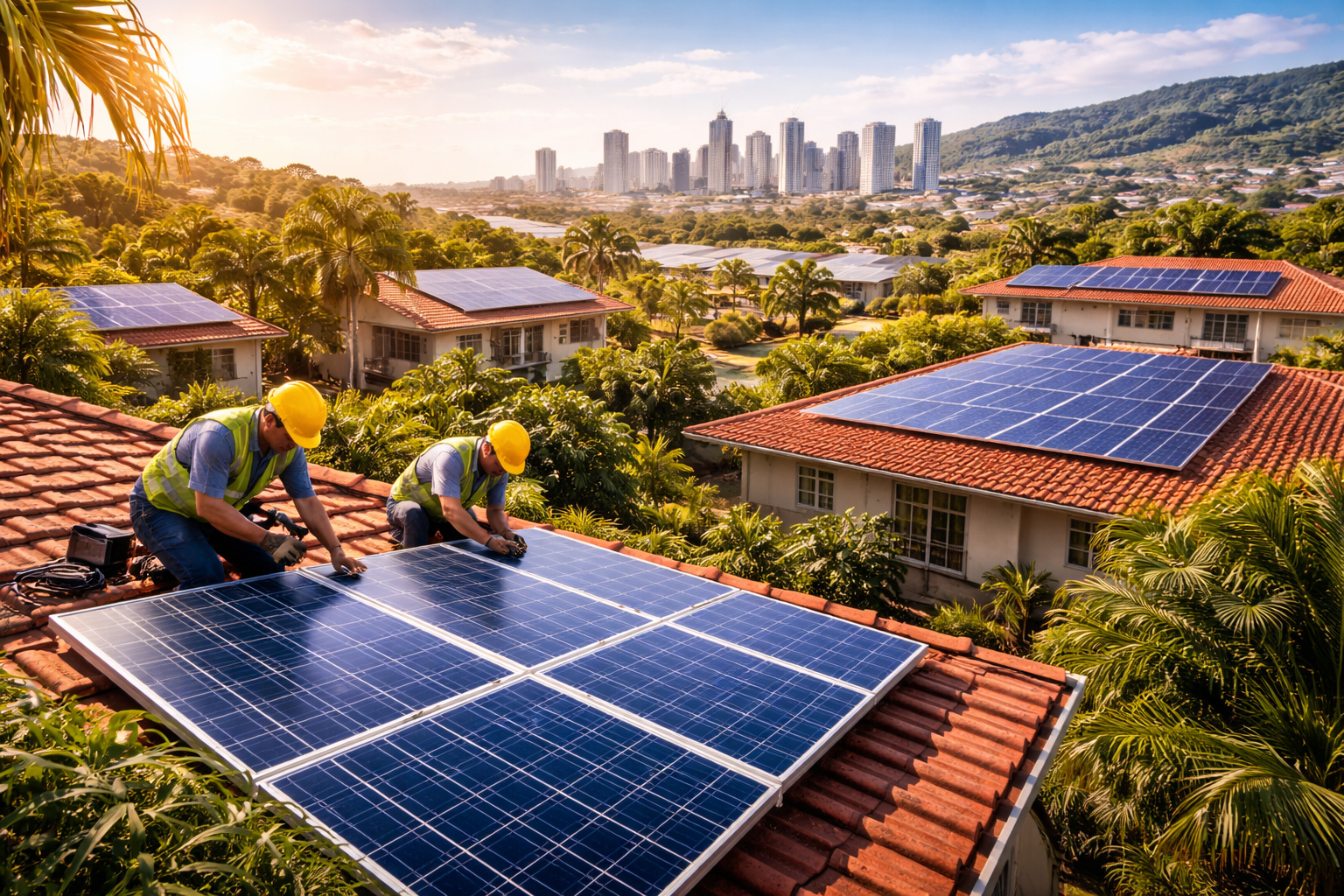
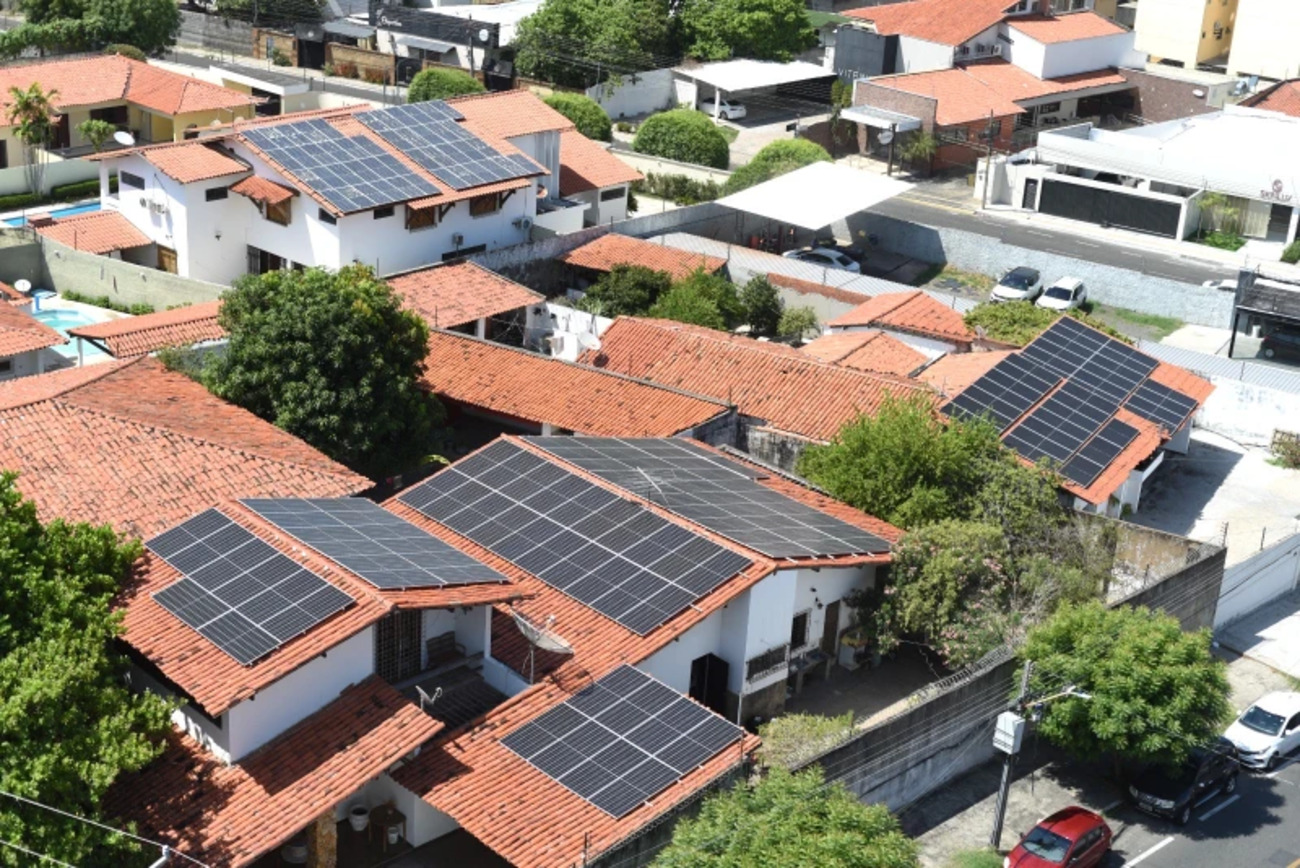
Solar energy in Brazil has significantly lower costs compared to the United States market, according to a recent study. In the country, residential systems cost between R$ 16 thousand and R$ 25 thousand, while in the United States, the same equipment can reach almost R$ 150 thousand. This remarkable difference makes the adoption of solar energy much more attractive for Brazilian consumers.
Moreover, the Brazilian landscape shows that photovoltaic energy has already established itself as an economically advantageous option for residences and small businesses. On the other hand, the high costs in the U.S. limit access for middle-income families to the technology.
Price Comparison Between Brazil and the United States
In Brazil, the decline in the prices of photovoltaic modules and the expansion of credit lines facilitated the installation of solar systems. As a result, many families can replace a significant portion of their electricity bill with self-generated energy.
-
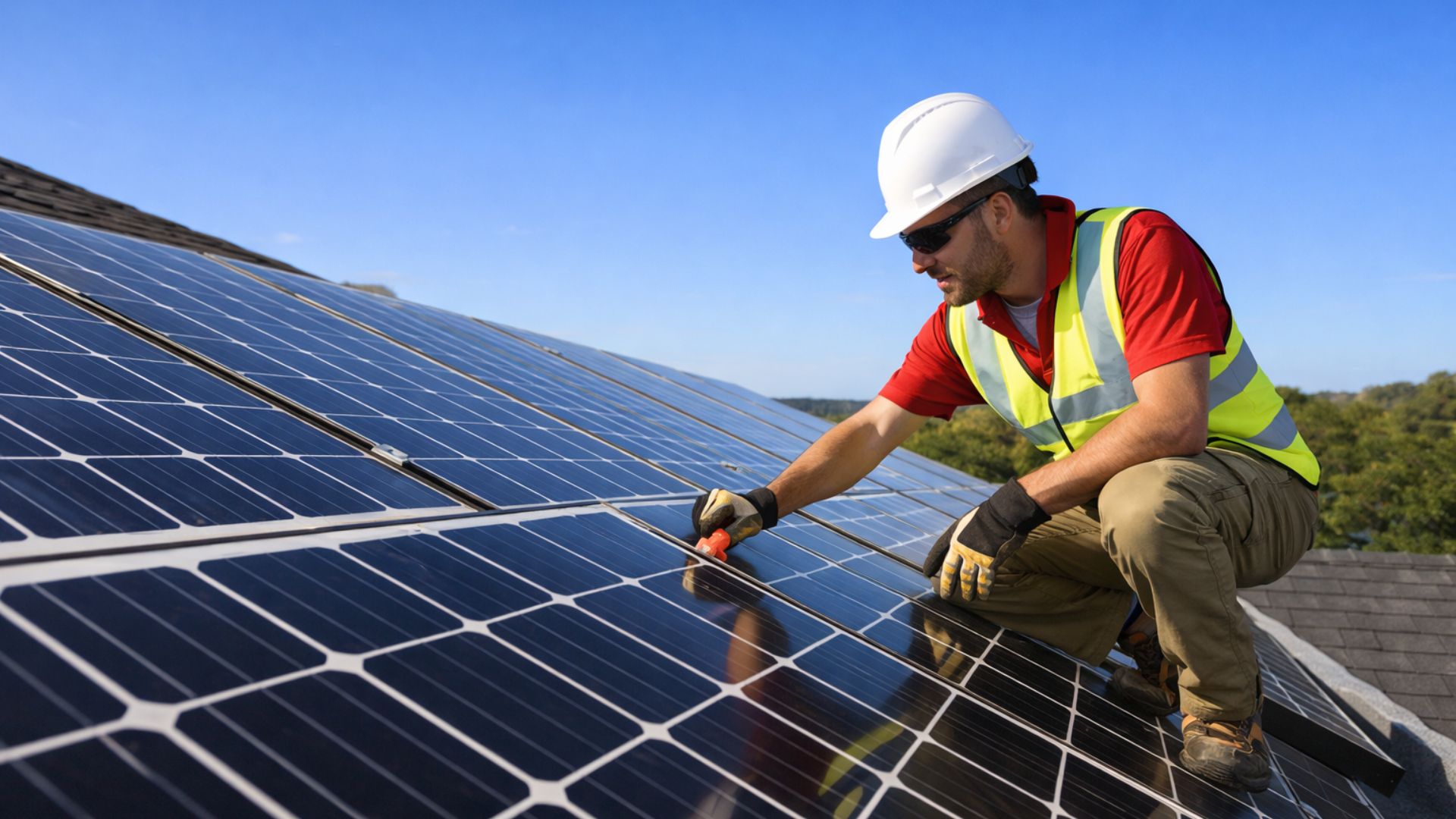
Seagri’s headquarters invests in solar energy with Neoenergia Coelba and promises to cut electricity costs, highlighting a strategic advance in sustainability and energy efficiency within state public administration.
-
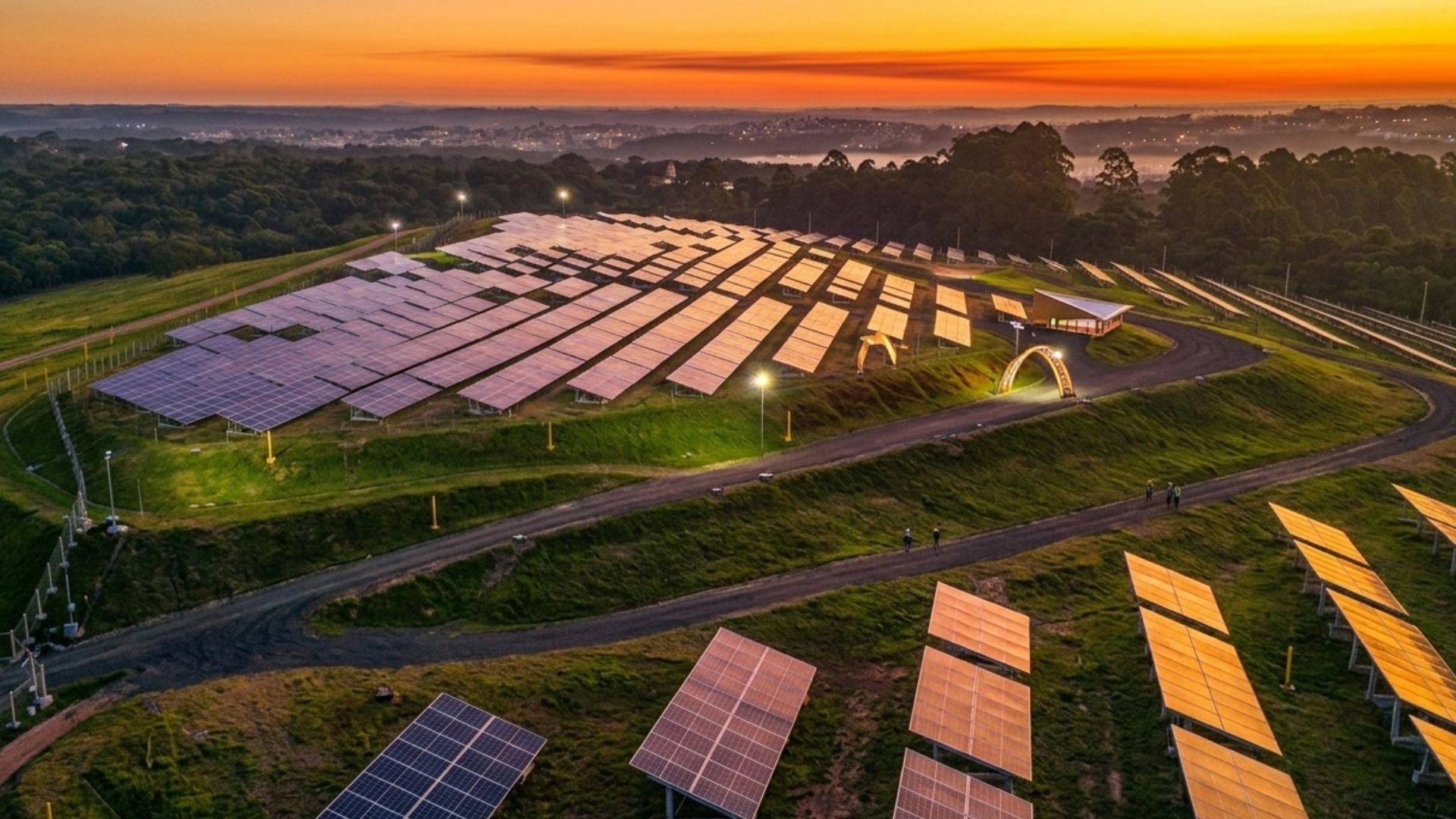
Solar Pyramid draws attention by converting solar energy into million-dollar savings and repositioning the City Hall of Curitiba as an example of innovation, sustainability, and intelligent use of public resources.
-
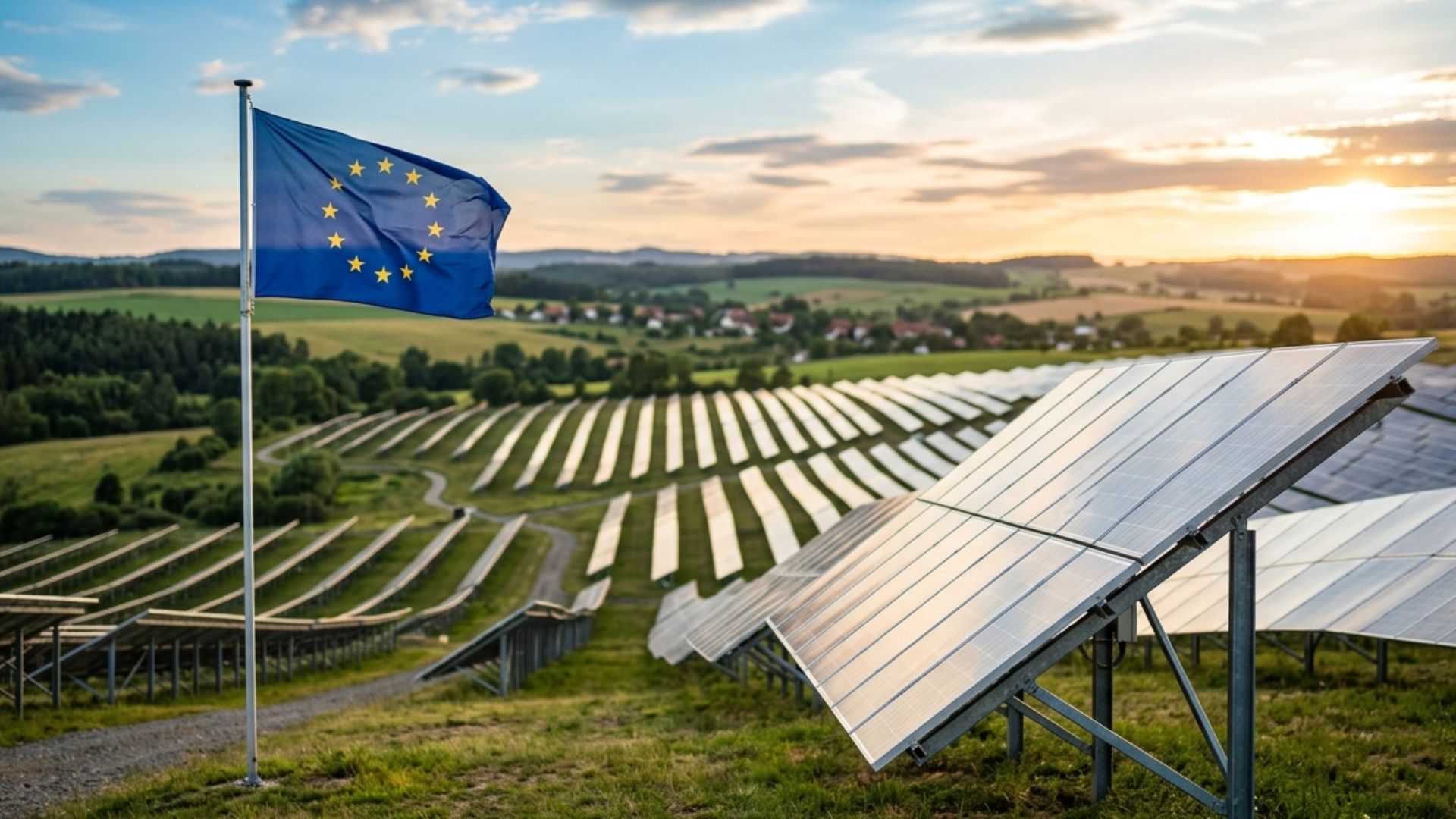
Europe records strong euro economy with solar energy in March and sparks curiosity about which country leads growth that redefines the energy market and reduces costs.
-
Piauí reaches a historic milestone in energy transition: State records nearly 160,000 households powered by solar energy and leads growth in the Northeast.

In contrast, in the United States, labor costs, certifications, and imports increase the final value of the systems. Thus, the required investment becomes much heavier for the American consumer.
Additionally, while in Brazil, incentive programs and special credit lines make access more democratic, in the American market, these advantages are not always available to everyone.
What Explains the Difference in Costs
One of the reasons for lower prices in Brazil is the rapid growth of the photovoltaic sector in recent years. Solar energy has been solidly expanding throughout the national territory, reducing costs through scale.
Furthermore, Brazil has a high incidence of sunlight for a large part of the year. This increases the efficiency of the systems and reduces the payback time of the investment.
Another important factor is the competition among suppliers in the domestic market. With many companies competing for contracts and sales, prices tend to be more competitive.
Benefits for Brazilian Consumers
With more affordable prices, solar energy has become an effective tool for reducing household expenses. Many consumers choose to install panels to protect themselves against future increases in their electricity bills.
In this context, solar energy not only helps save money but also contributes to a cleaner energy matrix. By generating electricity from the sun, Brazilian homes reduce dependence on sources that have a greater environmental impact.
Moreover, solar energy brings benefits to the electrical grid, as it reduces peak consumption and eases the burden on thermoelectric and hydropower plants.
Solar Energy and Sustainability
The low barrier to entry for solar energy in Brazil also boosts sustainability. With more systems installed, there is less need to resort to polluting energy sources, which helps reduce greenhouse gas emissions.
Additionally, entire communities are beginning to engage in clean energy production, promoting more responsible practices in the use and consumption of electricity.
Opportunities for the Future
With lower costs, experts believe that solar energy in Brazil will continue to grow robustly. New financing models and public policies could further encourage consumers.
Moreover, as technology becomes more accessible, competition among manufacturers and installers increases, which could further reduce prices.
At the same time, the study that revealed this cost difference reinforces Brazil’s advantage in this sector. Solar energy in Brazil has the potential to become even more popular, attracting investments and strengthening the local economy.
Sources and Current Context
The comparative study shows that currently, the prices of residential solar energy systems range between R$ 16 thousand and R$ 25 thousand in Brazil, depending on the size and installed capacity.
In contrast, in the United States market, the average cost of the same systems can reach almost R$ 150 thousand, reflecting differences in production chains, burdens, and credit conditions.
Thus, solar energy today presents itself as a more accessible and sustainable alternative in Brazil, paving the way for an even broader adoption in the coming years.








-

Uma pessoa reagiu a isso.