





 Portuguese
  English
  Spanish
  4 min of reading
  0 comments


Neoenergia Starts Construction of Largest Solar Power Plant in Fernando de Noronha, with More Than 30 Thousand Panels and Advanced Battery Systems. R$ 350 Million Project Promises to Completely Decarbonize the Archipelago by 2027.
The expansion of solar energy in Brazil takes a new chapter with the start of construction of the largest photovoltaic plant installed in Fernando de Noronha. Neoenergia, a subsidiary of the Spanish company Iberdrola, officially announced the project that aims to transform the archipelago’s energy matrix by 2027, marking a historic advancement by replacing a fossil fuel-based model with a completely renewable system. As a result, the island is on track to become the first in Latin America to operate with a 100% green matrix.
Neoenergia Starts Largest Solar Energy Project in the History of the Archipelago
Right at the announcement of the works, held at Fort Nossa Senhora dos Remédios, Neoenergia highlighted the ambition of the venture. There will be more than 30 thousand solar panels integrated with advanced storage systems, capable of providing clean energy to the approximately 3,100 local residents. The plant, named Noronha Verde, will occupy 24.63 hectares and will have 22 MWp of generation and 49 MWh of storage, a number sufficient to supply the equivalent of 9,000 households on the mainland.
Ignacio Galán, president of Iberdrola, reinforced the global impact of the initiative by stating:
“Today we are building something new for humanity in the sense that a more sustainable world is possible, with cleaner, more efficient, and more competitive energy.”
-
Argentina debuts its first 100% solar-powered highway and transforms an entire road into a showcase of clean energy.

-
Minas Gerais reaches a historic record and surpasses the power of Itaipu, but network costs generate debate: Understand why solar energy in MG impacts the electricity bill of those without panels.
-
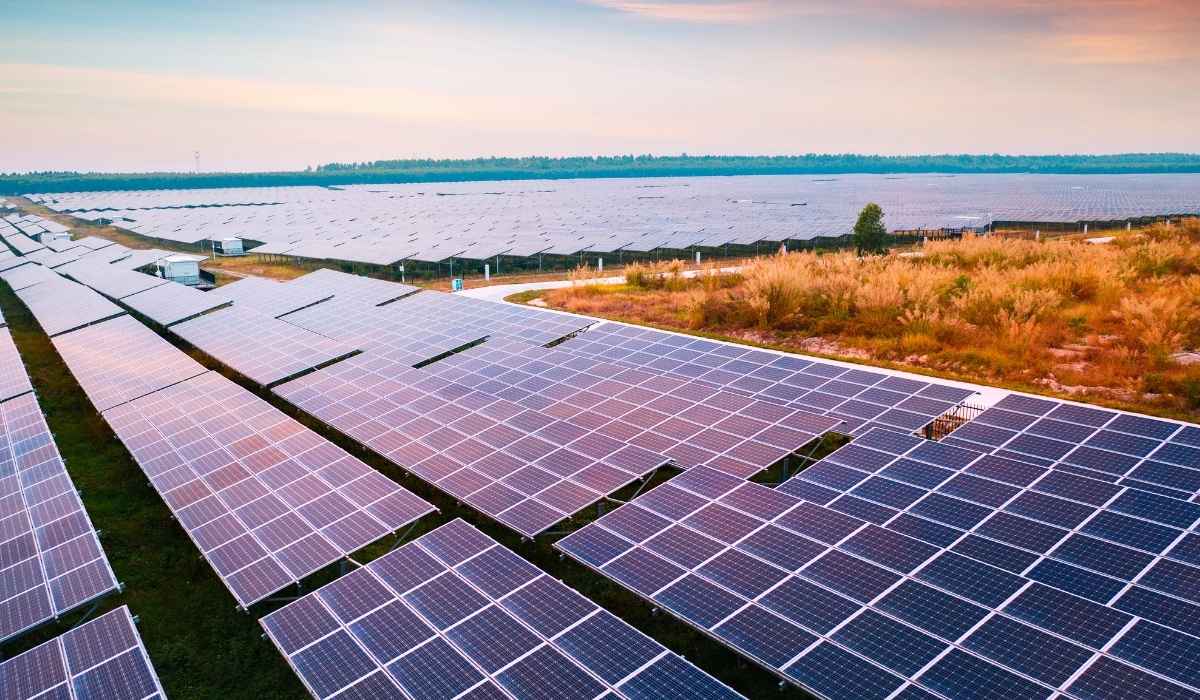
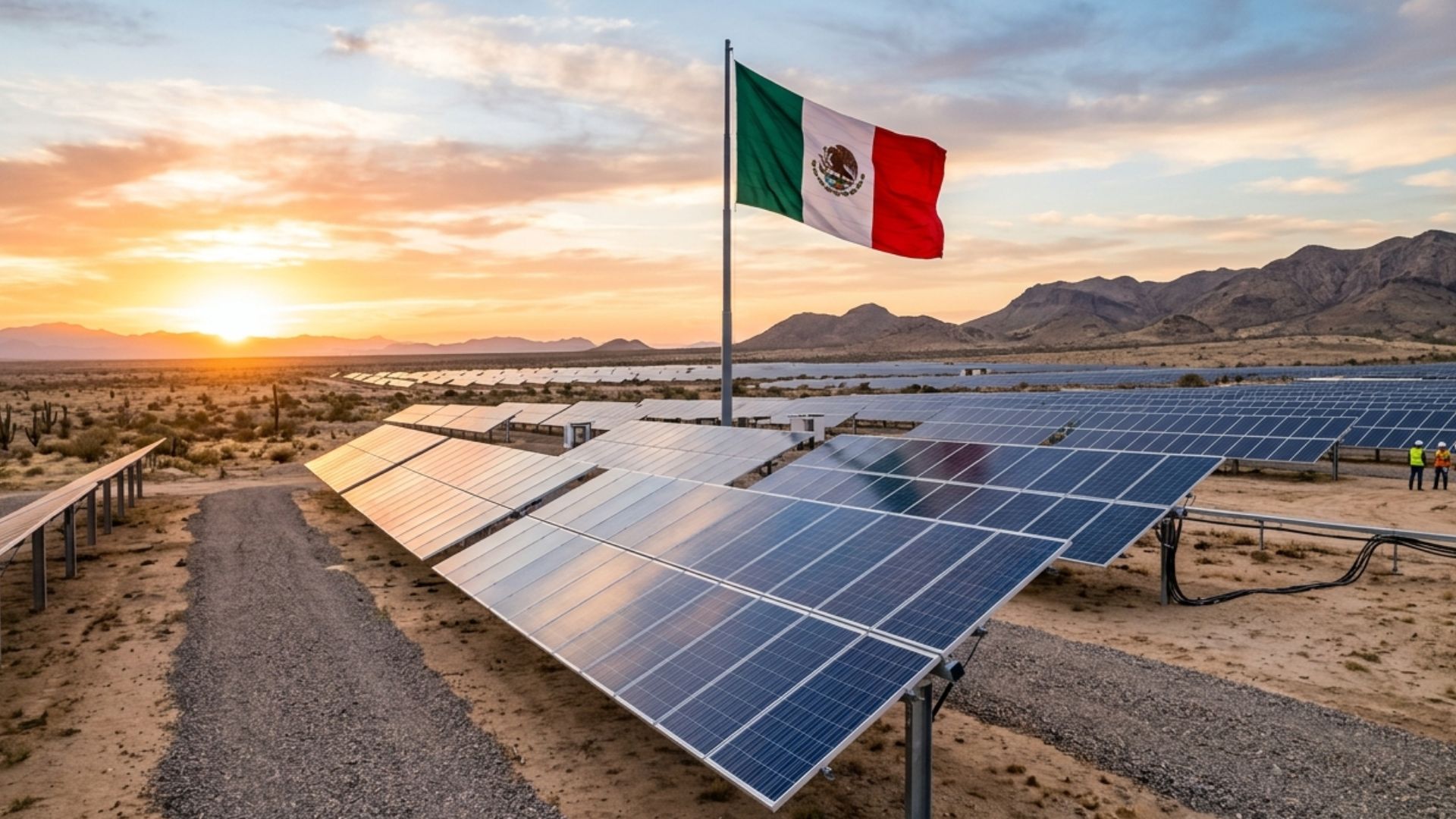
Mexico surprises the world by building the future largest solar plant in Latin America, advancing with planned expansion to over 1 GW, and boosting solar energy in the country.
-
Solar cells have just achieved the “impossible” with this 130% breakthrough.

The planned investment is R$ 350 million, and the first phase – representing 16% of the total capacity – will be delivered in the first half of 2026. Full operation is expected in 2027.
Solar Energy as an Alternative to the Pollution from the Tubarão Plant
Although Noronha is a world ecological heritage site, its main source of electricity is still the Tubarão Plant, powered by diesel. Approximately 27 thousand liters per day are burned, generating around 21 thousand tons of CO₂ per year. This contrast between environmental preservation and a polluting energy matrix has always been a challenge for the archipelago.
With the entry of the new solar power plant, Tubarão will be maintained only as a backup, activated in emergency situations. The change not only drastically reduces carbon emissions but also repositions Noronha as an international showcase for sustainability. As Galán highlighted, a 100% renewable matrix is consistent with its status as an environmental reserve and with Unesco criteria.
Economic and Social Impact: Solar Energy Reduces Costs and Improves Quality of Life
In addition to the environmental impact, the project also represents a significant change in the operational costs of the island. Neoenergia’s CEO, Eduardo Capelastegui, pointed out that the new system will be cheaper than the current diesel-powered model. According to him, the benefits will extend to the entire national electrical system while elevating the quality of life for local residents.
From 2020 to 2025, Neoenergia invested R$ 92.5 million in actions aimed at the sustainable development of Noronha, reinforcing the strategy to make the archipelago a global reference in energy innovation.
Strategic Bet: Solar Energy as the Ideal Solution for the Island’s Reality
Although other renewable sources were evaluated, it was solar energy that demonstrated the best performance for the conditions in Noronha. A study commissioned to the Massachusetts Institute of Technology (MIT) pointed to solar as the most efficient and least environmentally impactful source for the territory.
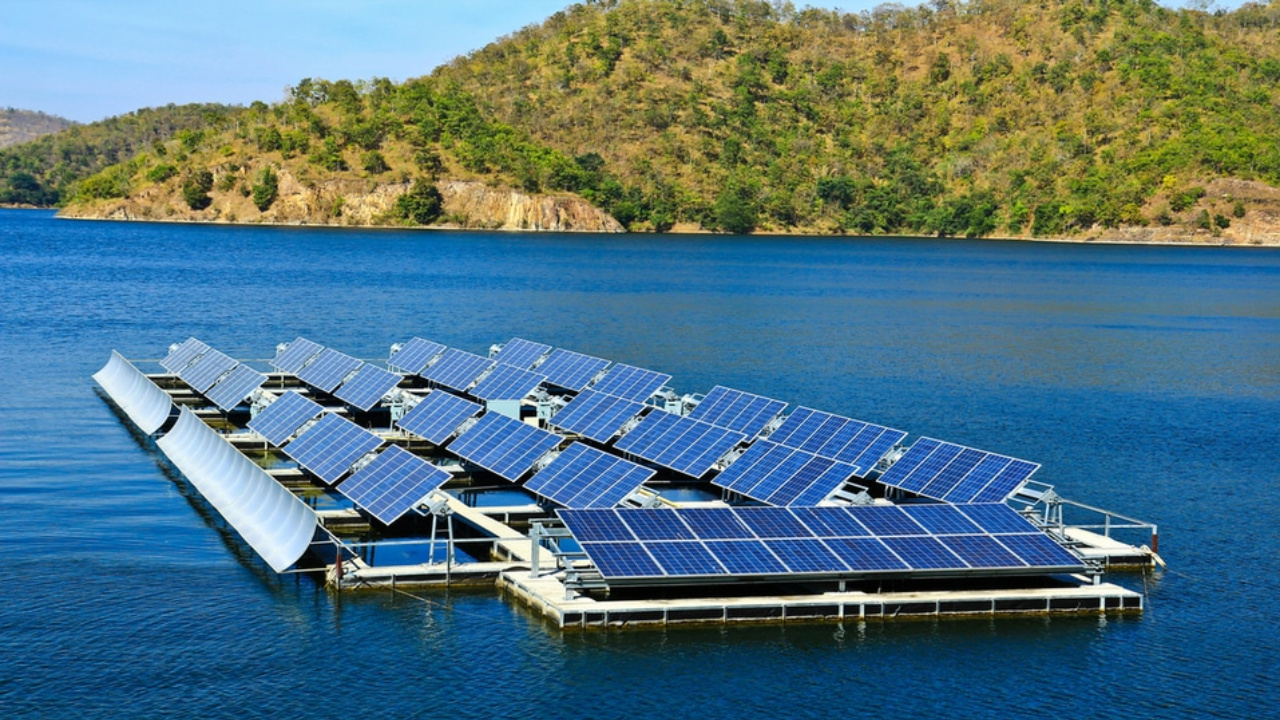
As part of this strategy, during the ceremony, Neoenergia delivered the first floating solar plant of the archipelago. Installed at the Açude do Xaréu and operational since September, it avoids the emission of 717 tons of CO₂ per year. The investment was R$ 10 million.
Currently, Noronha already has five solar plants built by the company, responsible for 5% of the local energy demand. However, with the new project, this scenario is expected to change profoundly.
Expanded Sustainability with Innovation and Green Mobility Programs
Alongside the construction of the new plant, Neoenergia is developing initiatives within the Mais por Noronha Program, which seeks to promote sustainable transition through clean technologies, electric mobility, and actions that reinforce the prominence of solar energy in the archipelago.
Capelastegui summarizes the group’s vision by stating that there is “an entire comprehensive program for the island to become a global reference.” And given the announced investments – including the R$ 40 billion that Iberdrola plans to invest in Brazil between 2025 and 2029 – Noronha solidifies its position as a showcase for this new energy cycle.








Seja o primeiro a reagir!