





 Portuguese
  English
  Spanish
 5 min of reading
  0 comments


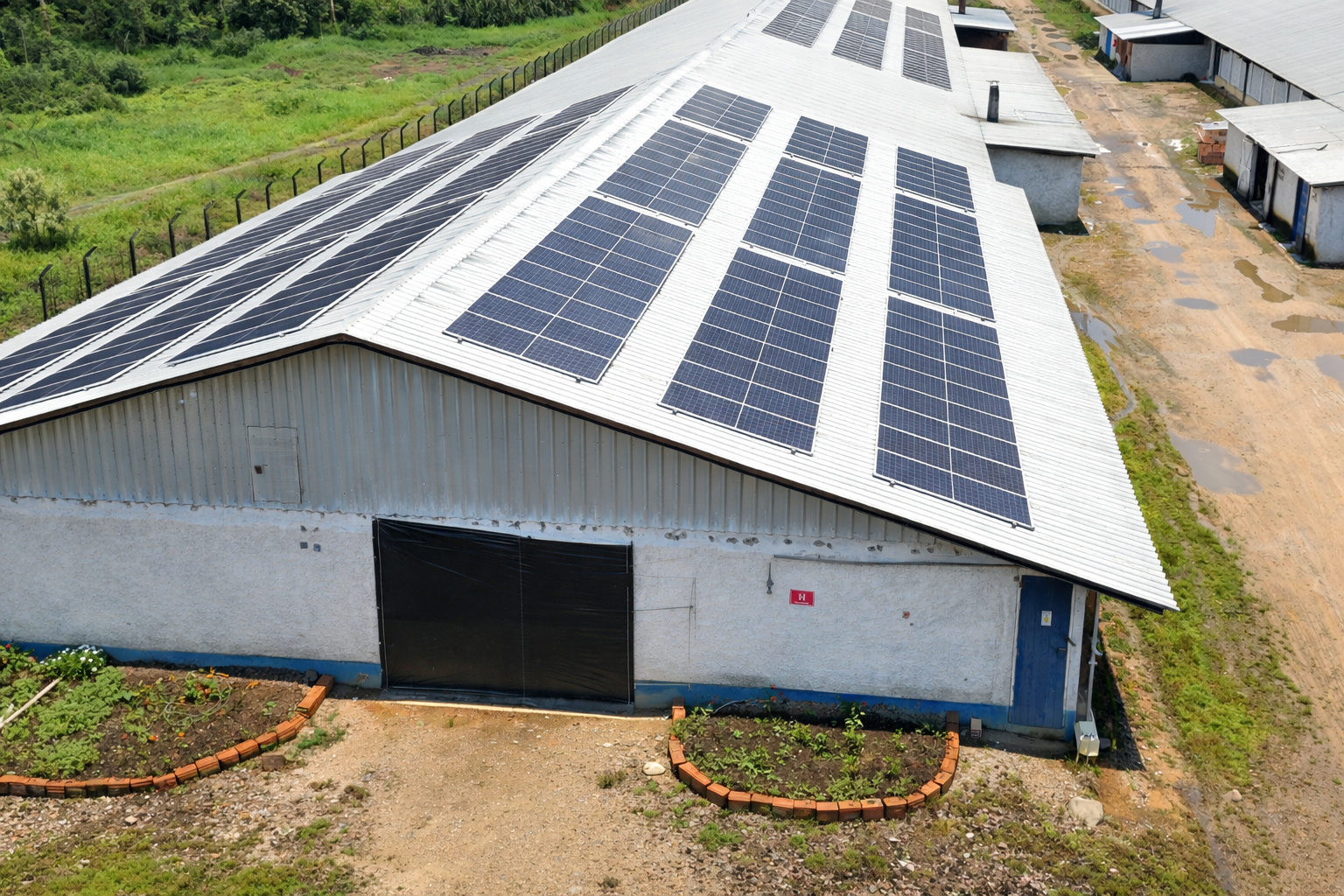
Understand How Solar Energy in Farms Boosts Sustainable Production in Paraná, Reduces Costs in the Field and Strengthens an Agricultural Model Efficient, Clean and Competitive in the Long Term.
Solar energy in farms is currently consolidating as one of the most relevant solutions for Brazilian agribusiness by combining productive efficiency, competitiveness, and environmental sustainability.
Over the last few decades, particularly with technological advancements, the countryside has undergone profound transformations. In this process, mechanization and automation gained prominence. Consequently, the use of technologies aimed at cost reduction and increased productivity has become essential.
Thus, renewable sources have taken on a central role. They emerge as a direct response to economic and environmental challenges faced by rural producers.
-
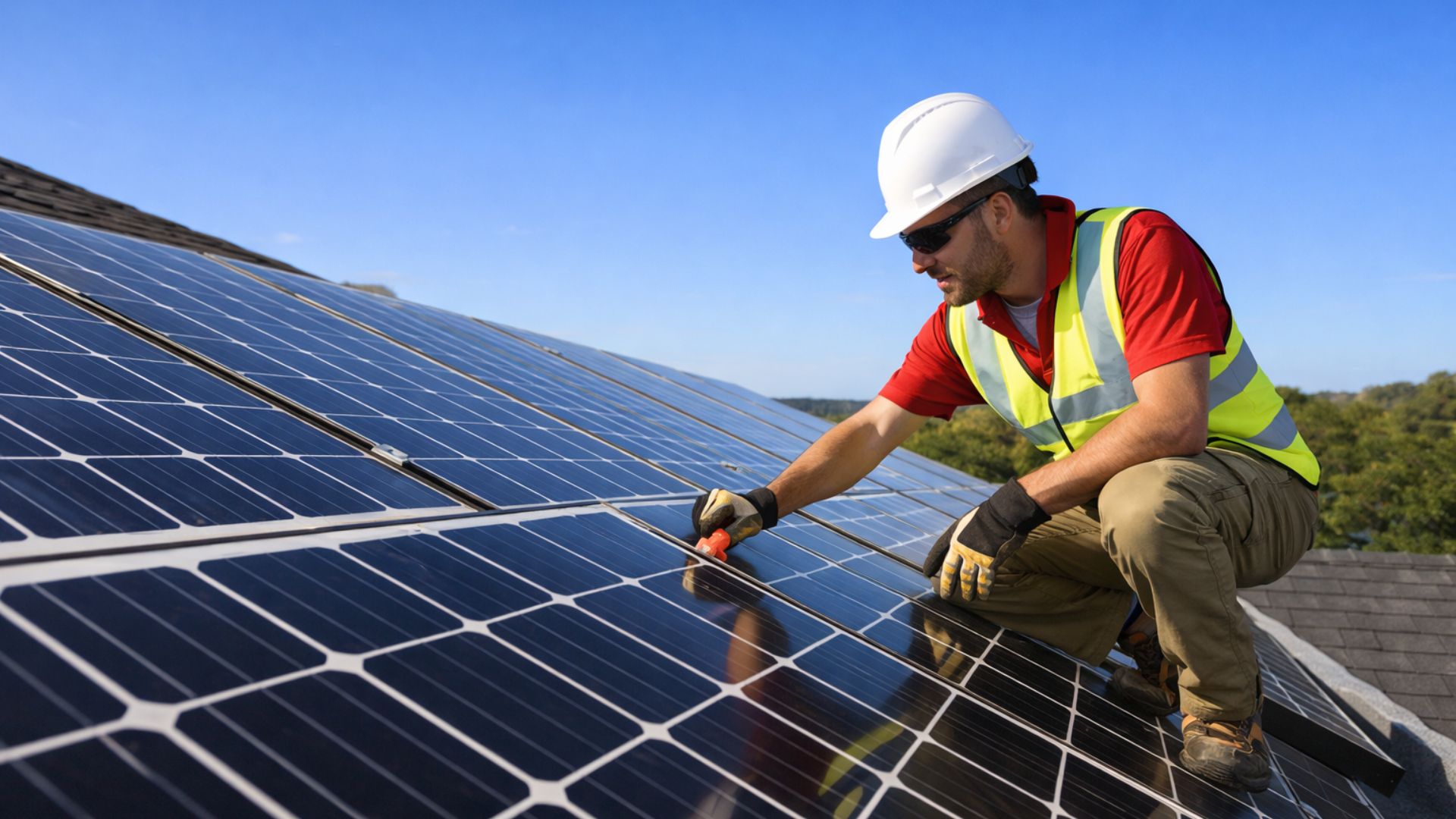
Seagri’s headquarters invests in solar energy with Neoenergia Coelba and promises to cut electricity costs, highlighting a strategic advance in sustainability and energy efficiency within state public administration.
-
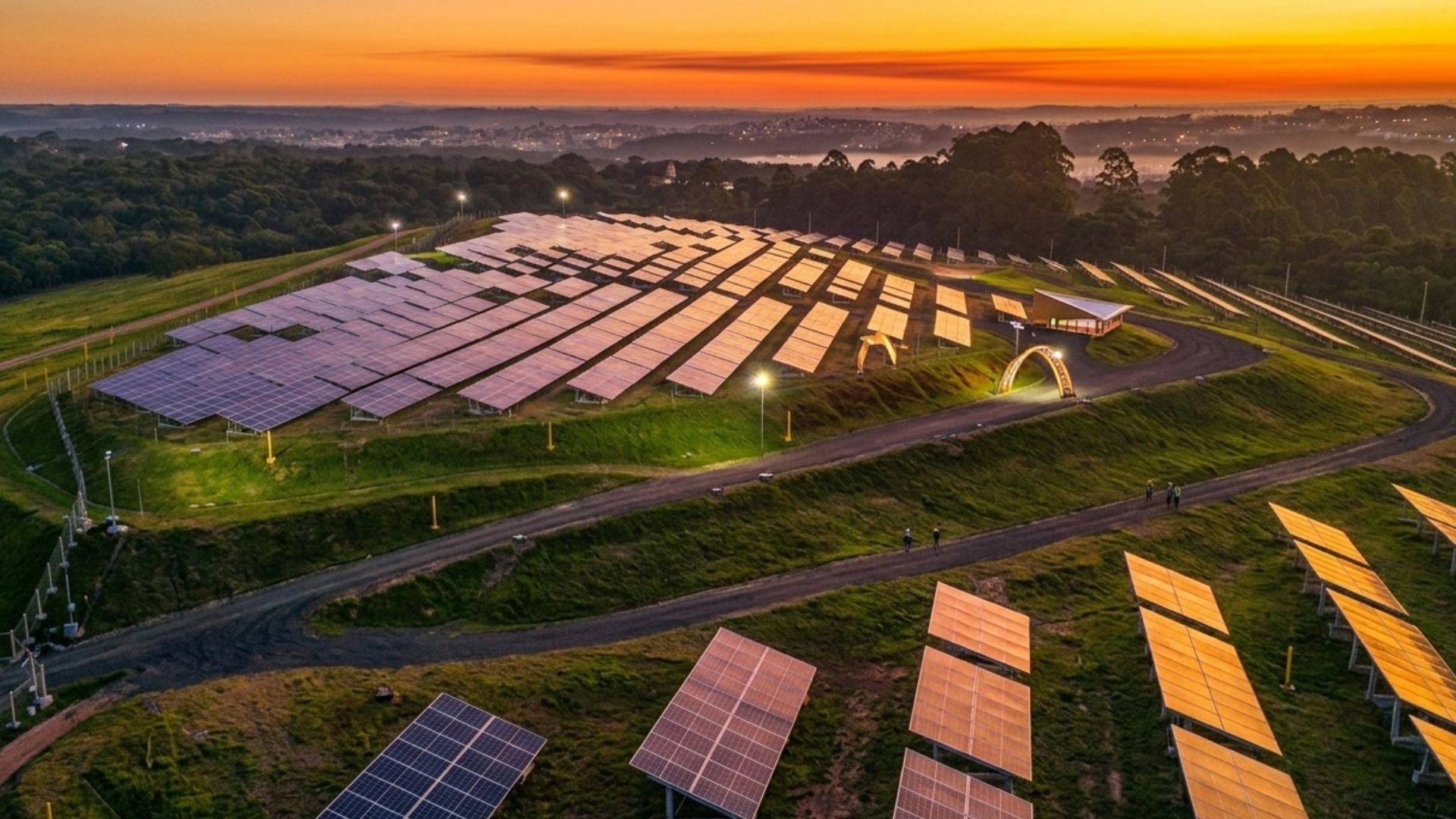
Solar Pyramid draws attention by converting solar energy into million-dollar savings and repositioning the City Hall of Curitiba as an example of innovation, sustainability, and intelligent use of public resources.
-
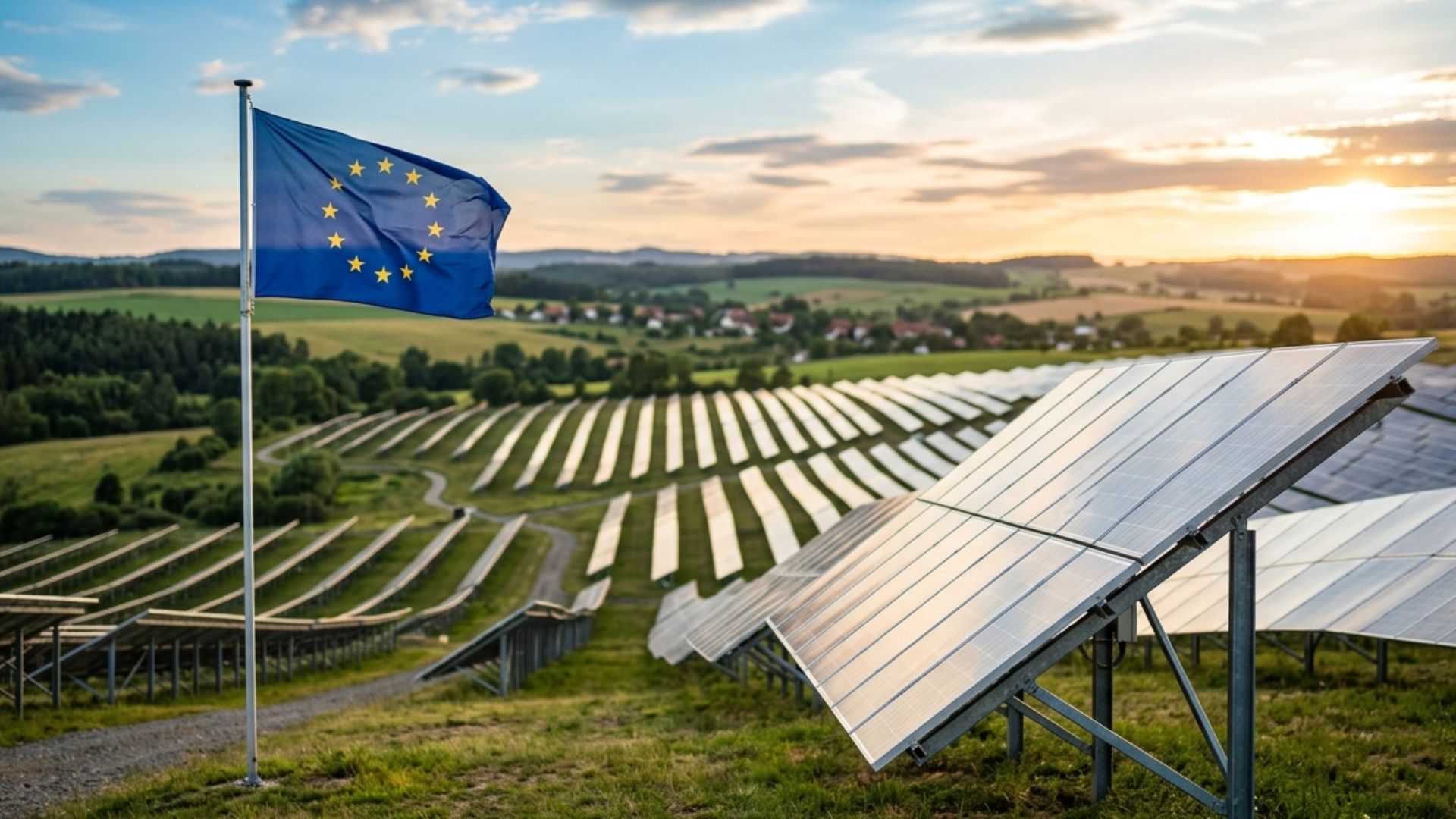
Europe records strong euro economy with solar energy in March and sparks curiosity about which country leads growth that redefines the energy market and reduces costs.
-
Piauí reaches a historic milestone in energy transition: State records nearly 160,000 households powered by solar energy and leads growth in the Northeast.
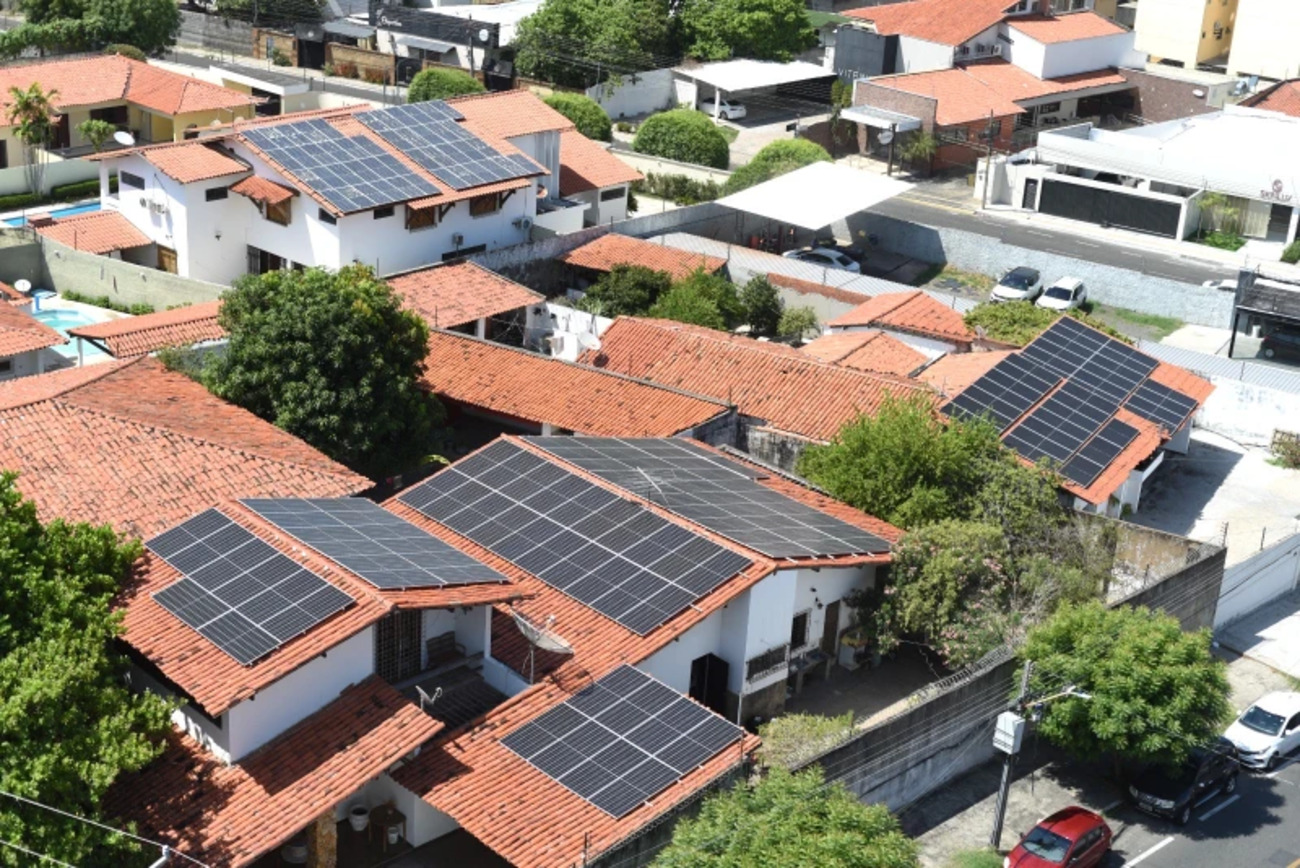

Historically, agricultural production in Brazil has always relied heavily on electricity to keep essential systems operational.
In the specific case of poultry and pig farms, strict control of temperature, ventilation, lighting, and feeding has increased the share of energy costs in operation.
For many years, therefore, the exclusive dependence on utilities limited the predictability of expenses. At the same time, it exposed producers to tariff fluctuations.
However, with the popularization of photovoltaic energy, this reality has changed significantly.
Gradually, fluctuations in supply and recurring tariff increases have lost relevance in the financial planning of properties.
In this way, self-generation of energy has opened the door to a new model of energy management in the countryside. This model offers more autonomy, predictability, and operational stability.
The Evolution of Solar Energy in the Brazilian Rural Environment
The adoption of solar energy in farms gained momentum, especially in the last decade.
This occurred due to a significant decrease in equipment prices. At the same time, incentive policies for renewable sources advanced.
In addition, specific credit lines and greater dissemination of technical knowledge directly contributed to expanding producers’ access to technology.
In this context, Paraná has assumed a leadership position in the energy transition of properties integrated with Seara, a brand of JBS.
The state has favorable climatic conditions, technically prepared producers, and strong integration between industry and agriculture.
Thus, these factors explain the significant advancement of solar energy in the rural environment. They also consolidate Paraná as a national reference in sustainable agricultural production.
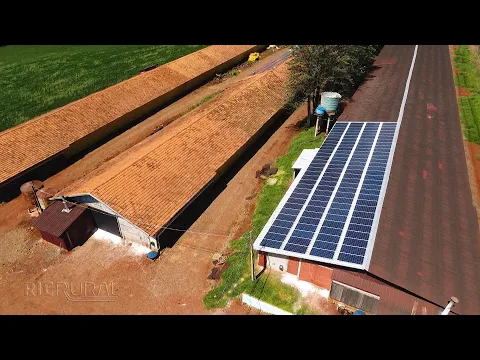
Currently, most of the farms integrated with Seara in Paraná operate with photovoltaic systems. In this model, producers install solar panels on the roofs of aviaries and barns.
Consequently, they convert solar radiation into clean electric energy. This energy directly meets the daily activities of the properties. As a result, there is an increase in operational efficiency.
Energy Autonomy and Operational Gains in Farms
This model reduces dependency on the conventional grid. At the same time, it ensures greater operational stability.
In continuous production systems, such as poultry and pig farming, energy reliability upholds high standards of animal welfare and productivity.
Thus, energy ceases to be a risk factor. It becomes an ally of productive efficiency.
Historically, solar energy represents a natural evolution of modernization in the countryside.
If, in the past, rural electrification marked the development of properties, today self-generation symbolizes a new level of autonomy.
Moreover, it enhances efficiency and cost control. Solar energy in farms allows producers to stop merely consuming energy.
Thus, they also start to generate it. As a result, this change strengthens long-term planning.
Additionally, it reduces financial risks and increases investment capacity. Consequently, it brings greater predictability to rural activity management.
Economic Impacts and Productivity Increase
Besides energy gains, the adoption of solar energy impacts productivity directly.
This occurs because automated systems for climatization, feed distribution, environmental control, and lighting require continuous and stable electric supply.
Thus, solar energy sustains the full functioning of these technologies.
With photovoltaic generation, consequently, producers access these solutions with greater ease and efficiency.
As a result, farms improve breeding conditions.
Furthermore, they achieve greater uniformity of lots.
Finally, they deliver products with higher quality standards.
These results meet sanitary requirements and the expectations of the consumer market.
From an economic point of view, the impact is also notable. The reduction in electricity bills relieves the farms’ budgets.
This becomes even more relevant in a sector characterized by tight margins and high production costs.
In many cases, moreover, savings on electricity transform into a competitive advantage. Over time, the investment in solar energy tends to pay off.
Thus, producers direct the saved resources to structural improvements. They also invest in workforce training and technological innovation.
Additionally, they promote the expansion of activities. In this way, they strengthen the financial sustainability of the properties.
Environmental Sustainability and Integration with Other Technologies
The experience of Paraná producers demonstrates that solar energy in farms has ceased to be merely a trend.
Today, it presents itself as a consolidated solution. Many properties achieve energy self-sufficiency.
Thus, they drastically reduce electricity expenses. At the same time, they increase their resilience against crises in the electric sector.
This differential gains even more importance in periods of instability or increases in tariffs. In this way, the predictability of energy costs ensures greater security for agricultural production planning.
Moreover, it contributes to the continuity of activities in the field. Environmental sustainability, in turn, supports this advancement.
The generation of clean energy reduces greenhouse gas emissions. Consequently, it reinforces the commitment of agribusiness to responsible practices.
These practices align with societal demands and sustainability criteria.
In the case of Seara, the expansion of solar energy in integrated farms is part of a wider sustainability strategy.
Thus, the company integrates productive efficiency, environmental responsibility, and social development. This action occurs in regions where the company operates.
Additionally, in many properties, producers complement solar energy with other renewable solutions.
Among them, biodigesters in pig farming stand out. These systems transform animal waste into biogas and biofertilizer.
As a result, they broaden energy autonomy. In addition, they improve the utilization of waste generated in production.
A Sustainable and Timeless Model for Agribusiness
In Paraná, the combination of these technologies reinforces the state’s protagonism in sustainable production.
The culture of innovation in the countryside, combined with the joint action of producers, cooperatives, and industry, creates a favorable environment. This environment encourages the adoption of clean and efficient solutions.
Solar energy in farms, in this sense, integrates a productive model that values rational use of natural resources.
At the same time, it does not forego scale, competitiveness, and food quality. Thus, this balance ensures the permanence of Brazilian agribusiness.
Over time, this model enhances rural activity. Modern, efficient, and sustainable farms become more attractive to new generations.
These generations increasingly seek opportunities aligned with technology, innovation, and environmental responsibility.
From a strategic point of view, finally, the adoption of solar energy strengthens the entire production chain. The reduction of costs, operational stability, and improvement of institutional image benefit producers, industry, and consumers.
Finally, the highlight of Paraná in adopting solar energy in farms integrated with Seara reflects a broad movement of transformation in Brazilian agribusiness.









-

Uma pessoa reagiu a isso.