





 Portuguese
  English
  Spanish
  5 min of reading
  0 comments


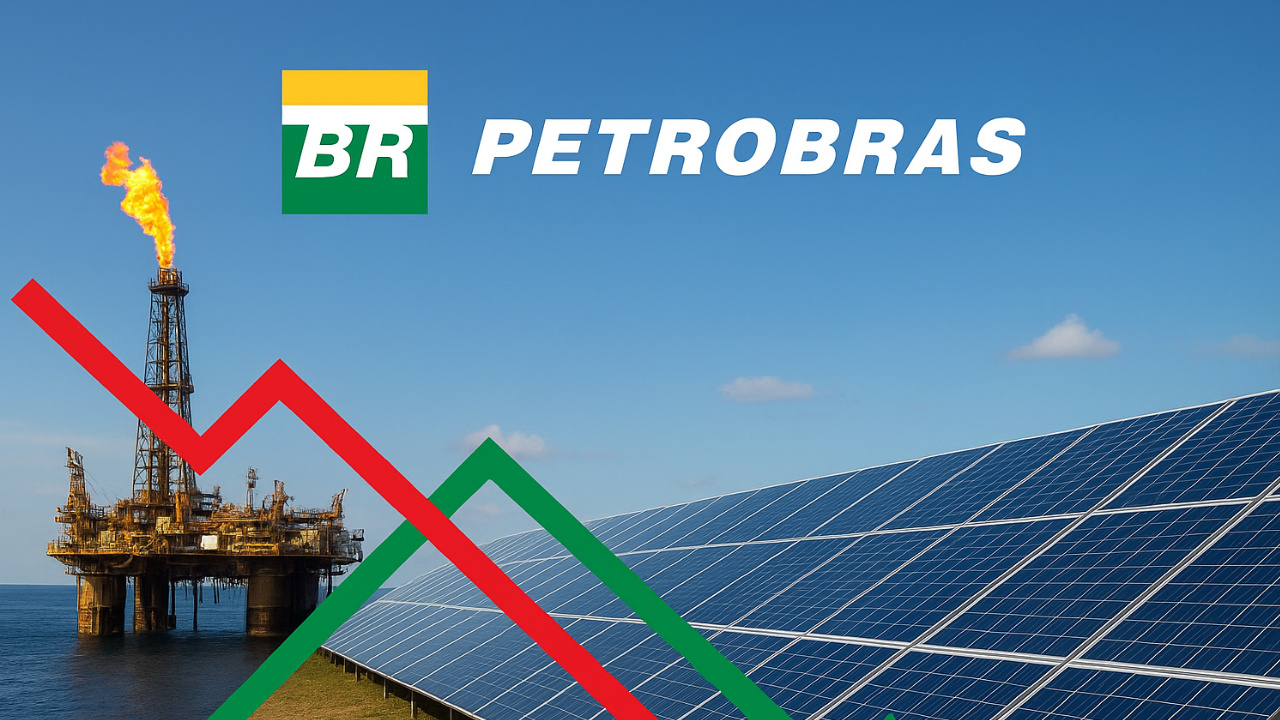
Petrobras Cuts 60% The Budget For Solar And Onshore Wind Energy In The 2026-2030 Strategic Plan While Prioritizing Oil, Gas, And Biofuels In The Next Five Years.
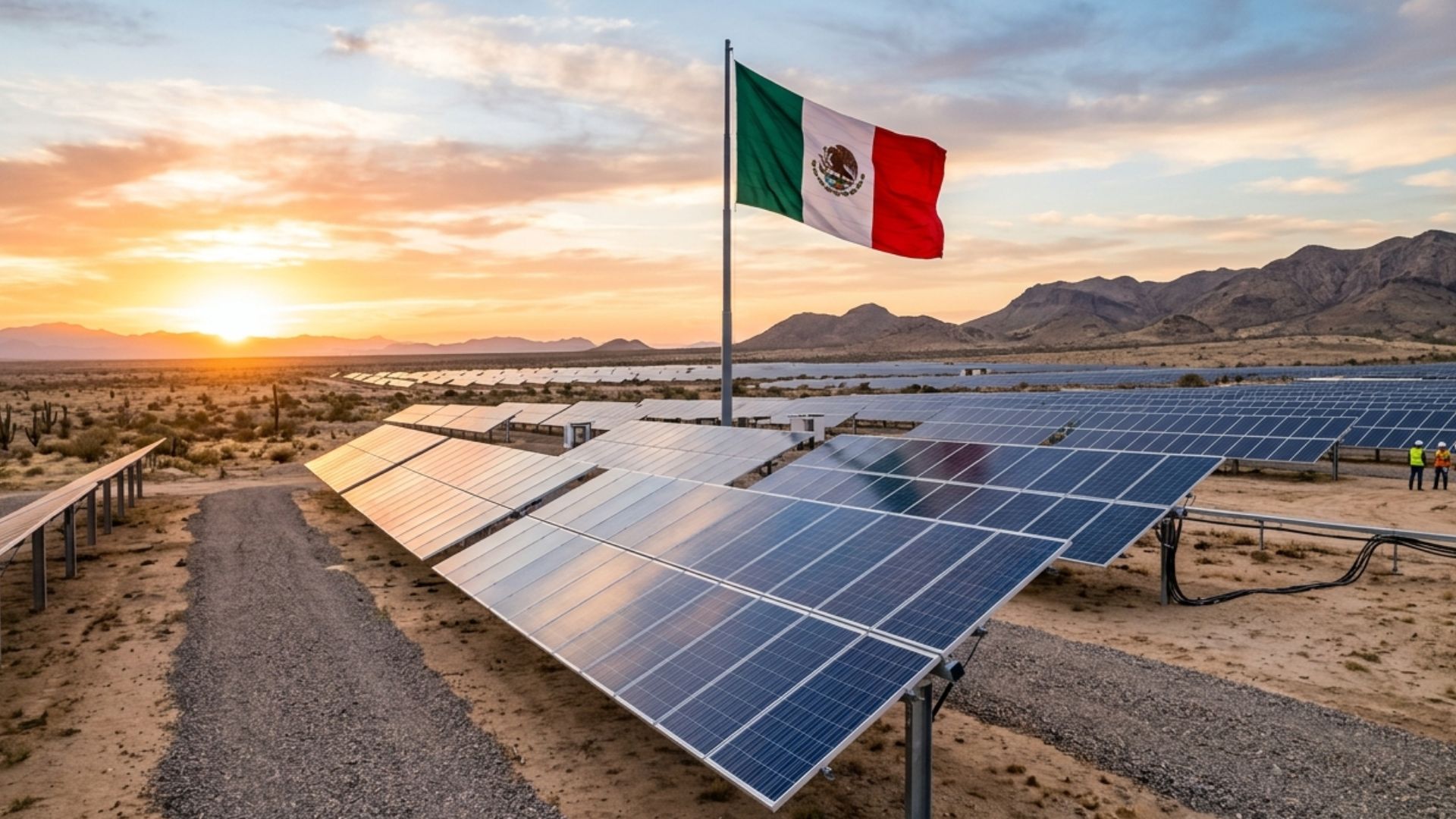
Solar energy has taken a secondary position in the new investment cycle of Petrobras. In the 2026-2030 Strategic Plan, released this Wednesday, November 27, the state-owned company significantly reduced the resources allocated to renewable generation, especially to solar and onshore wind projects.
The decision comes amid falling oil prices, which have directly impacted the company’s financial priorities review.
According to the document, the decrease in barrel value contributed to a 1.8% cut in the total volume of investments projected by the company over the next five years. As a direct reflection, Petrobras’ ambitions in the solar and onshore wind energy segment have been revised downward.
-
Europe records strong euro economy with solar energy in March and sparks curiosity about which country leads growth that redefines the energy market and reduces costs.
-
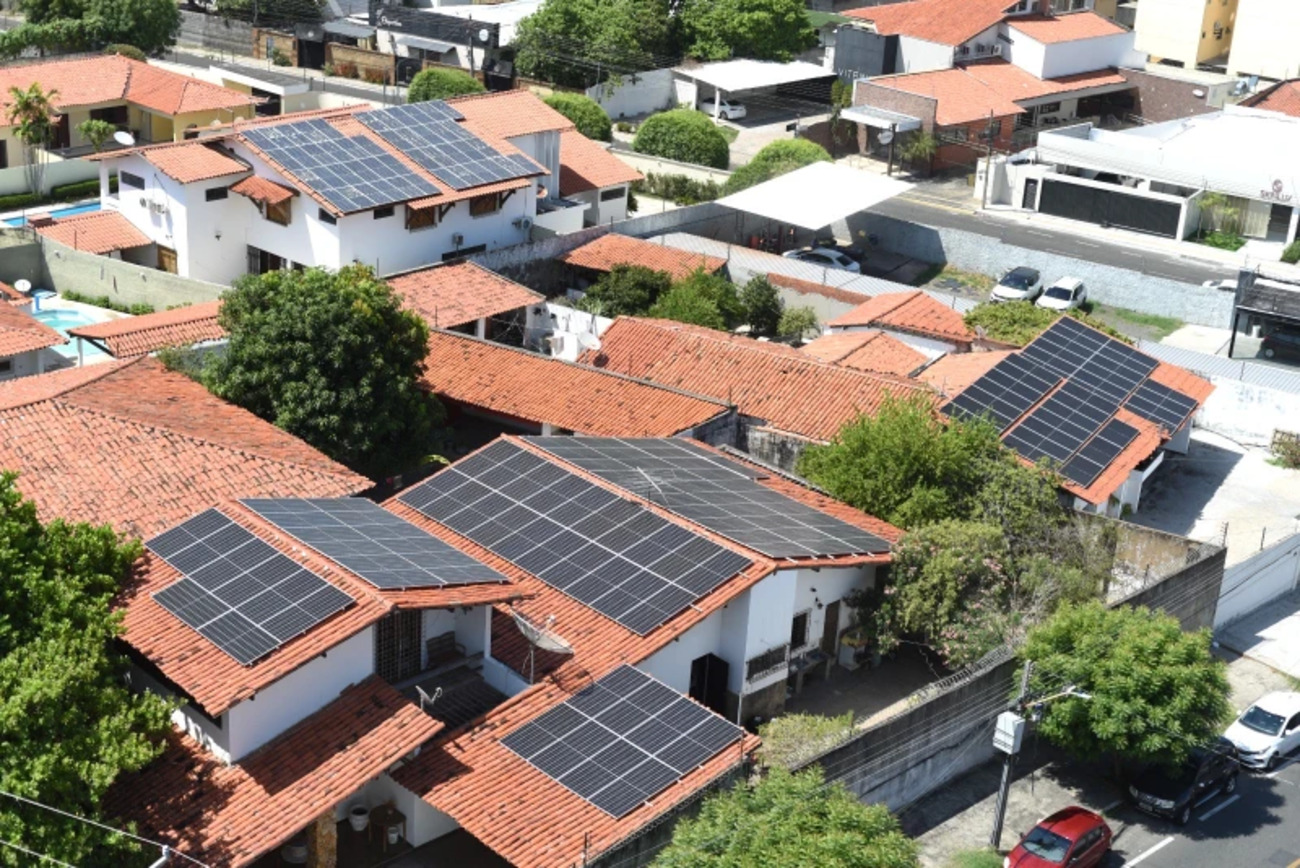
Piauí reaches a historic milestone in energy transition: State records nearly 160,000 households powered by solar energy and leads growth in the Northeast.
-
Argentina debuts its first 100% solar-powered highway and transforms an entire road into a showcase of clean energy.

-
Minas Gerais reaches a historic record and surpasses the power of Itaipu, but network costs generate debate: Understand why solar energy in MG impacts the electricity bill of those without panels.

60% Cut Redefines The Space Of Renewables In The 2026-2030 Plan
In the new planning, the allocation for renewable sources lost US$ 2.6 billion compared to the previous Strategic Plan. This amount represents a retraction of approximately 60% in the budget originally projected for solar and onshore wind energy.
As a result, Petrobras now forecasts total investments of US$ 6.4 billion in the Gas, Energy, And Low Carbon area. This amount encompasses various fronts but makes it clear that renewable electric generation is no longer an immediate priority within the corporate strategy.
Considering all areas of activity, the company plans to invest US$ 109 billion by 2030. Of this total, the largest share remains concentrated in the traditional business segments.
Biofuels Gain Protagonism In The Low Carbon Portfolio
While reducing its direct investment in solar energy, Petrobras signals a shift in focus within the energy transition. The company stated that it intends to prioritize biofuels, such as ethanol, biodiesel, biogas, diesel R, SAF, and biobunker.
According to the company, this strategy is “in line with regulatory advancement and the market, leveraging synergies with the company’s operations.” In practice, this means directing resources to areas that are more directly aligned with Petrobras’ existing infrastructure and present greater predictability of return.
Installed Capacity Targets For Solar Energy Are Revised Downward
One of the most evident changes in the new Strategic Plan is in the installed capacity targets. Petrobras’ ambitions in onshore wind and solar energy have dropped from 4.5 gigawatts (GW) by 2030 to only 1.7 GW in the same time frame.
In the state-owned company’s assessment, the demand for renewable electric generation is expected to accelerate only after 2030. Until then, the company states it will continue to seek partnerships for solar and onshore wind projects, both for commercial opportunities and for self-generation initiatives.
These projects may be implemented through joint ventures or proprietary structures aimed at decarbonizing operations.
Solar Energy Has Not Yet Taken Off Despite New Directorate
Even with the creation of the Energy Transition and Sustainability Directorate in 2023, Petrobras has not yet announced concrete solar or onshore wind generation projects. This directorate is also responsible for natural gas operations, reinforcing the centrality of this segment in the current planning.
According to the Strategic Plan, the expectation is that the company’s operations in solar and onshore wind energy will only start from 2026, indicating a more cautious pace in the execution of these projects.
Thermal Generation And Energy Storage Enter The Radar
While reducing investments in solar energy, Petrobras is considering expanding its operations in thermal generation. The state-owned company is studying the implementation of a new plant with a capacity of 800 megawatts (MW) at the Boaventura Energy Complex.
The project has already been confirmed by the company and is expected to be offered in the capacity reserve auction as a form of power, scheduled for March 2026. Additionally, the new Strategic Plan indicates, for the first time, the intention to invest in energy storage technologies, with a startup schedule in 2025, although the amounts have not been detailed.
Participation Of Solar Energy Shrinks Within The Low Carbon Budget
With the planning review, onshore wind generation and solar energy now represent 27% of the capital allocated to the Gas, Energy, And Low Carbon area. In the previous Strategic Plan, this share was significantly higher, reaching 49% of the total.
It is worth noting that, in addition to the percentage reduction, the total budget for the area also decreased by about 28%, which reinforces the relative loss of space for renewable sources in the set of planned investments.
Biogas And Biodiesel Lead Growth In Forecasted Investments
Among the low carbon segments, biodiesel and biogas have gained the most prominence in the new Strategic Plan. The planned investments jumped from US$ 620 million to US$ 1.15 billion.
Ethanol, a market the company has already announced its intention to return to, also recorded a slight increase, rising from US$ 2.14 billion to US$ 2.18 billion. In contrast, carbon capture and storage initiatives maintained the projection of US$ 900 million in investments.
On the other hand, partnerships in biorefining lost the US$ 450 million previously projected and no longer appear in the new plan.
Low Carbon Hydrogen Remains In The Company’s Planning
In the hydrogen segment, investments remained stable, with a projection of US$ 450 million. In 2026, Petrobras intends to begin operations of a pilot plant in Rio Grande do Norte with a capacity of 2 MW in electrolysis.
Another relevant project is the plant expected at the Paulínia Refinery (Replan) in São Paulo, with a capacity of 20 MW in electrolysis and an estimated operation start in 2029. The Strategic Plan also indicates that hydrogen initiatives may occur through joint ventures.
Oil Remains At The Center Of Investment Strategy
The main area of operation for Petrobras, the Exploration and Production (E&P) segment continues to concentrate the largest share of resources. Even with a 9.42% reduction in projected investments, the area totals US$ 69.2 billion by 2030, equivalent to 75.4% of the total planned.
The largest drop occurs in projects that have not yet received a final investment decision, which lost US$ 8.4 billion in provisions. To compensate, the company intends to implement cost reduction and efficiency improvement measures, such as reducing expenses with non-producing platforms and optimizing air and maritime logistics.
Additionally, Petrobras indicates that it will seek arrangements to reduce natural gas transportation tariffs, reinforcing the centrality of this input even in the face of gradual advances in solar energy and other low carbon sources.






Seja o primeiro a reagir!